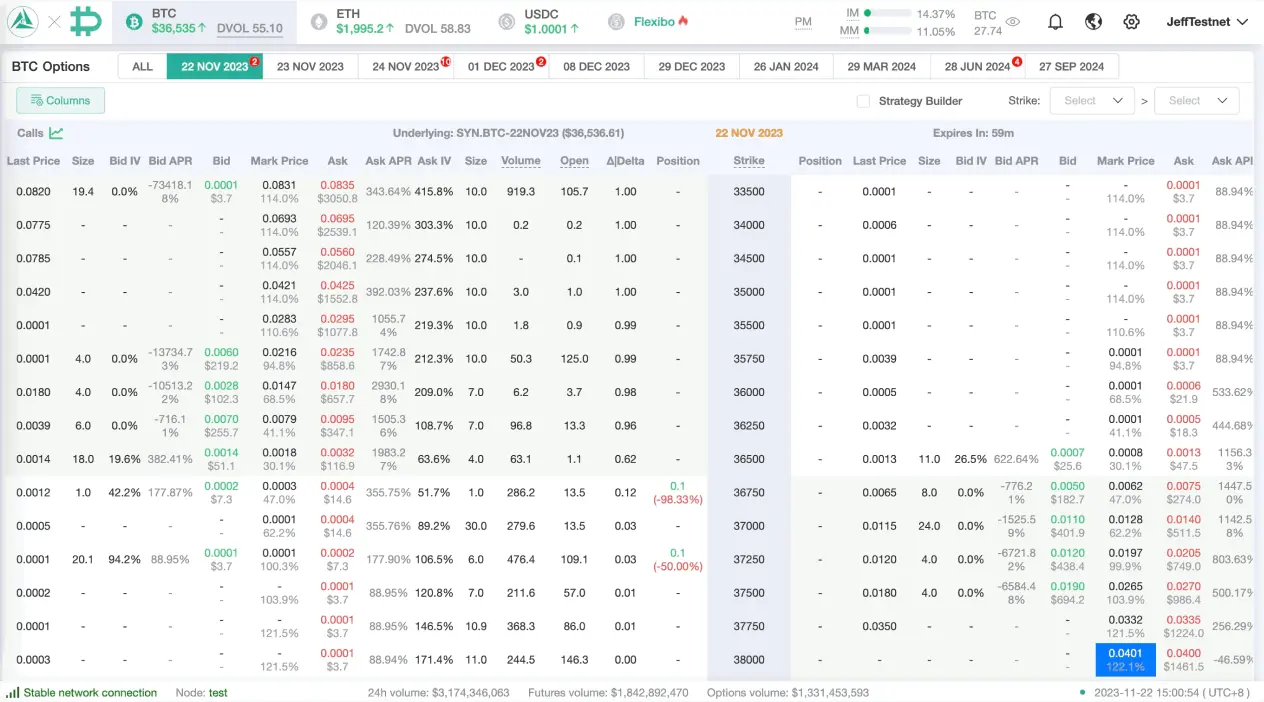
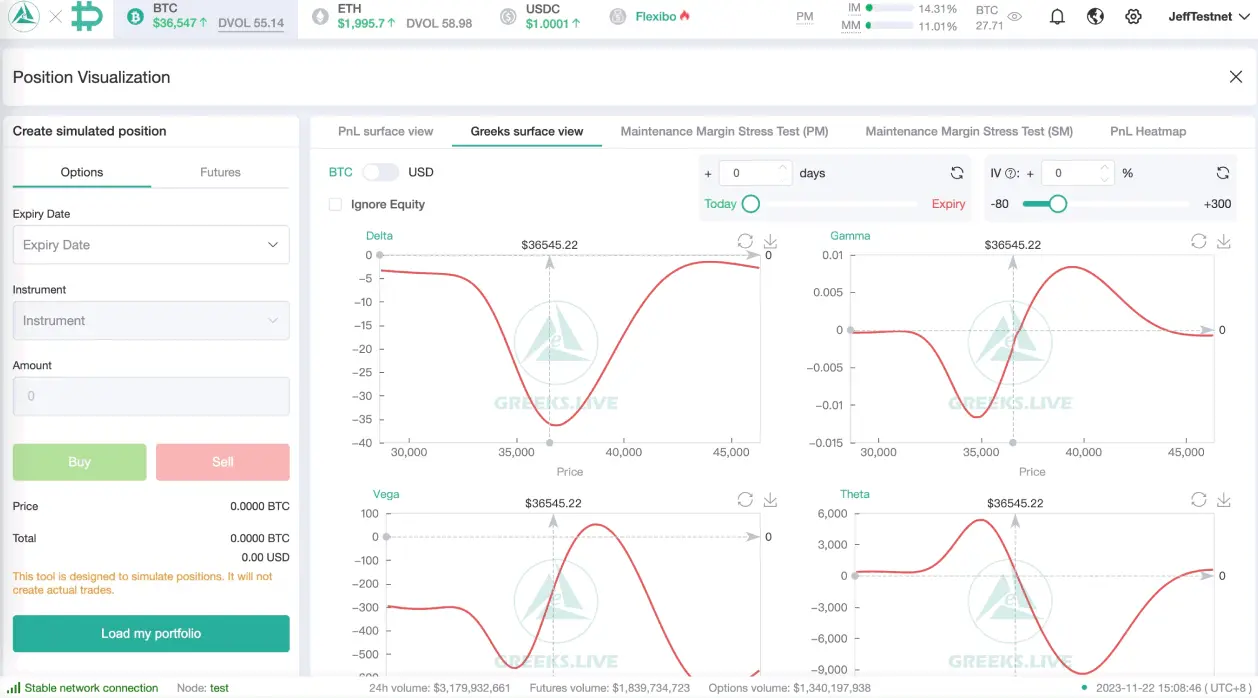
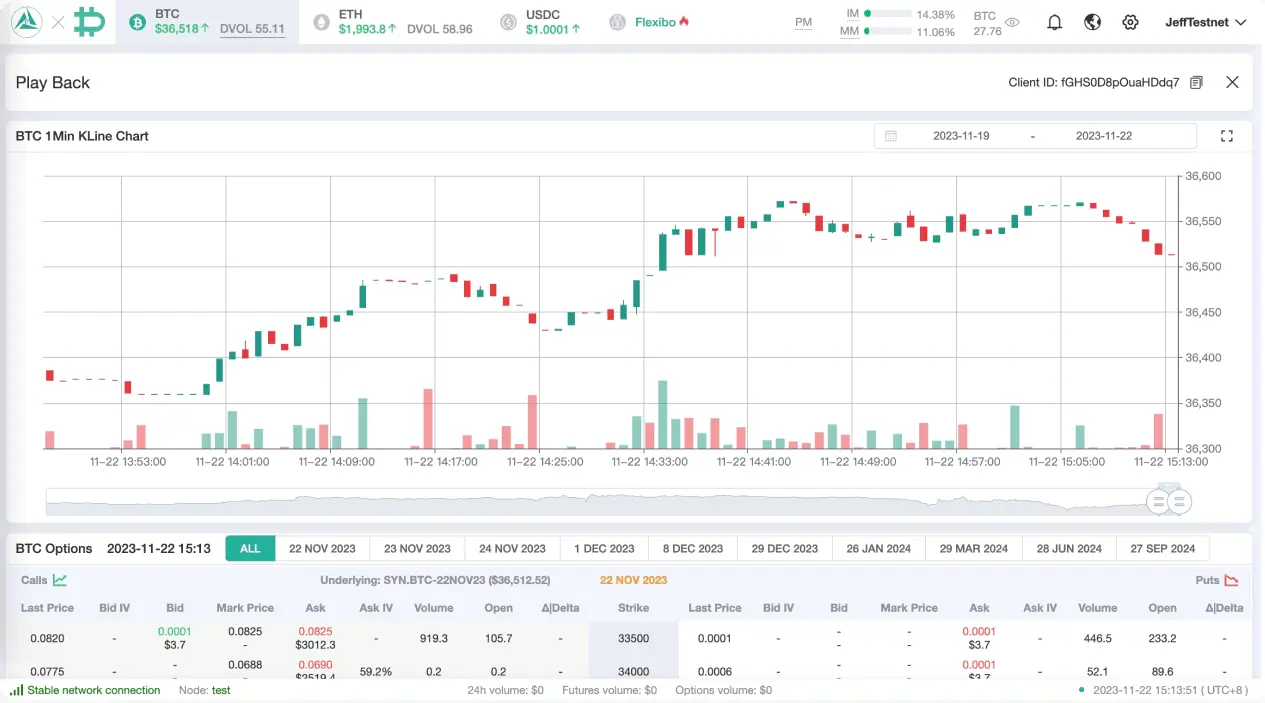
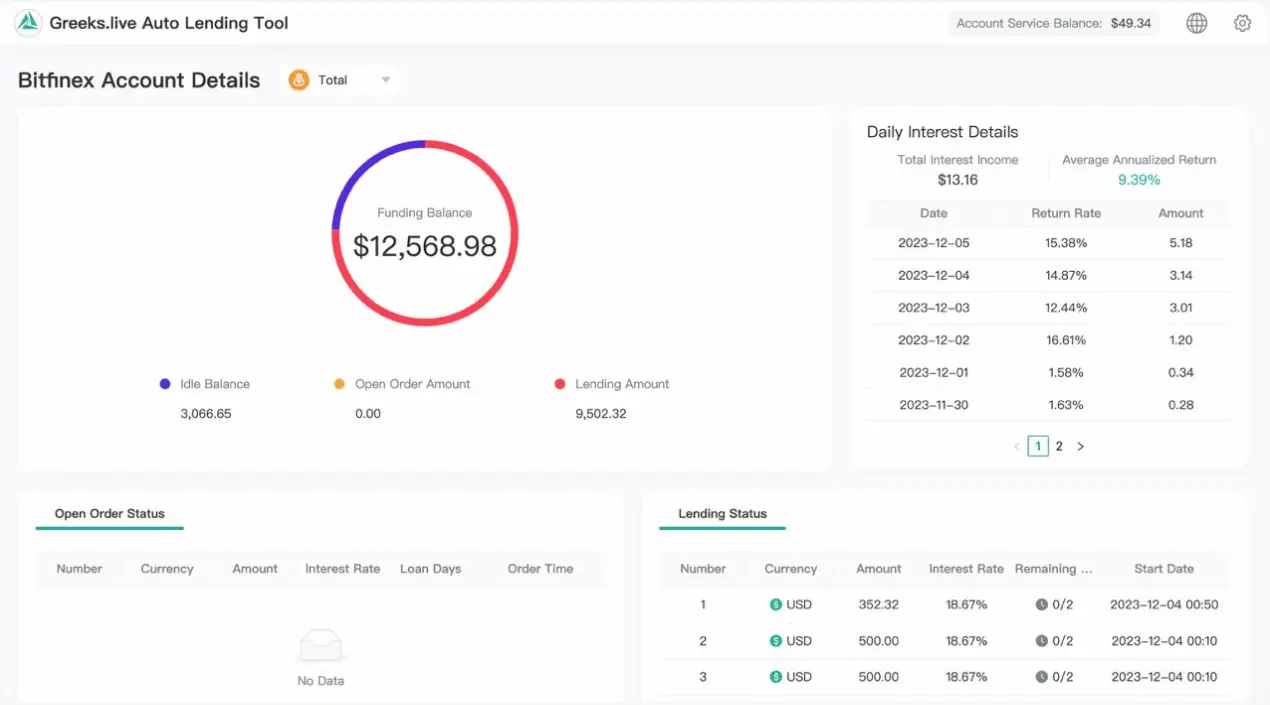
Automated trading systems designed specifically to capitalize on temporary price discrepancies for the same or related crypto assets across different exchanges, decentralized protocols, or over-the-counter (OTC) desks. These systems execute simultaneous or near-simultaneous trades to realize a risk-neutral profit derived from market inefficiencies. Their existence is a systemic force contributing to market price convergence and overall market efficiency.
Mechanism
The system architecture relies on low-latency data feeds from numerous venues and a sophisticated pricing engine that calculates cross-venue spreads and relative value metrics in real-time. A high-speed execution engine initiates multi-leg transactions, often leveraging direct API connections for speed, aiming to lock in the spread before it collapses. System components include complex order routing logic and instantaneous position monitoring to manage execution risk, particularly the risk of one leg failing or experiencing significant slippage before the other legs complete.
Methodology
The strategic approach involves defining various arbitrage typologies, such as spatial (exchange-to-exchange), triangular (cross-currency), or statistical arbitrage, and allocating computational resources based on real-time volatility and observed liquidity depth. Success hinges on minimizing system latency and transaction costs, including trading fees and network gas costs, since arbitrage margins are typically very thin. The methodology prioritizes systematic execution speed and reliability to outpace competing arbitrageurs and minimize execution latency.