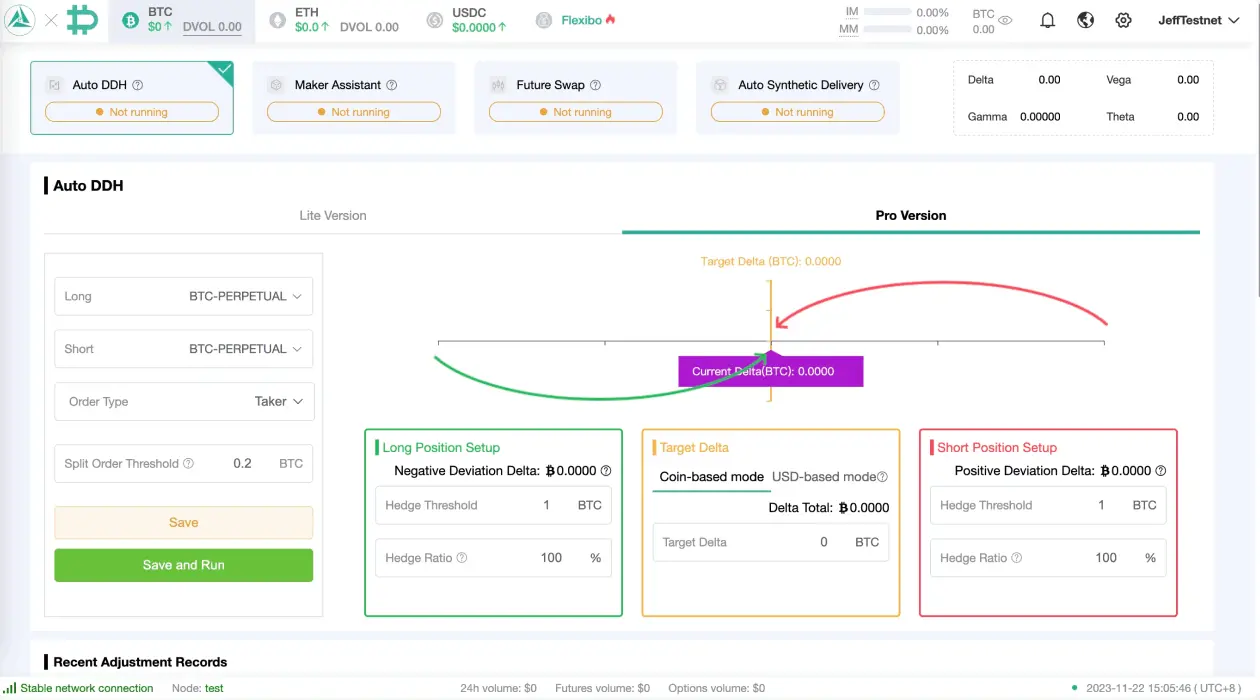
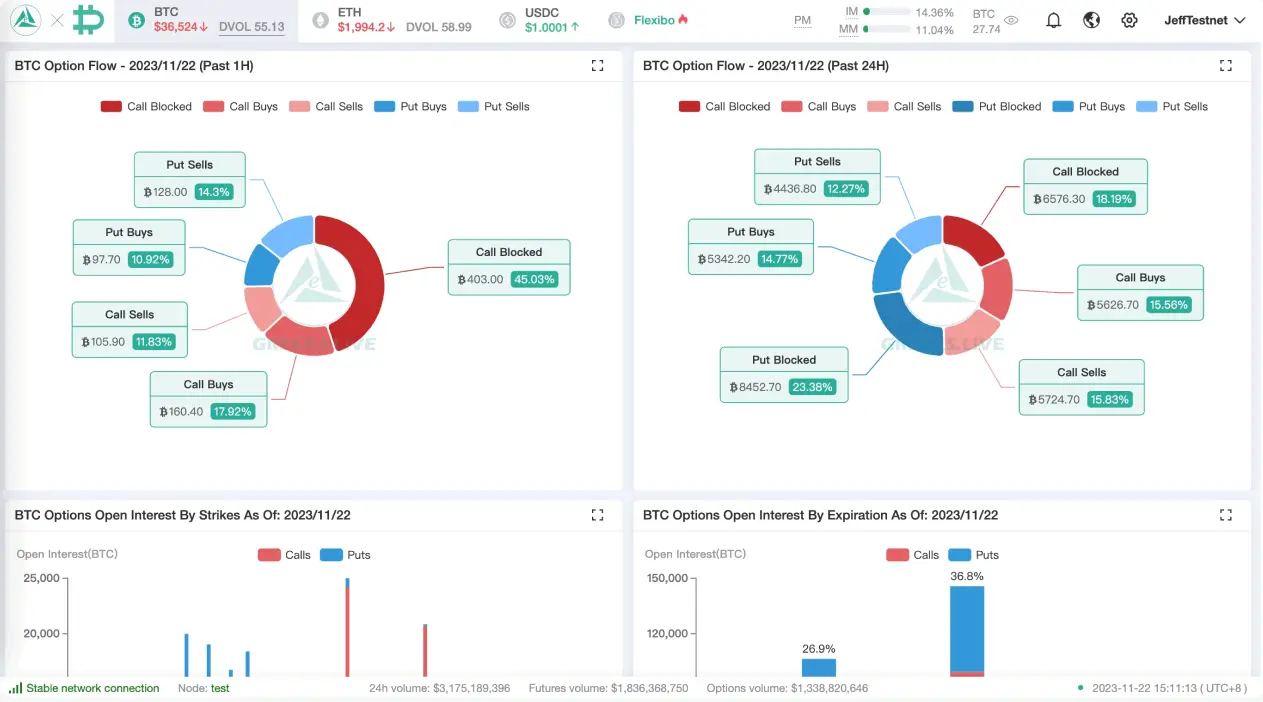
Institutional Risk Frameworks are the comprehensive, formalized governance structures, policies, and systemic controls established by large financial entities to systematically identify, assess, monitor, and manage the diverse spectrum of risks associated with their digital asset trading and investment activities. These frameworks extend beyond market risk to include credit risk, operational risk, liquidity risk, and regulatory compliance risk, ensuring that all trading activities remain within the defined aggregate risk appetite of the firm. Their existence is a prerequisite for maintaining regulatory standing and fiduciary responsibility.
Mechanism
The architecture is typically layered, commencing with a central risk data repository that aggregates real-time exposure metrics across all trading desks, venues, and asset classes. This data feeds into a computational risk engine that calculates value-at-risk (VaR), stress scenarios, and position limits, often utilizing Monte Carlo simulations or historical simulation models. Automated compliance monitors cross-reference real-time activity against pre-set rules and trigger hard breaks or soft alerts when defined thresholds are approached or breached. Reporting dashboards provide a synthesized view of risk exposure to senior management.
Methodology
The strategic methodology is total risk aggregation and limit enforcement, applying a consistent, top-down approach to capital allocation and exposure control across all crypto-related ventures. This necessitates a clear delegation of risk mandates and a robust feedback loop that permits timely calibration of parameters in response to validated model performance or significant market events. The governing principle is maintaining systemic stability by preventing localized trading activity from compromising the firm’s total capital base.
Dynamic compliance for block trades leverages real-time systems, algorithmic controls, and adaptive thresholds to ensure adherence while optimizing execution.