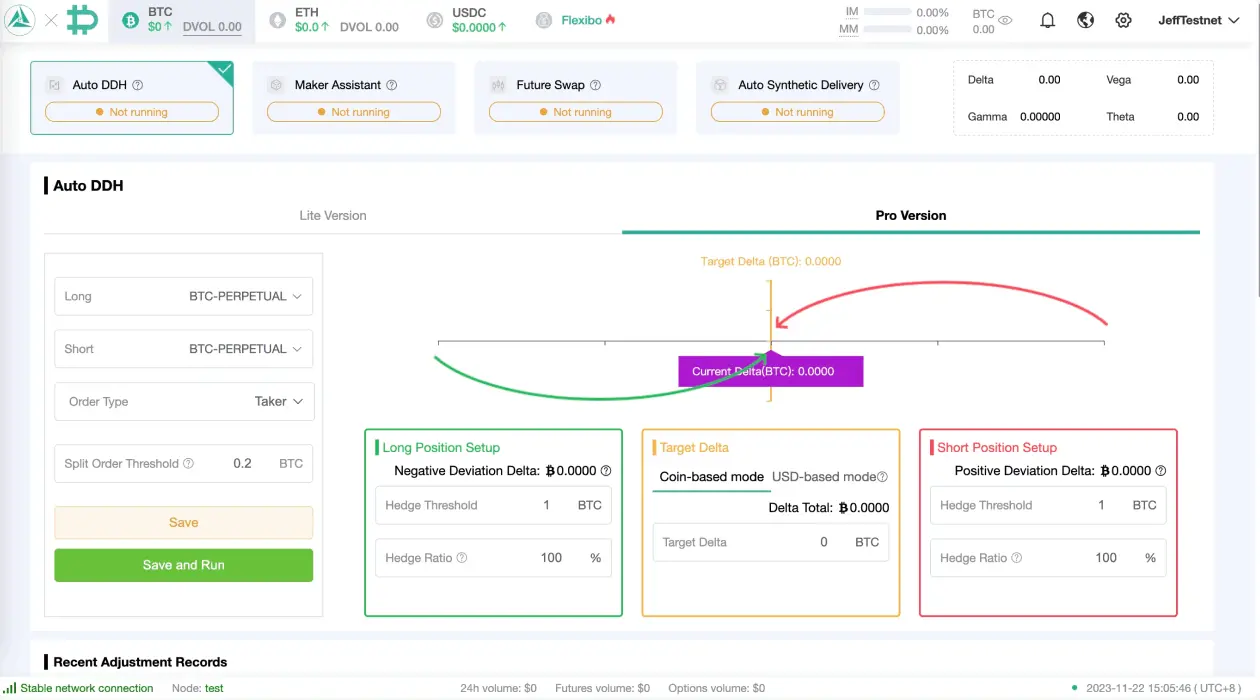
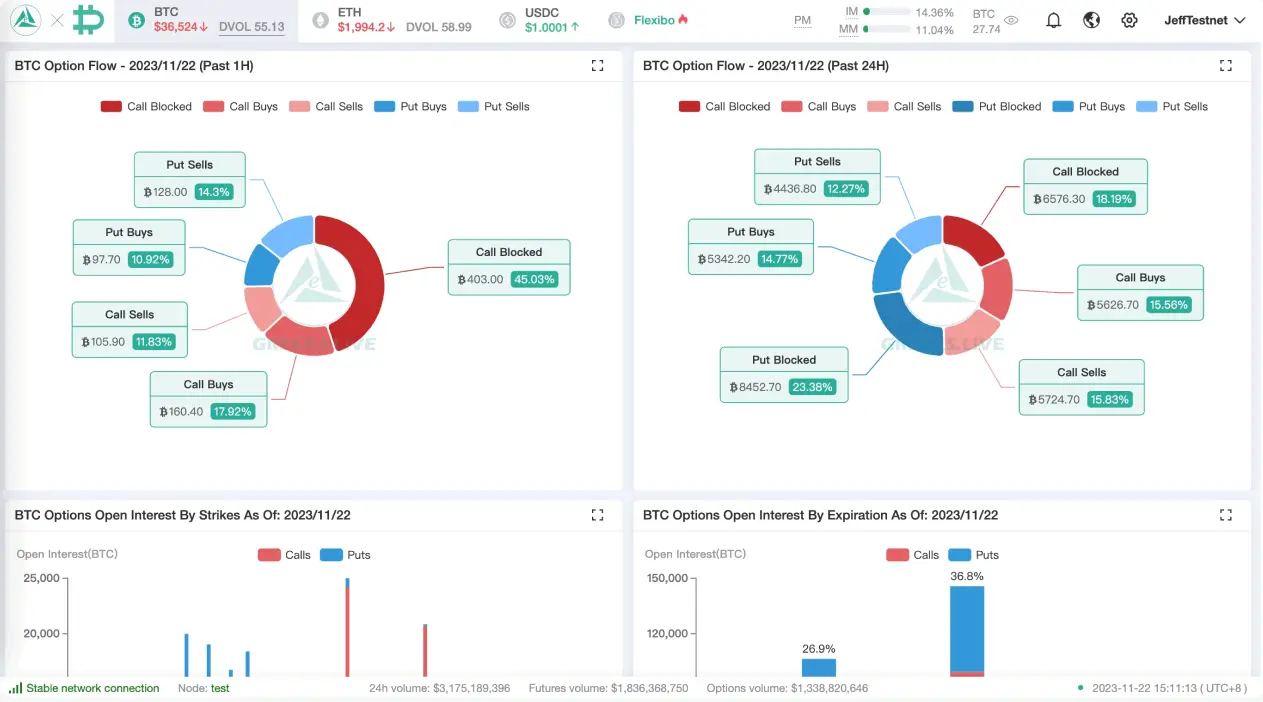
Real-Time Compliance Systems are high-throughput, low-latency computational platforms specifically designed to monitor, validate, and enforce regulatory, market, and internal risk rules on trading activity at the moment of order generation and execution, typically within milliseconds. In the high-velocity environment of crypto and institutional options trading, these systems are indispensable for preventing compliance breaches and systemic risk accumulation before they can affect market integrity or capital stability. They represent the architectural response to the speed of algorithmic trading.
Mechanism
The operational core of the system is a Complex Event Processing (CEP) engine that concurrently ingests market data, order flow data, and account position data. This engine utilizes a rules-based processing language to continuously evaluate hundreds of risk parameters and regulatory checks against the stream of events. Any event, such as an order submission or a position update, that violates a pre-configured rule—like a volume cap or a price collar—triggers an immediate, automated mitigating action, such as canceling the order or sending a system-wide alert.
Methodology
The strategic methodology is immediate, preventative governance, ensuring that the latency of the compliance check does not materially hinder trade execution speed while providing absolute assurance of rule adherence. This mandates that the compliance logic is optimized for computational efficiency and often deployed on dedicated hardware near the exchange infrastructure. The goal is to eliminate the temporal gap between a potential violation and its detection, which is necessary for maintaining system control in volatile, automated markets.
Dynamic compliance for block trades leverages real-time systems, algorithmic controls, and adaptive thresholds to ensure adherence while optimizing execution.