


The Mandate for Discrete Liquidity
Executing substantial positions in digital assets requires a distinct methodology. The public order book, a venue for continuous, transparent price discovery, operates on a first-come, first-served basis. For trades of institutional size, this environment presents certain operating conditions. A large market order can create a cascade of fills at progressively less favorable prices, a phenomenon known as slippage.
The visibility of such an order can also signal intent to the broader market, prompting reactive trading that can move the price against the initiator’s position. This is the mechanical reality of a fragmented liquidity landscape.
A different approach exists within the professional trading sphere. This method centers on privately negotiated transactions, executed away from the central limit order book. Block trading is the practice of exchanging large quantities of an asset at a single, predetermined price between two consenting parties. The mechanism to facilitate this is the Request for Quote, or RFQ.
An RFQ is a formal inquiry sent to a select group of liquidity providers, specifying the asset and size of a desired trade. These providers respond with firm, executable quotes. The trader then selects the most favorable response to complete the transaction. This entire process occurs within a private, competitive environment.
This system re-engineers the trade execution process. It shifts the dynamic from passively accepting prices on a public ledger to actively sourcing competitive bids and offers from dedicated counterparties. It is a system designed for precision, allowing for the transfer of significant risk with controlled market impact.
Understanding this distinction is the entry point to operating with the same toolset as the market’s most sophisticated participants. The objective is to secure a specific price for a specific size, a goal that requires a purpose-built channel for liquidity.
Executing a large trade on a public exchange can result in price slippage that erodes the value of the position before it is even fully established.
The operational framework of RFQ and block trading provides a direct channel to deep liquidity pools. These pools are maintained by specialized firms whose business is to warehouse risk and facilitate large transactions. By engaging with these firms directly, a trader gains access to a volume of liquidity that is typically unavailable on public exchange order books. This is how multi-leg options structures, sizable futures positions, and substantial spot transactions are executed with high degrees of certainty.
The process is built upon relationships and technology, creating a network of capital ready to be deployed. The system’s design is a direct response to the structure of modern digital asset markets, where liquidity is dispersed across numerous venues. It provides a mechanism to consolidate that liquidity for a single, specific purpose at a single moment in time.


A Framework for Precision Execution
Adopting a professional execution framework begins with a systematic approach to sourcing and engaging with liquidity. The effectiveness of a block trade is a direct result of the quality of the counterparty and the clarity of the request. This is a process of building a deliberate, methodical trading operation that functions at an institutional caliber.

Sourcing Counterparties and Building a Network
The world of block trading operates on a network of trusted liquidity providers. These are specialized trading firms and dedicated desks at larger financial institutions that provide pricing for large-scale digital asset trades. Identifying these counterparties is the first step. Many prime brokerage platforms and exchanges offer integrated RFQ systems that connect traders to a curated network of these providers.
This provides a streamlined point of access to a competitive marketplace. For traders operating with significant scale, establishing direct communication lines with the trading desks of these firms can provide access to bespoke pricing and market commentary. The goal is to cultivate a roster of reliable counterparties who understand your trading style and can provide consistent, competitive quotes across various market conditions.
A trader’s reputation within this network is a valuable asset. It is built on clear communication, decisive action, and consistent follow-through. When you send out an RFQ, liquidity providers dedicate resources to price your request.
Consistently “window shopping” without executing can diminish the quality of the quotes you receive over time. A professional operator requests prices when they have a genuine intent to trade, fostering a reciprocal relationship with their liquidity network.

The Mechanics of a Request for Quote
The RFQ process is structured and direct. It is a formal communication with a clear objective. While specific interfaces may vary between platforms, the core components of an RFQ remain consistent. Mastering this process is fundamental to achieving optimal execution for large orders.

Defining Your Order Parameters
Clarity in your request is paramount. A standard RFQ requires several key pieces of information. You must specify the instrument, which could be a spot asset like BTC, a specific options contract, or a complex multi-leg structure. The direction of your trade, whether you are buying or selling, must be stated.
The precise quantity of the asset is a core component of the request. Finally, you may need to specify a settlement timeline. For complex options strategies, each leg of the trade must be defined with its own set of parameters. The more specific and accurate the request, the more precise and reliable the quotes you will receive in response.
On-chain data reveals that exchange-based Bitcoin supply is at historic lows, amplifying the impact of large-scale accumulation from single entities.

Evaluating Responses and Confirming the Trade
Once an RFQ is submitted, the selected liquidity providers will respond with their quotes. These are typically firm prices, valid for a short period. Your task is to evaluate these responses swiftly and accurately.
The primary consideration is the price, but you should also be aware of any specific terms or conditions attached to the quote. The platform or interface will display the incoming bids and offers, allowing for a direct comparison.
Upon selecting the best quote, you confirm the trade. This action creates a binding transaction with the chosen counterparty. The trade is then settled according to the agreed-upon terms, with the assets exchanged between the two parties.
This execution occurs off the public order book, ensuring the size of your trade does not directly influence the lit market price. The result is a clean, efficient transfer of a large position at a known price.
The entire sequence, from request to confirmation, is designed for speed and efficiency. In volatile markets, the ability to act decisively on a firm quote is a significant operational advantage. It transforms the act of execution from a source of uncertainty into a predictable, controlled part of the trading plan.

A Step-By-Step RFQ Process
To crystallize the process, consider the following operational sequence for executing a large options trade via an RFQ system. This disciplined procedure ensures that every step is handled with intention and precision.
- Strategy Formulation ▴ Your process begins with a fully developed trading thesis. You have identified a specific market view and constructed an options strategy to express it. All parameters, including strike prices, expirations, and desired position size, are determined before you approach the market.
- Counterparty Selection ▴ Within your trading platform or network, you select the liquidity providers you wish to receive your RFQ. A good practice is to select a competitive group of three to five market makers known for their strength in the specific asset you are trading.
- RFQ Composition ▴ You build the RFQ with exacting detail. Each leg of the options structure is entered with its specific instrument, side (buy/sell), and quantity. You double-check every detail to ensure the request perfectly matches your intended strategy. The total notional value of the request is confirmed to meet the minimum size for block trades.
- Request Submission ▴ You submit the RFQ to the selected counterparties. This initiates a timer, typically lasting for a few minutes, during which the market makers will analyze your request and prepare their responses.
- Quote Evaluation ▴ As quotes arrive, they populate your interface. You see a ranked list of bids and offers. Your evaluation is immediate, focusing on the net price for the entire structure. You are looking for the single best price that allows you to establish your position at the most favorable terms.
- Execution Confirmation ▴ You select the winning quote and confirm the trade. This is the point of execution. A legally binding trade is created, and the position is established in your account. The transaction is complete, executed at a single price with no slippage.
- Position Management ▴ With the trade successfully executed, your focus shifts to managing the position as part of your broader portfolio. The execution risk has been handled, allowing you to concentrate on the strategic management of your market exposure.


Systemic Alpha and Portfolio Design
Mastery of discrete execution is a gateway to more sophisticated portfolio construction. When the act of entering and exiting large positions becomes a reliable, repeatable process, it opens new avenues for generating returns and managing risk. The tools of RFQ and block trading are not merely for single trades; they are integral components of a high-performance trading system.

Multi-Leg Strategies and the RFQ Edge
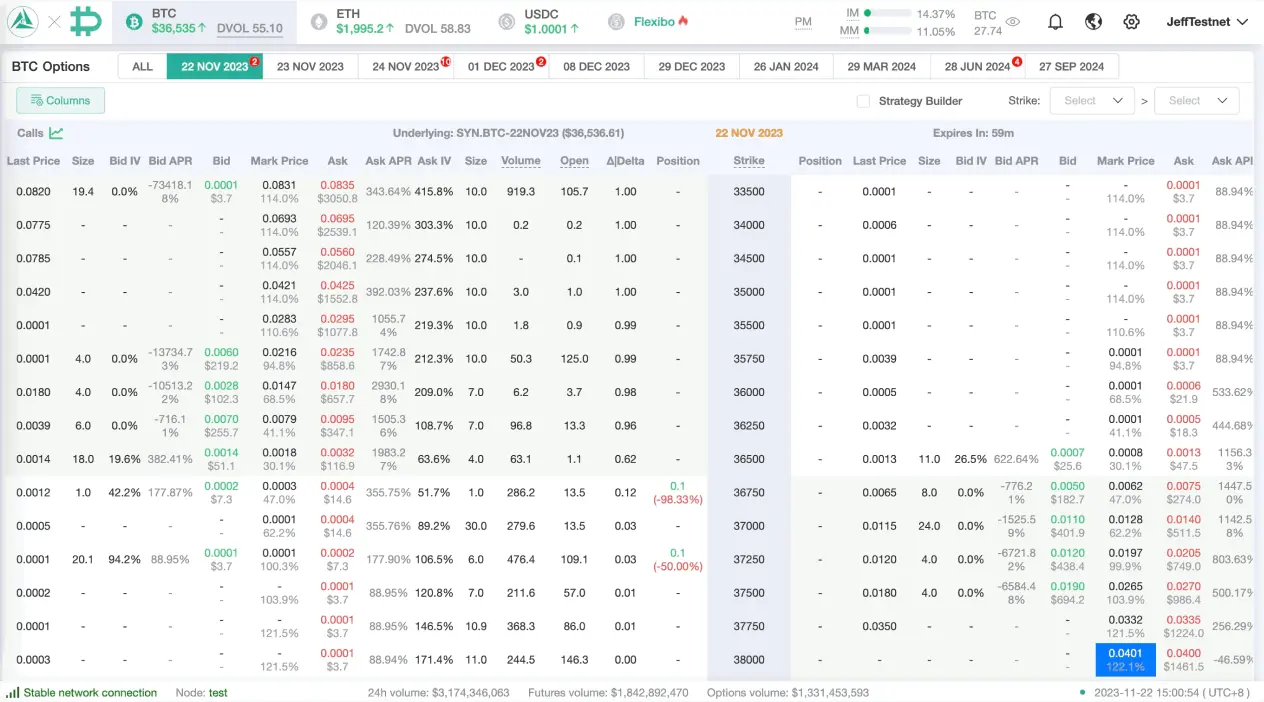
Complex options strategies, such as collars, spreads, and condors, involve the simultaneous execution of multiple different contracts. Attempting to build these positions leg by leg on a public exchange is fraught with risk. The price of one leg can move against you while you are trying to execute another, a condition known as execution risk or “legging risk.” This can turn a theoretically profitable setup into a losing one before the position is even fully established.
The RFQ process is purpose-built for these scenarios. It allows you to request a single, net price for an entire multi-leg structure. Liquidity providers evaluate the risk of the entire package and return a single, firm quote. This transforms a complex, multi-step execution into a single, atomic transaction.
You enter the full position at one moment, at one price, with zero legging risk. This capability allows a portfolio manager to deploy complex risk-management and yield-generation strategies with confidence, knowing that the intended structure will be achieved precisely as designed.

Integrating Off-Exchange and On-Exchange Activity
A sophisticated trading operation harmonizes its activity across both private and public markets. Block trades are ideal for establishing large, core positions or for making significant strategic adjustments to a portfolio. The public order books, in contrast, are well-suited for smaller, tactical trades and for continuous, real-time price discovery. An effective strategist uses both arenas for what they do best.
For instance, a fund might acquire a large core position in ETH via a series of block trades, securing a favorable average entry price with minimal market impact. Subsequently, the fund manager can use the public exchanges to make small adjustments to that position, selling call options against it to generate yield or buying protective puts to hedge downside risk. The block trade serves as the foundational element of the position, while the exchange-listed instruments provide the tools for dynamic management. This integrated approach provides a powerful combination of scale and flexibility, allowing a portfolio to be both robust and responsive.

The Future of Execution Algorithmic RFQ
The evolution of this space is moving toward greater automation and intelligence. Algorithmic RFQ systems are emerging that can intelligently route requests to the most appropriate liquidity providers based on historical performance and current market conditions. These systems can also manage the execution of very large orders by breaking them down into a series of smaller, optimized block trades over time. This brings the principles of algorithmic trading into the private liquidity space.
For the advanced trader, this means even greater efficiency and precision. It allows for the systematic execution of large programs with minimal human intervention. As these technologies mature, they will further blur the lines between quantitative strategies and discretionary trading, allowing portfolio managers to define high-level strategic goals that are then implemented by sophisticated execution algorithms. This represents the next frontier in achieving a consistent, measurable edge in the digital asset markets.

The Arena of Intentional Action
The market is a system of interlocking mechanisms. To operate within it effectively is to understand these mechanisms and apply them with purpose. The transition from public order books to private negotiations is a fundamental shift in posture, moving from being a price taker to becoming a price shaper. It is the decision to command liquidity on your own terms.
The knowledge of these tools is the foundation, but their true value is realized through consistent, disciplined application. This is the point where theory becomes performance, and a trader becomes a capital manager. The arena rewards deliberate action, and your execution methodology is the clearest expression of your intent.

Glossary

Public Order Book

Request for Quote

Block Trading

Liquidity Providers

Rfq

Market Impact

Public Exchange

Order Books

Digital Asset Markets

Prime Brokerage

Digital Asset

Rfq Process

Complex Options Strategies

Public Order

Block Trades

Options Strategies