


The Signal through the Noise
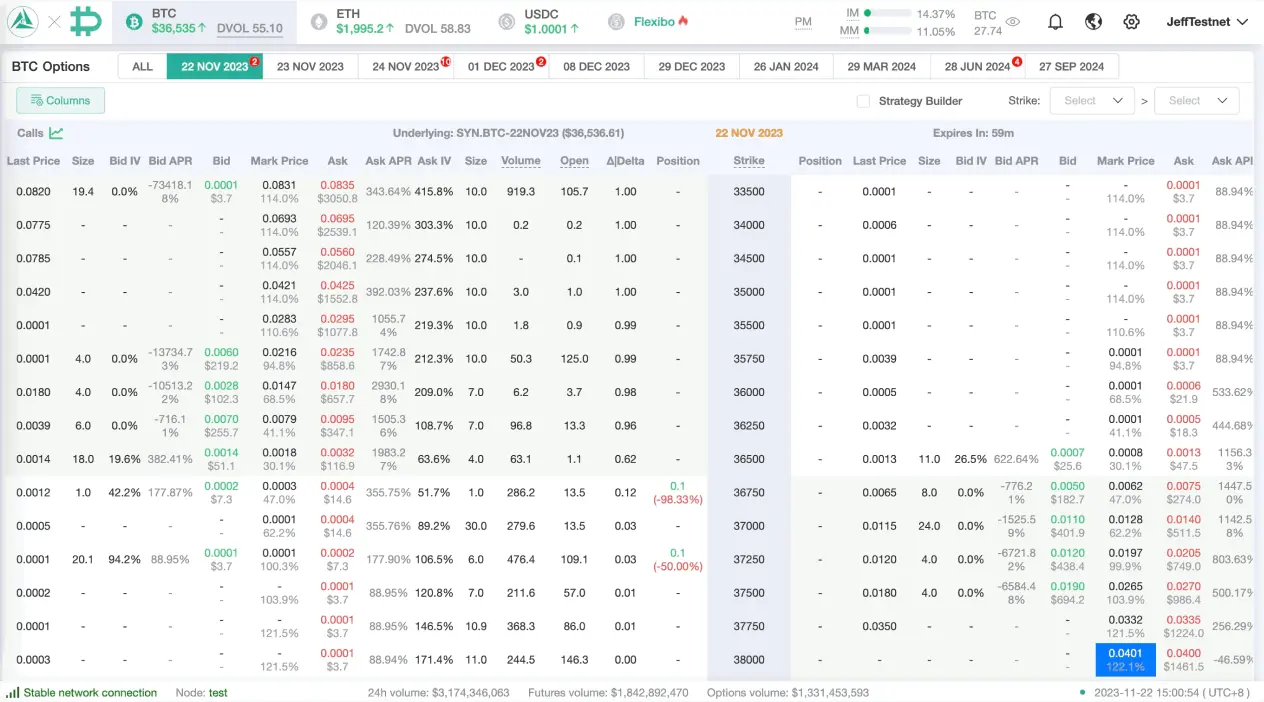
Executing complex, high-value options spreads is a function of broadcasting a clear, targeted signal into the market and receiving an equally clear response. A Request for Quote (RFQ) system provides this function with precision. It is an electronic, auditable mechanism for sourcing competitive, executable prices on multi-leg options strategies directly from a pool of professional liquidity providers. This process converts a bespoke trading idea, such as a multi-million dollar ETH collar or a BTC straddle, into a unique, tradable instrument on a platform like CME Globex or Deribit.
An RFQ canvases market participants, inviting them to respond with firm bids and offers, creating a competitive auction for your specific order. The result is a system designed for efficient price discovery and the elimination of leg risk, as the entire spread is executed as a single, indivisible transaction.
This method of execution directly addresses the challenge of liquidity fragmentation inherent in modern electronic markets, particularly within crypto derivatives. Sourcing liquidity for a large, multi-leg order by working individual legs on public order books exposes the trade to slippage, partial fills, and information leakage. An RFQ system consolidates this process. It allows a trader to anonymously broadcast their interest in a specific combination of strikes and expirations, generating focused liquidity for that unique strategy.
This approach transforms the act of execution from a speculative hunt across disparate venues into a controlled, private negotiation. The trader commands liquidity to their specific point of need, receiving actionable prices from market makers competing for the order flow. This dynamic creates an environment conducive to achieving best execution, a core requirement for any institutional-grade trading operation.


Calibrating the Execution Engine
Deploying capital through multi-leg options strategies requires a calibrated execution engine. The RFQ process is the central component of this engine, allowing traders to translate a market thesis into a precisely priced and executed position. Success depends on understanding the levers of this system and applying them to specific, outcome-oriented strategies. This involves structuring the trade, selecting the right parameters, and managing the flow of information to the marketplace.

Structuring the Signal for Core Strategies
The initial step is to construct the options spread that perfectly models your market view. The RFQ system accommodates a vast array of multi-leg structures, each designed for a specific purpose. These are not just trades; they are engineered positions designed to isolate a specific conviction on volatility, direction, or time decay.
- Volatility Capture The Straddle A trader anticipating a significant price movement in BTC, without a directional bias, can construct a straddle. This involves simultaneously buying a call and a put option with the same strike price and expiration date. An RFQ for a BTC straddle block is submitted, and market makers respond with a single net price for the entire package, ensuring simultaneous entry and a clear cost basis.
- Directional Conviction With Defined Risk The Vertical Spread For a bullish view on ETH with a defined risk tolerance, a trader might use a bull call spread. This involves buying a call option at a lower strike price and simultaneously selling a call option at a higher strike price, both with the same expiration. Submitting this as a single RFQ guarantees the net debit paid for the spread, removing the risk of the price moving between the execution of the two legs.
- Yield Generation and Position Hedging The Collar An investor holding a substantial spot ETH position can use an RFQ to execute a collar strategy. This involves selling an out-of-the-money call option against the holding and using the premium to purchase a protective put option. An “ETH Collar RFQ” ensures both legs are priced and executed as a single unit, locking in a zero-cost or low-cost hedge that defines a clear price floor and ceiling for the underlying asset.
By introducing its RFQ protocol to the U.S. options market, Tradeweb now allows institutional investors to send simultaneous electronic price requests to multiple liquidity providers, putting them in competition for the trade.

The Anonymous Broadcast Commanding Liquidity
A primary function of the RFQ system is providing access to liquidity while controlling information leakage. When a trader works a large order on public exchanges, their intent can be detected, leading to adverse price movements. The RFQ process on platforms like CME Group and Deribit is anonymous. The request is broadcast to all relevant market makers without revealing the identity of the requester.
This anonymity encourages market makers to provide tighter, more aggressive quotes, as they are competing in a fair and transparent auction. They are responding to the trade itself, not to the reputation or perceived urgency of the counterparty. This structural advantage is critical when executing sizes in the millions of dollars, where even fractional price improvements translate into significant capital savings.

A Comparative Framework for Execution
The decision to use an RFQ is a strategic one, weighed against other execution methods. Each has a distinct profile regarding market impact, price discovery, and operational complexity.
Visible intellectual grappling ▴ One must consider the trade-offs. While a direct RFQ to a small number of dealers might seem to offer the tightest control, it can also create an information bottleneck and may not produce the most competitive price. A wider broadcast to a platform’s full set of market makers introduces more competition but also signals that a large trade is imminent, a piece of information that, while anonymous, still alters the market’s immediate texture.
The optimal path depends on the trader’s assessment of the underlying asset’s liquidity profile, the complexity of the spread, and the urgency of execution. The system is a tool, and its calibration is a skill.
This methodical approach to execution transforms trading from a reactive process to a proactive one. It shifts the focus from finding liquidity to commanding it. For the trader managing substantial capital, this control is the primary source of execution alpha.
The ability to structure a complex position, source competitive quotes from the entire market anonymously, and execute the entire spread in a single transaction is a powerful operational advantage. It ensures that the P&L of a strategy is determined by its thesis, not degraded by the friction of its execution.


Systemic Alpha Generation
Mastery of single-click, multi-leg execution through RFQ systems is the foundation for building a more robust and sophisticated portfolio framework. Integrating this capability across all trading activities creates a systemic edge. It moves the operator’s mindset from a trade-by-trade perspective to a continuous process of risk management, alpha generation, and capital efficiency. The true scaling of this advantage comes from applying the logic of precise execution to more complex, portfolio-level challenges.

Advanced Applications Portfolio Overlay and Risk Reversal
The principles of RFQ execution can be extended beyond simple directional or volatility trades to manage portfolio-wide exposures. Consider a large portfolio of digital assets with a high correlation to the broader market. A fund manager can use a large-scale RFQ for an options strategy, like a ratio spread or a complex multi-leg condor, as a macro hedge.
This single transaction can overlay a protective structure across the entire portfolio, precisely tuning its delta and vega exposures with a level of accuracy that is impossible to achieve by trading individual options legs. This is portfolio engineering executed with surgical precision.
Furthermore, risk reversals, which involve selling a put to finance the purchase of a call (or vice versa), can be executed in institutional size via RFQ to strategically adjust a portfolio’s skew exposure. If a manager believes the market is underpricing the risk of a sharp upward move in an asset like ETH, they can execute a large risk reversal spread in a single block. This allows them to systematically harvest perceived mispricings in the volatility surface, turning risk management into a source of potential alpha.

The Multi-Dealer Ecosystem and Price Improvement
Advanced RFQ systems, particularly in the crypto space, often feature a multi-maker quoting environment. This means that multiple liquidity providers can contribute to a single quote, effectively pooling their liquidity to fill a large order. This mechanism is a direct solution to liquidity fragmentation. A million-dollar order might be filled by three different market makers, each providing a piece of the total liquidity at a competitive price.
The execution logic then aggregates these quotes to provide the trader with a single, unified fill price. This process often results in significant price improvement over what any single dealer could offer. It protects individual market makers from taking on excessive risk, which in turn encourages them to quote tighter spreads, a direct benefit passed on to the trade initiator.
The commissions owed and margin requirements are typically less with some brokers when a multi-leg trade is executed as a unit rather than via several individual orders.
This systemic approach to liquidity aggregation is the endpoint of professional trading. It acknowledges the fragmented nature of modern markets and provides a functional system to overcome it. By leveraging a competitive, anonymous, multi-dealer environment, a trader ensures they are receiving a price that reflects the true state of market-wide liquidity.
This is the mechanism that allows for the consistent and efficient deployment of large amounts of capital, transforming the execution process from a cost center into a source of strategic advantage. Mastering this system is a critical step in the evolution from a trader to a sophisticated portfolio manager.

The Market as a Solvable System
Understanding the mechanics of institutional-grade execution reframes one’s entire relationship with the market. It ceases to be an unpredictable ocean of random price movements and reveals itself as a complex, yet ultimately solvable, system of inputs and outputs. The ability to execute a million-dollar, multi-leg options spread with a single click is the tangible result of this perspective shift. It is the point where a clear strategic intention is translated into a market position with minimal friction and maximum precision.
The tools and processes are available. The core challenge is developing the strategic clarity to wield them effectively. This proficiency is the final destination for the serious market operator.

Glossary

Cme Globex

Liquidity Fragmentation

Rfq System

Best Execution

Market Makers

Eth Collar Rfq