

Volatility Selling Fundamentals
Mastering crypto volatility selling offers a direct path to consistent returns, transforming market fluctuations into strategic advantage. This sophisticated approach involves selling options premium, capitalizing on the inherent overestimation of future price swings common in dynamic digital asset markets. Understanding this core mechanism provides a foundational edge, positioning participants to generate income from assets held or market views expressed. The underlying principle centers on capturing the time decay of options contracts, a quantifiable factor that systematically benefits the seller.
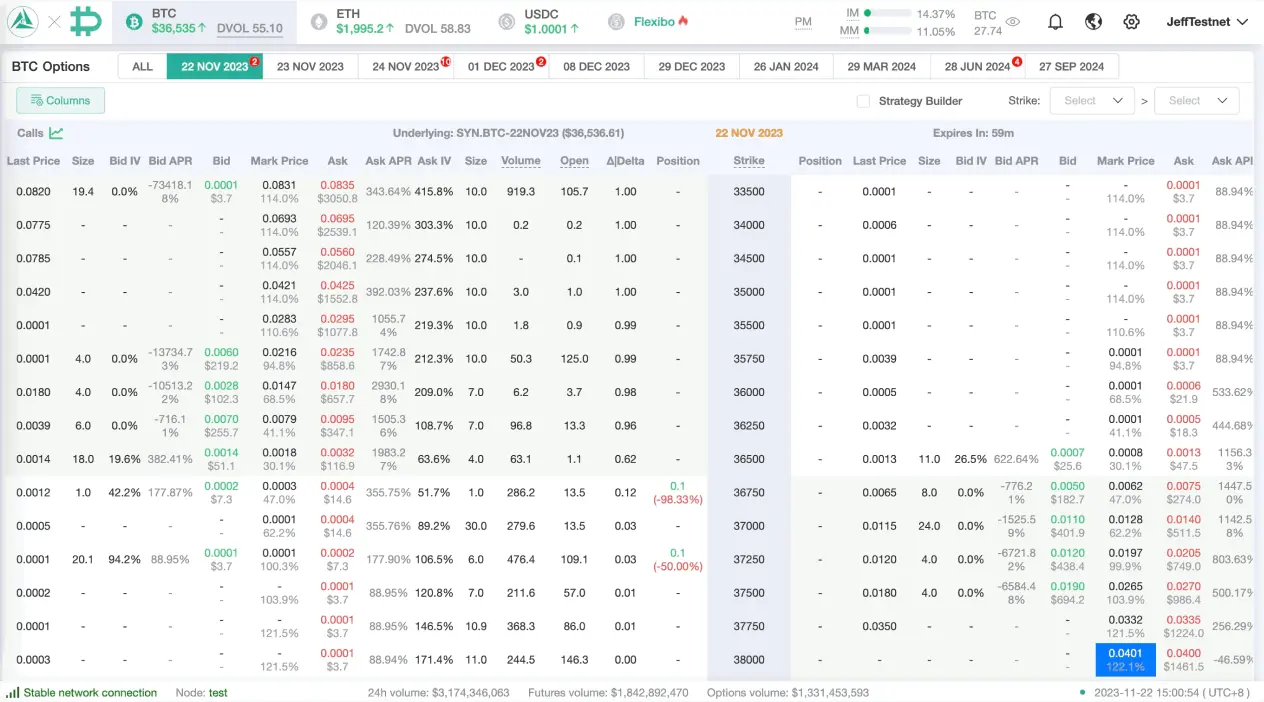
Market microstructure plays a pivotal role in enabling this strategy. Participants identify and leverage inefficiencies within order books and liquidity pools. By engaging with options, traders assume a calculated exposure to price movements while collecting a tangible premium.
This method stands as a professional-grade tool, designed for those who seek to move beyond reactive trading, embracing a proactive stance in capital deployment. It builds confidence through systematic engagement with market dynamics.
Capturing options premium systematically converts market overestimation into consistent capital growth.

Derivatives Pricing Mechanics
Grasping the intricacies of derivatives pricing unlocks the true power of volatility selling. Options contracts derive their value from several key factors ▴ the underlying asset’s price, strike price, time to expiration, implied volatility, and prevailing interest rates. The Black-Scholes-Merton model, alongside its adaptations for crypto, provides a robust framework for assessing theoretical option values. A clear understanding of these inputs allows for precise identification of mispriced opportunities, which forms the bedrock of a successful selling strategy.
Implied volatility represents a market’s expectation of future price movement. When implied volatility exceeds realized volatility, a prime condition for selling premium arises. This differential represents a statistical advantage, enabling the systematic extraction of value.
Analyzing historical volatility against current implied levels reveals periods where selling options premium offers a favorable risk-reward profile. This analytical rigor supports informed decision-making.


Strategic Deployment of Capital
Deploying capital effectively in crypto volatility selling requires a disciplined approach, integrating robust strategies with superior execution. This section outlines actionable methods for achieving specific investment outcomes, moving from foundational understanding to practical application. Each strategy provides a structured way to engage with market volatility, aiming for consistent returns through calculated risk management.

Income Generation with Covered Calls
Selling covered calls represents a cornerstone strategy for generating income from existing crypto holdings. An investor sells call options against an equivalent amount of an underlying asset already owned. This approach yields immediate premium income while retaining exposure to potential upside up to the strike price.
Should the asset price remain below the strike at expiration, the options expire worthless, and the investor keeps the premium, ready to sell new calls. This method offers a steady stream of revenue, enhancing portfolio yield.
Choosing appropriate strike prices and expiration dates is paramount. Selecting a strike comfortably above the current market price provides a buffer for upward movement, reducing the likelihood of the asset being called away. Shorter-dated options generally exhibit faster time decay, allowing for more frequent premium collection. A meticulous review of market conditions and individual asset conviction guides these selections, optimizing the balance between income generation and capital appreciation potential.

Leveraging Straddles and Strangles
For market conditions characterized by expected range-bound price action or a decline in volatility, selling straddles or strangles offers compelling opportunities. A short straddle involves selling both a call and a put option with the same strike price and expiration date. This strategy profits from minimal price movement in either direction.
A short strangle extends this concept, selling an out-of-the-money call and an out-of-the-money put, benefiting from the underlying asset remaining within a defined price channel. These strategies capitalize directly on contracting volatility.
Risk management remains critical with these strategies, as substantial price swings can lead to significant losses. Defining exit points and implementing stop-loss orders provides essential safeguards. A thorough understanding of maximum profit and loss scenarios guides position sizing. This approach demands a keen eye for volatility trends and a disciplined adherence to predefined risk parameters.

Block Trading for Execution Quality
Executing larger positions efficiently requires a nuanced approach to liquidity. Block trading mechanisms offer a superior avenue for institutional-sized orders, minimizing market impact and securing best execution. Instead of routing through public order books, block trades involve negotiating directly with multiple liquidity providers, often through a Request for Quote (RFQ) system. This direct engagement shields large orders from immediate price discovery, preserving capital efficiency.
Multi-dealer liquidity environments ensure competitive pricing. Submitting an RFQ allows a trader to solicit bids and offers from various counterparties simultaneously, driving down execution costs. This competitive tension yields optimal fill prices, directly translating into enhanced returns.
Anonymous options trading further refines this process, preventing market participants from front-running large orders. This level of control over execution empowers sophisticated traders.
- Covered Call Premium Collection ▴ Sell calls against held assets for consistent income.
- Short Straddle Deployment ▴ Profit from range-bound markets by selling calls and puts at the same strike.
- Short Strangle Implementation ▴ Capitalize on reduced volatility by selling out-of-the-money calls and puts.
- RFQ System Engagement ▴ Utilize multi-dealer liquidity for superior block trade execution.
- Anonymous Trading ▴ Shield large orders from market impact and front-running.


Advanced Strategic Mastery
Transcending basic option strategies, this section explores advanced applications and portfolio integration, cementing a path from competence to market mastery. The focus shifts to constructing robust, alpha-generating portfolios through sophisticated use cases and refined risk management frameworks. This level of engagement transforms volatility selling into a powerful component of a comprehensive investment strategy.

Dynamic Hedging and Portfolio Optimization
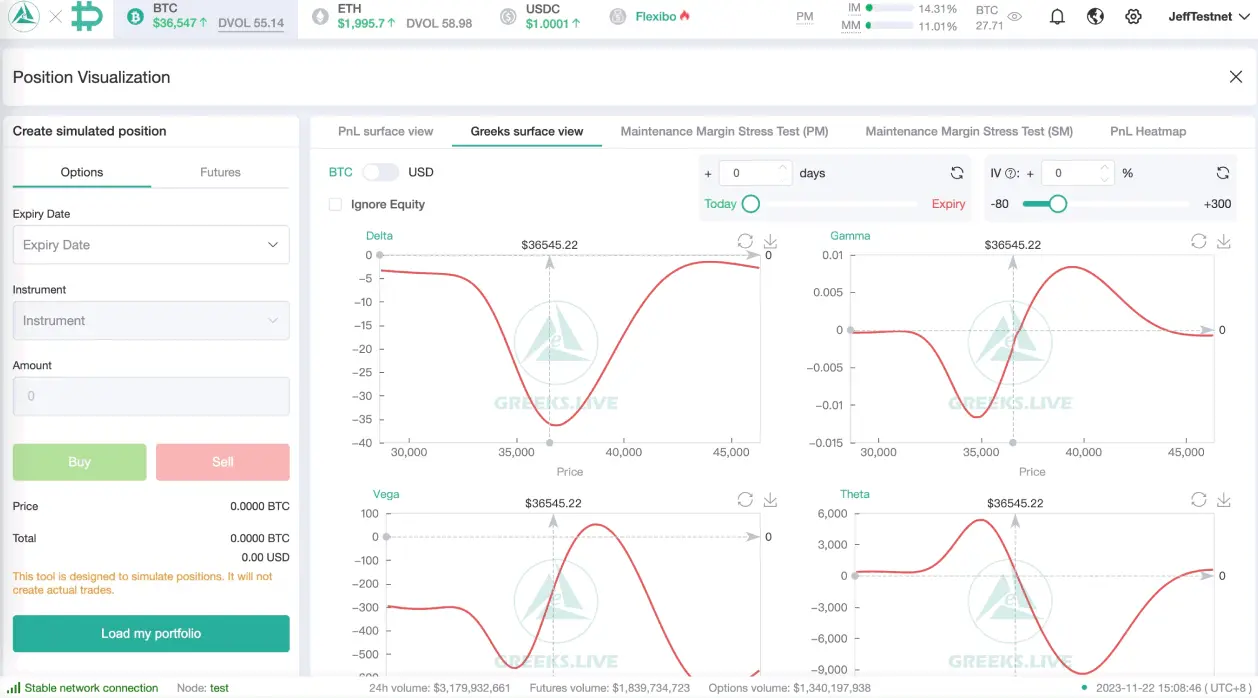
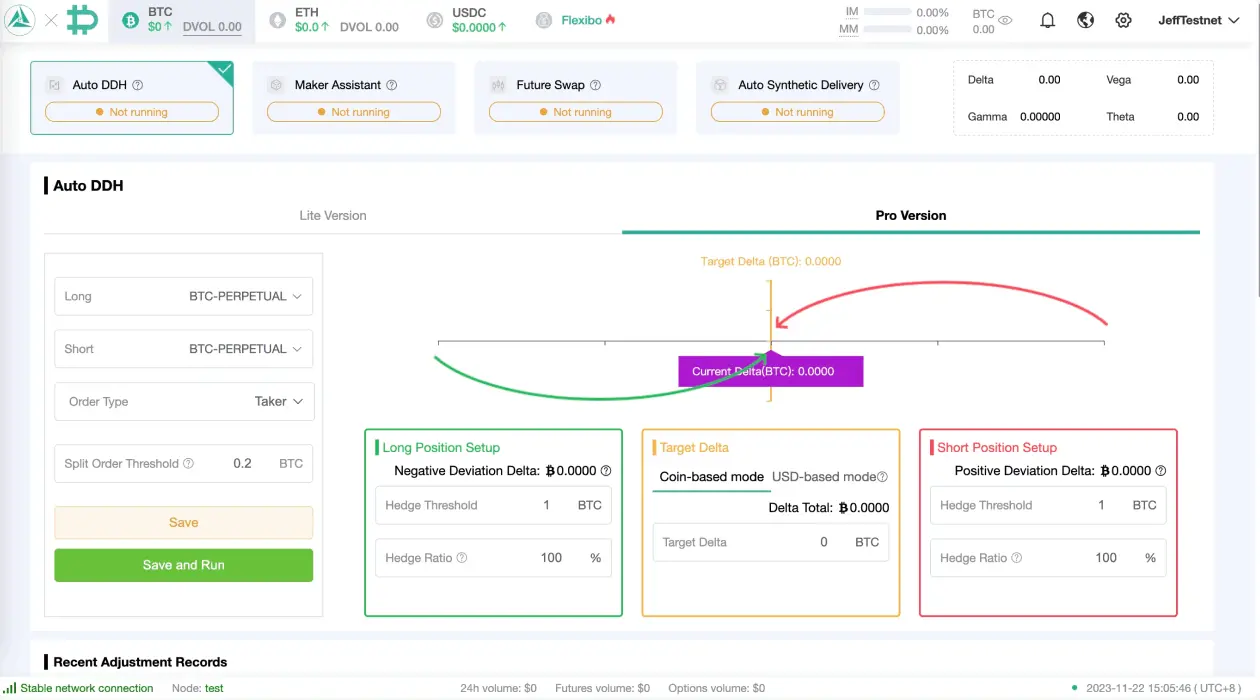
Integrating volatility selling into a broader portfolio necessitates dynamic hedging. This involves continuously adjusting option positions to maintain a desired risk profile as market conditions evolve. Utilizing multi-leg execution strategies, such as synthetic long or short positions, allows for precise control over delta, gamma, and vega exposures.
A portfolio manager constantly monitors these Greeks, making real-time adjustments to neutralize unwanted risks or enhance specific directional bets. This continuous rebalancing ensures the portfolio remains aligned with its strategic objectives.
The goal involves not simply mitigating risk, but optimizing capital allocation. Advanced traders employ quantitative models to identify optimal hedge ratios and position sizes, maximizing risk-adjusted returns. This rigorous approach treats the portfolio as a single, integrated system, where each option position contributes to the overall risk-reward landscape. It represents a proactive stance against market uncertainty, building resilience into investment holdings.
Precision in dynamic hedging transforms volatility selling into a robust portfolio stabilizer and alpha generator.

Algorithmic Execution and AI Integration
The future of volatility selling integrates advanced algorithmic execution and artificial intelligence. Algorithmic trading bots automate the complex process of identifying and executing volatility-selling opportunities, reacting to market shifts with unparalleled speed and precision. These systems analyze vast datasets, identifying subtle patterns in implied and realized volatility, and executing trades within milliseconds. This technological edge minimizes slippage and maximizes fill rates, enhancing profitability.
AI-powered systems extend this capability, learning from historical data to predict optimal entry and exit points for volatility trades. They adapt to changing market trends, refining strategies in real-time. A liquidity sweep mechanism, often integrated into these bots, identifies the deepest pools of capital across various venues, ensuring superior execution for large orders. This synergistic blend of human strategy and machine efficiency unlocks new frontiers in consistent returns, positioning traders at the forefront of market innovation.
A sophisticated system, after all, requires sophisticated tools. This demands a critical understanding of the underlying mathematical frameworks and their practical implications, pushing the boundaries of traditional financial engineering.

Long-Term Strategic Impact
Mastering crypto volatility selling fundamentally reshapes an investor’s relationship with market cycles. It cultivates a systematic edge, moving beyond speculative bets to a repeatable process of value extraction. This strategic discipline fosters resilience during turbulent periods and amplifies returns during calmer market phases. The ability to generate consistent income, independent of strong directional moves, stabilizes portfolio performance.
This sustained advantage allows for compounding returns, accelerating wealth creation over the long term. This systematic engagement with market forces builds a formidable financial position.

Commanding Market Volatility
The pursuit of consistent returns within crypto markets demands a strategic evolution, a shift towards mechanisms that transform inherent volatility into a structured advantage. Embracing volatility selling, particularly through advanced option strategies and sophisticated execution channels, provides a definitive pathway. This journey culminates in a profound ability to sculpt portfolio outcomes, transcending mere reaction to market forces. It represents a commitment to precision, to systematic engagement, and ultimately, to an enduring financial edge.

Glossary

Volatility Selling

Options Premium

Derivatives Pricing

Implied Volatility

Realized Volatility

Risk Management

Covered Calls

Block Trading

Multi-Dealer Liquidity

Dynamic Hedging