

Premium Capture Foundations
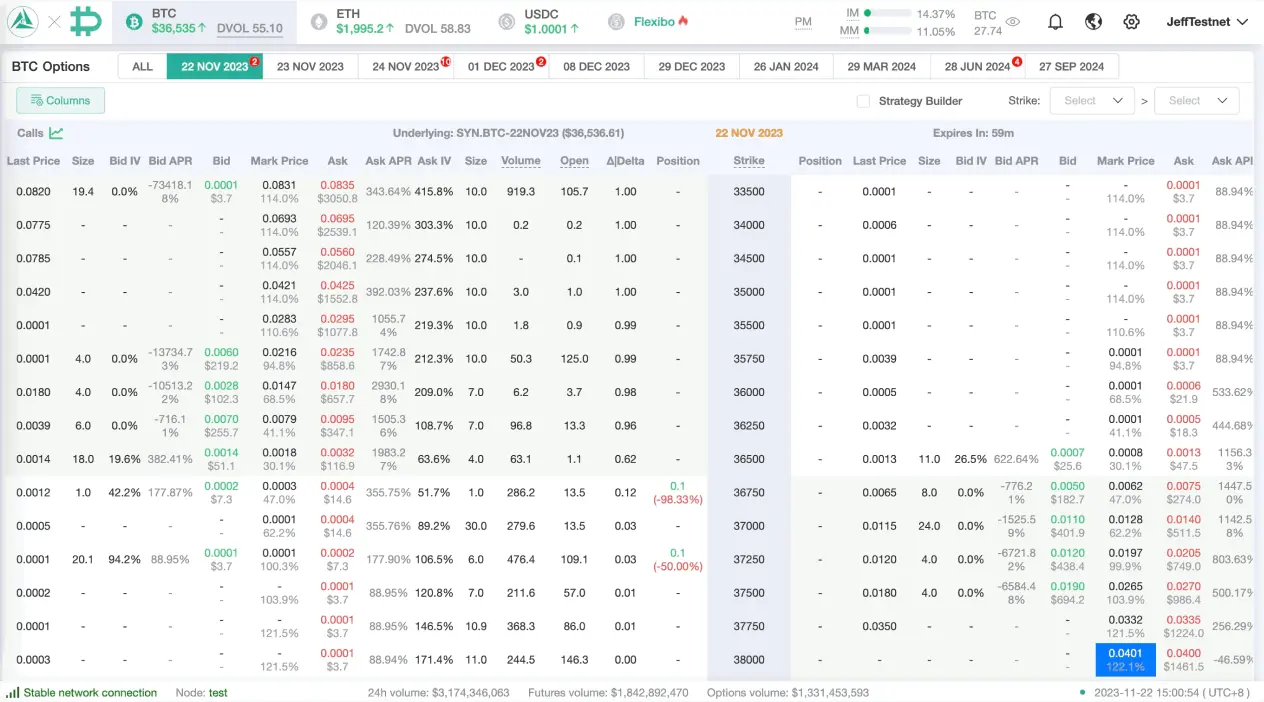
Capturing premium in crypto options markets represents a sophisticated approach to generating consistent yield, moving beyond directional speculation. This discipline hinges upon understanding implied volatility dynamics and the structural advantages offered by professional execution venues. The strategic deployment of options structures provides a verifiable edge, translating market inefficiencies into tangible portfolio enhancements.
A deep comprehension of options pricing models forms the bedrock of this endeavor. Traders calculate theoretical values, identifying discrepancies where market prices deviate, offering opportunities for systematic premium extraction. This analytical rigor establishes a clear pathway for disciplined engagement with derivative instruments.
Systematic premium capture yields a predictable advantage, transforming implied volatility into consistent portfolio appreciation.
Market participants often overlook the intrinsic value decay inherent in options contracts, particularly those with shorter maturities. This decay, a quantifiable phenomenon, becomes a reliable source of yield for those employing well-calibrated strategies. Mastering this aspect means converting time itself into a financial asset.

Volatility as a Strategic Asset
Volatility, often perceived as a source of risk, serves as a strategic asset within a premium capture framework. High implied volatility inflates option prices, presenting amplified opportunities for sellers to collect substantial premiums. The astute strategist recognizes these periods as optimal for deploying certain options structures.
Understanding the term structure of volatility provides a distinct analytical advantage. Traders observe how implied volatility varies across different expiration dates, informing choices regarding contract selection and duration. This granular insight refines the timing and composition of premium-selling trades.

Market Structure for Optimal Execution
Optimal execution within crypto options markets demands an appreciation for specialized trading environments. Request for Quotation (RFQ) systems, for example, facilitate direct, competitive pricing from multiple liquidity providers. This structured interaction ensures participants access superior pricing and minimize market impact, especially for larger block trades.
The transition from fragmented, over-the-counter (OTC) dealings to organized RFQ environments represents a significant evolution in market efficiency. These systems aggregate liquidity, offering a consolidated view of executable prices. Traders leverage this concentrated liquidity to achieve superior fill rates and tighter spreads.


Strategic Yield Deployment
Deploying capital for consistent yield through crypto options requires a systematic framework, prioritizing risk management and quantifiable outcomes. Strategic implementation transforms theoretical knowledge into actionable, alpha-generating positions. Every trade begins with a clear objective, meticulously defined by expected premium collection and maximum tolerable risk.

Covered Call Structures
The covered call remains a foundational strategy for generating yield on existing crypto holdings. This approach involves selling call options against a long position in the underlying asset, collecting premium as compensation. The underlying asset provides a protective layer, capping potential losses if the price rises beyond the strike price.
Implementing covered calls demands careful strike price selection and expiration management. Choosing an out-of-the-money strike allows for potential asset appreciation while still yielding premium. Shorter-dated options often exhibit faster time decay, making them attractive for frequent premium collection.

Cash-Secured Put Strategies
Cash-secured puts represent another potent mechanism for premium capture, particularly for those willing to acquire an asset at a lower price. Traders sell put options, receiving premium upfront, with the obligation to purchase the underlying asset if its price falls below the strike. This strategy effectively sets a desired entry point while generating income.
The decision to employ cash-secured puts aligns with a long-term accumulation thesis. Selecting a strike price below current market levels creates a margin of safety. The premium received offsets the acquisition cost, enhancing the overall entry basis.

Volatility Spreads for Refined Exposure
Options spreads offer a refined approach to premium capture, allowing for more precise exposure to volatility expectations. These strategies involve simultaneously buying and selling different options contracts on the same underlying asset, often with varying strike prices or expiration dates. Vertical spreads, for instance, cap both profit and loss, defining a clear risk-reward profile.
Iron condors, a combination of call and put spreads, capitalize on range-bound market conditions. This structure involves selling both an out-of-the-money call spread and an out-of-the-money put spread, collecting premium from both sides. The defined risk parameters make this a favored strategy for managing downside exposure.
- Identify underlying asset with stable liquidity.
- Analyze implied volatility skew and term structure.
- Select appropriate strike prices and expiration dates.
- Determine optimal position sizing based on risk tolerance.
- Execute trades via multi-dealer RFQ systems for best pricing.
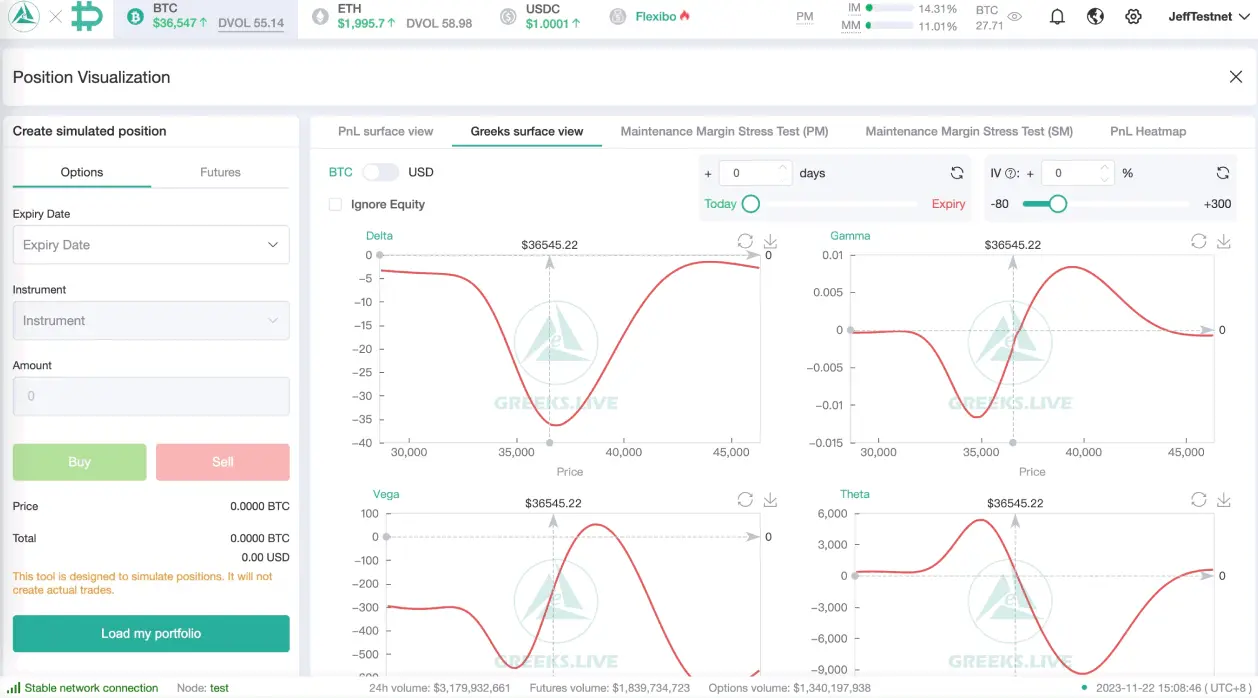
- Monitor position delta, gamma, and theta daily.
- Adjust or roll positions as market conditions evolve.
Precision in options execution translates directly into superior premium capture, maximizing yield through strategic trade placement.

Block Trading and RFQ Execution
Executing larger options trades necessitates a dedicated approach to liquidity. Block trading, particularly through RFQ systems, provides a structured environment for institutional-grade execution. This method bypasses the typical order book, allowing participants to negotiate directly with multiple market makers for a single, consolidated price.
RFQ systems minimize price impact for substantial orders, preserving the integrity of the intended premium capture. The competitive bidding process among liquidity providers ensures the execution price reflects genuine market value. This method secures best execution, a cornerstone of effective yield generation.


Advanced Portfolio Integration
Elevating options premium capture to a strategic portfolio component requires a holistic view, integrating these techniques into broader risk management and alpha-generation frameworks. The aim extends beyond individual trade profitability, focusing on the systemic enhancement of overall portfolio performance. This necessitates a robust understanding of how options interact with other asset classes and market dynamics.

Dynamic Hedging and Portfolio Overlay
Advanced practitioners utilize dynamic hedging strategies, employing options to manage the overall risk profile of a portfolio. Selling options premium creates delta exposure, which requires continuous adjustment to maintain a desired neutral or directional stance. This active management protects capital while harvesting yield.
Options overlay strategies serve to enhance returns on existing asset allocations without disrupting core holdings. Implementing a consistent covered call program on a portion of a long-term crypto portfolio, for instance, generates additional income streams. This augments returns, contributing to superior compounding over time.

Volatility Arbitrage with Premium Capture
Sophisticated traders explore volatility arbitrage opportunities, often integrating premium capture as a component. This involves simultaneously buying and selling volatility through different instruments or maturities, capitalizing on mispricings in the implied volatility surface. The premium collected from one side of the trade offsets the cost of the other, creating a statistical edge.
Such strategies demand advanced quantitative analysis and robust execution capabilities. Identifying divergences in implied volatility between related assets or across different option series requires precise modeling. The integration of RFQ for execution ensures these intricate strategies are deployed with minimal slippage.

Structured Products and Custom Solutions
The evolution of crypto derivatives markets permits the creation of bespoke structured products, tailored to specific risk-reward objectives. These often combine various options strategies to achieve unique payoff profiles, optimizing for premium capture within defined market parameters. Crafting such solutions represents the pinnacle of financial engineering.
Working with professional-grade liquidity providers allows for the development of custom block trades that precisely fit complex portfolio needs. This direct engagement bypasses the limitations of standardized exchange offerings, providing unparalleled flexibility. The ability to command tailored solutions secures a distinct competitive advantage.
A true derivatives strategist views the market as a complex system of interconnected opportunities. Each options premium capture strategy represents a lever within this system, capable of generating predictable outcomes when applied with precision. The continuous refinement of execution methods, combined with an unwavering focus on quantifiable edge, defines the path to sustained market mastery.

Strategic Market Command
Mastering crypto options premium capture elevates one’s market engagement, transforming passive holding into active yield generation. The journey demands a blend of analytical rigor, disciplined execution, and a persistent drive for optimal outcomes. Success stems from recognizing volatility as a resource, harnessing structured trading environments, and continually refining one’s approach. This relentless pursuit of an edge ultimately defines a truly formidable market presence.

Glossary

Implied Volatility

Crypto Options

Premium Capture

Risk Management

Underlying Asset

Covered Calls

Cash-Secured Puts

Options Spreads

Rfq Systems

Block Trading

Dynamic Hedging

Volatility Arbitrage