

Systematic Income Foundations
Skilled traders construct steady income streams in crypto options. This pursuit demands a systematic approach, moving past simple speculation. We focus on methods that command liquidity and refine execution, securing a distinct edge.
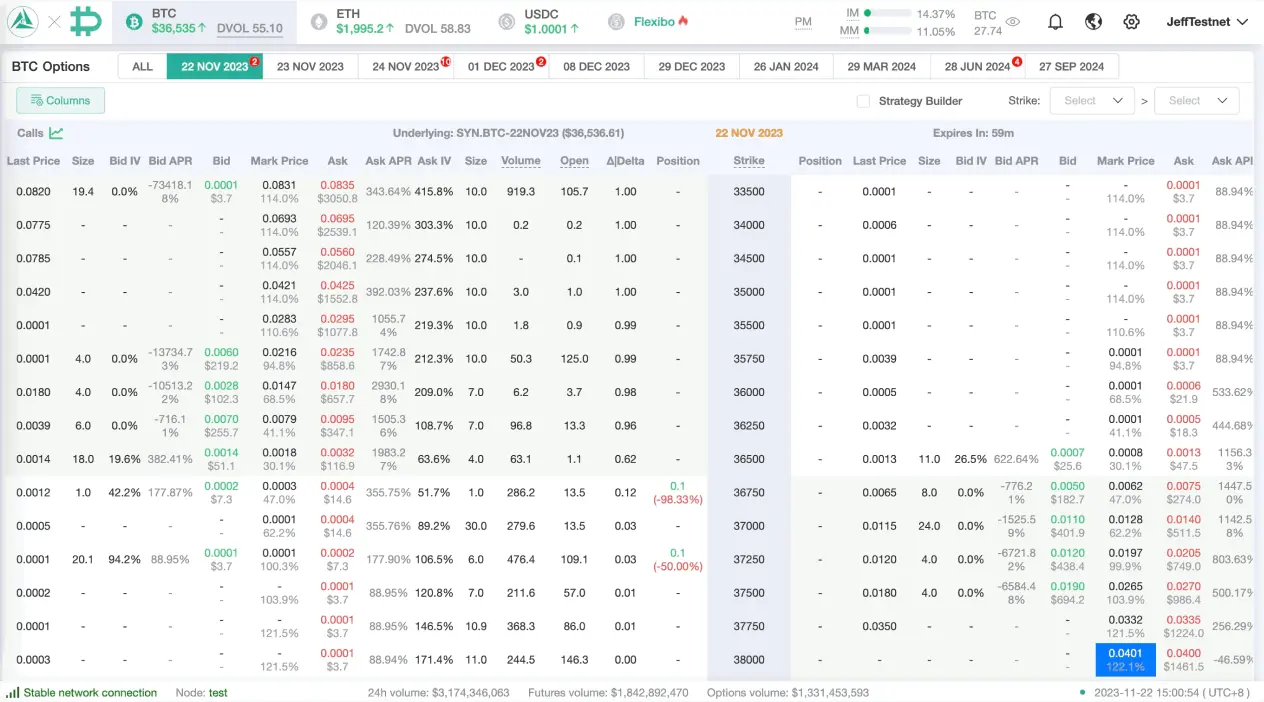
The Request for Quote (RFQ) mechanism holds a primary position. It acts as a sophisticated channel for competitive pricing on substantial options orders. RFQ mechanisms solicit bids and offers from multiple market makers concurrently, ensuring superior pricing for larger block trades. Direct engagement with this mechanism differs from fragmented public order books, where significant size typically moves prices.
A direct quote request on a block trade defines a trader’s price advantage, reducing market friction.
Grasping the microstructure of these direct negotiation channels remains significant. It involves comprehending how liquidity providers assess risk and structure their quotes. This comprehension informs a trader’s order submission for maximum fill rates and minimal execution cost. Such precision transforms options trading from a reactive effort into a proactive capital deployment strategy.
Understanding multi-leg options execution further strengthens this base. Complex spreads, including straddles or collars, require synchronized execution across various strike prices and expiries. RFQ mechanisms streamline this process, consolidating requests for multi-component positions. This unified approach reduces leg risk, a substantial concern when assembling complex trades piece by piece on public exchanges.


Capital Deployment Strategies
Deploying capital for systematic crypto options income requires precise strategic calibration, moving beyond simple directional bets. Engineered exposure becomes the focus, where specific market conditions dictate the options structure. This section details actionable strategies, employing RFQ mechanisms for superior execution.

Covered Call Premium Generation
Generating consistent premium from existing Bitcoin or Ethereum holdings defines a foundational strategy. Writing covered calls against long spot positions monetizes implied volatility, converting dormant assets into a steady income source. RFQ platforms prove indispensable here, aiding the sale of larger call blocks at advantageous prices, reducing bid-ask spread leakage seen on retail platforms.
Strike price and expiry selection remains important. Out-of-the-money calls present higher probabilities of expiration worthless, preserving upside participation while collecting premium. Shorter expiries allow more frequent premium collection, benefiting from accelerated time decay. A systematic rotation, selling calls weekly or bi-weekly, consistently harvests theta.

BTC Straddle Block Trading
Seizing expected volatility, without a directional bias, presents a compelling opportunity. Constructing a BTC straddle involves simultaneously buying a call and a put with the same strike price and expiry. Executing these as a single block trade via RFQ ensures synchronized pricing, averting adverse price movements between legs. This method holds particular potency around significant market events or data releases.
Successful straddle deployment demands rigorous volatility analysis. Implied volatility levels relative to historical volatility supply essential signals. Traders seek situations where implied volatility appears understated, establishing a statistical edge. Entry and exit points assume utmost importance, requiring disciplined adherence to pre-defined profit targets and stop-loss levels.

ETH Collar Income Generation
Protecting downside while generating income constitutes a sophisticated risk management strategy. An ETH collar combines selling an out-of-the-money call, buying an out-of-the-money put, and holding the underlying ETH. The premium received from the call offsets the cost of the put, potentially creating a net credit or significantly reducing hedging expenses.
Executing the multi-leg collar through an RFQ system ensures cohesive pricing across all components. This minimizes slippage and guarantees the desired risk-reward profile for the entire position. The choice of strikes and expiries calibrates the downside protection and upside participation, aligning the strategy with specific portfolio objectives and market outlooks.

Optimizing Execution Metrics
Achieving superior outcomes requires meticulous attention to execution metrics. Analyzing fill rates, average execution price, and realized slippage provides critical feedback for honing RFQ submission strategies. Constant evaluation of these parameters informs subsequent trading decisions, driving continuous improvement.
Transaction cost analysis (TCA) delivers a core analytical instrument. Comparing executed prices against theoretical fair values or mid-market benchmarks uncovers hidden costs and highlights areas for execution enhancement. This systematic review transforms every trade into a data point for future optimization, honing the trader’s command over market liquidity.
Discipline. This is non-negotiable.
- RFQ Bid-Offer Spread Reduction ▴ Direct negotiation with multiple market makers often tightens spreads compared to public order books.
- Multi-Leg Atomic Execution ▴ Simultaneous execution of all options legs within a single RFQ averts leg risk.
- Volume Price Improvement ▴ Larger block sizes attract more aggressive pricing from liquidity providers.
- Anonymous Trading ▴ Many RFQ systems grant anonymity, preventing market front-running or signaling of large positions.
- Customizable Terms ▴ Traders specify expiry, strike, and size, shaping the quote request precisely to their needs.


Advanced Portfolio Integration
Commanding systematic crypto options income extends beyond individual trades, encompassing a comprehensive portfolio integration. This involves viewing options as dynamic components within a broader capital allocation scheme, optimizing for sustained alpha generation and risk mitigation. True mastery emerges from a strategic synthesis of various income streams.

Volatility Surface Arbitrage
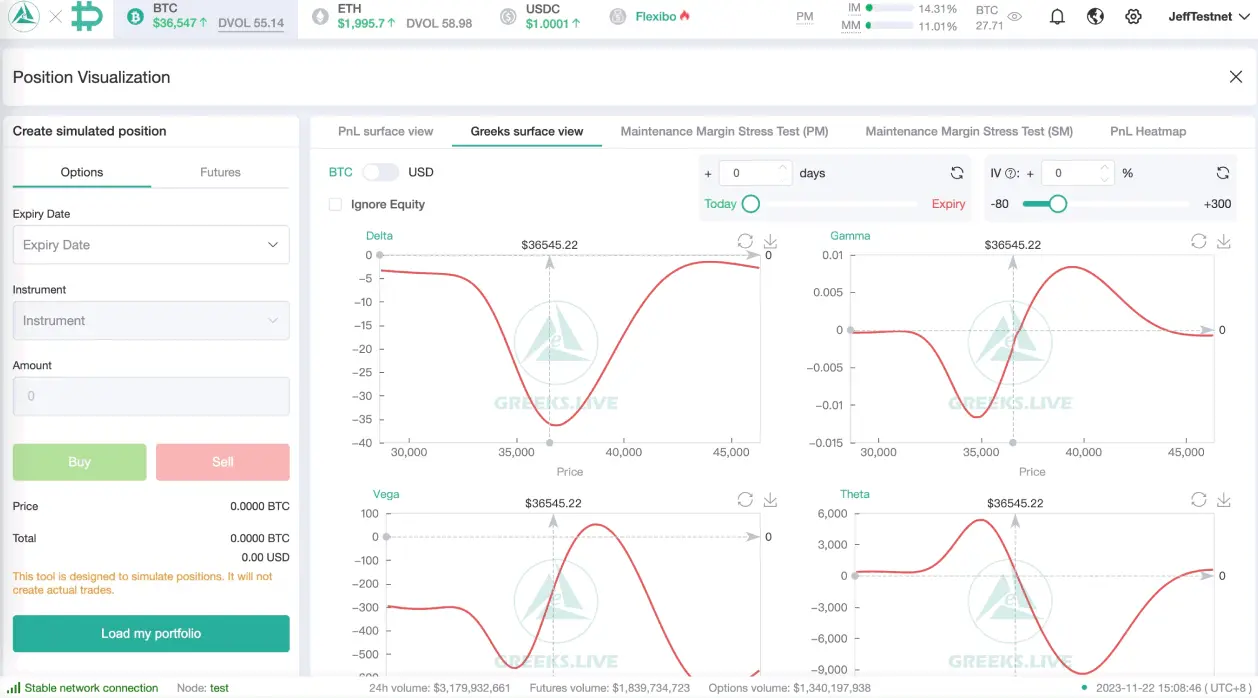
Sophisticated traders leverage discrepancies across the volatility surface, a three-dimensional plot of implied volatility against strike price and time to expiry. Pinpointing mispriced options, whether under- or overvalued, enables targeted arbitrage strategies. These often involve complex multi-leg trades executed via RFQ to capture subtle pricing inefficiencies with minimal market impact.
The practical application of volatility surface arbitrage demands robust quantitative models. These models compare current market implied volatilities against theoretical values derived from advanced pricing equations, such as Black-Scholes or its extensions for crypto assets. The identification of actionable discrepancies represents a continuous analytical challenge, separating elite practitioners from the rest.

Dynamic Hedging Mechanics
Maintaining a delta-neutral or gamma-hedged position across a portfolio of options requires dynamic adjustments. As underlying asset prices move, or time decays, the delta and gamma of options positions change, necessitating rebalancing trades. Executing these hedges efficiently, particularly for large blocks, significantly impacts overall portfolio profitability.
RFQ mechanisms play a central role in dynamic hedging. They support rapid, competitive pricing for the underlying spot asset or for offsetting options positions required to rebalance exposure. This proactive risk management minimizes slippage during rebalancing, preserving the integrity of the desired hedge. My experience shows that disciplined rebalancing directly correlates with sustained performance.

Cross-Asset Volatility Spreads
The correlation and relative volatility between different crypto assets present opportunities for cross-asset options spreads. For example, a trader might sell ETH volatility and buy BTC volatility, capitalizing on perceived divergences in their implied movements. Such strategies demand a deep understanding of inter-asset dynamics and precise execution.
Constructing these intricate cross-asset trades through an RFQ system ensures all legs receive optimal pricing simultaneously. This prevents execution risk arising from disparate liquidity conditions across different asset pairs. The analytical complexity here centers on forecasting relative volatility movements, a continuous intellectual grappling that defines the pursuit of true market edge. We must always question the assumptions underlying our models, acknowledging that no single equation fully captures market irrationality.
One must consistently evaluate the underlying drivers of market sentiment. This means examining on-chain data, funding rates, and macroeconomic shifts to anticipate volatility shifts. A brief, sharp focus on these signals brings superior positioning.

Commanding the Digital Dominion
The pursuit of systematic crypto options income marks an ascent to a higher echelon of trading mastery. It shifts the paradigm from reacting to market currents towards actively shaping outcomes. Traders embracing these advanced mechanisms forge their financial destiny with precision and calculated intent.
We observe a profound evolution in digital asset markets. The tools and strategies available today grant a level of control and efficiency previously unattainable. The true measure of a strategist lies in their ability to synthesize complex market dynamics with superior execution channels, translating theoretical advantage into tangible wealth creation.

Glossary

Crypto Options

Leg Risk

Systematic Crypto Options Income

Implied Volatility

Btc Straddle

Eth Collar

Transaction Cost Analysis

Volatility Surface