


The System for Commanding Price
In the world of professional options trading, outcomes are defined by the quality of execution. The public market, with its visible bid-ask spreads and fluctuating depth, represents only one layer of available liquidity. A deeper, more substantial pool of liquidity exists off-screen, accessible only to those with the correct tools. The Request for Quote (RFQ) system is the definitive mechanism for tapping into this institutional liquidity.
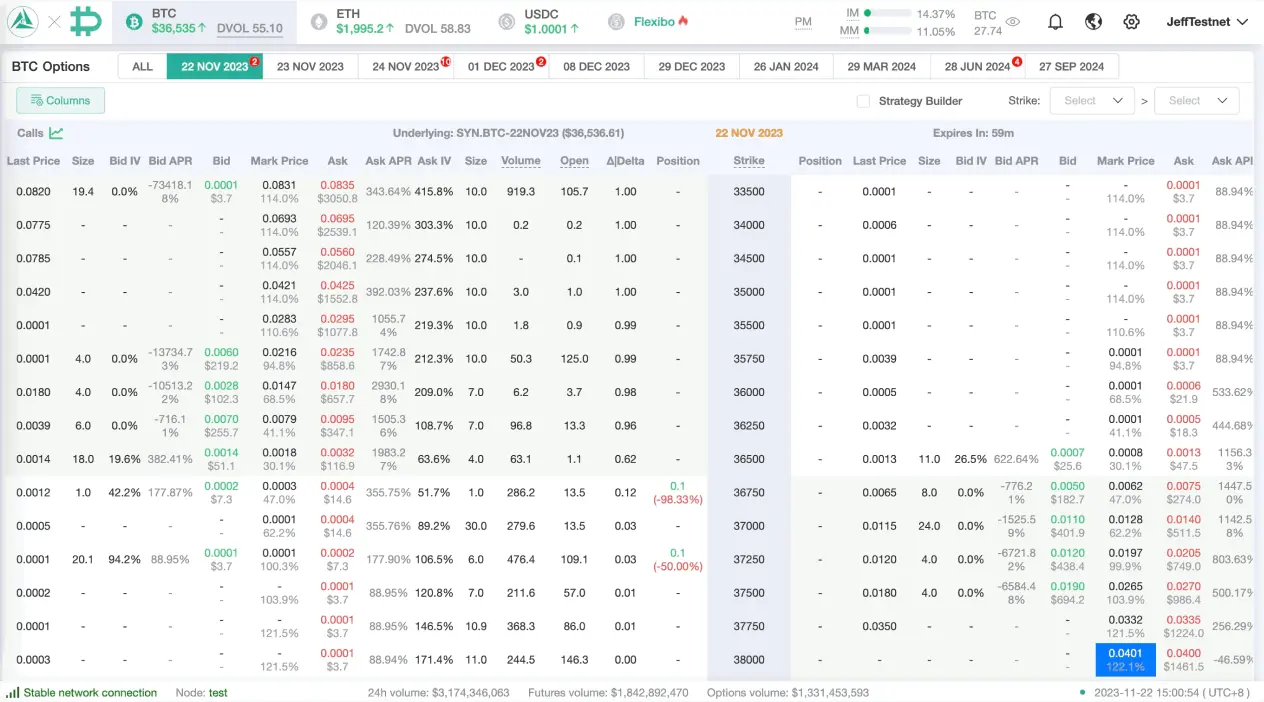
It operates as a private, competitive auction designed to source superior pricing for specific, often large or complex, options trades. An RFQ is an electronic message a trader sends to a select group of market makers and liquidity providers, detailing a specific options structure they wish to trade. This action creates a unique, tradable instrument on a platform like CME Globex, prompting these professional counterparties to respond with their best bid and offer.
This process directly addresses the challenge of liquidity fragmentation. In the options market, liquidity is not centralized. It is spread across numerous exchanges and private liquidity pools, making it difficult to ascertain the true market price for a large block or a multi-leg strategy through the public order book alone. An RFQ consolidates this fragmented interest.
By broadcasting a request, a trader compels market makers to compete for the order, bringing the full weight of their balance sheets to bear on a single transaction. This competitive dynamic is the engine of price improvement. The trader receives firm, executable quotes from multiple sources simultaneously, allowing them to transact at a single, confirmed price.
The system’s design provides the anonymity crucial for executing significant positions. When a large order is worked through the public market, it can signal the trader’s intentions, causing adverse price movement, an effect known as market impact. The RFQ process occurs away from the public eye, shielding the order from the broader market and preserving the integrity of the trader’s strategy.
This combination of direct access to deep liquidity, competitive pricing, and confidentiality forms the foundation of a more professional and precise method of execution. It is a shift from passively accepting the displayed price to actively commanding a better one.
Understanding this mechanism is the first step toward operating on a higher level. The structure of the options market itself, which is inherently more complex than equity markets, contains these hidden pathways to efficiency. Market microstructure, the study of how trades are executed and prices are formed, reveals that mechanisms like RFQ are integral components of the market’s architecture, designed for participants who require precision and size. They allow for the execution of complex, multi-leg strategies as a single transaction, which eliminates the execution risk associated with trying to piece together each leg of a trade separately in the open market.
This “leg risk” is a material concern for any strategist dealing in spreads, collars, or other multi-component structures. Securing a single price for the entire package is a significant operational advantage. The RFQ method is the tool that makes this possible, transforming complex strategic ideas into cleanly executed positions.


Calibrated Execution for Strategic Alpha
Deploying the RFQ system is a direct application of strategic intelligence to the act of trading. Its value is most tangible when applied to specific, well-defined trading objectives where price precision and minimal market impact are paramount. This is where theoretical knowledge translates into a quantifiable edge, measured in tighter spreads, reduced slippage, and superior net execution prices.
The process is a disciplined one, moving the trader from a position of reacting to market quotes to orchestrating a competitive pricing event. This section details the practical frameworks for applying this method to achieve distinct trading outcomes.

Sourcing Superior Entry and Exit Points
The most direct application of the RFQ method is in the execution of large options positions, known as block trades. For both single-leg and multi-leg structures, the system offers a clear path to price improvement and certainty of execution.

Executing Large Single-Leg Positions
When a portfolio manager decides to hedge a large equity holding by purchasing a substantial block of put options, executing that trade on the public market can be inefficient. Breaking the order into smaller pieces risks signaling the defensive posture to the market, potentially driving up the price of the puts before the full position is acquired. Initiating a single RFQ for the entire block of puts presents the entire trade to multiple market makers at once. These institutions can price the entire block as a single unit, taking into account their own inventory and risk models.
The result for the trader is a firm, executable price for the full size of the order, often at a level superior to the National Best Bid or Offer (NBBO) displayed on screen for smaller sizes. This process effectively bypasses the thin liquidity of the public order book, accessing the deeper liquidity held by professional trading firms.

Pricing Complex Multi-Leg Structures
The true power of the RFQ system becomes apparent when executing complex options strategies. Consider a trader implementing a “collar” strategy, which involves selling a call option and buying a put option against a stock position. Attempting to execute both legs separately on the open market introduces leg risk; the market price of one leg could move adversely while the trader is trying to execute the other. An RFQ solves this entirely.
The trader defines the collar as a single, user-defined spread and submits it for a quote. Market makers then respond with a single net price for the entire package. This guarantees the spread’s price and eliminates the risk of a poor fill on one side of the trade destroying the profitability of the entire structure. The same principle applies to bull call spreads, calendar spreads, and any other multi-component options strategy. The ability to price these complex structures as a single instrument is a core function of institutional-grade trading.
Institutional analysis indicates that a majority of all executed options are traded as spreads initiated via RFQ, highlighting its role as the primary mechanism for professional strategy implementation.

A Framework for Active Price Discovery
Engaging the RFQ system is a structured process. It is a deliberate sequence of actions designed to produce a specific outcome ▴ a competitively sourced, firm price for a defined trade. Mastering this workflow is essential for any strategist looking to incorporate this tool into their regular activity.
- Define the Exact Trade Structure. Your first action is to build the precise options strategy within your trading platform. This includes specifying the underlying asset, the expiration dates, the strike prices, and the quantity for each leg of the trade. For a multi-leg spread, this is constructed as a single instrument. Clarity at this stage is critical, as this definition forms the basis of the request sent to liquidity providers.
- Initiate the Anonymous Request for Quote. With the trade structure defined, you submit the RFQ to the marketplace. This sends an electronic notification to all participating market makers and liquidity providers, alerting them to an interest in that specific instrument. Your identity as the requester remains anonymous throughout this process, protecting your strategic intentions from the broader market. You are not obligated to reveal whether you are a buyer or a seller.
- Analyze the Competing Bids in Real-Time. Once the request is sent, liquidity providers respond with their own two-sided, bid-ask quotes for your specific instrument. These quotes appear in your trading platform, allowing you to see the competitive landscape for your trade in real time. You can observe the prices and sizes being offered by multiple professional counterparties, giving you a clear, actionable view of the true market for your specific trade.
- Execute at the Chosen Price Point. The responding markets are live and tradable. You now have the power of choice. You can execute immediately by hitting a bid or lifting an offer from the provider that gives you the best price. You can also post your own price within the spread, or you can simply let the quotes expire if none meet your objective. The execution is a single event, transacting the entire, often complex, position at one price, with one counterparty.
This methodical approach transforms the trader from a price taker into a liquidity aggregator. You are no longer searching for liquidity; you are commanding it to come to you on your specified terms. This is the operational discipline that underpins professional execution. It is a system built on precision, anonymity, and competitive dynamics, designed to give the serious strategist a material advantage in the marketplace.


The Institutional Edge Compounded
Mastering the RFQ method is more than an execution tactic; it is the adoption of an institutional-grade operational model. The consistent application of this system across a portfolio compounds its benefits over time, leading to a structural reduction in transaction costs and a more precise implementation of strategic views. This elevated approach moves beyond single-trade optimization to influence the overall architecture of a sophisticated investment portfolio. It is about integrating a professional process so deeply that it becomes an inherent source of alpha.

Systematic Risk Management Overlays
For asset managers and serious individual investors, managing portfolio-level risk is a constant requirement. The RFQ system is an exceptionally efficient tool for applying risk-mitigating overlays. Imagine a portfolio with significant exposure to a particular sector. A manager may decide to implement a portfolio-wide hedge by purchasing put options on a relevant sector ETF.
Executing this large, defensive trade requires precision and discretion. Using an RFQ, the manager can source competitive quotes for the entire block of puts from multiple liquidity providers simultaneously. This ensures the hedge is applied at a favorable price without telegraphing the defensive strategy to the public market, which could cause others to trade against the position. This same methodology can be used to systematically roll hedging positions forward, creating a consistent and cost-effective risk management framework that operates with institutional efficiency.

Accessing Undisclosed Liquidity Pools
A significant portion of the market’s true liquidity is never displayed on public order books. This “hidden liquidity” resides with market makers, hedge funds, and other large institutions who are willing to take on large positions but do not want to publicly display their interest. The RFQ is the primary bridge to this off-market liquidity. When you send a request, you are directly polling these major participants, inviting them into a private negotiation.
They may have an offsetting position in their own inventory or a specific view on volatility that makes them a natural counterparty for your trade. This access is a structural advantage. It means you are consistently tapping into a deeper, more robust source of liquidity than is available to the average market participant, leading to better fills and the ability to execute size that would be impossible to transact on a lit exchange without significant market impact.
Research into market microstructure confirms that a primary concern for institutional investors is the market impact of their orders, making off-market mechanisms essential for executing large trades effectively.

Engineering Custom Yield Strategies
Advanced options strategists are constantly seeking ways to generate income from existing holdings. Complex strategies like customized buy-writes or multi-leg yield-generating spreads can be difficult to price and execute efficiently. The RFQ system allows a strategist to design a custom options structure tailored to their specific yield target and risk tolerance. For example, a trader could construct a complex, four-leg options position on a commodity to capture a specific seasonal tendency.
By submitting this structure as a single RFQ, they can get a firm, net price from specialized commodity market makers. This transforms a complex, theoretical trade idea into a single, executable instrument. It opens a new field of opportunity for strategists to engineer and implement highly specific, income-generating positions that would be impractical to execute otherwise. This is the essence of financial engineering at a practical level, made possible by a professional execution tool.

Your Market Redefined
The journey from standard execution to a professional pricing methodology reshapes your entire interaction with the market. It is a fundamental shift in perspective. The market ceases to be a place where you simply find a price; it becomes a system from which you source a price. The tools and techniques of institutional traders are not defined by complexity for its own sake, but by a relentless drive for precision, efficiency, and control.
By integrating this method, you are not merely learning a new trick; you are adopting the operating logic of the market’s most sophisticated participants. Your strategies are no longer constrained by the liquidity you can see on a screen. Your confidence is no longer tied to the hope of a good fill. The process itself becomes a source of strength, providing a clear, repeatable, and superior pathway from idea to execution. This is the foundation upon which a lasting strategic edge is built.

Glossary

Request for Quote

Public Market

Liquidity Providers

Market Makers

Price Improvement

Market Impact

Market Microstructure

Leg Risk

Rfq System

Slippage