


The System of Atomic Execution
Executing complex options positions requires a fundamental shift in perspective. The practice of “legging in” ▴ executing each component of a spread or combination sequentially ▴ introduces uncontrolled variables. Price fluctuations between individual fills create slippage, an unpredictable execution cost that directly erodes the profitability of a strategy before it even begins. This exposure, known as leg risk, represents a structural flaw in the execution process.
An unbalanced position is created when one leg of a trade is filled while another is not, exposing the trader to directional market movements that the original strategy was designed to neutralize. The professional approach is to treat a multi-leg options strategy as a single, indivisible unit. This is achieved through a Request for Quote (RFQ) system, a mechanism designed for the simultaneous execution of all parts of a trade at a single, negotiated price.
The RFQ process operates as a private, competitive auction. A trader anonymously broadcasts a complex order to a pool of liquidity providers. These market makers then compete to offer the best price for the entire package. This method transforms the execution process from a sequence of uncertain public market interactions into a single, private, and atomic transaction.
Atomic execution, the guaranteed simultaneous fulfillment of all trade components, is the core principle. It ensures the intended structure of the trade ▴ be it a straddle, collar, or iron condor ▴ is established precisely as designed, with the calculated risk and reward profile intact. The system allows traders to transfer the risk of execution to market makers, who are better equipped to manage the intricacies of filling multiple orders across different strikes and expirations. This results in a superior price and a higher probability of a successful fill, as market makers are more willing to price complex orders aggressively when they can hedge all components at once.
Multi-leg orders ensure that both legs get filled at a single price and guarantees execution on both sides, thus eliminating an unbalanced position.
This method is the institutional standard for managing large or complex derivatives trades. It mitigates the market impact that large orders can cause when placed on a public order book, preventing the price from moving against the trader as the order is filled. The anonymity of the RFQ process is a critical feature, shielding the trader’s intentions from the broader market and preventing other participants from trading against the position.
By centralizing liquidity discovery and execution into a single event, the RFQ system provides a controlled environment for achieving best execution, a legal and ethical mandate requiring brokers to secure the most favorable terms for their clients. The key factors of best execution ▴ price, speed, and likelihood of execution ▴ are all systematically addressed through this professional-grade process.


The Operator’s Guide to Engineered Outcomes
Adopting an RFQ methodology is about asserting control over the terms of engagement with the market. It is a transition from passively accepting market prices to actively soliciting competitive bids for your precise strategic structure. This section details the practical application of RFQ for specific options strategies, transforming theoretical structures into executable, risk-defined assets. The focus is on the engineering of the trade, ensuring the P&L profile you design is the one you get.

Zero-Slippage Volatility Spreads
Strategies like straddles and strangles are pure volatility plays, yet their effectiveness is frequently compromised by poor execution. Legging into a straddle, for example, by buying a call and then a put, exposes the trader to directional movement. A slight uptick in the underlying asset’s price after the call is purchased will make the put option cheaper, altering the delta-neutral stance of the position. An RFQ for a straddle eliminates this entirely.
The entire position is priced as a single unit by multiple dealers, ensuring the price paid reflects the true implied volatility at a single moment in time. The process guarantees a delta-neutral entry, preserving the integrity of the volatility bet.

The Straddle RFQ Process
The procedure is direct and efficient. A trader specifies the underlying asset (e.g. ETH), the expiration date, and the at-the-money strike for both the call and the put. This package is submitted to the RFQ platform.
Multiple market makers respond with a single price for the entire straddle. The trader selects the most competitive bid, and the trade is executed instantly and atomically. There is no partial fill and no price slippage between the legs. The trader has successfully acquired a volatility position with a precisely defined cost basis.

Constructing Financial Firewalls with Collars
A protective collar, the combination of holding an asset, selling a call against it, and buying a put, is a foundational risk management strategy. It sets a clear floor and ceiling for the asset’s value. Executing this three-legged position in the open market is fraught with peril. The underlying asset price can move while you are attempting to fill the options legs, invalidating the protective levels you intended to set.
An RFQ for a collar on a block of assets like BTC or ETH allows a portfolio manager to execute the entire hedge in one transaction. This is particularly valuable in the crypto markets, where volatility can render manual execution attempts futile. The RFQ ensures the protective structure is locked in at a guaranteed net cost or credit.
Block trades reduce slippage and minimize impact on the market price since the transaction is negotiated away from the order book.
The ability to trade multi-leg positions as a single block is a significant advantage for institutional participants. It allows for the efficient management of large positions without causing market disruption. For example, a fund needing to collar a large holding of ETH can use an RFQ to solicit bids from specialized crypto derivatives desks. This privately negotiated transaction avoids signaling the fund’s hedging activity to the public market, preserving its strategic advantage.

Capital Efficiency in Complex Spreads
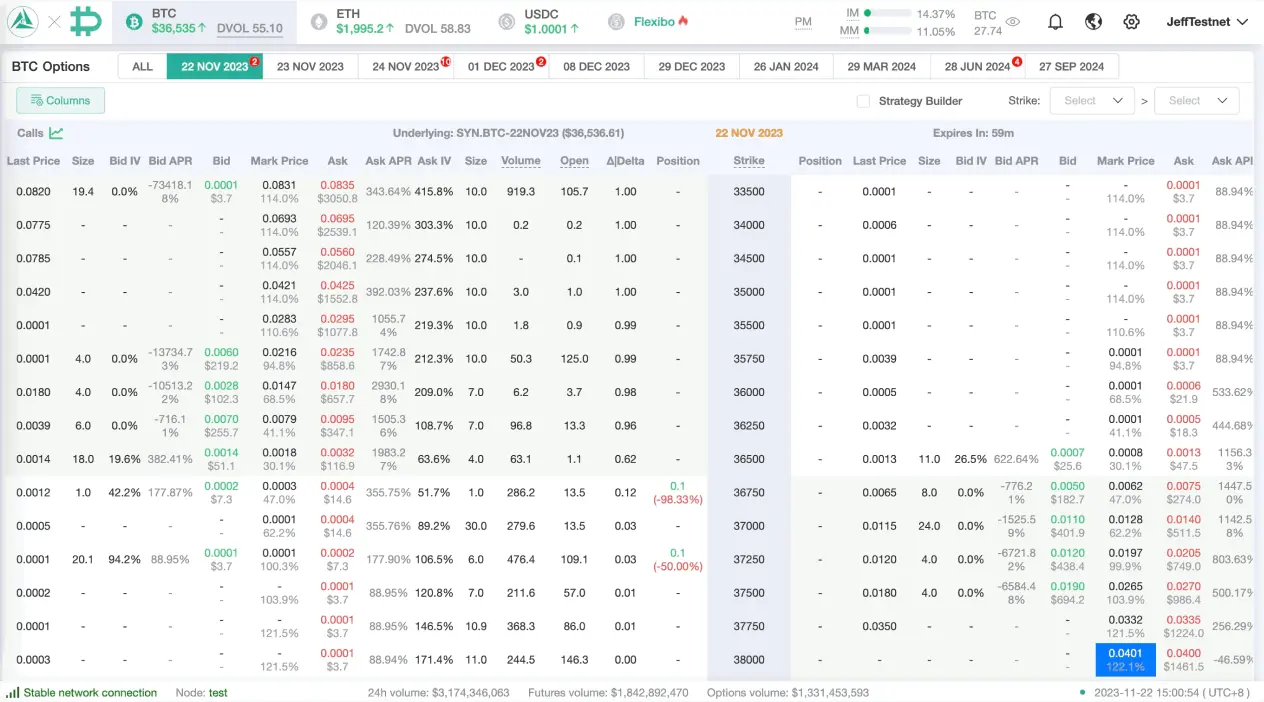
Complex strategies like iron condors or butterflies involve four separate options legs. The probability of achieving a fair price on all four legs through manual execution is exceedingly low. The transaction costs and potential for slippage can consume a significant portion of the strategy’s expected profit.
The RFQ system is built for this level of complexity. It allows for the bundling of all four legs into a single, tradable product.
This approach offers substantial benefits:
- Reduced Transaction Costs Many platforms offer lower commission fees for multi-leg trades executed as a single package compared to the cost of four individual trades.
- Guaranteed Fills The atomic nature of the RFQ execution ensures that all four legs of the condor are filled simultaneously. This eliminates the risk of being left with a partially complete, and potentially high-risk, position.
- Price Improvement Market makers competing for the order will often provide a better net price for the entire spread than the sum of the individual leg prices available on the public market. They can price the net risk of the entire position more efficiently.
By using an RFQ, a trader can define the exact credit they wish to receive for selling an iron condor. The competitive auction process among liquidity providers then determines if that price is achievable. The trader maintains complete control over the execution, entering the position only when their desired risk-reward parameters are met.


The Strategic Integration of Liquidity Command
Mastery of the RFQ system extends beyond the execution of individual trades. It becomes a central component of a sophisticated portfolio management and risk control system. Integrating this tool allows a trader or fund to operate with a level of precision and efficiency that is inaccessible through public markets alone. The focus shifts from simply executing trades to strategically sourcing liquidity on demand, shaping the very terms of market engagement.

Systematic Hedging and Portfolio Rebalancing
For any entity managing a substantial portfolio, periodic rebalancing and hedging are operational necessities. These actions, when conducted on open exchanges, can signal strategic shifts and create adverse price movements. A portfolio manager needing to adjust a large, multi-faceted options position can use the RFQ system to solicit bids for the entire block. This might involve simultaneously rolling a set of expiring calls, closing out a put spread, and initiating a new protective collar.
An RFQ can package this entire complex rebalancing operation into a single transaction. This programmatic approach to portfolio management minimizes market friction and ensures that strategic adjustments are implemented with precision. The ability to negotiate these trades privately with institutional counterparties is a distinct operational advantage.

Advanced Applications in Volatility Trading
Sophisticated volatility arbitrage strategies often depend on capturing small pricing discrepancies between different options or between options and the underlying asset. These strategies are highly sensitive to execution costs and latency. An RFQ system can be integrated into an algorithmic framework, allowing a trading system to automatically solicit quotes for complex volatility structures when specific market conditions are met. This allows a quantitative fund to systematically capitalize on fleeting opportunities in the volatility surface.
For example, a system could be designed to automatically request quotes for a box spread when it detects a risk-free arbitrage opportunity, or for a diagonal spread when it identifies a favorable skew in the term structure of volatility. This represents the industrialization of advanced options trading, moving from manual execution to a systematic, machine-driven process.

Accessing Deeper Liquidity Pools
The visible liquidity on a central limit order book represents only a fraction of the total liquidity available in a market. A significant amount of liquidity resides with market makers and institutional trading desks, accessible only through direct negotiation. The RFQ system is the gateway to this off-exchange liquidity. For large block trades, this is the only viable method of execution.
Attempting to sell a large block of options on the public market would saturate the order book, leading to catastrophic slippage. The RFQ allows a seller to privately find a buyer for the entire block at a single, negotiated price. This principle of tapping into deep, off-book liquidity is central to the functioning of modern financial markets, and the RFQ is the primary tool for this purpose.
This approach fundamentally changes the relationship between the trader and the market. The trader is no longer a price taker, subject to the whims of the public order book. They become a price initiator, commanding liquidity on their own terms.
This shift in posture, from reactive to proactive, is the defining characteristic of a professional trading operation. The mastery of this process provides a durable, structural edge in the management of risk and the generation of alpha.

The Execution Alpha Imperative
The quality of your execution is a direct and measurable component of your performance. It is an alpha source that is entirely within your control. The systems and methods used to enter and exit positions are as critical as the strategies themselves. Moving to a framework of atomic, RFQ-based execution is a deliberate decision to eliminate uncompensated risk from your process.
It is the understanding that in the world of professional derivatives trading, precision is not a luxury; it is the entire game. The market will present opportunities. Your ability to capture them cleanly, without friction or slippage, will define your long-term success. This is the new baseline for strategic engagement.

Glossary

Leg Risk

Market Makers

Public Market

Atomic Execution

Iron Condor

Order Book

Best Execution

Rfq System

Protective Collar

Crypto Derivatives