


The Mandate for Precision Execution
Executing substantial positions in the digital asset space demands a mechanism built for strategic price discovery. The Request for Quote (RFQ) system provides a direct conduit to deep, competitive liquidity pools, enabling traders to privately negotiate prices for large or complex trades. This process operates outside the continuous public order book, connecting a trader directly with a network of designated market makers. By soliciting bids or offers from multiple liquidity providers simultaneously, a trader establishes a competitive auction for their order.
The result is a system engineered to secure favorable pricing and minimize the market impact inherent to executing significant volume on a central limit order book (CLOB). It is a foundational tool for any serious market participant.
The structural advantage of an RFQ system lies in its capacity to mitigate information leakage and the associated costs of slippage. When a large order is placed on a public exchange, it signals intent to the entire market, often causing adverse price movements before the order is fully filled. This phenomenon, known as market impact, directly erodes profitability. An RFQ transaction, conversely, contains the disclosure of trade intent to a select group of competing market makers.
This managed process prevents broadcasting the position to the broader market, preserving the integrity of the price discovery process. This controlled environment is particularly vital for derivatives, where the pricing of multi-leg option strategies requires nuanced and simultaneous execution ▴ a task ill-suited for the public feed.
Understanding the RFQ mechanism is the first step toward institutional-grade trade management. It represents a shift from passive order placement to proactive liquidity sourcing. The system’s utility is most pronounced in markets characterized by fragmentation or for instruments that are inherently less liquid. For professional traders, whose performance is measured by their ability to consistently achieve or improve upon desired entry and exit points, the RFQ system is an indispensable component of their operational toolkit.
It provides a framework for demonstrating best execution, a principle that requires fiduciaries to take all sufficient steps to obtain the best possible result for their clients. This disciplined approach transforms the act of trading from a speculative action into a calculated, strategic operation designed for capital efficiency and superior outcomes.


A Framework for Capital Efficiency
Deploying capital with precision is the defining activity of a successful trader. The RFQ system is the operational vehicle for this deployment, offering distinct pathways to secure advantageous pricing across a range of strategic positions. Its application moves beyond simple execution to become a core component of strategy implementation, particularly in the options and block trading arenas.
Mastering its use is synonymous with elevating one’s trading posture from reactive to commanding. The methodologies that follow are not theoretical; they are practical, repeatable frameworks for enhancing returns through superior execution.

Sourcing Block Liquidity with Discretion
Executing a large-scale directional bet in a single asset, such as a significant Bitcoin or Ethereum position, presents a classic execution challenge. A primary objective is to acquire or offload the position without signaling the move to the wider market, which could trigger front-running or adverse price shifts. The RFQ process is engineered for this exact scenario. It allows a trader to solicit competitive quotes for a large block of assets from a curated set of institutional liquidity providers.
This private negotiation ensures the order’s footprint on the public market is minimized, preserving the entry or exit price. A trader can negotiate the terms directly, ensuring the final transaction aligns with their strategic cost basis objectives. This is a deliberate action to command liquidity on specific terms.

The Execution Protocol for Block Trades
A disciplined approach to RFQ block trading follows a clear sequence. The process begins with the definition of the order’s parameters, including the total size and any specific timing considerations. Next, the trader selects a list of market makers from their RFQ network, chosen for their reliability and competitiveness in the specific asset. The request is then broadcast to this select group, initiating a timed auction.
Each market maker responds with their firm bid or offer. The trader can then assess the quotes and execute with the provider offering the most favorable price. This entire process, from request to fill, can occur within seconds, providing swift and efficient execution while shielding the order from public view. The result is a transaction that reflects a fair market price, secured without the cost of market impact.
An electronic RFQ platform can aggregate liquidity and actionable pricing from multiple ETF dealers, and provide an audit trail with a full record of interactions overlaid on relevant ETF benchmarks.

Pricing Complex Derivatives Structures
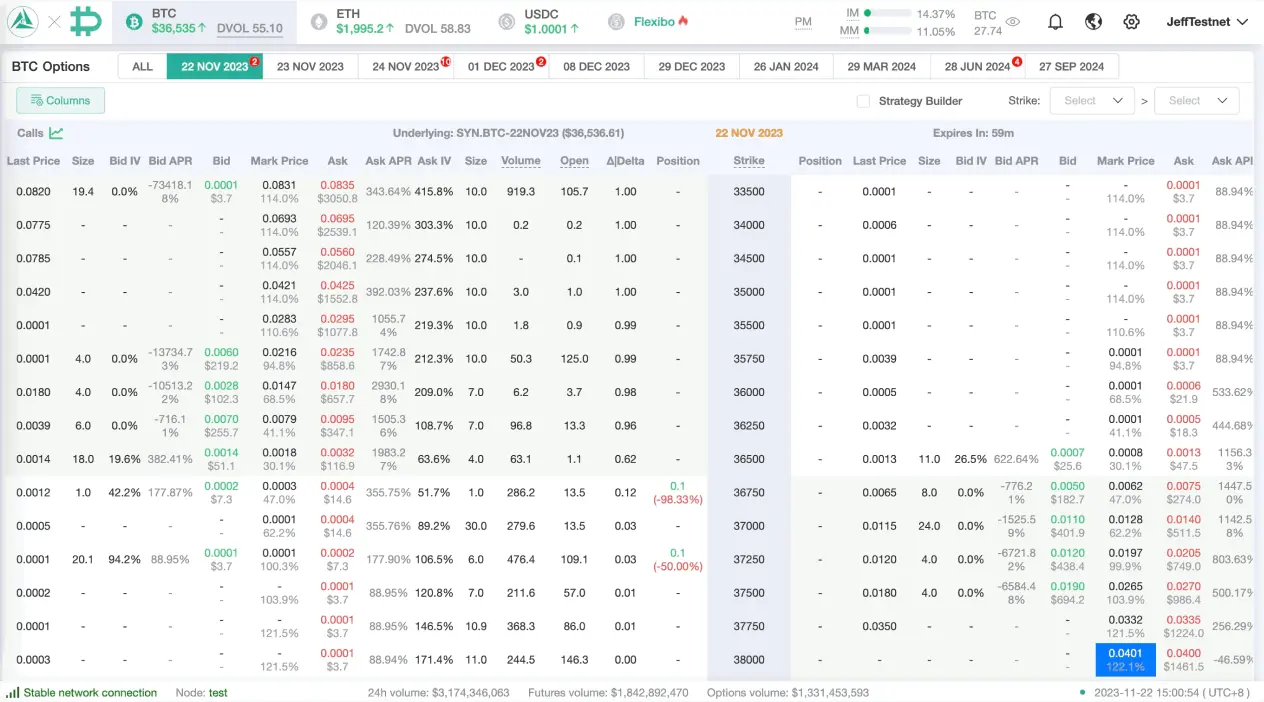
The true power of the RFQ system becomes apparent when executing multi-leg options strategies. Structures like collars, straddles, or complex spreads involve simultaneous transactions in multiple different contracts. Attempting to “leg” into such a position on a public order book ▴ executing each part of the trade sequentially ▴ introduces significant risk.
The price of one leg can move adversely while the trader is attempting to fill another, resulting in a suboptimal or even unprofitable entry for the entire position. This execution risk, known as slippage, can undermine the strategy’s intended risk-reward profile.
An RFQ system for options allows a trader to package the entire multi-leg strategy as a single, indivisible transaction. The request is sent to specialized derivatives market makers who are equipped to price the complex structure as a whole. They compete to offer the best net price for the entire package, factoring in the correlations and volatility surfaces across all legs. This holistic pricing eliminates legging risk and ensures the strategy is established at a single, known cost basis.
It is the professional standard for deploying sophisticated options strategies, transforming a high-risk manual process into a single, efficient, and precise transaction. A trader can confidently execute a delta-neutral volatility trade or a precisely calibrated risk-reversal, knowing the entry price is locked and the strategic intent is preserved.

A Comparative Analysis of Execution Methods
The distinction between RFQ and CLOB execution for complex derivatives is critical. A trader seeking to establish a protective collar on a substantial ETH holding (buying a put option and selling a call option against the position) faces a clear choice. The disciplined methodology inherent in the RFQ process provides a clear advantage. It is a system built for certainty in complex scenarios.
- Central Limit Order Book (CLOB) Execution: The trader would first place an order for the protective put. During the time it takes for that order to fill, the price of the corresponding call option could change. The trader might secure a good price on the put but a poor price on the call, altering the net cost of the collar. The entire process is exposed to market volatility and the prying eyes of other participants looking to capitalize on the order flow.
- Request for Quote (RFQ) Execution: The trader defines the entire collar structure ▴ the underlying asset, the strike prices, and the expiration dates ▴ as a single package. This package is sent to multiple specialist market makers. They respond with a single price for the entire structure. The trader accepts the best quote, and both legs are executed simultaneously at a guaranteed net price. The transaction is private, swift, and precise, eliminating execution risk.
This methodical approach provides the control necessary for advanced portfolio management. It allows for the systematic implementation of hedging and yield-generation strategies at scale, with predictable costs and outcomes. The capacity to secure firm, competitive quotes for bespoke derivatives structures is a significant operational edge.


The Systemic Integration of Execution Alpha
Mastering the RFQ mechanism is the gateway to a more sophisticated operational posture. The focus expands from executing individual trades to designing a holistic system that consistently generates execution alpha ▴ the value added by skillful trading. This involves integrating RFQ capabilities into a broader portfolio management framework, where execution strategy is as important as investment selection.
It is about building a durable, all-weather trading operation engineered for long-term performance. The principles of discretion, competitive pricing, and risk mitigation become the bedrock of the entire investment process.
At this level, the trader views liquidity sourcing as a dynamic, strategic challenge. The digital asset market is a fragmented landscape of exchanges, OTC desks, and dark pools. A robust trading system uses RFQ as a primary tool to intelligently navigate this environment. Advanced platforms can integrate algorithmic strategies with RFQ systems.
For instance, a large institutional order can be partially worked on a public exchange via a TWAP (Time-Weighted Average Price) algorithm, while simultaneously using RFQs to source block liquidity for the remainder of the position. This hybrid approach optimizes for both minimal market impact and access to the deepest liquidity pools. The decision of when and how to use RFQ is itself a source of alpha. This is not a static process. It is an ongoing optimization based on market conditions, asset liquidity, and strategic urgency.

Risk Management and Counterparty Diligence
A mature trading operation recognizes that execution is intrinsically linked to risk management. Utilizing an RFQ system involves building relationships with a select group of liquidity providers. The process of curating and monitoring this network is a critical function. A professional trader conducts rigorous due diligence on all potential counterparties, assessing their creditworthiness, operational security, and pricing consistency.
The goal is to build a resilient network of trusted partners, mitigating the counterparty risk inherent in any off-exchange transaction. Effective risk management extends to information security. While RFQs limit information leakage, the act of requesting a quote still reveals intent to a small circle. Sophisticated traders manage this by varying their request patterns, using different sets of market makers for different types of trades, and building a reputation for consistent, two-way flow.
This creates a healthy, symbiotic relationship with liquidity providers, ensuring better service and tighter pricing over the long term. It is a level of operational foresight that separates the professional from the amateur.
This final stage of mastery involves a philosophical shift. The market is no longer a place of random price movements but a system of opportunities that can be unlocked with the right tools and a disciplined process. The RFQ mechanism becomes more than just a way to get a better price on a single trade. It is a core component of a professional system for interacting with the market on one’s own terms.
It provides the ability to manage risk, control information, and execute complex strategies with a level of precision that is simply unavailable through other means. The trader who fully integrates this capability into their workflow is operating at the highest level of the profession, consistently capturing an edge that is invisible to most other market participants.

The Trader as Liquidity Engineer
The journey through the mechanics of precision execution culminates in a new professional identity. The trader evolves into a liquidity engineer, actively designing and controlling the terms of market engagement. The tools and strategies are internalized, becoming the foundation of a disciplined, confident, and proactive approach to capital allocation.
This is the endpoint of the learning curve ▴ a state of operational mastery where securing the best price is not a matter of chance, but the consistent result of a superior process. The focus is perpetually on the controllable inputs ▴ strategy, diligence, and execution ▴ to produce durable, high-quality returns.

Glossary

Liquidity Providers

Market Makers

Central Limit Order Book

Market Impact

Information Leakage

Rfq System

Best Execution

Block Trading

Order Book

Slippage

Execution Alpha

Rfq Systems