


Decoding the Market’s Intent
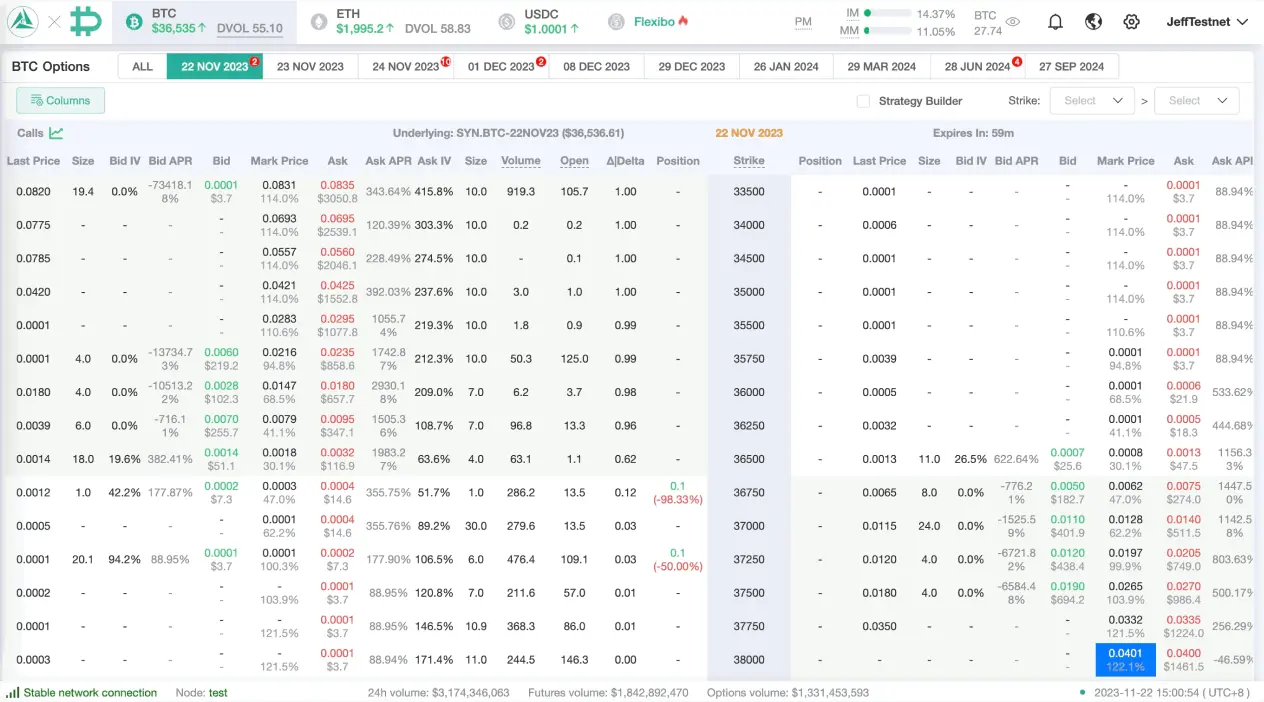
The derivatives market provides a clear signal of underlying asset intention. Sophisticated participants leave distinct footprints in the options chain, and interpreting this data is a direct method for identifying high-probability directional movements. This process moves beyond conventional technical analysis, focusing instead on the direct positioning of capital.
An options-driven breakout is the materialization of a powerful directional bias, one that has been building within the options market before it becomes apparent in the stock’s price chart. The mechanism is a function of concentrated, informed positioning that precedes significant price discovery.
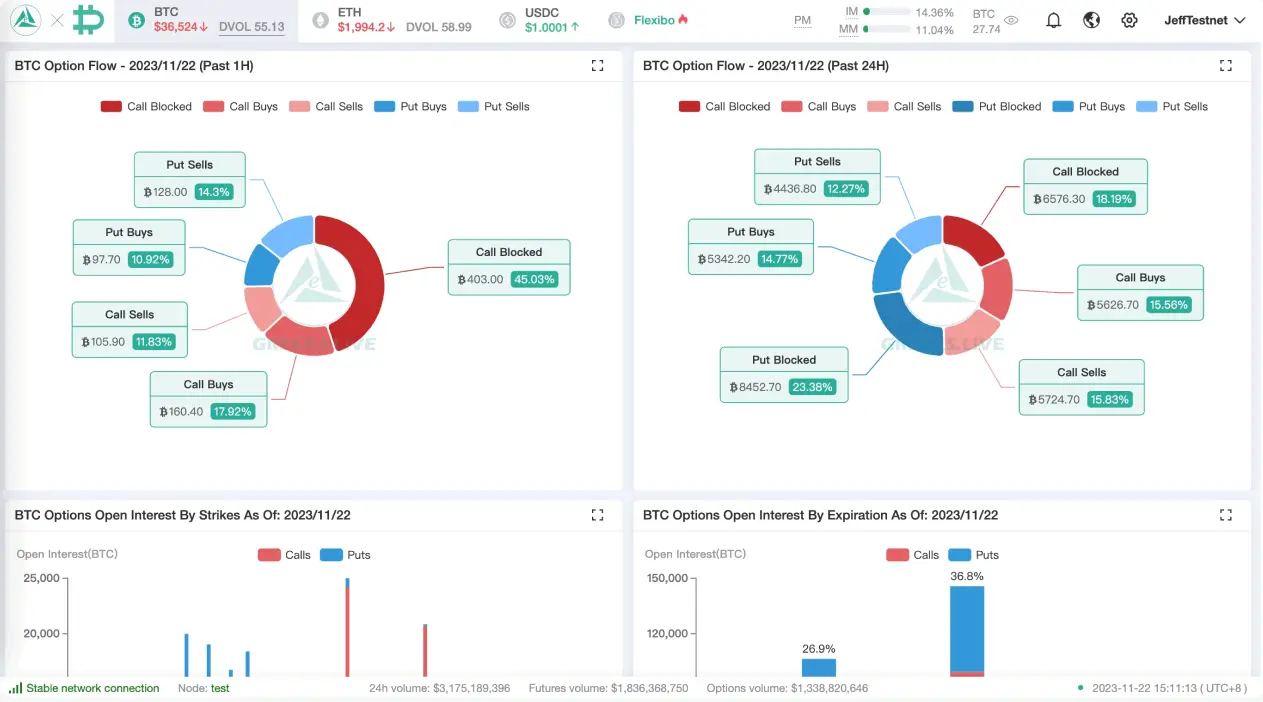
Understanding this dynamic begins with the concept of order flow. Options order flow is the real-time stream of buy and sell orders, offering a transparent view into the activities of institutional investors and market makers. By analyzing this flow, traders gain a formidable insight into developing market sentiment. Large, aggressive call buying, for instance, signals a strong bullish conviction.
This activity is not abstract; it represents a substantial capital commitment based on a specific directional thesis. When this activity clusters around particular strike prices or expiration dates, it paints a vivid picture of expectation, a map of where influential market participants anticipate a security will move.
The second critical component is the activity of market makers. These entities provide liquidity by taking the other side of trades. When they sell a large volume of call options to aggressive buyers, they accumulate a net short position. To manage their own risk, they must hedge this exposure by purchasing the underlying stock.
This is a purely mechanical reaction. The market maker’s objective is to remain delta-neutral, meaning their position is insensitive to small directional price changes in the stock. The key is that their hedging activity is a direct consequence of the initial options trades. The informed trader’s action forces the market maker’s reaction.
This relationship creates a feedback loop. As more call options are purchased, market makers are compelled to buy more of the underlying stock to maintain their hedge. This buying pressure alone can initiate an upward drift in the stock’s price. A breakout occurs when this pressure, combined with the original bullish sentiment, is sufficient to push the stock’s price through a significant technical level, such as a resistance zone.
The breakout itself then attracts momentum traders who use traditional chart-based signals, adding further fuel to the move. The entire sequence is initiated and sustained by the information embedded within the options market.


Executing on Concentrated Capital Signals
A successful strategy is a systematic process for translating market information into actionable trades. Pinpointing options-driven breakouts requires a disciplined, multi-layered approach that confirms institutional conviction before capital is committed. The goal is to enter a trade where the underlying forces are already aligned for a directional move. This is accomplished by methodically identifying unusual options activity, contextualizing it with market structure, and executing with precision.

Identifying the Footprint of Conviction
The initial step is the detection of unusual options activity. This is more than just high volume; it is about identifying orders that signify urgency and size, the hallmarks of institutional positioning. Traders should screen for specific patterns in the options order flow that suggest a coordinated, high-conviction bet on directionality. This is the first layer of evidence.

Screening for Aggressive Order Types
Certain order types are more indicative of directional conviction than others. Options sweeps, for example, are large orders broken into smaller pieces across multiple exchanges to be filled as quickly as possible. This demonstrates a trader’s willingness to pay a premium for immediate execution, a clear sign of urgency.
Block trades, which are large, privately negotiated transactions, also point to significant institutional positioning. Monitoring for a sudden surge in these order types, particularly when concentrated on out-of-the-money (OTM) call options, provides a powerful leading signal.

Analyzing Volume and Open Interest
Contextualizing the order flow requires an analysis of volume relative to open interest. High volume on a particular options contract is interesting; high volume that significantly surpasses the existing open interest is compelling. This indicates that new positions are being initiated on a massive scale, rather than existing positions being closed. A surge in call buying where the volume is many multiples of the open interest suggests a fresh and powerful wave of bullish speculation is entering the market, building the foundation for a potential breakout.

The Gamma Trigger Mechanism
The most potent breakouts are often amplified by market maker hedging. This phenomenon, known as a gamma squeeze, provides the propulsive force that turns a price drift into an explosive breakout. Understanding gamma exposure is central to identifying these highly leveraged opportunities.
By analyzing Gamma Exposure, traders can anticipate price stabilization at key levels or heightened volatility near expiration.

Understanding Gamma Exposure
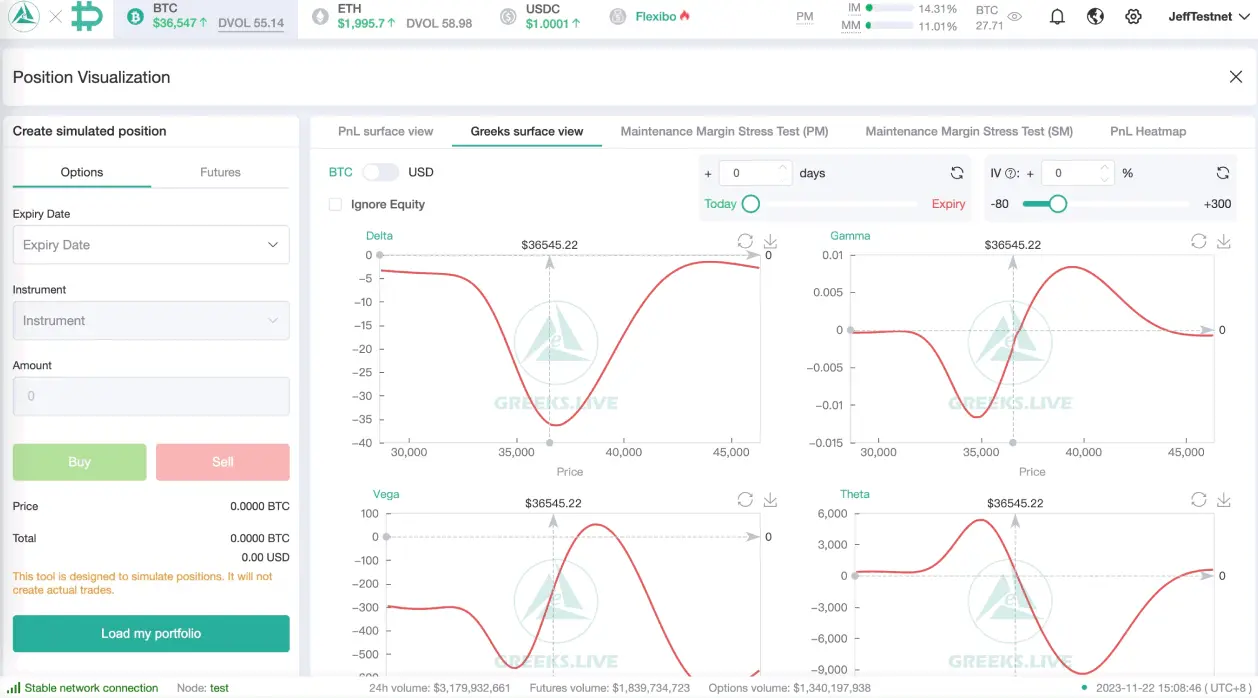
Gamma measures the rate of change of an option’s delta. Delta, in turn, measures how much an option’s price will change for a $1 move in the underlying stock. When market makers sell call options, they are short gamma. To hedge, they buy the underlying stock.
As the stock price rises and approaches the strike price of the calls they sold, the delta of those calls increases at an accelerating rate (this acceleration is gamma). This forces the market makers to buy more and more of the stock at an ever-faster pace to maintain their neutral position. This intense, concentrated buying is the engine of a gamma squeeze.

Pinpointing High Gamma Zones
The key is to identify stocks where there is a large concentration of short-dated, at-the-money or near-the-money call options. These are the contracts with the highest gamma. When a stock’s price approaches a “wall” of these high-gamma call strikes, the conditions are ripe for a squeeze.
A small move in the stock can trigger a disproportionately large hedging requirement from market makers, creating a powerful self-reinforcing feedback loop where their buying pushes the stock price higher, which in turn requires more buying. Identifying these zones on an options chain is a critical step in the targeting process.

A Systematic Approach to Entry and Management
A complete trading plan requires clear rules for entry, exit, and risk management. The following steps provide a structured framework for executing on an identified options-driven breakout opportunity.
- Signal Identification ▴ The process begins with a multi-factor confirmation screen. A potential opportunity must meet several criteria simultaneously. First, there must be a clear signal of unusual, aggressive call buying (e.g. sweeps, high volume vs. open interest) in a single underlying stock. Second, this activity should be concentrated in short-dated options (e.g. less than 30 days to expiration) to maximize the impact of gamma.
- Gamma Zone Confirmation ▴ Analyze the options chain to confirm that the aggressive buying is pushing the stock’s price toward a significant wall of call open interest. The target strike prices should have high gamma values. This confirms that the market maker hedging dynamic is in play, acting as a potential accelerant for the stock price.
- Technical Alignment ▴ The underlying stock’s price chart should show a period of consolidation or a clear resistance level that is about to be tested. The options activity is the cause, and the technical pattern is the effect. The ideal entry point is just as the price begins to break through this technical level, confirming that the pressure from the options market is now visibly impacting the stock’s price.
- Position Sizing and Risk Definition ▴ The capital allocated to any single trade must be strictly controlled. Define the maximum acceptable loss before entering the trade. A common approach is to place a stop-loss order below the breakout level. If the breakout fails and the price falls back below this level, the position is closed automatically, protecting capital.
- Profit Taking Strategy ▴ Breakouts can be fast and powerful. It is essential to have a pre-defined plan for taking profits. One method is to use a trailing stop, which automatically adjusts the stop-loss level upwards as the stock price rises, locking in gains. Another approach is to set a specific price target based on technical analysis or the next major level of call resistance on the options chain.


Systematizing the Volatility Edge
Mastering the identification of a single breakout is a valuable skill. Integrating this method into a cohesive portfolio strategy represents a significant leap in trading sophistication. This requires moving from a trade-by-trade mindset to a systems-based approach, where the analysis of options-driven events becomes a core component of generating consistent, non-correlated returns. The focus shifts to risk calibration, portfolio construction, and the proactive management of volatility itself.
A portfolio that incorporates these signals operates on a different plane. It is structured to capitalize on the market’s internal mechanics. Instead of reacting to price movements, it is positioned to benefit from the forces that create those movements.
This involves diversifying across potential breakout candidates in different sectors, balancing the high-impact potential of these trades with more stable, long-term holdings. The trader’s objective evolves from simply capturing a single breakout to building a machine that systematically harvests the opportunities created by institutional positioning and market maker hedging.

Calibrating the Portfolio to Market Structure
Advanced application involves using aggregate market data to inform overall portfolio exposure. Analyzing broad market gamma exposure, for instance, can provide a powerful read on systemic stability or instability. When overall market gamma is highly positive, it suggests that market maker hedging will act as a stabilizing force, dampening volatility. In such an environment, breakout strategies might be pursued with more caution.
Conversely, when aggregate market gamma turns negative, it signals that market makers are positioned to amplify volatility. This is a fertile environment for gamma squeezes and powerful breakouts. Adjusting the size and frequency of breakout trades based on this top-down view of market structure provides a significant strategic advantage.

Developing a Watchlist of Pre-Breakout Conditions
A professional operation does not wait for a breakout to happen. It maintains a dynamic watchlist of securities exhibiting the prerequisite conditions. This involves running continuous scans for stocks that are in clear consolidation patterns and simultaneously showing a buildup of unusual call option open interest. This proactive screening allows a trader to be prepared, having already analyzed the technical and options landscape of a potential candidate long before the trigger event.
When the aggressive order flow finally arrives, the trader can act decisively, armed with a pre-formulated plan. This systematic process of cultivating and monitoring a watchlist turns a reactive tactic into a proactive strategy.

Risk Management beyond the Single Trade
At the portfolio level, risk management transcends the simple stop-loss on an individual position. It involves understanding the correlated risks and managing the overall volatility profile of the entire portfolio. If a trader has several active breakout positions, they must be aware of how a sudden market-wide event could impact all of them simultaneously.
Advanced risk management might involve using broad market index options to hedge overall portfolio delta or employing strategies that profit from an increase in volatility, providing a counterbalance to the directional breakout trades. The aim is to construct a portfolio that is not merely a collection of individual trades, but a balanced system designed for long-term performance and resilience.

The Arena Is Now Visible
You now possess the lens to see the market’s underlying machinery. The flow of capital in the derivatives market is the primary force, and the price chart is its shadow. This understanding transforms your relationship with the market from a passive observer to an active participant in its core processes. The signals are present for those equipped to read them.
Your task is to refine this perception, act with discipline, and engage the market on your own terms, armed with the knowledge of its true mechanics. The path to superior outcomes is paved with superior information, systematically applied.

Glossary

Options Chain

Options Order Flow

Market Makers

Underlying Stock

Call Options

Market Maker

Unusual Options Activity

Order Flow

Options Sweeps

Open Interest

Market Maker Hedging

Gamma Exposure

Gamma Squeeze

Strike Price