

Execution Command
Navigating the complex currents of institutional trading demands tools capable of commanding market dynamics. Request for Quote, known as RFQ, stands as a foundational mechanism. It provides a structured pathway for professional participants to solicit competitive pricing for significant order sizes, particularly within derivatives markets. This process directly enhances market efficiency, a primary objective when deploying substantial capital.
RFQ facilitates a discreet engagement with multiple liquidity providers. This method ensures that large orders, which might otherwise disrupt market equilibrium, receive a true reflection of available pricing. The system orchestrates a silent auction, enabling traders to secure optimal terms without revealing their full intent prematurely. Price discovery occurs within a controlled environment, a stark contrast to open order books where large bids or offers can signal strategic moves.
Institutional RFQ offers a discreet pathway to optimal pricing, safeguarding large orders from adverse market impact.
The inherent design of RFQ champions anonymity. A trader initiates a request, and various market makers respond with their executable prices. The initiating party sees these quotes, selecting the most advantageous one.
This controlled exposure to market makers becomes a formidable advantage, preserving alpha generation. It cultivates an environment where execution quality consistently surpasses expectations.
Mastering RFQ represents an essential step for any serious participant in the derivatives space. It underpins a systematic approach to capital deployment, ensuring that strategic decisions translate into superior realized returns. This proficiency becomes a cornerstone for consistent performance, defining the operational excellence expected in today’s volatile markets.


Strategic Deployment
Deploying RFQ within a derivatives strategy elevates execution to a tactical advantage. This mechanism transforms theoretical edge into tangible gains, providing a controlled environment for securing optimal pricing across a spectrum of complex instruments. Understanding its application becomes a critical component of any sophisticated trading framework.

Precision Block Execution
Block trading in options, especially for significant sizes, demands a method mitigating market impact. RFQ provides this exact conduit. Initiating a block trade through an RFQ allows a trader to access deep, multi-dealer liquidity without exposing the entire order to the open market.
This protects the transaction from predatory algorithms, preserving favorable price movements. The competitive nature of the RFQ process itself drives price improvement, a direct contribution to overall portfolio performance.

Optimizing Options Spreads
Multi-leg options strategies, such as straddles or collars, present unique execution challenges. These strategies involve simultaneous trades across different strike prices or expiries, requiring synchronized execution to maintain the intended risk-reward profile. RFQ facilitates the simultaneous quoting of all legs of a spread, ensuring atomic execution at a composite price.
It ensures a synchronized execution, avoiding the slippage inherent in sequential trades for complex positions. A well-executed spread via RFQ fortifies the strategy’s integrity.
The precise articulation of multi-leg strategies within an RFQ demands careful consideration of implied volatility surfaces. Traders seeking to capitalize on specific volatility views find RFQ an indispensable tool. It permits the fine-tuning of entries and exits, securing a consistent spread capture. This precision enhances the efficacy of complex directional or non-directional positions.
Achieving optimal pricing in multi-leg options spreads relies on RFQ’s synchronized execution capabilities.

Liquidity Command in Crypto Options
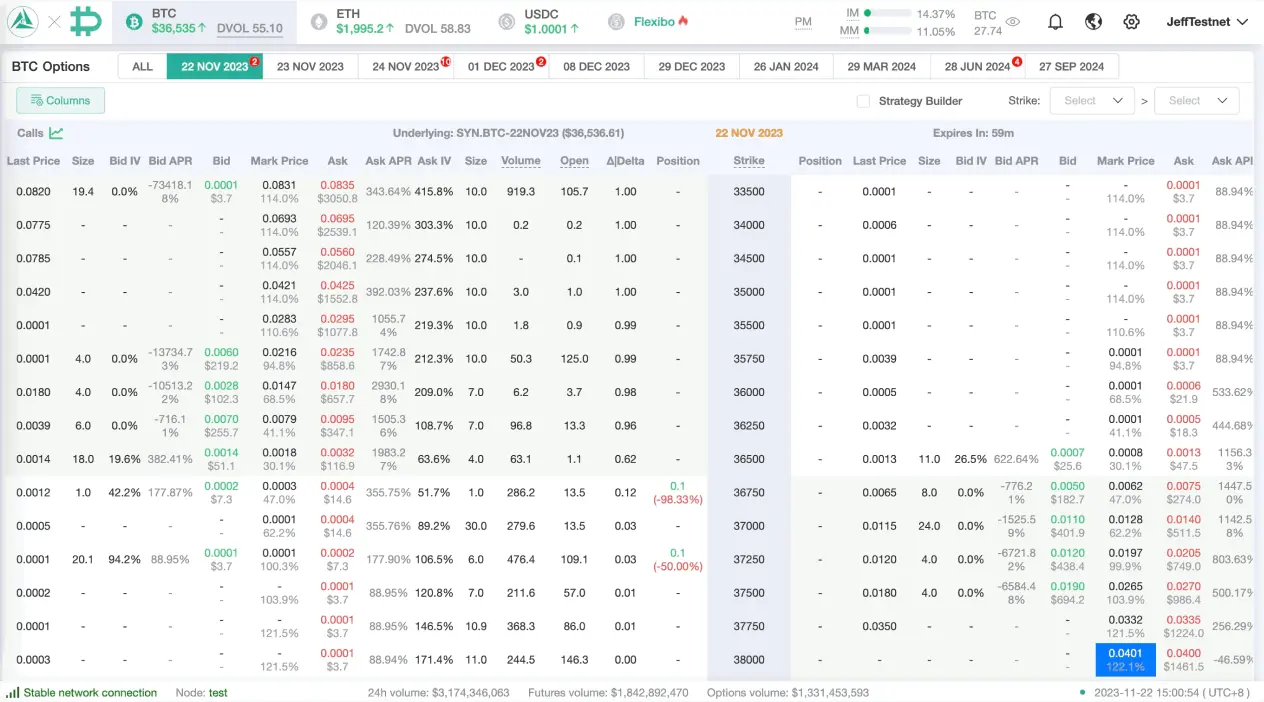
The nascent crypto options market presents both immense opportunity and unique liquidity considerations. OTC options, frequently executed via RFQ, provide robust liquidity channels where on-exchange mechanisms offer less depth for larger sizes. Traders dealing in Bitcoin Options Block or ETH Options Block frequently turn to RFQ. This provides a private channel to engage institutional market makers, ensuring efficient execution for substantial crypto derivatives positions.
The process of commanding multi-dealer liquidity for crypto options requires a clear understanding of each counterparty’s pricing model. Traders must evaluate the depth and consistency of quotes received. This diligence directly influences the final execution quality.
For instance, a BTC straddle block requires not only competitive pricing for both calls and puts but also the assurance of a complete fill across both legs. Execution commands returns.

Anonymity and Price Improvement
Maintaining anonymity during large trade execution is a critical aspect of preserving alpha. RFQ inherently provides this layer of discretion. Market makers receive a request without identifying the initiator, fostering an unbiased pricing environment.
This fosters a competitive dynamic among liquidity providers, often resulting in tighter spreads and improved fill rates. The collective intelligence of multiple dealers, all vying for the trade, ultimately benefits the requesting party.
The ongoing evaluation of RFQ performance involves comparing received quotes against prevailing market benchmarks. This systematic analysis quantifies the actual price improvement achieved. Such a feedback loop refines a trader’s approach, sharpening their ability to extract superior value from every transaction. This commitment to continuous improvement distinguishes professional execution.

RFQ Execution Checklist
- Define clear order parameters and desired spread structures.
- Engage a diversified panel of liquidity providers.
- Monitor quote validity and execution windows.
- Document price improvement against prevailing market prices.
- Integrate RFQ data into post-trade analytics for performance review.


Mastering Advanced Applications
Expanding proficiency with RFQ transcends individual trade execution. It involves integrating this powerful tool into a holistic portfolio management strategy, unlocking a sustained competitive advantage. This requires a deeper understanding of market microstructure and quantitative finance principles, transforming a tactical advantage into a strategic asset.

Systemic Risk Mitigation
For large institutional portfolios, managing systemic risk within derivatives exposures becomes paramount. RFQ contributes significantly to this objective by providing a mechanism for efficient portfolio rebalancing. Executing large hedges or unwinding substantial positions through RFQ minimizes the price impact associated with such movements.
This proactive risk management fortifies a portfolio against adverse market shifts, preserving capital and enhancing stability. My experience indicates that a well-structured RFQ process often identifies unforeseen liquidity pockets, offering superior execution even in turbulent conditions.

Algorithmic Integration for Optimal Fills
The future of sophisticated trading merges human strategic insight with algorithmic precision. Integrating RFQ into algorithmic trading frameworks represents a significant leap forward. Algorithms can be designed to monitor market conditions, identify optimal times for RFQ initiation, and even automate the selection of the best quotes.
This creates a feedback loop, continuously refining execution strategies. Such a blend of human oversight and machine efficiency drives incremental alpha, particularly in high-frequency environments.
Developing an RFQ-aware algorithm demands rigorous backtesting against historical market data. It also requires careful calibration of parameters to avoid signaling intent. The objective centers on maximizing fill rates while minimizing transaction costs across diverse market states.
This involves intricate financial engineering, designing algorithms capable of adapting to real-time liquidity dynamics. It represents a continuous pursuit of an ever-sharper edge.

Volatility Arbitrage and Structured Products
Advanced traders utilize RFQ for more than just standard options contracts. Its utility extends to bespoke structured products and volatility arbitrage strategies, particularly in less liquid markets. When constructing complex variance swaps or custom option baskets, RFQ provides the necessary conduit to price these unique instruments efficiently. This capability allows for the creation of highly tailored risk exposures, impossible to achieve through standard exchange mechanisms.
The ability to precisely price and execute exotic derivatives through RFQ opens new avenues for alpha generation. It permits traders to exploit subtle mispricings in implied volatility across different tenors or strikes. This specialized application demands a deep understanding of derivatives pricing models.
It also necessitates robust counterparty relationships to ensure consistent access to competitive quotes for these specialized products. RFQ becomes a gateway to truly bespoke market engagement.

Future Market Dynamics
The evolution of market microstructure will continue to elevate the importance of RFQ-like mechanisms. As liquidity becomes increasingly fragmented across various venues, the ability to aggregate and command that liquidity discreetly will remain a core competency. The ongoing development of Smart Trading within RFQ and Crypto environments suggests a future where execution quality becomes an even more pronounced differentiator. Traders who master these tools today position themselves at the vanguard of market innovation.

Execution’s Enduring Edge
The journey through institutional execution reveals a profound truth ▴ sustained market success stems from strategic operational command. RFQ stands as a testament to this principle, a refined instrument for those who demand precision and discretion in their capital deployment. It embodies the relentless pursuit of an informational advantage, transforming market engagement into a deliberate act of strategic positioning. The mastery of such tools does not simply optimize trades; it redefines the very essence of market participation, securing an enduring edge in an ever-evolving landscape.