


The Mandate for Precision in Opaque Markets
In markets defined by wide spreads and sparse volume, standard execution methods are insufficient. A Request for Quote (RFQ) system provides a direct conduit to liquidity providers, enabling a trader to solicit competitive, executable prices for a specific quantity of an asset. This mechanism operates as a private negotiation, concentrating liquidity and facilitating price discovery for large or complex trades that would otherwise face significant slippage in the public order book. It is a function designed for scenarios where discretion and guaranteed pricing are paramount.
The core purpose of an RFQ is to establish a firm price for a substantial order. A trader initiates the process by sending a request detailing the instrument and desired size to a select group of market makers. These counterparties respond with a two-sided or one-sided quote, which is held firm for a short duration, typically a few seconds.
This process gives the initiator control over the execution, allowing for the evaluation of multiple private bids to identify the most favorable terms. The system is particularly effective for instruments that lack a continuous, deep order book, such as certain derivatives, ETFs, and block-sized equity trades.
A study of market microstructure reveals that RFQ protocols can be optimized to reduce the risk of front-running by limiting the number of dealers contacted, thereby inducing more aggressive initial bids.
Understanding this mechanism is the first step toward professionalizing trade execution. The process shifts the dynamic from passively accepting prevailing market prices to actively sourcing liquidity on specific terms. For illiquid assets, where public quotes may be stale or non-existent for large sizes, the RFQ is the primary tool for creating a tradable market.
It transforms a theoretical valuation into a concrete, executable price, forming the foundation for strategic entry and exit in challenging market conditions. This capacity to generate competitive, on-demand pricing is what distinguishes the approach as a professional-grade instrument.


Calibrated Execution for Superior Entry
Deploying the RFQ system is a strategic process centered on precision and the management of information. The objective is to secure a favorable execution price for a significant position while minimizing market impact. This requires a methodical approach to counterparty selection, request structuring, and timing.
Successful application translates directly into a better cost basis, a tangible advantage that compounds over the life of an investment. It is the practical application of sourcing liquidity with intent.
The true power of this method is realized when executing trades that are ill-suited for the central limit order book. This includes large blocks of thinly traded securities and, critically, multi-leg options strategies. Attempting to execute a complex options structure, like a collar or a butterfly spread, as separate orders in an illiquid market introduces immense leg risk; one part of the trade may fill while the other does not, leaving the portfolio exposed and unbalanced. An RFQ allows the entire multi-leg structure to be quoted and executed as a single, atomic transaction at one price, preserving the strategic integrity of the position.

Structuring the Request for Optimal Pricing
A well-structured RFQ communicates seriousness and precision to the responding market makers. Vague or poorly defined requests are less likely to receive competitive quotes. The process demands clarity on all parameters of the intended trade. This discipline in preparation signals to liquidity providers that you are a sophisticated participant, which often results in more aggressive pricing.

Key Components of an Effective RFQ
The information provided to liquidity providers must be exact. Each element defines the specific risk they are being asked to price, and precision here is rewarded with tighter spreads. The goal is to furnish all necessary details for an immediate and firm quotation.
- Instrument Specificity ▴ Clearly identify the asset, using standard identifiers like a ticker or ISIN. For options, this includes the underlying asset, expiration date, and strike price(s). For multi-leg strategies, all legs must be detailed.
- Defined Quantity ▴ The exact size of the order is a mandatory component. This allows the market maker to assess their capacity and the potential impact of the trade on their own inventory.
- Trade Direction ▴ Specify whether the request is to buy, sell, or receive a two-sided market (both a bid and an offer). This is fundamental to the dealer’s pricing calculation.
- Counterparty Selection ▴ Choose a select group of trusted liquidity providers. Sending a request to the entire market can increase information leakage, where knowledge of your intent can move prices against you before execution.
- Settlement Terms ▴ Indicate the desired settlement timeline or tenor, which is particularly relevant in derivatives and bond markets.

Executing Complex Derivatives with Confidence
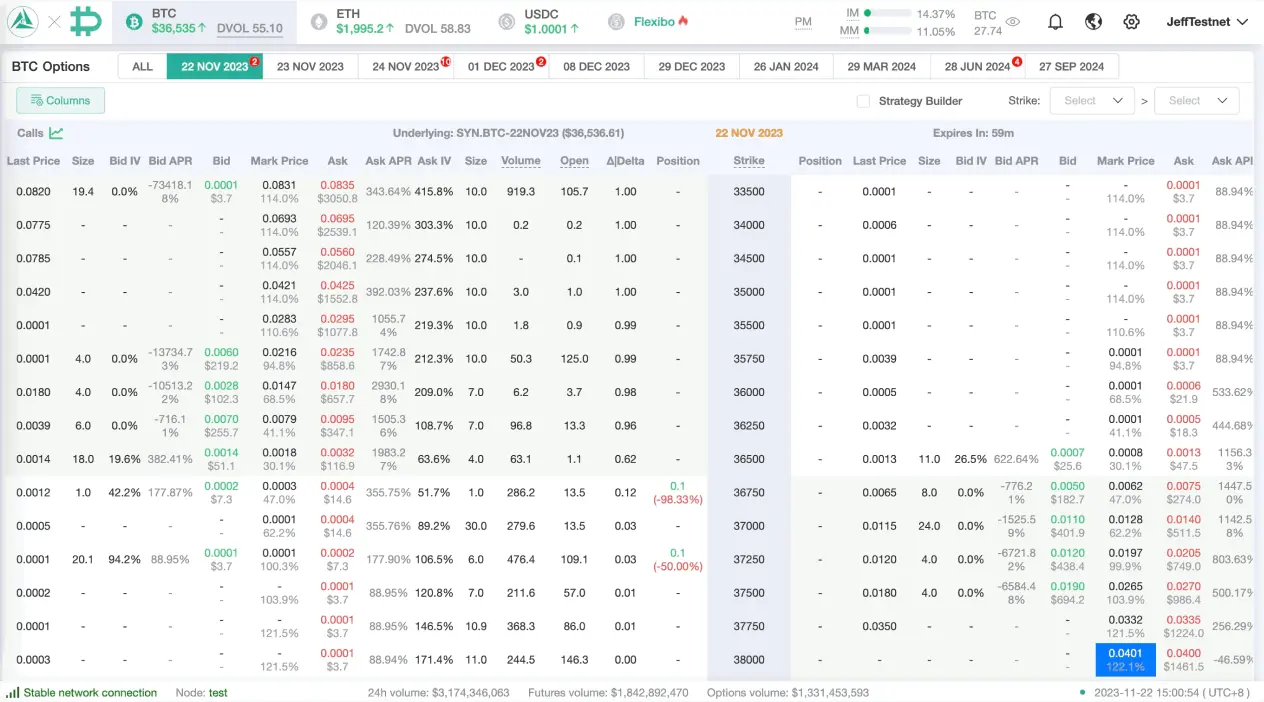
Illiquid options markets present a significant challenge for traders. The bid-ask spreads can be exceptionally wide, making it difficult to ascertain a fair value. Executing a multi-leg strategy in such an environment requires a tool that can guarantee simultaneous execution at a defined net price. The RFQ system is engineered for this purpose.
By requesting a quote for the entire package ▴ for instance, buying a protective put and selling a covered call simultaneously ▴ a trader receives a single net debit or credit for the whole position. This removes the risk of an unfavorable price movement between the execution of the individual legs.
In thinly traded options, the displayed midpoint can be misleading; a more accurate valuation is derived by calculating the theoretical price based on a target implied volatility level, a technique professionals use to anchor their RFQ negotiations.
This approach is foundational for implementing risk-defined strategies in markets where liquidity is scarce. Structures like iron condors, straddles, or calendar spreads become viable. The trader can define their desired risk-reward profile and then seek a firm price to implement it.
This stands in stark contrast to the uncertainty of “legging in” to a position on a public exchange, where final execution costs are unknown and potentially unfavorable. The RFQ brings price certainty to complex strategic expressions.


Systemic Alpha Generation across the Portfolio
Mastery of the RFQ mechanism extends beyond single-trade execution; it becomes a systemic component of a sophisticated portfolio management process. Integrating this tool allows a manager to operate effectively in less efficient markets, sourcing alpha opportunities that are inaccessible to those reliant on standard order types. This capability creates a durable edge, enabling the construction of positions in assets and derivatives that others cannot trade at scale without adverse costs. The focus shifts from merely executing a trade to engineering a superior cost basis across the entire portfolio.
Advanced application involves a deep understanding of information control. The very act of requesting a quote is a signal to the market. Professional traders manage this by carefully curating their counterparty lists and staggering their inquiries. For a very large block order, a trader might send out initial, smaller “feeler” RFQs to gauge liquidity and dealer appetite before committing to the full size.
This tactical approach minimizes the risk of information leakage, where the signal of a large impending order can cause market makers to adjust their prices pre-emptively. This disciplined management of information is a hallmark of institutional-grade trading.

Portfolio Hedging and Risk Transformation
The true strategic value of the RFQ system is most apparent in portfolio-level risk management. Imagine a scenario where a portfolio has a large, concentrated position in an asset that has performed well but now presents significant downside risk. The market for this asset’s options is thin.
A portfolio manager can use an RFQ to solicit quotes for a complex, multi-leg hedging structure, such as a zero-cost collar (simultaneously buying a put option and selling a call option). The RFQ process allows the manager to get a firm price for this entire risk-transforming transaction from specialized derivatives desks.
This allows for the precise implementation of a hedging overlay that would be impractical to execute through a public order book. The manager can define the exact parameters of the desired protection and income generation, and then source liquidity to implement that view. This proactive risk management, executed with precision, is a key differentiator.
It transforms risk management from a reactive measure into a strategic, alpha-generating activity. The ability to confidently and efficiently execute these complex structures in illiquid markets is a direct result of mastering the RFQ process.

The Professional Edge Is Now Your Standard
The mechanisms of professional trading are built on principles of precision, control, and strategic intent. Adopting the Request for Quote methodology is an operational upgrade in your trading process. It moves your execution from the chaotic environment of the public order book to the focused, private arena of negotiated liquidity.
The knowledge you have gained is the foundation for a more sophisticated and deliberate engagement with the market. Your ability to command liquidity and define your execution price in challenging markets is the new benchmark for your performance.

Glossary

Liquidity Providers

Public Order Book

Order Book

Rfq System

Information Leakage

Illiquid Markets