


The Mandate for Precision Execution
Modern financial markets are a complex system of distributed liquidity pools. For the ambitious trader, accessing this liquidity efficiently is the primary determinant of success. The Request for Quote (RFQ) system is a communications channel designed for this exact purpose.
It is a formal procedure to solicit firm, executable prices from a select group of market makers and liquidity providers. This mechanism moves beyond the passive nature of a central limit order book, creating a private, competitive auction for a specific trade.
An RFQ process begins when a trader broadcasts a request detailing a specific instrument and size. This could be for a large block of a single stock, a complex multi-leg options strategy, or a specific futures spread. Designated liquidity providers receive this anonymous request and respond with their best bid and offer.
The initiating trader can then assess these competing quotes and execute directly against the most favorable one. This entire process occurs within a structured, electronic environment, supplying speed, anonymity, and auditable results.
The fundamental challenge addressed by the RFQ is market impact. Large orders placed directly onto a public exchange order book can signal intent to the broader market, causing prices to move adversely before the full order is filled. This phenomenon, known as slippage or implementation shortfall, represents a direct trading cost.
An RFQ contains this information within a small, competitive group of professional counterparties, securing a price for the entire block and thus managing the risk of price degradation during execution. It transforms the act of trading from a public broadcast into a private negotiation.


The Execution Alphas System
Mastering the RFQ is about engineering superior trade execution. It is a system for capturing an edge that is unavailable through conventional order types. This edge, or execution alpha, is derived from minimizing transaction costs and accessing deeper pools of liquidity.
For the strategist, this means translating a market thesis into a position with the highest possible fidelity, preserving capital and maximizing potential returns. The application of RFQ is a discipline focused on results, where every basis point saved on entry or exit contributes directly to portfolio performance.
An RFQ platform allows an execution trader the ability to solicit quotes from multiple liquidity providers while also maintaining the anonymity that is desired when working a large order.
Deploying the RFQ system effectively requires a methodical calibration of strategy to market conditions. It is a proactive measure, not a reactive one. The decision to use an RFQ is a strategic choice to control the terms of engagement with the market.
This control is most critical in situations characterized by wide spreads, thin visible liquidity, or complex, multi-component structures. The following sections detail specific, actionable frameworks for using RFQ to achieve defined investment outcomes.

Sourcing Block Liquidity in Volatile Markets
Executing a large single-name equity or cryptocurrency block requires a distinct approach. In volatile conditions, the visible order book represents only a fraction of the true available liquidity. Many institutional participants keep their full size hidden to avoid impacting the market.
An RFQ is the tool to uncover this latent supply. The process involves soliciting quotes from dealers who specialize in providing block liquidity for that specific asset.
The primary goal is price certainty. By receiving firm quotes for the entire size of the intended trade, the trader establishes a clear, upfront execution cost. This stands in stark contrast to working an order through an algorithm that participates with volume over time, which remains exposed to adverse price movements throughout the execution window.
Research shows that execution costs are a material component of institutional trading, and minimizing them is a consistent source of improved performance. The RFQ provides a direct mechanism to manage these costs by creating a competitive pricing environment for the specific block in question.

A Framework for Block Trade Execution
A successful block trade using RFQ follows a clear sequence. First, the trader defines the full parameters of the order, including the ticker, desired size, and any timing constraints. Second, a curated list of liquidity providers is selected. These are typically firms known for making markets in the target asset class.
Third, the anonymous RFQ is sent, initiating the auction. Responses are typically received within seconds or minutes. Finally, the trader evaluates the returned bids and offers, executing the full block at the single best price. This methodical process systematically reduces the uncertainty and potential costs associated with large-scale executions.

Executing Complex Options Spreads without Legging Risk
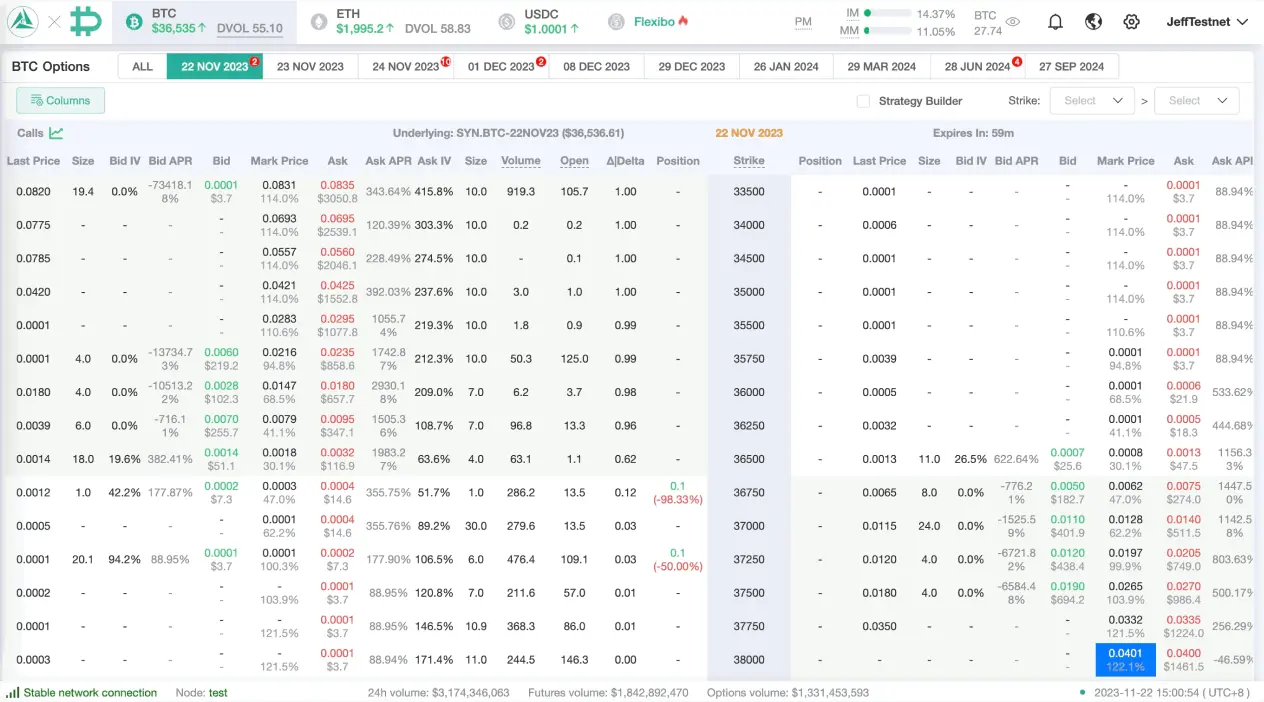
Multi-leg options strategies, such as vertical spreads, condors, or calendar spreads, present a unique execution challenge known as “legging risk.” This occurs when one leg of the spread is filled but the others are not, leaving the trader with an unintended directional exposure. An RFQ system fully addresses this issue by treating the entire multi-leg strategy as a single, indivisible instrument. Market makers are asked to provide a single net price for the entire package.
This unified pricing mechanism is a significant operational and risk management advantage. A trader looking to establish a 500-contract bull call spread on a particular stock can send an RFQ for the entire spread. Competing market makers will respond with a single debit or credit for the package.
Execution is atomic, meaning the entire spread is filled simultaneously at the agreed-upon net price. This removes the possibility of partial fills or adverse price movements between the legs of the trade, ensuring the strategic integrity of the position from its inception.
- Strategy Definition ▴ The trader constructs the precise options spread within their trading platform, defining each leg (instrument, strike, expiration, and buy/sell action).
- RFQ Broadcast ▴ The platform sends a single, anonymous RFQ for the entire spread package to all participating market makers on the exchange.
- Competitive Quoting ▴ Market makers analyze the spread and respond with firm, two-sided markets (bid and offer) for the complete package.
- Execution Decision ▴ The trader sees a consolidated ladder of net prices from all responding liquidity providers. They can then place a limit order to trade against the best available price or wait for further price improvement.
- Atomic Fill ▴ When a trade occurs, all legs of the spread are executed as a single transaction, guaranteeing the intended structure and net price.
This structured process provides access to liquidity that may not be visible on individual options series. Market makers can price the risk of the entire spread as a consolidated position, often resulting in tighter pricing than the sum of the individual leg bid-ask spreads. For traders deploying options strategies at scale, the RFQ is the professional standard for efficient and safe execution.


Portfolio Integration for Sustained Edge
Mastering the RFQ mechanism is a foundational skill. Integrating it into a holistic portfolio management process is the next stage of professional development. This involves viewing execution not as a discrete event, but as a continuous source of performance enhancement.
The strategic use of RFQ allows a portfolio manager to implement their market views with greater precision and lower cost friction, compounding these small gains into a meaningful long-term advantage. The system becomes a core component of the operational framework, enabling strategies that would be impractical or too costly to execute otherwise.
Advanced application of the RFQ system moves into areas of systematic risk management and inter-market opportunities. For instance, a portfolio manager may need to roll a large, multi-leg options position forward to the next expiration cycle. Using an RFQ for the entire complex roll ▴ simultaneously closing the existing position and opening the new one ▴ can significantly reduce the execution costs and operational risk of managing the transition across numerous individual legs. This is particularly valuable in derivatives markets, where liquidity can be fragmented across many strikes and expirations.

Building a Custom Liquidity Network
Sophisticated traders and asset managers can use RFQ platforms to cultivate a specialized network of liquidity providers. Over time, by analyzing response quality, fill rates, and pricing competitiveness, a trader can identify which market makers are most effective for specific types of trades or asset classes. Some platforms allow for directed RFQs, where the request is sent only to a hand-picked group of counterparties. This allows for the construction of a virtual, high-performance liquidity pool tailored to the specific needs of a trading strategy.
Market microstructure is the study of the processes and mechanisms through which financial instruments are traded in financial markets. It focuses on how different participants interact, and how their actions affect the price formation, liquidity, and efficiency of markets.
This curated approach transforms the RFQ from a general tool into a precision instrument. For a fund specializing in emerging market debt options, building relationships with and directing order flow to the top three dealers in that niche can result in consistently better pricing and deeper liquidity access. This symbiotic relationship, built on performance and trust, represents one of the highest forms of execution management. It is a durable competitive advantage, engineered through the systematic and intelligent application of RFQ technology.

Systematic Hedging and Risk Replication
Another advanced use case is in systematic hedging programs. A portfolio with complex, dynamic risk exposures may require regular rebalancing through multi-instrument trades. An RFQ can be used to execute a custom basket of securities or derivatives designed to offset a specific risk factor.
For example, a trader could request a quote for a package that simultaneously sells a block of one stock while buying a block of another and overlaying a specific options structure. This allows for the precise, one-shot execution of a risk-rebalancing transaction, a task that would be cumbersome and costly to implement piece by piece in the open market.

The Trader’s State of Flow
The mastery of any professional tool reshapes the professional. Adopting the RFQ as a central component of your trading process moves your focus from the mechanics of the transaction to the quality of the strategy. It frees up cognitive capital, allowing you to concentrate on market analysis and opportunity identification, confident in your ability to implement your decisions with precision. This is the ultimate objective ▴ to create a seamless workflow from idea to execution, where the market’s structural complexities become manageable variables in your strategic equation.

Glossary

Request for Quote

Liquidity Providers

Market Makers

Implementation Shortfall

Execution Alpha

Rfq System

Institutional Trading

Multi-Leg Strategy

Legging Risk

Entire Spread