

Concept
The volatile currents within digital asset markets present a formidable challenge to institutional participants, demanding a rigorous re-evaluation of established risk frameworks. Traditional block trade mechanisms, while effective in conventional asset classes, encounter significant friction when confronted with the unique characteristics of decentralized ledger environments. Our focus centers on how distributed ledger technology (DLT) block trade standards offer a transformative pathway to fundamentally reconfigure systemic risk within these dynamic markets. This perspective moves beyond a superficial understanding of technology, directly addressing the underlying structural vulnerabilities that large-volume digital asset transactions often expose.
Digital asset markets are inherently characterized by high velocity, fragmentation, and often, a lack of centralized oversight, which collectively amplify the potential for cascading failures. Systemic risk, in this context, extends beyond individual counterparty defaults, encompassing vulnerabilities arising from interconnectedness, operational fragility, and information asymmetry. A significant transaction executed on a public order book can trigger immediate and widespread price dislocations, leading to adverse selection and substantial slippage for the executing party. The conventional reliance on a multi-intermediary chain for trade settlement introduces temporal lags and reconciliatory complexities, further exacerbating credit and operational risks, particularly during periods of heightened market stress.
DLT block trade standards fundamentally redefine risk by embedding resilience directly into the transaction protocol.
Distributed Ledger Technology provides a foundational shift from disparate, siloed records to a unified, cryptographically secured ledger, shared and validated across a permissioned network. This shared infrastructure offers a real-time, immutable record of all transactions, dramatically enhancing transparency and auditability. The intrinsic properties of DLT ▴ immutability, cryptographic security, and a shared source of truth ▴ position it as a superior operational substrate for institutional trading. It directly addresses the shortcomings of traditional market structures, offering a robust environment where pre-trade transparency can coexist with execution discretion, and post-trade finality becomes atomic.
The core challenge in digital asset block trading involves executing substantial positions without incurring undue market impact or information leakage. Conventional over-the-counter (OTC) block desks attempt to manage this, yet their processes still depend on off-chain reconciliation and often introduce intermediary risk. DLT block trade standards, conversely, facilitate a direct, peer-to-peer or peer-to-network interaction for large trades. This direct engagement reduces the number of points of failure and compresses the settlement cycle, thereby mitigating various forms of systemic exposure.
A deeper examination reveals that DLT’s capacity to standardize complex transactional flows through smart contracts is particularly relevant. These self-executing agreements, with terms directly written into code, automate post-trade processes, including clearing and settlement. The automation significantly reduces manual errors and the need for extensive reconciliation, which are common sources of operational risk in traditional financial systems. This structural re-engineering of the trade lifecycle moves digital asset markets closer to an ideal state of atomic settlement, where the exchange of assets and consideration occurs simultaneously, eliminating settlement risk.


Strategy
Navigating the digital asset landscape demands a strategic blueprint that leverages technological advancements to achieve superior execution and risk mitigation. DLT-powered block trade standards offer a strategic imperative for institutional participants, moving beyond mere technological adoption to a fundamental re-engineering of market interaction. The strategic advantage lies in their capacity to provide a controlled environment for large-volume transactions, addressing the inherent volatility and fragmentation of digital asset markets with precision and discretion.

Orchestrating Discreet Liquidity Aggregation
A primary strategic objective for institutional traders involves sourcing substantial liquidity without telegraphing their intentions to the broader market. Traditional Request for Quote (RFQ) protocols, while foundational, often face limitations in highly volatile, nascent markets where liquidity is distributed across numerous venues. DLT block trade standards introduce a refined approach to discreet liquidity aggregation.
These standards enable the creation of permissioned networks where multiple dealers can anonymously submit competitive quotes for a specific block order. This multi-dealer liquidity environment operates within a private, secure channel, effectively minimizing information leakage and the potential for adverse price movements.
Consider the strategic interplay ▴ an institution seeking to execute a significant Bitcoin options block can leverage a DLT-enabled RFQ system. The system broadcasts the inquiry to a pre-vetted pool of liquidity providers, who then submit their firm quotes. This process contrasts sharply with fragmented, bilateral solicitations, providing a more comprehensive view of available liquidity while maintaining the initiator’s anonymity until execution. The result is a more efficient price discovery mechanism, reducing slippage and optimizing execution quality for large orders.
Strategic DLT implementation transforms fragmented liquidity into a cohesive, discreet execution pathway.
This strategic deployment of DLT also facilitates advanced order types, such as multi-leg options spreads or complex volatility block trades, with greater integrity. The atomic nature of DLT transactions ensures that all legs of a multi-component trade settle simultaneously, eliminating leg risk ▴ a significant concern in traditional derivatives markets. Furthermore, the inherent transparency of a shared ledger, visible only to authorized participants, supports robust pre-trade analysis and post-trade reconciliation, building a higher degree of trust among transacting parties.

Embedding Risk Parameters into Protocol
Effective risk management in digital asset markets necessitates embedding controls directly into the trading protocol. DLT block trade standards provide the infrastructure for this, allowing for the programmatic enforcement of risk parameters through smart contracts. This moves beyond mere compliance monitoring, integrating risk mitigation directly into the transaction lifecycle. Counterparty risk, for example, can be substantially reduced through pre-funded accounts or collateralization mechanisms enforced by smart contracts, ensuring that parties possess the necessary assets before a trade is finalized.
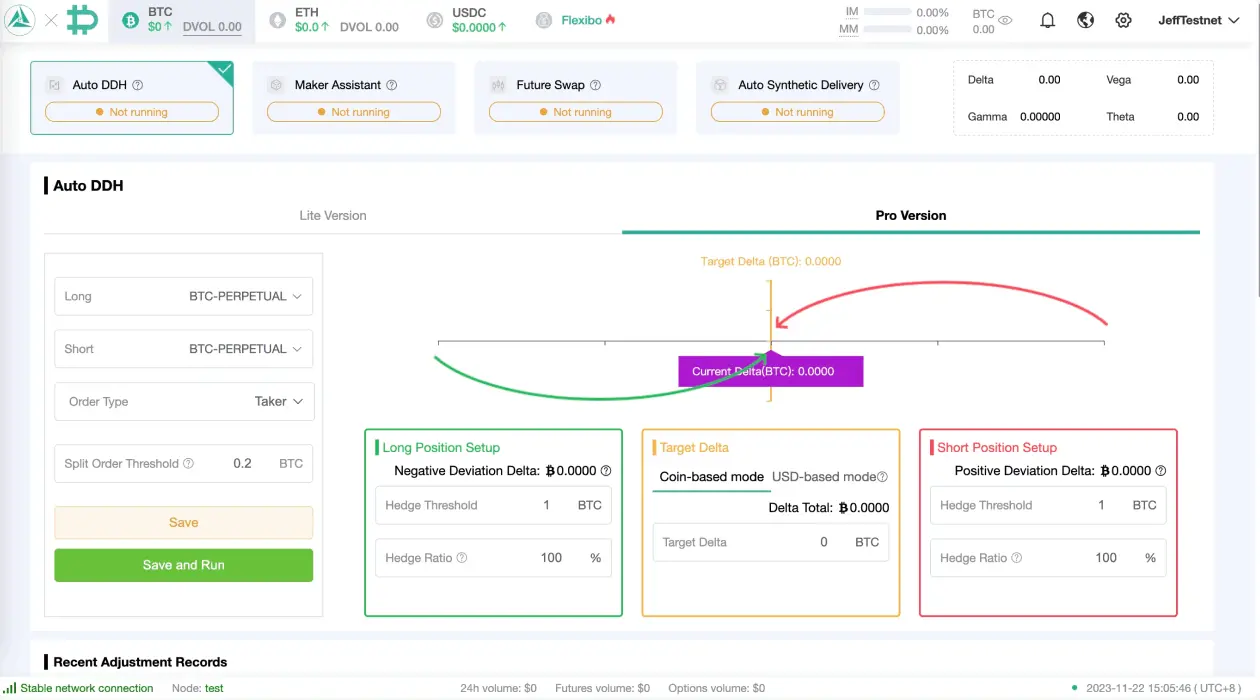
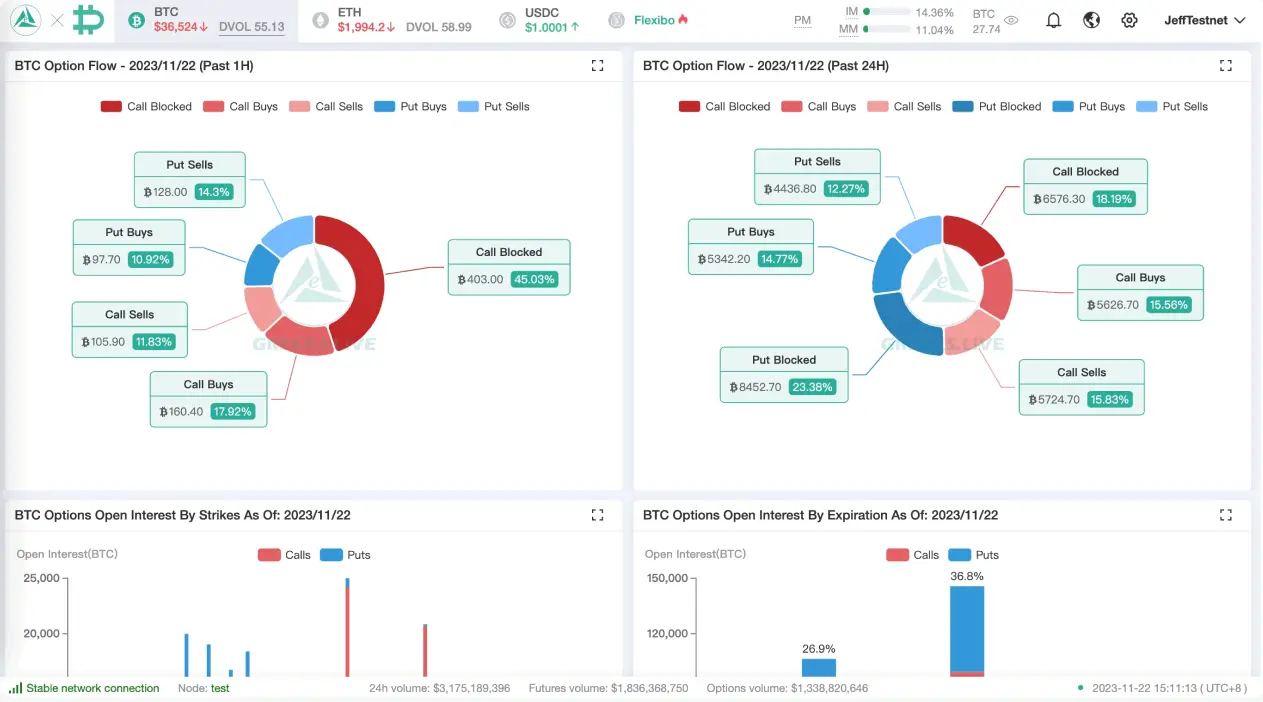
The ability to automate delta hedging (DDH) for complex options positions represents another strategic advantage. A DLT-based system can monitor an institution’s overall portfolio delta in real-time and, upon the execution of a block trade, automatically trigger corresponding hedge trades across various venues. This programmatic risk management minimizes exposure windows and reduces the operational burden associated with manual hedging adjustments, particularly in fast-moving markets. The system’s intelligence layer, augmented by real-time intelligence feeds, provides a holistic view of market flow data, enabling more informed strategic decisions.
A comparative analysis of traditional versus DLT-enabled block trade frameworks highlights the systemic improvements:
| Feature | Traditional Block Trade | DLT Block Trade Standard |
|---|---|---|
| Liquidity Sourcing | Bilateral RFQ, fragmented | Multi-dealer, permissioned network, aggregated inquiries |
| Execution Discretion | Broker-dependent, potential information leakage | Protocol-level anonymity, cryptographic privacy |
| Settlement Finality | T+2 or T+1, probabilistic, counterparty risk | Near real-time (T+0), atomic, reduced counterparty risk |
| Risk Management | Post-trade reconciliation, manual hedging | Pre-trade collateralization, automated smart contract enforcement |
| Operational Efficiency | Manual processes, high reconciliation burden | Automated workflows, shared ledger, reduced errors |
The strategic deployment of DLT block trade standards thus constitutes a decisive move towards a more robust and capital-efficient market structure for digital assets. It transforms potential systemic vulnerabilities into operational strengths, providing institutional participants with a controlled, high-fidelity environment for executing large-scale transactions. The inherent design of these standards fosters a higher degree of trust and predictability, which are paramount for market stability in volatile conditions.


Execution
The operationalization of DLT block trade standards represents a sophisticated paradigm shift in institutional digital asset markets, moving from conceptual understanding to precise, mechanistic implementation. This section delves into the tangible protocols, technical requirements, and quantitative metrics that underpin high-fidelity execution and systemic risk mitigation. For principals and portfolio managers, a granular understanding of these execution dynamics translates directly into superior capital deployment and risk-adjusted returns.

Operationalizing Request for Quote Mechanics on DLT
The execution of large block trades in digital assets fundamentally relies on robust Request for Quote (RFQ) mechanics, reimagined within a DLT framework. This process begins with the originating institution formulating a precise block order, which can encompass a single asset, a complex options spread, or a multi-currency trade. The order parameters, including asset type, quantity, desired price range, and any specific execution constraints, are then encrypted and submitted to a permissioned DLT network.
Upon receipt, the DLT network’s smart contract logic routes the encrypted RFQ to a pre-approved pool of liquidity providers. These providers, typically institutional market makers or dedicated OTC desks, receive the inquiry and, leveraging their internal pricing models and inventory, generate firm, executable quotes. The cryptographic protocols ensure that the identity of the inquiring party remains anonymous during the quotation phase, preventing front-running or adverse market impact. This ‘private quotation’ protocol fosters genuine price competition among liquidity providers, optimizing the bid-ask spread for the block order.
DLT-enabled RFQ protocols secure execution discretion and optimize price discovery for institutional block trades.
A key aspect involves the concept of aggregated inquiries. A DLT system can consolidate multiple related block inquiries from different institutions, presenting a larger, anonymized liquidity pool to market makers. This aggregation can attract deeper liquidity, particularly for less liquid digital assets, as market makers perceive a greater potential for offsetting trades.
The system’s consensus mechanism then validates the chosen quote and atomically settles the trade. This ensures that the asset transfer and payment occur simultaneously, eliminating settlement risk and drastically compressing the settlement cycle to T+0.

DLT-Enabled RFQ Workflow ▴ Key Stages
- Order Origination ▴ An institutional client generates a large block order with specified parameters (e.g. BTC/USD options block, ETH straddle RFQ).
- Encryption and Submission ▴ The order details are cryptographically secured and submitted to a permissioned DLT network.
- Liquidity Provider Solicitation ▴ The DLT smart contract broadcasts the anonymized RFQ to pre-vetted institutional liquidity providers.
- Competitive Quotation ▴ Liquidity providers submit firm, executable prices within a defined time window.
- Optimal Quote Selection ▴ The system, or the client, selects the most advantageous quote based on price, size, and other criteria.
- Atomic Settlement ▴ The trade is executed and settled instantly on the DLT, with simultaneous transfer of assets and funds.
- Post-Trade Reporting ▴ Immutable transaction records are stored on the DLT, accessible to authorized parties for reconciliation and regulatory reporting.

Quantitative Risk Parameters and Protocol Enforcement
The efficacy of DLT block trade standards in mitigating systemic risk is deeply rooted in the programmatic enforcement of quantitative risk parameters. This involves leveraging smart contracts to codify and automate risk controls that traditionally relied on manual oversight and post-facto reconciliation. One critical application is the management of counterparty credit risk.
Prior to trade execution, a DLT system can verify that both the buyer and seller possess sufficient collateral or pre-funded accounts on the ledger. This real-time, on-chain verification prevents trades from occurring with undercapitalized counterparties, effectively eliminating principal risk.
For complex derivatives, such as synthetic knock-in options or multi-leg options spreads, DLT enables advanced risk management through automated delta hedging (DDH). A smart contract can be programmed to monitor the aggregate delta exposure of an institution’s portfolio. Upon the execution of a large block options trade, the smart contract automatically calculates the required hedge trades (e.g. buying or selling underlying spot or futures contracts) and initiates these trades across connected liquidity venues. This immediate, programmatic rebalancing minimizes the delta exposure window, significantly reducing market risk in volatile conditions.
| Risk Category | DLT Mitigation Mechanism | Quantitative Metric Impact |
|---|---|---|
| Counterparty Risk | Pre-funded accounts, collateralized smart contracts | Default probability approaches zero, capital at risk reduced. |
| Settlement Risk | Atomic Delivery vs. Payment (DvP) | Settlement failure rate eliminated, T+0 finality achieved. |
| Market Impact/Slippage | Anonymous RFQ, multi-dealer liquidity pools | Reduced execution cost, tighter effective spread. |
| Operational Risk | Automated workflows, immutable ledger, smart contracts | Lower error rates, reduced reconciliation costs, faster processing. |
| Liquidity Risk | Aggregated inquiry mechanisms, broader institutional participation | Improved depth of book for large orders, reduced price volatility. |
The immutable nature of DLT also enhances regulatory reporting and auditability. Every transaction, including its pre-trade parameters and post-trade settlement, is permanently recorded on the distributed ledger. This creates a transparent and verifiable audit trail that regulators can access, streamlining compliance processes and reducing the potential for market manipulation.
The system’s ability to provide real-time intelligence feeds on market flow data, coupled with expert human oversight from “System Specialists,” further augments its resilience. These specialists monitor the DLT network’s health, intervene in exceptional circumstances, and continuously optimize the trading protocols to adapt to evolving market dynamics.
Ultimately, the deployment of DLT block trade standards is an operational imperative for institutions seeking to master the complexities of digital asset markets. It provides a robust, scalable, and secure framework for executing large-volume transactions with unprecedented levels of control, efficiency, and risk mitigation. This integrated approach, blending advanced cryptographic technology with sophisticated financial engineering, represents the pinnacle of institutional trading capabilities in the digital era.

References
- Franco, João Pedro M. and Márcio P. Laurini. “Quantifying systemic risk in cryptocurrency markets ▴ A high-frequency approach.” International Review of Economics & Finance, Elsevier, vol. 102(C), 2025.
- ISDA. “The Impact of Distributed Ledger Technology in Capital Markets.” 2025.
- Taurus SA. “Risks involved in trading, custody and staking of digital assets.” 2025.
- FTF News. “Digital Assets & DLT Grow in Popularity & Risk.” 2024.
- Boston Consulting Group. “The Future of Distributed Ledger Technology in Capital Markets.” 2024.
- Aon. “Client Alert ▴ Risk Management Considerations for Distributed Ledger Technology.” 2018.
- CoinMarketCap. “Block Trade Definition.” 2024.
- Gate.com. “Block Trades.” 2024.
- Tangem. “Block Trade Meaning in Crypto.” 2024.
- International Monetary Fund. “Distributed Ledger Technology Experiments in Payments and Settlements.” 2020.

Reflection
The evolving landscape of digital asset markets presents a compelling opportunity for institutions to re-architect their operational frameworks. Understanding DLT block trade standards transcends mere technological curiosity; it is a direct pathway to unlocking unparalleled levels of capital efficiency and execution integrity. This knowledge becomes a foundational component of a larger system of intelligence, empowering market participants to navigate volatility with surgical precision. The question for every principal involves not merely observing this transformation, but actively integrating these advanced protocols into their own strategic operational architecture.

Glossary

Distributed Ledger Technology

Digital Asset Markets

Digital Asset

Systemic Risk

Distributed Ledger

Block Trade Standards

Atomic Settlement

Smart Contracts

Trade Standards

Risk Mitigation

Block Trade

Multi-Dealer Liquidity

Liquidity Providers

Options Block

Block Trades

Risk Management

Asset Markets

Real-Time Intelligence

Digital Assets

Systemic Risk Mitigation

Smart Contract

Automated Delta Hedging

Execution Integrity