

The Imperative of Positional Velocity
Navigating the complex currents of institutional derivatives markets demands an unwavering focus on managing latent exposures. When a large, illiquid block trade in options is executed, a period of heightened directional risk often emerges between the transaction’s initiation and its public reporting. This temporal gap creates a significant vulnerability, a window where market participants, aware of the pending disclosure, can exploit information asymmetry.
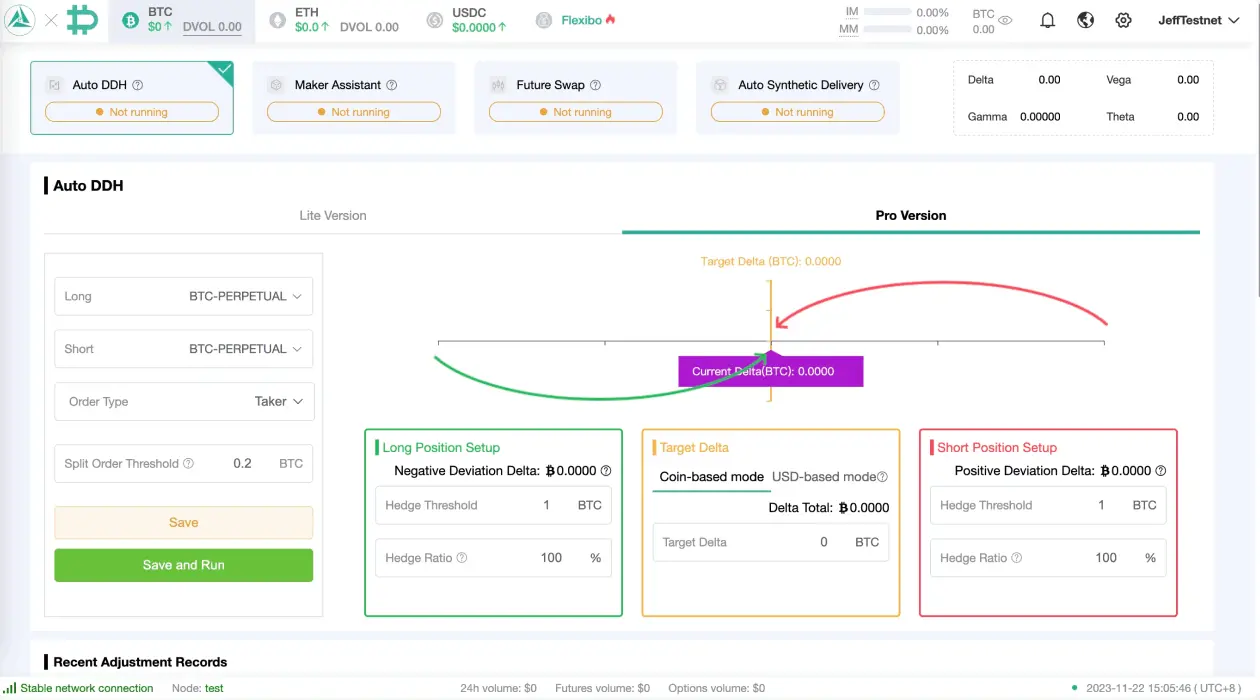
A robust automated delta hedging system acts as a critical circuit breaker, dynamically adjusting portfolio sensitivities to neutralize the directional exposure inherent in these delayed reporting scenarios. Such a system ensures that the intrinsic value of the position remains insulated from the underlying asset’s price fluctuations, preserving capital efficiency.
The core mechanism involves continuously rebalancing a portfolio’s delta, which quantifies the sensitivity of an option’s price to movements in its underlying asset. A delta-neutral position, by design, exhibits minimal directional bias, meaning its value remains largely unaffected by small price changes in the underlying security. Achieving this equilibrium is a dynamic endeavor, requiring constant vigilance and precise adjustments.
The challenge intensifies when institutional players execute substantial, off-exchange transactions, often with reporting requirements that introduce a material lag. This delay in transparency provides a fertile ground for adverse selection and potential information leakage, magnifying the inherent risks associated with holding unhedged or inadequately hedged positions.
Automated delta hedging systems provide a crucial defense against directional risk during block trade reporting delays.
The very nature of block trading, intended to minimize market impact by executing large orders away from the lit order book, inadvertently introduces this reporting lag. While beneficial for initial price discovery, the subsequent delay in public disclosure can create an exploitable information vacuum. Market participants with advanced analytical capabilities or proprietary insights can infer the directional exposure of the executing party, potentially front-running subsequent hedging activities.
This necessitates a proactive and technologically advanced approach to risk mitigation, moving beyond manual interventions to embrace programmatic control. Automated systems track market fluctuations in real time, executing the necessary counter-trades with precision and speed, effectively eliminating the delays inherent in human reaction times.
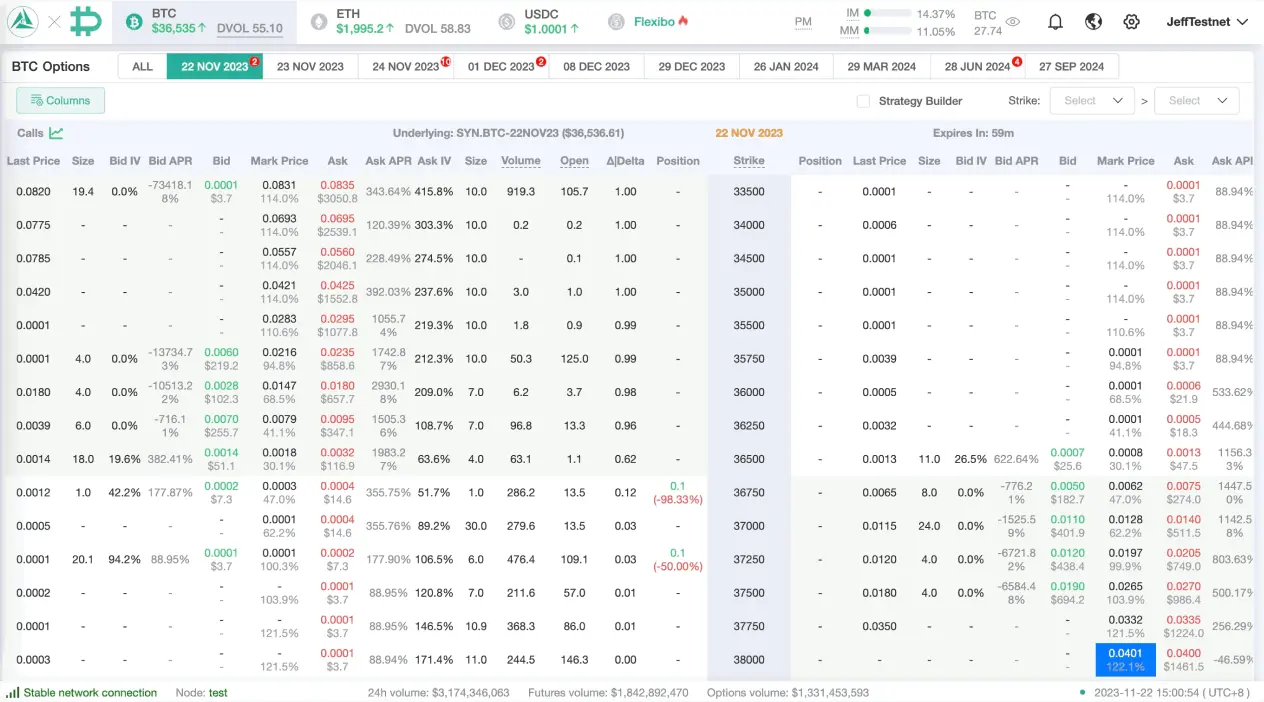
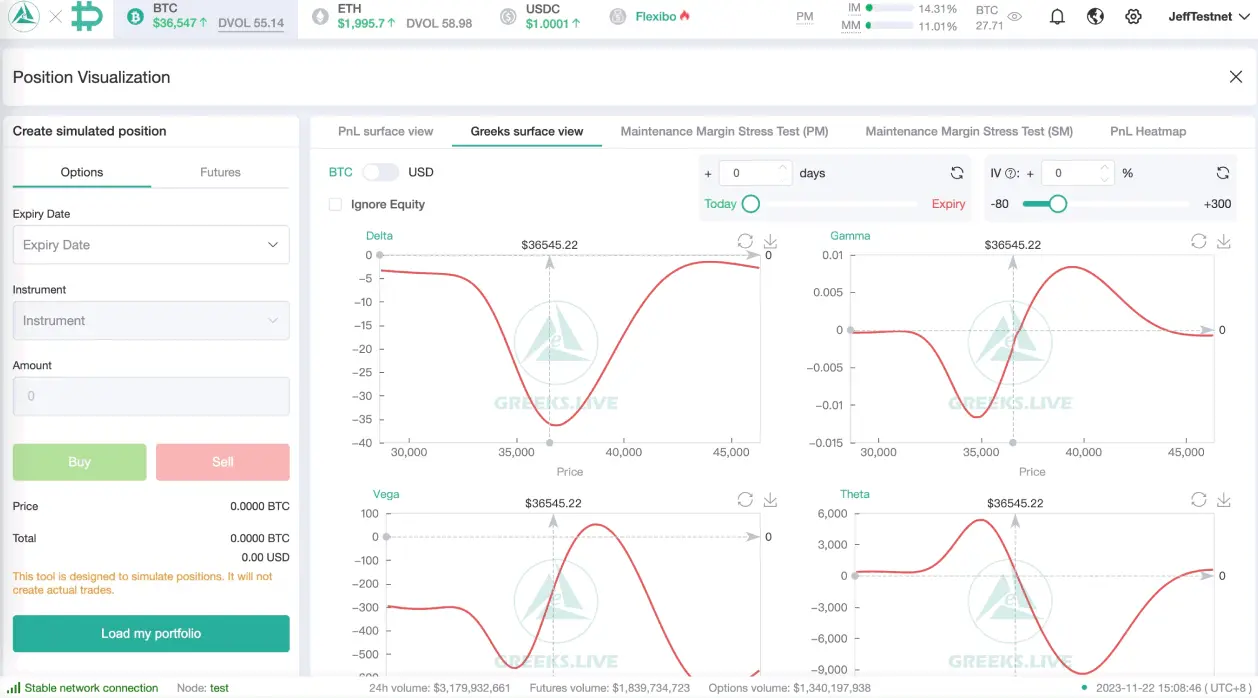
Understanding the interplay between delta, the underlying asset’s price, and other Greek sensitivities becomes paramount. Gamma, for instance, measures the rate of change of delta, indicating how quickly the directional exposure shifts with price movements. Vega quantifies sensitivity to volatility changes, a particularly important factor in options markets.
Rho measures interest rate sensitivity, while Theta reflects time decay. An automated system integrates these complex sensitivities into its continuous risk assessment, ensuring a holistic and responsive hedging posture.


Strategic Frameworks for Market Neutrality
Developing an effective strategy for automated delta hedging during block trade reporting delays requires a multi-layered approach, prioritizing real-time responsiveness and systematic control. The objective extends beyond simply offsetting directional risk; it encompasses optimizing execution quality and minimizing the secondary market impact of hedging activities. Strategic frameworks must account for the unique characteristics of large, illiquid block positions, which can themselves influence market dynamics. The overarching goal involves establishing a robust, adaptive mechanism that can autonomously maintain a delta-neutral profile, or a targeted risk profile, even as market conditions evolve rapidly.
One primary strategic consideration involves the choice between continuous and discrete rebalancing. Continuous rebalancing aims to maintain perfect delta neutrality at all times, theoretically eliminating directional risk. This approach, while mathematically elegant, can incur substantial transaction costs due to frequent trading, particularly in volatile markets or for less liquid underlying assets. Discrete rebalancing, conversely, involves adjusting hedges at predefined intervals or when the portfolio’s delta deviates beyond a specified threshold.
This method balances transaction costs against the temporary exposure to directional risk, requiring careful calibration of rebalancing frequency and delta thresholds. Automated systems excel at managing these trade-offs, executing adjustments with a speed and consistency unattainable through manual processes.
Balancing transaction costs and directional risk exposure defines the rebalancing strategy for automated hedging.
Another crucial element involves the integration of predictive analytics and machine learning models. These advanced tools can forecast short-term price movements and volatility shifts, enabling the hedging system to anticipate changes in delta and pre-position hedging orders. By learning from historical market data and execution outcomes, these algorithms can refine their rebalancing strategies, improving efficiency and reducing slippage. The strategic deployment of such intelligence layers transforms a reactive hedging system into a proactive risk management framework, capable of navigating complex market scenarios with greater foresight.
The strategic blueprint for mitigating block trade reporting delays often incorporates the use of Request for Quote (RFQ) mechanics for the hedging leg of the transaction. For institutional participants executing large, complex options positions, an RFQ protocol facilitates bilateral price discovery with multiple liquidity providers. This discreet protocol helps source off-book liquidity, minimizing the market impact that might arise from placing large hedging orders directly onto a public exchange. The automated system can generate and manage these RFQs, evaluating responses from multiple dealers to achieve optimal execution for the hedging components, thereby reducing the overall cost of risk mitigation.
A strategic overview of automated delta hedging systems highlights several critical components:
- Real-Time Market Data Integration ▴ Consuming low-latency data feeds for underlying asset prices, implied volatilities, and order book depth.
- Greeks Calculation Engine ▴ Continuously computing delta, gamma, vega, theta, and rho for all options positions using robust pricing models.
- Risk Threshold Management ▴ Defining acceptable ranges for delta deviation, maximum loss, and exposure limits before triggering rebalancing.
- Algorithmic Execution Module ▴ Employing smart order routing and execution algorithms to minimize market impact and transaction costs for hedging trades.
- Continuous Monitoring and Alerting ▴ Providing real-time oversight of portfolio risk metrics and generating alerts for unusual market movements or limit breaches.
The following table illustrates a comparative overview of dynamic hedging strategies:
| Strategy Type | Rebalancing Frequency | Transaction Cost Implication | Risk Exposure During Interval | Ideal Market Conditions |
|---|---|---|---|---|
| Continuous Rebalancing | Very High (Near Real-Time) | High | Minimal | Highly Liquid, Low Volatility |
| Threshold-Based Rebalancing | Variable (When Delta Breaches Limit) | Moderate | Controlled (Within Threshold) | Moderate Volatility, Sufficient Liquidity |
| Time-Based Rebalancing | Fixed Intervals (e.g. Hourly) | Moderate | Variable (Depends on Market Movement) | Stable, Predictable Volatility |
| Gamma Hedging Overlay | Dynamic (Based on Gamma Exposure) | Can be High | Reduced Gamma Risk | High Volatility, Long-Dated Options |


Operationalizing Real-Time Risk Containment
The execution phase of automated delta hedging systems, particularly when confronted with block trade reporting delays, necessitates a sophisticated orchestration of technology, quantitative models, and operational protocols. This stage transforms strategic intent into tangible risk mitigation, demanding a seamless integration of disparate systems to achieve precise and timely adjustments. The objective centers on the programmatic execution of hedging trades, ensuring that the directional exposure arising from a large options block is neutralized before reporting delays allow for adverse market reactions. This operationalization requires a deep understanding of market microstructure and the precise application of algorithmic controls.

The Operational Playbook
Implementing an automated delta hedging system for delayed block trade reporting follows a structured, multi-step procedural guide. This operational playbook prioritizes speed, accuracy, and robust error handling to maintain a resilient risk posture.
- Position Ingestion and Normalization ▴
- Data Feed Integration ▴ Connect to internal Order Management Systems (OMS) and Execution Management Systems (EMS) for real-time ingestion of block trade details, including underlying asset, strike price, expiration, and quantity.
- Reference Data Validation ▴ Cross-reference incoming trade data with static reference data (e.g. contract specifications, holiday calendars) to ensure accuracy.
- Real-Time Greeks Calculation ▴
- Pricing Model Application ▴ Employ a robust, low-latency pricing engine (e.g. Black-Scholes-Merton variations, binomial models) to calculate delta, gamma, vega, and theta for the newly acquired options position.
- Parameter Calibration ▴ Continuously calibrate model inputs, especially implied volatility, using real-time market data to ensure accuracy.
- Delta Neutrality Target Definition ▴
- Risk Policy Configuration ▴ Define the target delta range (e.g. 0 ± 0.05) based on institutional risk policies and the specific characteristics of the block trade.
- Initial Hedge Sizing ▴ Calculate the initial quantity of the underlying asset required to achieve delta neutrality, considering the option’s delta and the notional value.
- Algorithmic Hedge Execution ▴
- Execution Algorithm Selection ▴ Choose appropriate execution algorithms (e.g. VWAP, TWAP, dark pool seeking algorithms) for the hedging trades to minimize market impact and transaction costs.
- Smart Order Routing ▴ Utilize smart order routing logic to direct hedging orders to venues offering optimal liquidity and pricing for the underlying asset.
- Order Slicing and Pacing ▴ Break down large hedging orders into smaller, more manageable child orders to avoid signaling intentions to the market.
- Continuous Monitoring and Rebalancing ▴
- Market Data Monitoring ▴ Continuously track real-time price movements of the underlying asset and implied volatilities.
- Dynamic Delta Recalculation ▴ Recalculate the portfolio’s delta and the required hedge quantity at a high frequency (e.g. every few milliseconds).
- Threshold-Based Triggering ▴ Automatically initiate new hedging trades when the portfolio’s delta deviates beyond the predefined tolerance thresholds.
- Post-Trade Analysis and Optimization ▴
- Transaction Cost Analysis (TCA) ▴ Analyze the execution quality and costs of hedging trades to identify areas for algorithmic improvement.
- Hedge Effectiveness Measurement ▴ Quantify the effectiveness of the delta hedging strategy in mitigating directional risk and minimizing P&L fluctuations.

Quantitative Modeling and Data Analysis
The foundation of automated delta hedging rests upon rigorous quantitative modeling and continuous data analysis. The models employed must be capable of processing vast streams of market data in real-time, deriving accurate Greek sensitivities, and informing optimal hedging decisions. This involves more than simply applying the Black-Scholes formula; it encompasses dynamic calibration, scenario analysis, and the continuous refinement of algorithmic parameters.
Consider a scenario where an institution executes a block trade of 10,000 call options on a technology stock. The options have a delta of 0.65, meaning for every $1 increase in the stock price, the option price increases by $0.65. To achieve delta neutrality, the system must short 6,500 shares of the underlying stock (10,000 options 0.65 delta).
However, this delta is not static; it changes with the underlying price, time to expiration, and volatility. The system must continuously monitor these factors and adjust the short position accordingly.
The following table illustrates the dynamic adjustment of a delta hedge for a hypothetical options position:
| Time (T) | Underlying Price (S) | Option Delta (Δ) | Options Held | Required Shares (Short) | Current Shares (Short) | Hedge Action | Cost/Revenue of Hedge Action |
|---|---|---|---|---|---|---|---|
| T0 (Initial) | $100.00 | 0.65 | 10,000 | 6,500 | 0 | Short 6,500 shares | $650,000 |
| T+5 min | $100.50 | 0.66 | 10,000 | 6,600 | 6,500 | Short 100 shares | $10,050 |
| T+10 min | $99.80 | 0.64 | 10,000 | 6,400 | 6,600 | Buy 200 shares | -$19,960 |
| T+15 min | $101.20 | 0.68 | 10,000 | 6,800 | 6,400 | Short 400 shares | $40,480 |
| T+20 min | $100.90 | 0.67 | 10,000 | 6,700 | 6,800 | Buy 100 shares | -$10,090 |
This table demonstrates the constant need for rebalancing. The “Required Shares (Short)” column represents the ideal hedge, derived from the option’s delta. The “Hedge Action” column details the trades executed by the automated system to bring the “Current Shares (Short)” in line with the required level. Each adjustment incurs a transaction cost or generates revenue, which the system must optimize.
The Black-Scholes model, for example, provides the theoretical framework for calculating these Greeks, assuming a continuous hedging process. In practice, discrete rebalancing introduces hedging error, which advanced systems aim to minimize through intelligent algorithms and real-time data feeds.

Predictive Scenario Analysis
Consider an institutional trading desk executing a substantial block trade of Bitcoin options. The desk sells 5,000 BTC call options with a strike price of $70,000 and an expiration three months out. The current Bitcoin spot price is $68,000. Due to the block trade’s size and regulatory protocols, the transaction has a mandated reporting delay of 30 minutes to the broader market.
This delay, while designed to protect the liquidity provider from immediate market impact, simultaneously exposes the trading desk to significant directional risk if the Bitcoin price moves sharply before the hedge can be fully implemented and reported. The desk’s automated delta hedging system springs into action, recognizing the immediate need to establish a delta-neutral position.
At the moment of execution, the pricing engine within the automated system calculates the options’ aggregate delta as -2,500. This implies that for every $1 increase in Bitcoin’s price, the options position would lose $2,500. To neutralize this, the system initiates an immediate purchase of 2,500 BTC in the spot market. However, the market is not static.
Within the first five minutes of the reporting delay, a major financial news outlet releases an analyst report with an unexpectedly bullish outlook on institutional adoption of digital assets. Bitcoin’s price surges from $68,000 to $69,500. The automated system, continuously monitoring market data feeds at sub-second intervals, immediately recalculates the options’ delta. Due to the price increase, the options move further in-the-money, and their delta increases from -0.50 to -0.60 per option.
The aggregate delta for the 5,000 options now stands at -3,000. The system identifies a 500 BTC shortfall in the hedge and, using a low-latency execution algorithm, places orders to acquire an additional 500 BTC in the spot market. This rapid rebalancing prevents a potential loss of $750,000 (500 BTC $1,500 price increase) that would have occurred had the hedge remained static.
As the reporting delay progresses, another unforeseen event occurs. A prominent whale investor liquidates a large position, causing a temporary dip in Bitcoin’s price to $69,000. The system again recalibrates the delta, which now slightly decreases to -0.58 per option, resulting in an aggregate delta of -2,900. The automated system, recognizing an over-hedged position, executes a sale of 100 BTC to bring the hedge back to the desired neutrality.
This iterative process of monitoring, recalculating, and rebalancing continues throughout the entire 30-minute reporting delay. The system dynamically adjusts its spot Bitcoin position, effectively insulating the options portfolio from the volatile price swings. By the time the block trade is publicly reported, the trading desk’s delta exposure has been maintained within a tight, pre-defined tolerance band, demonstrating the system’s ability to contain risk during periods of opaque market information. This constant vigilance, driven by real-time data and intelligent algorithms, prevents significant P&L erosion and preserves the integrity of the institutional position, transforming potential liabilities into managed exposures. The system’s proactive nature mitigates the information leakage risk, ensuring that opportunistic market participants cannot capitalize on the desk’s temporary exposure.

System Integration and Technological Architecture
The efficacy of automated delta hedging systems hinges upon a meticulously designed technological architecture and seamless system integration. This intricate ecosystem facilitates the rapid flow of data, the precision of quantitative calculations, and the low-latency execution of hedging trades. The architecture must support high-frequency operations, resilience, and scalability to handle the demands of institutional-grade trading.
At the core, the architecture typically involves several interconnected modules:
- Market Data Gateway ▴ This component ingests real-time, low-latency market data feeds from various exchanges and OTC venues. It processes tick-by-tick price updates, order book depth, and implied volatility surfaces. The use of high-performance messaging protocols, such as FIX (Financial Information eXchange) or proprietary binary protocols, ensures minimal data latency.
- Pricing and Analytics Engine ▴ This module houses the quantitative models responsible for calculating option Greeks (delta, gamma, vega, theta, rho). It utilizes advanced computational techniques, often involving GPU acceleration for parallel processing, to perform complex calculations in sub-millisecond timeframes. The engine must support a variety of option pricing models, from standard Black-Scholes to more complex jump-diffusion or stochastic volatility models, adaptable to different asset classes.
- Risk Management Module ▴ This central component aggregates risk metrics across the entire portfolio. It monitors delta exposure, P&L, VaR (Value at Risk), and stress testing scenarios in real-time. Configurable risk limits trigger automated alerts or pre-defined hedging actions when thresholds are breached. This module also manages collateral and margin requirements, crucial for maintaining capital efficiency.
- Execution Management System (EMS) Integration ▴ The automated hedging system integrates directly with the firm’s EMS to route hedging orders. This integration leverages APIs (Application Programming Interfaces) for order placement, cancellation, and modification. The EMS, in turn, connects to various liquidity venues, including exchanges, dark pools, and OTC desks, ensuring optimal execution for the underlying assets.
- Order Management System (OMS) Integration ▴ The OMS provides the definitive record of all positions. The hedging system receives initial block trade details from the OMS and updates it with all subsequent hedging transactions. This ensures a consistent view of the firm’s overall exposure and compliance with internal and external reporting requirements.
- Algorithmic Trading Engine ▴ This module contains the pre-programmed execution algorithms (e.g. VWAP, TWAP, Implementation Shortfall, liquidity-seeking algorithms) that slice large hedging orders into smaller, market-friendly pieces. It optimizes trade timing, venue selection, and price limits to minimize market impact and transaction costs.
The communication between these modules is paramount. A high-throughput, low-latency messaging backbone, often implemented using technologies like Apache Kafka or custom in-memory data grids, ensures that data flows seamlessly and without bottlenecks. The entire system operates as a cohesive unit, a digital nervous system for risk management, capable of responding to market stimuli with deterministic precision.
The deployment of redundant systems and robust failover mechanisms further ensures continuous operation and data integrity, even under extreme market conditions. This intricate setup transforms the inherent risk of delayed reporting into a manageable, computationally governed process.
System integration and a robust technological architecture are fundamental to effective automated delta hedging.
The constant evolution of market microstructure and regulatory landscapes requires these systems to be modular and adaptable. New pricing models, execution algorithms, or reporting requirements can be integrated without necessitating a complete overhaul of the existing infrastructure. This forward-looking design ensures the longevity and continued efficacy of the automated hedging framework, providing a persistent operational advantage in a dynamic market environment.

References
- Black, F. & Scholes, M. (1973). The Pricing of Options and Corporate Liabilities. Journal of Political Economy, 81(3), 637-654.
- Cox, J. C. Ross, S. A. & Rubinstein, M. (1979). Option Pricing ▴ A Simplified Approach. Journal of Financial Economics, 7(3), 229-263.
- Frino, A. Galati, L. & Gerace, D. (2022). Reporting Delays and the Information Content of Off-Market Trades. Journal of Futures Markets, 42(6), 1019-1037.
- ISDA. (2011). Block Trade Reporting for Over-the-Counter Derivatives Markets. International Swaps and Derivatives Association.
- Madhavan, A. (2000). Market Microstructure ▴ A Practitioner’s Guide. Oxford University Press.
- Merton, R. C. (1973). Theory of Rational Option Pricing. The Bell Journal of Economics and Management Science, 4(1), 141-183.
- O’Hara, M. (1995). Market Microstructure Theory. Blackwell Publishers.
- Pintér, G. Wang, C. & Zou, J. (2024). Size Discount and Size Penalty ▴ Trading Costs in Bond Markets. The Review of Financial Studies, 37(7), 2156-2190.

Sustaining a Positional Advantage
The dynamic interplay between market transparency, execution latency, and risk mitigation defines the operational landscape for institutional participants. Understanding how automated delta hedging systems function as a real-time defense mechanism during block trade reporting delays moves beyond theoretical constructs. It forces an introspection into the robustness of one’s own operational framework. Is your system merely reactive, or does it possess the predictive intelligence and architectural resilience to anticipate and neutralize exposures before they manifest as significant liabilities?
A firm grasp of these complex systems ultimately empowers a strategic edge, transforming inherent market frictions into opportunities for superior capital management. The continuous evolution of financial markets demands a corresponding evolution in the tools and methodologies employed for risk containment. It is a fundamental truth.

Glossary

Directional Risk

Block Trade

Automated Delta Hedging System

Capital Efficiency

Underlying Asset

Minimize Market Impact

Risk Mitigation

Automated System

During Block Trade Reporting Delays

Automated Delta Hedging

Transaction Costs

Delta Neutrality

Hedging System

Hedging Orders

Block Trade Reporting Delays

Market Impact

Automated Delta Hedging Systems

Market Data

Algorithmic Execution

Hedging Trades

Trade Reporting Delays

Delta Hedging Systems

Block Trade Reporting

Automated Delta

Transaction Cost Analysis

Delta Hedging

Hedging Systems

Market Microstructure