

Regulatory Architectures and Trading Velocity
Institutional principals often grapple with the paradox of block trading ▴ the imperative to execute substantial orders with minimal market disturbance, juxtaposed against regulatory mandates demanding greater transparency. This inherent tension defines the operational landscape for large-scale transactions. Navigating this environment requires a precise understanding of how different regulatory architectures, designed to balance market integrity with liquidity provision, directly impact the speed and discretion of block trade execution.
The execution velocity of block trades represents a critical metric for institutional efficiency, influencing portfolio performance and capital deployment. Regulations across various jurisdictions shape the available execution channels, disclosure requirements, and permissible trading protocols. A deeper comprehension of these rules allows for the strategic selection of venues and methods, optimizing outcomes in an increasingly fragmented market. Understanding these systemic influences provides a competitive advantage.

Foundational Elements of Large Transaction Execution
Block trades, characterized by their significant size, present unique challenges for market participants. Executing such orders on lit exchanges risks substantial price impact, potentially moving the market against the institutional investor. This phenomenon, known as information leakage, erodes execution quality and increases transaction costs. Consequently, institutional investors historically sought methods to transact large blocks away from public view, preserving price integrity.
Discreet execution channels are vital for mitigating adverse price movements inherent in large-scale transactions.
The historical evolution of block trading reflects a continuous effort to reconcile the need for deep liquidity with the demand for transactional discretion. Early forms involved direct bilateral negotiations between large institutions. With the advent of electronic trading, sophisticated alternative trading systems (ATS) and dark pools emerged, providing platforms for anonymous matching of block orders. These venues aim to reduce market impact by preventing the immediate public display of large order interest.
Market microstructure principles underscore the importance of liquidity provision for efficient price discovery. While block trades facilitate large capital transfers, their execution outside central limit order books (CLOBs) can influence overall market transparency. Regulatory bodies continually refine rules governing these off-exchange venues, striving to maintain a delicate balance between fostering liquidity and ensuring a fair, orderly market. The interplay between these forces shapes the available execution speeds and costs for large orders.

Information Asymmetry and Market Integrity
Information asymmetry stands as a central concern in the regulation of block trades. When one party possesses material non-public information (MNPI) regarding an impending large transaction, opportunistic trading strategies can exploit this knowledge. Such practices undermine market fairness and investor confidence. Regulatory frameworks address this by imposing strict disclosure requirements and surveillance mechanisms.
The speed of block trade execution often correlates with the degree of information leakage risk. Rapid, discreet execution minimizes the window for predatory trading. Conversely, delayed reporting, while offering discretion, carries its own set of risks, including exposure to adverse price movements over a longer period.
Regulators must weigh these trade-offs when designing reporting protocols. The objective centers on protecting investors while maintaining robust market functionality.
Different regulatory regimes employ varying approaches to managing information flow. Some jurisdictions prioritize immediate post-trade transparency, requiring rapid disclosure of executed block trades. Other regimes permit delayed reporting for larger transactions, recognizing the potential for market impact. The choice between these approaches directly influences the perceived speed and safety of block trade execution within a particular market.


Strategic Imperatives for Optimized Transactional Flow
Developing a robust strategy for block trade execution demands a nuanced understanding of global regulatory landscapes and their operational implications. Institutional principals recognize that optimal execution extends beyond securing a favorable price; it encompasses minimizing market impact, preserving anonymity, and achieving desired fill rates within acceptable timeframes. This requires a dynamic approach to venue selection and protocol application.
The fragmentation of liquidity across various trading venues, including lit exchanges, dark pools, and systematic internalizers, necessitates a sophisticated routing logic. Each venue operates under distinct regulatory conditions, influencing its suitability for different block sizes and asset classes. A strategic framework evaluates these options against specific execution objectives, aligning the transaction with the most advantageous regulatory environment.

Venue Selection under Diverse Jurisdictions
Jurisdictional differences profoundly affect strategic choices in block trading. MiFID II in Europe, for example, introduced stringent transparency requirements, categorizing venues and mandating pre- and post-trade disclosure based on trade size and instrument liquidity. This regulatory architecture encourages a more structured approach to off-exchange trading, pushing a portion of block liquidity towards regulated dark pools or systematic internalizers.
Effective venue selection depends on a thorough understanding of each market’s specific regulatory mandates and liquidity profiles.
Conversely, other regimes, such as those overseen by the SEC in the United States, have historically offered greater flexibility in off-exchange execution, albeit with continuous scrutiny regarding market fairness. The strategic implications involve assessing the trade-off between the perceived discretion of a particular venue and its compliance burden. Institutions continually refine their execution policies to reflect these evolving regulatory parameters.
Consideration of regional regulatory variations becomes paramount for global portfolios. A transaction executed with a certain level of discretion in one market might face immediate public disclosure in another, directly impacting execution speed and potential market reaction. This geographic variance compels trading desks to maintain adaptive strategies, ensuring compliance while pursuing best execution across diverse regulatory architectures.

Leveraging Request for Quote Protocols
Request for Quote (RFQ) protocols represent a cornerstone of institutional block trading, particularly in derivatives and less liquid assets. RFQ systems enable bilateral price discovery between an initiating party and multiple liquidity providers, preserving discretion over order size and intention. This bilateral communication channel is a direct response to the need for tailored liquidity sourcing.
High-fidelity execution through RFQ mechanics supports multi-leg spreads, where a complex options strategy can be priced and executed as a single unit. This capability streamlines operational workflows and reduces the risk of legging risk. Discreet protocols, such as private quotations, further enhance anonymity, allowing institutions to solicit prices without revealing their complete trading interest to the broader market. System-level resource management, including aggregated inquiries, optimizes the process by efficiently channeling multiple requests to appropriate counterparties.
The strategic deployment of RFQ systems mitigates market impact by centralizing negotiations away from public order books. This controlled environment facilitates price formation for large blocks, enabling quicker execution than attempting to fill such orders incrementally on a lit exchange. The speed gain stems from the ability to find a single counterparty willing to absorb the entire block, rather than piecemeal execution.
The strategic decision to employ an RFQ protocol or to fragment an order across multiple venues often presents a complex analytical challenge. One might weigh the certainty of a negotiated price through RFQ against the potential for price improvement by interacting with diverse, smaller liquidity pools. The choice involves an intricate calculation of implicit costs, including market impact and information leakage, against explicit costs such as commissions and fees.
This necessitates a deep quantitative understanding of order book dynamics and counterparty behavior under varying market conditions.

Advanced Trading Applications and Automation
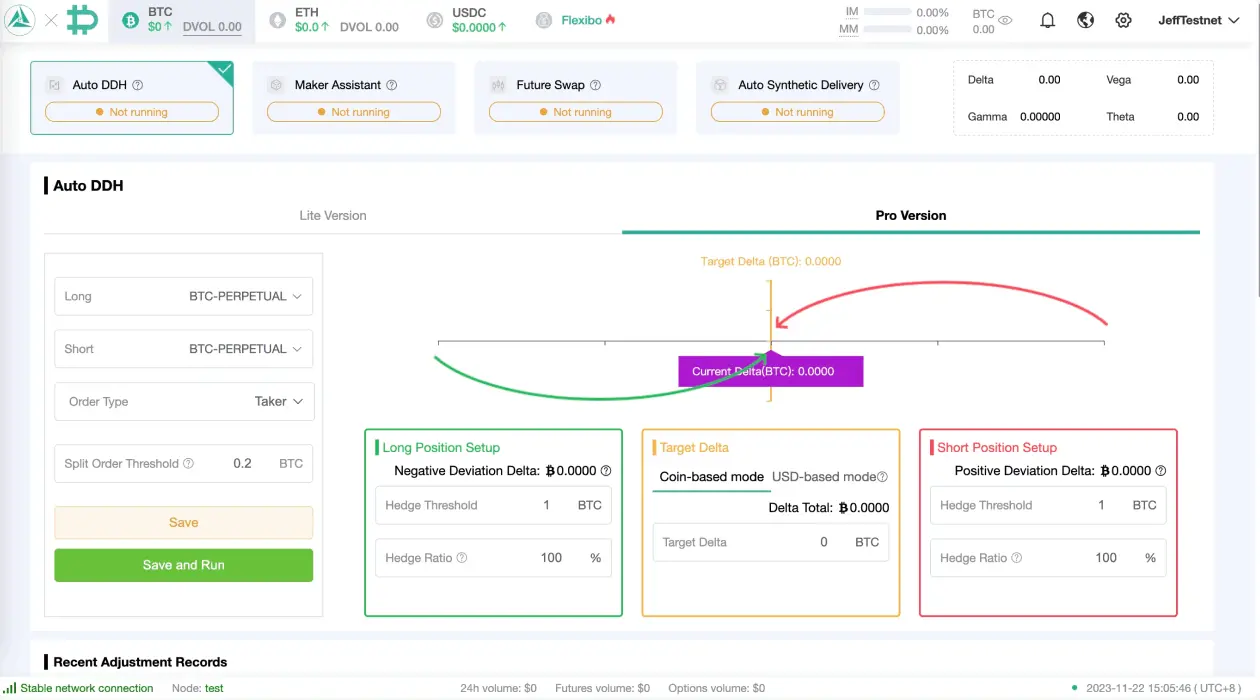
Sophisticated traders continuously seek to automate and optimize risk parameters within their block execution strategies. The integration of advanced trading applications, such as those supporting Synthetic Knock-In Options or Automated Delta Hedging (DDH), enhances control and precision. These tools allow for the systematic management of complex positions, reducing manual intervention and accelerating response times to market shifts.
Automated systems play a vital role in executing block trades that possess embedded hedging requirements. A Synthetic Knock-In Option, for instance, might trigger a series of underlying asset trades upon reaching a specific price level. Automated Delta Hedging ensures that the portfolio’s directional exposure remains within predefined limits, dynamically adjusting hedges as market prices fluctuate. This automation streamlines the execution process, contributing to faster and more efficient risk management.
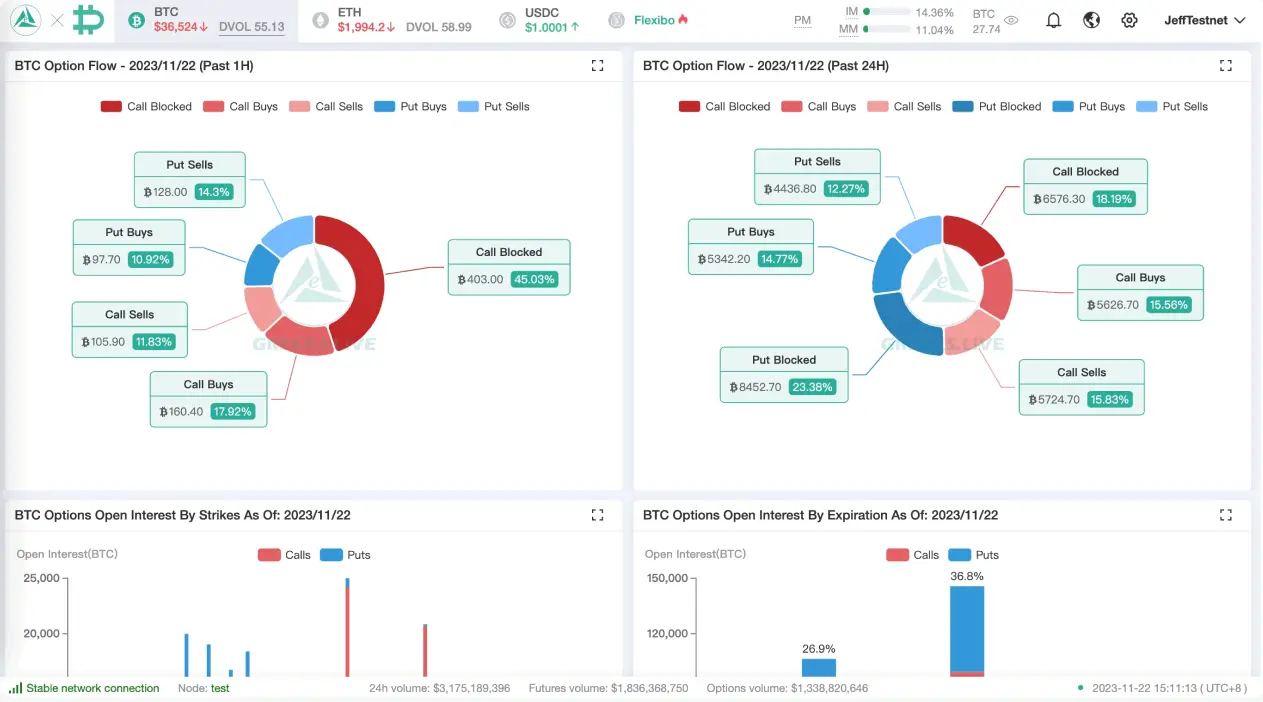
The intelligence layer, powered by real-time intelligence feeds, provides critical market flow data. This data informs algorithmic decision-making, allowing systems to identify optimal liquidity pockets and adjust execution tactics dynamically. Expert human oversight, provided by system specialists, complements automation, intervening for complex execution scenarios that demand qualitative judgment. This hybrid approach ensures both speed and precision in block trade execution.


Operationalizing Discretion and Velocity
Operationalizing discretion and velocity in block trade execution requires a meticulous understanding of specific technical standards, risk parameters, and quantitative metrics. Institutional execution desks function as command centers, translating strategic objectives into precise, measurable actions within milliseconds. The focus here remains on the tangible mechanisms that deliver superior outcomes within the confines of diverse regulatory architectures.
The deep specifics of implementation involve navigating the intricate web of market microstructure, where every protocol choice carries quantifiable consequences for execution speed and quality. This section dissects the practical steps and analytical frameworks employed to achieve high-fidelity execution, ensuring capital efficiency and minimizing information leakage across varied asset classes.

Procedural Steps for Discreet Execution
Executing block trades with optimal speed and minimal impact relies upon a series of carefully orchestrated procedural steps. The initial phase involves internalizing the order within the firm’s order management system (OMS) and execution management system (EMS), where pre-trade analytics assess market depth, volatility, and potential impact. This analytical phase informs the choice of execution venue and protocol.
For equity block trades, a common approach involves engaging a block house or a prime broker with established relationships across institutional liquidity providers. These intermediaries often leverage their network to find natural counterparties without exposing the order to the broader market. This bilateral negotiation, frequently conducted via secure communication channels, facilitates rapid price discovery and execution. The speed of this process directly depends on the intermediary’s network breadth and efficiency in matching interests.
Derivatives block trades, particularly options, often rely on sophisticated RFQ systems. The institution sends an inquiry to a select group of dealers, specifying the instrument, quantity, and desired tenor. Dealers respond with competitive bids and offers, often within seconds. The initiating party then selects the most favorable quote, leading to near-instantaneous execution.
This protocol ensures competitive pricing while maintaining order anonymity. The efficiency of these systems is paramount for managing complex options strategies.
Regulatory reporting obligations follow execution. Jurisdictions like those under MiFID II mandate specific post-trade transparency requirements, often with deferral periods for large-in-scale (LIS) transactions. The timing of these disclosures directly influences the market’s awareness of the block trade, affecting subsequent price movements. Compliance teams meticulously manage these reporting timelines to balance transparency with the strategic objective of minimizing market impact.

Quantitative Metrics for Performance Assessment
Quantifying execution quality for block trades requires a rigorous set of metrics. Transaction Cost Analysis (TCA) stands as a foundational tool, measuring the explicit and implicit costs associated with an order’s execution. Slippage, representing the difference between the expected price and the actual execution price, serves as a critical indicator of market impact. Minimizing slippage remains a primary objective for institutional traders.
Implementation shortfall, a comprehensive measure, captures the total cost of an order from the decision to trade until its full execution. This metric accounts for commissions, fees, market impact, and opportunity costs. A smaller implementation shortfall signifies more efficient execution. Volume-weighted average price (VWAP) and time-weighted average price (TWAP) algorithms represent common benchmarks against which block trade performance is measured.
These algorithms aim to distribute orders over time to mitigate market impact, though their effectiveness depends on market conditions and liquidity profiles. Optimal execution models, often employing stochastic control theory, seek to minimize a combination of market impact and price risk over a defined liquidation horizon. These models determine the optimal rate of participation in the market, balancing the desire for rapid execution with the need to avoid adverse price movements. Researchers frequently develop micro-founded risk-liquidity premia to accurately assess the true costs and risks associated with executing large blocks of shares.
This allows for a more precise valuation of illiquid positions, moving beyond simple mark-to-market pricing. The continuous refinement of these quantitative tools provides a sharper lens through which to evaluate and enhance block trade execution speed and efficiency.
Fill rates, representing the percentage of an order successfully executed, also measure performance. High fill rates, especially for block orders, indicate robust liquidity sourcing and effective counterparty engagement. Lower fill rates suggest challenges in finding sufficient liquidity or managing market impact, potentially leading to fragmented execution and increased overall costs.
| Metric | Description | Impact on Execution Speed |
|---|---|---|
| Slippage | Difference between expected price and actual execution price. | Higher slippage often correlates with attempts at overly rapid execution in illiquid markets. |
| Implementation Shortfall | Total cost from decision to trade through full execution, including market impact. | A comprehensive measure, indicating the efficiency of execution over time. |
| Fill Rate | Percentage of total order quantity executed. | Higher rates imply faster, more complete execution with available liquidity. |
| VWAP Deviation | Variance from Volume-Weighted Average Price. | Assesses how effectively an execution strategy minimizes impact over the trading day. |

Regulatory Influences on Execution Protocols
Regulatory regimes directly shape the permissible execution protocols and their influence on speed. MiFID II’s pre-trade transparency requirements for commodity derivatives and emission certificates, for example, mandate that pre-arranged transactions (block trades) be made transparent before execution, unless they qualify for specific waivers such as “Large In Scale” (LIS) or “Illiquid Instruments.” This regulation, while promoting transparency, introduces a procedural step that can affect execution speed for non-waivered trades.
The European regulatory framework, through MiFIR, requires investment firms to publish quarterly execution quality reports and annually disclose their top five execution venues. This focus on best execution drives firms to select venues and protocols that demonstrably achieve superior outcomes, implicitly favoring those that facilitate rapid, low-impact block trade execution.
In the United States, SEC regulations regarding dark pools and block trade reporting also influence execution dynamics. While dark pools offer anonymity, ongoing regulatory scrutiny ensures their operation maintains market integrity. The debate surrounding “trade-at” rules, which would require client trades to be sent to exchanges unless a meaningfully better price is available elsewhere, could significantly alter the landscape for off-exchange block execution, potentially impacting speed and discretion.
| Regulatory Regime | Key Transparency Requirement | Impact on Execution Speed | Strategic Response |
|---|---|---|---|
| MiFID II (Europe) | Pre-trade transparency for non-LIS/Illiquid blocks, post-trade deferrals. | Potentially slower for non-waivered trades due to pre-trade publication. | Leverage LIS waivers, utilize RFQ for discreet price discovery. |
| SEC (United States) | Scrutiny of dark pools, potential “trade-at” rules. | Potential shift to lit venues or broker internalization, affecting speed for some blocks. | Careful venue selection, strong broker relationships for liquidity sourcing. |
| UMIR (Canada) | Price improvement rule for dark orders. | May direct orders to venues offering better pricing, potentially impacting speed for some dark orders. | Focus on best price execution across all available venues. |
The constant evolution of these regulatory mandates compels institutional trading desks to maintain adaptable systems and strategies. Compliance with reporting obligations, while critical, must integrate seamlessly into the execution workflow to avoid introducing unnecessary delays. The ultimate objective centers on achieving a decisive operational edge by mastering the intricate interplay between regulatory constraints and market dynamics.

References
- Guéant, O. (2014). Execution and Block Trade Pricing with Optimal Constant Rate of Participation. Journal of Mathematical Finance, 4, 255-264.
- Menkveld, A. J. & Schramm, M. (2018). Regulating Dark Trading ▴ Order Flow Segmentation and Market Quality. Journal of Financial Economics, 129(2), 333-352.
- AMF. (2008). Block Trades, Fragmentation and the Markets in Financial Instruments Directive. AMF Working Paper.
- FCA. (2017). Market Watch 55 ▴ MiFID II Transaction Reporting. Financial Conduct Authority.
- ICMA. (2017). MiFID II – Practical Implications for Fixed Income Trading. ICMA Workshop Report.
- EEX. (2020). MiFID II/MiFIR – General Information. European Energy Exchange.
- Investopedia. (2023). Block Trade Explained ▴ Definition, Process, and Market Impact.
- Investopedia. (2023). Understanding Dark Pools ▴ A Guide to Private Securities Trading.
- QuestDB. (2023). Block Trade Reporting.
- SEC. (2011). Regulation SBSR ▴ Reporting and Dissemination of Security-Based Swap Information. U.S. Securities and Exchange Commission.
- SEC. (2024). SEC Settles Charges Against Firm for Disclosing MNPI on Block Trades. The 40 Act Blog.
- Guide for drafting/review of Execution Policy under MiFID II. (2017).

Strategic Operational Synthesis
Reflecting upon the intricate mechanics of block trade execution under varying regulatory regimes prompts a critical examination of one’s own operational framework. The insights gained, from the nuances of pre-trade transparency mandates to the strategic deployment of RFQ protocols, are components within a larger, interconnected system of market intelligence. A superior edge in this complex environment stems not merely from isolated tactical victories, but from a holistic, adaptive architecture that anticipates regulatory shifts and leverages technological advancements. Consider how your current systems dynamically adjust to these forces, transforming regulatory constraints into pathways for enhanced capital efficiency and execution velocity.

Glossary

Block Trade Execution

Block Trades

Market Impact

Dark Pools

Market Microstructure

Trade Execution

Post-Trade Transparency

Regulatory Regimes

Block Trade

Mifid Ii

Execution Speed

Large-In-Scale

Transaction Cost Analysis

Slippage

Implementation Shortfall

Sec Regulations