

Discretionary RFQ and Information Sensitivity
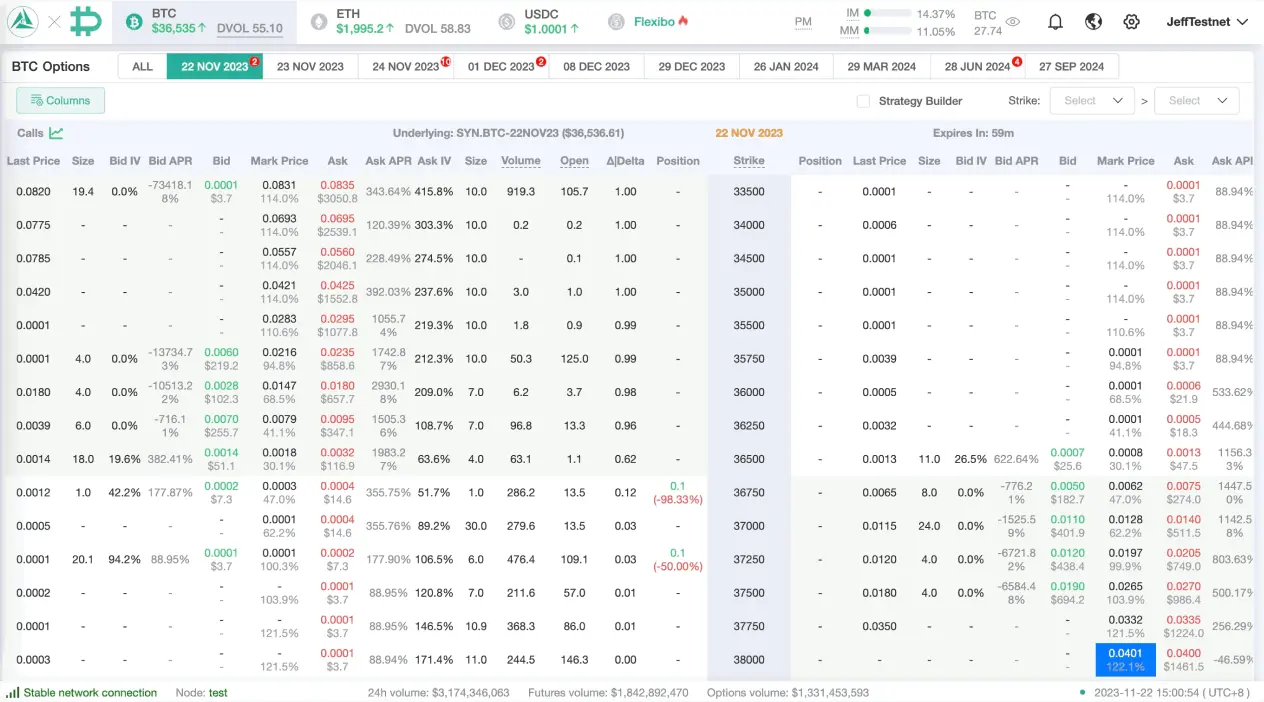
Principals navigating the intricate landscape of illiquid crypto options face a persistent challenge ▴ executing substantial orders without inadvertently revealing their strategic intent to the broader market. The pursuit of optimal price discovery in these specialized derivatives often involves interacting with bespoke trading mechanisms. Discretionary Request for Quote (RFQ) protocols represent a critical tool within this environment, designed to facilitate off-exchange price formation. These protocols enable market participants to solicit quotes from a select group of liquidity providers, often without immediate public disclosure of their trading interest.
The inherent value proposition of a discretionary RFQ system centers on its capacity to provide access to deep, multi-dealer liquidity for larger block trades, which would otherwise struggle to find efficient execution on lit order books. Such platforms allow for simultaneous quote requests from multiple dealers, potentially on an anonymous basis, thereby preventing information leakage and mitigating adverse pre-trade price movements. A core objective is to aggregate competitive prices onto a single screen, offering an execution advantage by shielding a client’s identity.
Discretionary RFQ protocols enable private price discovery for large crypto option blocks, mitigating overt market signaling.
Understanding the market microstructure of illiquid crypto options reveals why information asymmetry presents a significant concern. Illiquid markets are characterized by wide bid-ask spreads, low trading volumes, and heightened sensitivity to order flow. In such conditions, a large order placed directly on an exchange could instantly move the market against the trader, incurring substantial slippage.
The limited literature on crypto options market microstructure underscores the nascent nature of this asset class, with research indicating that market makers demand an illiquidity premium to offset hedging and rebalancing costs, especially when holding net-long positions. This premium reflects the elevated risks associated with providing liquidity in an environment where information is not uniformly distributed.
The essence of information leakage within these markets revolves around the potential for market participants, particularly informed traders, to infer a large order’s direction or size from even subtle market signals. This inference can lead to adverse selection, where counterparties with superior information capitalize on the less informed trader’s need to transact. The risk of adverse selection is pronounced in over-the-counter (OTC) markets, where dealers might even chase informed orders by offering tighter spreads, anticipating future price movements. This dynamic transforms adverse selection into a winner’s curse for liquidity providers when bidding for uninformed flow.

Illiquidity’s Pervasive Influence
Illiquidity profoundly shapes the operational dynamics of crypto options. A market’s capacity to absorb significant trading volume without substantial price impact defines its liquidity profile. Cryptocurrency markets, in general, often exhibit lower liquidity compared to traditional asset classes, a characteristic exacerbated in the options segment.
This inherent illiquidity stems from factors such as nascent exchange infrastructure, concentrated holdings, and regulatory uncertainties. The challenge of sourcing executable prices for large option blocks becomes a primary driver for institutional participants to seek specialized, off-exchange solutions.
Market makers in illiquid option markets face unique pressures. Their costs, reflected in bid-ask spreads, encompass inventory risk from varying exposures and the burden of guaranteeing liquidity. Research supports the “derivative hedge theory,” which posits that option percentage spreads inversely correlate with a market maker’s ability to hedge positions, proportionate to associated costs.
This theoretical framework underscores the interconnectedness between option market liquidity and the liquidity of the underlying asset. Consequently, the operational design of RFQ protocols must directly address these structural market characteristics to provide meaningful protection against informational disadvantage.


Orchestrating Discreet Liquidity Sourcing
Crafting an effective strategy for engaging with discretionary RFQ protocols in illiquid crypto options requires a precise understanding of their operational mechanics and the prevailing market microstructure. The strategic imperative involves securing optimal execution while meticulously safeguarding proprietary information. This dual objective is achieved through a systematic approach that leverages the structural advantages of these off-exchange mechanisms.
One fundamental strategic pillar centers on multi-dealer liquidity. Platforms that enable simultaneous quote solicitation from numerous counterparties significantly enhance competition among liquidity providers. This competitive dynamic often results in tighter spreads and improved pricing for the initiator. By engaging a broad network of dealers, an institution diversifies its exposure to individual market maker inventory positions and pricing biases, leading to a more robust and less susceptible price discovery process.
Strategic RFQ engagement prioritizes multi-dealer competition and anonymous interaction to preserve alpha.

Mitigating Informational Asymmetry
The deliberate use of anonymous trading functionality stands as a cornerstone in combating information leakage. When a trader’s identity or desired trade direction remains undisclosed, market makers cannot infer future order flow or the urgency of the transaction. This anonymity disrupts the information transmission channel that informed participants might otherwise exploit, thereby reducing the risk of adverse selection.
Academic research confirms that asymmetric information directly contributes to price impact in block trading, with greater asymmetry amplifying this effect. Therefore, maintaining a discreet posture is paramount.
Furthermore, the strategic application of multi-leg execution within an RFQ framework addresses the complexities of options spreads. Rather than executing individual legs sequentially on a public exchange, which would expose the overall strategy, a multi-leg RFQ allows for the entire spread to be quoted and executed as a single, atomic transaction. This atomic execution capability is particularly beneficial for complex strategies such as BTC straddles or ETH collars, where the relative pricing of each leg is crucial to the strategy’s profitability.
A sophisticated approach also considers the timing of RFQ submissions. In volatile or highly illiquid market conditions, the immediacy of execution becomes a critical factor. However, haste can inadvertently create market impact. A judicious strategy involves balancing the need for speed with the desire for optimal pricing, potentially utilizing RFQ platforms that offer rapid, yet discreet, quote aggregation and execution.

Comparative Execution Protocols
Understanding the differences between various execution protocols provides a strategic advantage.
- RFQ (Request for Quote) ▴ This bilateral price discovery mechanism allows a client to solicit prices from a chosen set of liquidity providers. It offers discretion and is particularly suited for large, illiquid, or complex multi-leg trades.
- Central Limit Order Book (CLOB) ▴ A public, transparent order book where bids and offers are displayed to all participants. While offering potential for price improvement in liquid markets, large orders risk significant market impact and information leakage in illiquid crypto options.
- Dark Pools ▴ These off-exchange venues facilitate large block trades without pre-trade transparency. They share some similarities with RFQ in terms of discretion but often involve different matching mechanisms and liquidity sourcing.
The strategic selection of an execution venue or protocol hinges on the specific characteristics of the trade, including size, desired price certainty, and sensitivity to information leakage. For illiquid crypto options, discretionary RFQ protocols often represent a superior choice due to their inherent design for managing information asymmetry.
| Strategic Element | Objective | Impact on Information Leakage |
|---|---|---|
| Multi-Dealer Solicitation | Maximize price competition, diversify liquidity sources | Reduces reliance on single counterparty, less signaling |
| Anonymous Trading | Prevent identity and intent revelation | Directly minimizes pre-trade information leakage |
| Multi-Leg Atomic Execution | Execute complex strategies as one unit | Avoids sequential exposure of individual legs |
| Discretionary Counterparty Selection | Engage trusted liquidity providers | Builds relationship capital, reduces counterparty risk |
| Pre-Trade Analytics | Assess market depth and volatility before inquiry | Informs optimal timing and size of RFQ, reduces adverse selection |
The intelligent application of these strategic elements allows institutions to transform the challenge of illiquid crypto options into an opportunity for superior execution. By systematically controlling information flow and leveraging competitive liquidity, market participants can achieve outcomes that are both capital-efficient and strategically advantageous.


Operationalizing Execution Discretion
Translating strategic intent into high-fidelity execution within the realm of discretionary RFQ protocols for illiquid crypto options demands a meticulous operational framework. The true value resides in the precise mechanics of implementation, where technical standards, rigorous risk parameters, and quantitative metrics converge to achieve optimal outcomes. This section delves into the granular specifics, offering a guide for operationalizing these sophisticated trading mechanisms.
A core operational capability involves the management of aggregated inquiries. Rather than initiating separate, sequential requests, an advanced RFQ system allows for a single, comprehensive inquiry to be disseminated to multiple liquidity providers simultaneously. This streamlined process minimizes latency and maximizes the opportunity for competitive pricing.
The system aggregates received quotes onto a unified interface, enabling rapid comparison and selection of the best available bid or offer. The speed of this aggregation and the subsequent execution are paramount, particularly in volatile crypto markets where prices can shift rapidly.
High-fidelity execution through discretionary RFQ demands rapid quote aggregation and precise risk parameter management.

Real-Time Quote Aggregation and Analysis
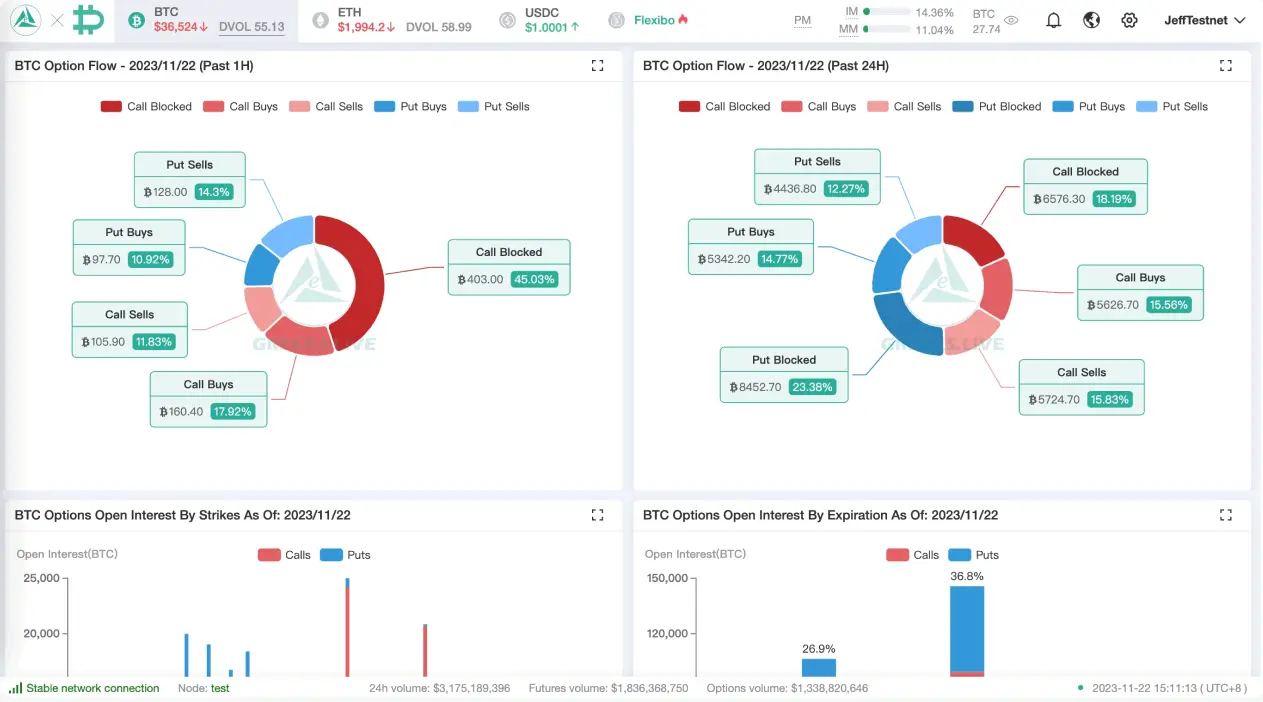
The operational efficacy of a discretionary RFQ system hinges on its real-time intelligence feeds. These feeds provide market flow data, allowing traders to gauge overall market sentiment and liquidity conditions before initiating an RFQ. A sophisticated platform integrates this data, offering pre-trade analytics that inform optimal sizing and timing. The objective involves not simply receiving quotes, but analyzing them within the context of prevailing market dynamics, implied volatility surfaces, and the specific risk profile of the option being traded.
Furthermore, the ability to specify discreet protocols, such as anonymous quotation, directly impacts execution quality. The operational workflow ensures that the client’s identity remains shielded from liquidity providers until the trade is confirmed. This anonymity is a powerful defense against information leakage, preventing market makers from front-running or adjusting their quotes based on the perceived informational advantage of the initiator. The process involves cryptographic techniques or trusted third-party intermediaries to maintain confidentiality throughout the quote solicitation phase.

Trade Lifecycle within Discretionary RFQ
- Inquiry Initiation ▴ The trader specifies the crypto option, size, and desired direction (buy/sell). Parameters for anonymity and multi-dealer solicitation are set.
- Quote Dissemination ▴ The RFQ is securely transmitted to selected liquidity providers, potentially masking the initiator’s identity.
- Real-Time Quote Reception ▴ Liquidity providers submit two-way quotes (bid/ask) within a specified timeframe. These quotes are instantly aggregated and displayed.
- Best Price Selection ▴ The trader evaluates quotes based on price, size, and other execution factors (e.g. likelihood of settlement, counterparty reputation).
- Atomic Execution ▴ The chosen quote is executed, often for multi-leg strategies as a single, indivisible transaction.
- Post-Trade Confirmation and Settlement ▴ Trade details are confirmed with the chosen counterparty, and settlement occurs via established OTC protocols, often leveraging secure payment channels or custody services.
The operational implementation also encompasses robust system-level resource management. This includes sophisticated order routing capabilities that direct RFQs to the most appropriate liquidity pools and counterparties based on pre-configured rules and real-time market conditions. The infrastructure must support high-throughput message processing and ultra-low latency communication to ensure competitive response times from market makers.

Quantitative Parameters for Execution Control
Quantitative analysis plays a pivotal role in refining discretionary RFQ execution. Metrics such as the Effective Spread, Implementation Shortfall, and Price Impact serve as crucial benchmarks for assessing execution quality.
- Effective Spread ▴ This metric measures the difference between the trade price and the midpoint of the bid-ask spread at the time of the order. A smaller effective spread indicates better execution.
- Implementation Shortfall ▴ This captures the difference between the theoretical value of a trade at the decision time and its actual realized value, accounting for market impact, timing risk, and opportunity cost.
- Price Impact ▴ The temporary or permanent effect of an order on the market price. Discretionary RFQ aims to minimize this by keeping large orders off public books.
These quantitative measures allow institutions to perform a comprehensive Transaction Cost Analysis (TCA) on their RFQ executions, providing actionable insights for continuous optimization. The goal involves establishing a feedback loop where execution data informs strategic adjustments, enhancing the overall efficiency of the trading desk.
| Metric | Definition | Relevance to RFQ | Target Outcome |
|---|---|---|---|
| Effective Spread (bps) | (Execution Price – Midpoint) / Midpoint 10,000 | Measures direct cost of liquidity provision | Minimized, indicative of competitive quotes |
| Information Leakage Score | Post-trade price movement correlation with RFQ initiation | Quantifies adverse selection risk | Low, demonstrating effective anonymity |
| Fill Rate (%) | Number of executed RFQs / Total RFQs submitted | Indicates liquidity availability and platform efficiency | High, suggesting robust liquidity access |
| Response Time (ms) | Time from RFQ submission to quote reception | Measures platform and dealer responsiveness | Low, enabling swift decision-making |
| Slippage (bps) | (Actual Fill Price – Quoted Price) / Quoted Price 10,000 | Measures deviation from agreed price | Zero or near-zero, confirming quote integrity |

System Integration and Technical Architecture
The underlying technological architecture supporting discretionary RFQ protocols must be robust, scalable, and highly integrated. Modern systems leverage low-latency APIs (Application Programming Interfaces) to connect seamlessly with liquidity providers and internal order management systems (OMS) or execution management systems (EMS). FIX (Financial Information eXchange) protocol messages, though traditionally associated with equity and FX markets, are increasingly adapted for digital asset derivatives, ensuring standardized communication and reliable trade messaging.
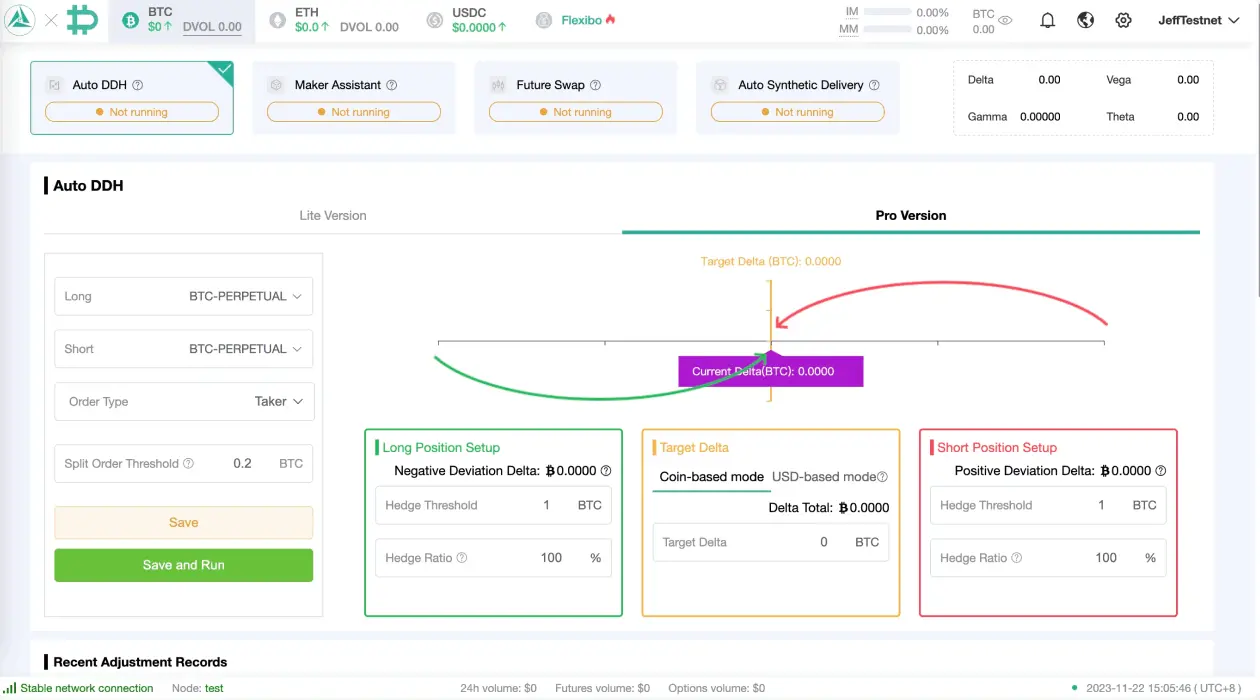
This integration facilitates automated delta hedging (DDH) capabilities, where the risk exposure generated by an options trade is automatically offset in the underlying spot or futures market. The operational system continuously monitors the portfolio’s delta and executes necessary hedges in real-time, minimizing market exposure. This automated risk management is particularly vital in crypto markets characterized by high volatility, where manual hedging could lead to significant slippage or unmanaged risk.
The security of the underlying infrastructure is paramount. Given the sensitive nature of institutional order flow, cryptographic security measures, secure communication channels, and robust access controls are non-negotiable. Audit trails and immutable transaction records ensure transparency and compliance, fulfilling the stringent requirements of institutional participants.

References
- Paradigm. “Paradigm Expands RFQ Capabilities via Multi-Dealer & Anonymous Trading.” White Paper, November 19, 2020.
- Landsiedl, Felix. “The Market Microstructure of Illiquid Option Markets and Interrelations with the Underlying Market.” Working Paper, University of Vienna, April 2005.
- Easley, David, Maureen O’Hara, Songshan Yang, and Zhibai Zhang. “Microstructure and Market Dynamics in Crypto Markets.” Cornell University, April 2, 2024.
- Seppi, Duane J. “Equilibrium Block Trading and Asymmetric Information.” Journal of Finance, March 1990.
- Zou, Junyuan. “Information Chasing versus Adverse Selection.” Wharton School, University of Pennsylvania, March 1, 2022.
- Spacetime.io. “Adverse Selection in Volatile Markets.” Blog Post, May 19, 2022.
- Finery Markets. “Crypto OTC Trading ▴ What Is It And How Does It Work.” Blog Post, July 29, 2024.
- Transak. “What Is Crypto OTC Trading? Institutional Trading 101.” Blog Post, June 3, 2025.

Operational Command and Market Acuity
The journey through discretionary RFQ protocols in illiquid crypto options reveals a profound truth ▴ market mastery arises from an intimate understanding of systemic interactions. Each operational decision, from the selection of an RFQ platform to the calibration of execution parameters, directly shapes an institution’s capacity to preserve alpha and manage risk. Consider the underlying architecture of your own trading operations.
Are your systems truly optimized to counter information asymmetry in these specialized markets? Do your protocols offer the discreet liquidity sourcing essential for navigating illiquidity without compromise?
The true strategic edge emerges not from mere participation, but from the deliberate construction of an operational framework that anticipates and mitigates market frictions. This framework, built upon robust technology and quantitative rigor, transforms inherent market challenges into opportunities for decisive action. Achieving superior execution in the digital asset derivatives space demands a continuous commitment to refining these capabilities, ensuring that every trade reflects a command over market microstructure and a disciplined approach to capital deployment.

Glossary

Illiquid Crypto Options

Liquidity Providers

Multi-Dealer Liquidity

Information Leakage

Market Microstructure

Information Asymmetry

Crypto Options

Market Makers

Adverse Selection

Rfq Protocols

Discretionary Rfq

Illiquid Crypto

Block Trading

Execution Quality

Otc Protocols

Transaction Cost Analysis