

Concept
Navigating the intricate currents of global financial markets, particularly when executing substantial block trades, demands a profound understanding of the regulatory scaffolding that underpins every transaction. For institutional principals, the operational landscape is a complex interplay of market dynamics and compliance mandates, where a single misstep can reverberate across a portfolio. Consider the sheer volume of capital involved in a block trade ▴ an order of magnitude beyond typical retail transactions.
This inherent scale necessitates a delicate balance between achieving optimal execution and adhering to a patchwork of international regulations designed to promote market integrity and transparency. The strategic imperative involves discerning how these frameworks, rather than merely constraints, redefine the very parameters of liquidity access and price discovery across diverse trading venues.
The essence of block trade execution resides in moving significant volume with minimal market impact. Historically, these large orders often found their home in the “upstairs market” or through direct bilateral negotiations, a process characterized by discretion and tailored liquidity sourcing. The regulatory response to perceived market inefficiencies and systemic risks, particularly after periods of financial instability, has fundamentally reshaped these traditional channels.
Today, the operational reality for institutional participants involves a constant assessment of pre-trade transparency requirements, post-trade reporting obligations, and the nuanced interplay of these rules across various jurisdictions. This continuous evaluation influences everything from counterparty selection to the technological infrastructure deployed for trade capture and reporting.
The regulatory landscape transforms block trades from simple transactions into complex operational challenges requiring strategic compliance.
Market microstructure, the study of how trading mechanisms influence price formation and efficiency, provides a lens through which to comprehend these dynamics. For block trades, market microstructure examines the costs associated with transferring large positions, including the bid-ask spread, explicit commissions, and the more subtle, yet significant, price impact. Regulatory interventions, such as those introduced by MiFID II in Europe or the Dodd-Frank Act in the United States, directly influence these microstructural elements.
MiFID II, for instance, expanded transparency requirements to non-equity instruments and off-venue trades, aiming to enhance market-wide price discovery. This push for transparency, while beneficial for overall market fairness, can present a formidable challenge for block trades, where immediate disclosure risks signaling intent and causing adverse price movements.
The request for quotation, or RFQ, mechanism emerges as a critical protocol in this regulated environment, particularly for complex or illiquid instruments like certain digital asset derivatives. An RFQ system allows an institutional trader to solicit bids and offers from multiple liquidity providers simultaneously, often within a private, secure communication channel. This bilateral price discovery process provides a degree of discretion that can be essential for executing large orders without revealing full trading intent to the broader market, thereby mitigating potential market impact. The regulatory frameworks, in turn, often provide specific carve-outs or delayed reporting provisions for such protocols, recognizing the need to balance transparency with the practicalities of executing substantial positions efficiently.


Strategy
Developing a robust strategic framework for block trade execution in a globally regulated environment demands more than mere compliance; it necessitates an anticipatory understanding of how regulatory shifts sculpt market behavior and liquidity provision. Principals must move beyond a reactive stance, instead cultivating a proactive approach that leverages regulatory nuances to their advantage. The strategic imperative involves optimizing execution channels, managing information leakage, and ensuring capital efficiency within the bounds of diverse jurisdictional mandates. This requires a granular appreciation of how specific regulatory constructs, such as pre-trade transparency waivers or post-trade reporting delays, can be integrated into an overarching execution strategy.
The strategic deployment of execution venues forms a cornerstone of this approach. Different regulatory regimes encourage or constrain various types of venues, each offering distinct advantages and disadvantages for block orders. Dark pools, for example, offer an environment where large orders can be matched anonymously, mitigating the price impact often associated with public disclosure.
However, their use is often subject to specific regulatory conditions, such as minimum order sizes or restrictions on how liquidity is sourced. Conversely, regulated exchanges, while offering robust price discovery and central clearing, might impose immediate transparency requirements that are less conducive to block execution without significant market impact.
Strategic venue selection, informed by regulatory mandates, is paramount for minimizing market impact on block trades.
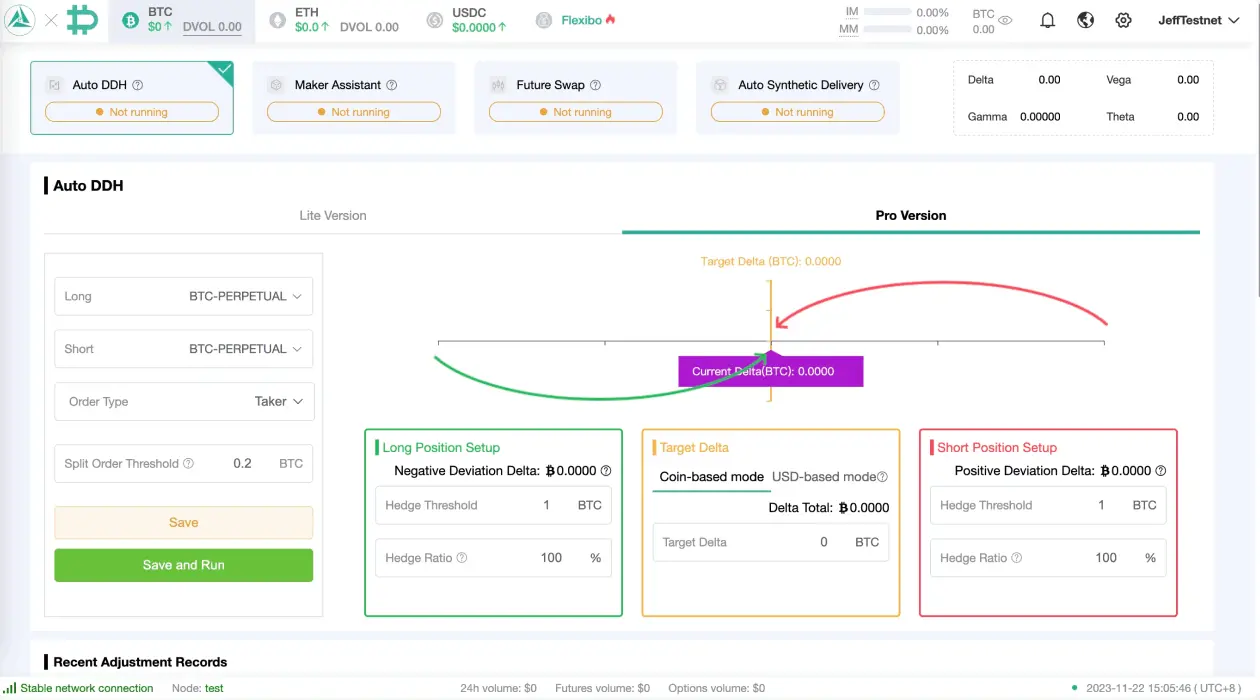
A sophisticated strategy integrates advanced trading applications designed to navigate these complexities. Automated delta hedging, for instance, becomes a vital component for managing the risk of large options positions, especially when regulatory reporting might trigger market reactions. Similarly, the construction of multi-leg options spreads or complex volatility block trades requires systems capable of high-fidelity execution across multiple underlying assets and expiry dates, all while adhering to the specific reporting timelines for each component of the trade. The ability to manage these interdependencies systematically, rather than manually, is a decisive factor in achieving superior outcomes.
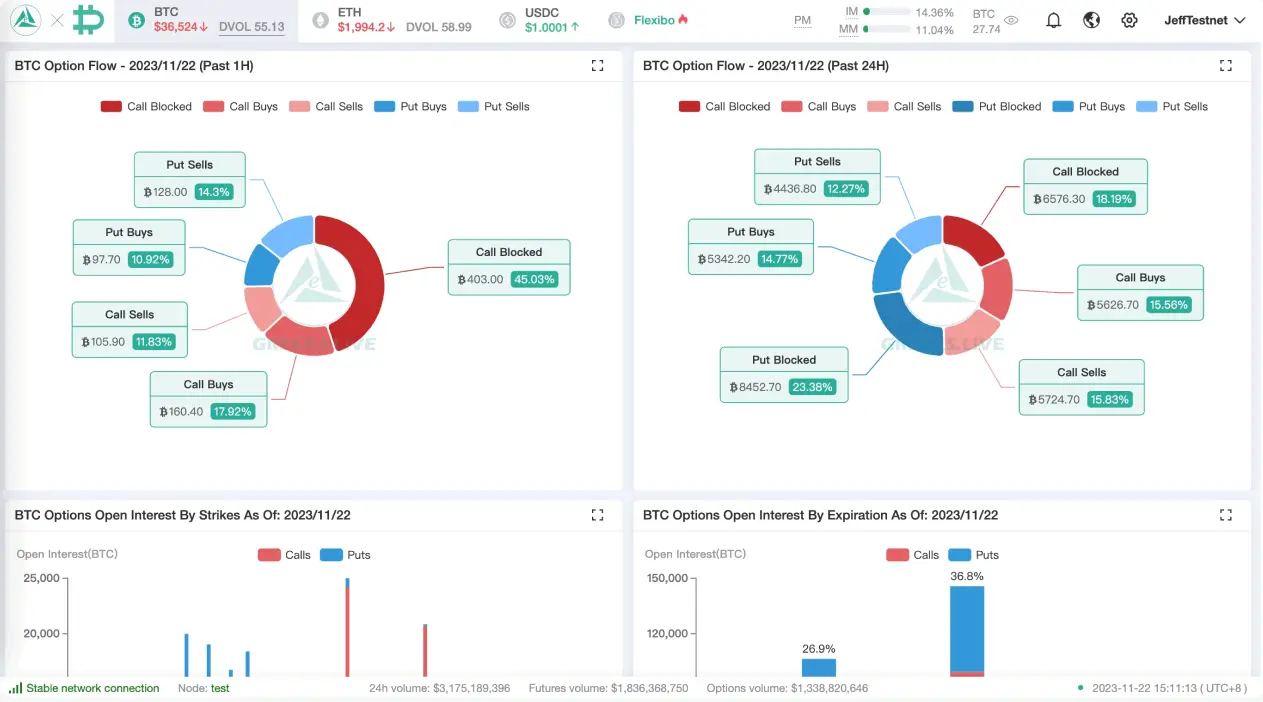
The intelligence layer represents another strategic differentiator. Real-time intelligence feeds, providing granular market flow data and insights into counterparty liquidity profiles, empower traders to make informed decisions about when and where to execute. This data-driven approach allows for dynamic adjustments to execution strategies, optimizing for prevailing market conditions and regulatory requirements.
For instance, identifying periods of deep multi-dealer liquidity through an aggregated inquiry system can inform the timing of a large RFQ, maximizing the probability of favorable pricing. Expert human oversight, provided by system specialists, complements this technological capability, offering a critical layer of judgment for complex, non-standard situations.

Regulatory Regimes and Strategic Considerations
Global regulatory frameworks present a heterogeneous landscape for block trade execution, each with unique implications for strategic planning. Understanding these differences is crucial for institutional firms operating across borders.
- MiFID II ▴ The Markets in Financial Instruments Directive II significantly increased transparency requirements in European markets, extending to non-equity instruments and off-venue trades. This necessitated more sophisticated internal processes for trade and transaction reporting, often shifting responsibility to buy-side firms for certain products. Strategically, firms must leverage Approved Publication Arrangements (APAs) and Approved Reporting Mechanisms (ARMs) efficiently to meet near real-time reporting obligations, while also utilizing pre-trade transparency waivers for block trades where permissible.
- Dodd-Frank Act ▴ In the United States, the Dodd-Frank Wall Street Reform and Consumer Protection Act introduced comprehensive regulation for over-the-counter (OTC) derivatives, aiming to mitigate systemic risk. This led to increased clearing mandates and trade reporting requirements for many OTC products, impacting how large derivatives blocks are structured and executed. Strategic responses include adapting to central clearing mandates and enhancing internal systems for data collection and reporting to meet new regulatory oversight demands.
- EMIR ▴ The European Market Infrastructure Regulation complements MiFID II by focusing on counterparty risk, operational risk, and transparency in OTC derivative markets. It mandates central clearing for certain derivatives and imposes reporting obligations to trade repositories. Strategically, firms must ensure robust risk management procedures, timely trade confirmations, and accurate portfolio reporting to comply with EMIR’s requirements, which directly influence the operational flow of block derivatives trades.
| Regulatory Framework | Primary Objective | Strategic Implications for Block Trades | Key Operational Response |
|---|---|---|---|
| MiFID II (Europe) | Enhanced Transparency, Market Integrity | Navigating pre- and post-trade transparency rules; utilizing waivers for large-in-scale trades; optimizing venue selection. | Automated reporting to APAs/ARMs; sophisticated smart order routing logic; robust internal compliance checks. |
| Dodd-Frank Act (USA) | Systemic Risk Reduction, OTC Derivatives Oversight | Adapting to central clearing mandates; managing new reporting burdens for OTC derivatives; re-evaluating bilateral counterparty relationships. | Enhanced data capture for swap data repositories (SDRs); integration with CCPs; refined internal risk management systems. |
| EMIR (Europe) | Counterparty Risk Mitigation, OTC Derivatives Transparency | Ensuring timely trade confirmations; compliance with clearing obligations; accurate portfolio reporting to trade repositories. | Automated confirmation platforms; robust collateral management systems; standardized data formats for TR reporting. |
The ongoing evolution of these regulatory frameworks, often with a push towards harmonized international standards, presents both challenges and opportunities. The ISDA’s Digital Regulatory Reporting (DRR) initiative, for instance, aims to standardize reporting requirements across jurisdictions, potentially simplifying compliance for firms operating globally. Strategic foresight involves investing in flexible technological solutions that can adapt to these evolving standards, transforming a compliance burden into an operational advantage.


Execution
The operational protocols governing block trade execution are a meticulous orchestration of technological precision, regulatory adherence, and market acumen. For the institutional trader, execution is where strategy translates into tangible results, where the theoretical advantages of a chosen venue or protocol confront the rigorous demands of compliance and market impact. The execution phase requires an acute understanding of technical standards, latency considerations, and the quantitative metrics that define true execution quality in a highly regulated environment. This demands a deeply integrated operational framework capable of managing vast data flows, real-time decision-making, and audit trails that satisfy regulatory scrutiny across multiple global markets.
Consider the granular procedural steps involved in executing a significant block of, for example, Bitcoin options. The process commences with pre-trade compliance checks, where the system verifies counterparty eligibility, credit limits, and adherence to specific regulatory thresholds for block size waivers. A request for quote (RFQ) is then initiated, sent to a curated list of liquidity providers via a secure, low-latency network.
The system simultaneously captures incoming quotes, analyzing them for best price, depth, and implied volatility. During this critical window, the operational framework must manage information flow meticulously, ensuring quotes remain confidential until execution, thereby preserving the integrity of the bilateral price discovery.
Precision in execution protocols and meticulous data management define superior block trade outcomes.
Post-execution, the operational machinery shifts to a complex array of reporting and risk management tasks. MiFID II, for instance, mandates specific timelines for post-trade transparency, often requiring reporting within minutes for equity-like instruments and slightly longer for others. This necessitates automated reporting engines capable of formatting transaction data according to Approved Publication Arrangement (APA) specifications and transmitting it in near real-time. Concurrently, transaction reporting obligations, which detail the parties involved and the instrument specifics, must be fulfilled to Approved Reporting Mechanisms (ARMs) or relevant competent authorities by the close of the following working day.
The systemic impact of these regulatory mandates on execution quality is profound. Immediate public disclosure, even with delayed reporting provisions for blocks, can still influence subsequent trading behavior. Traders must account for this “signaling risk” when structuring their orders.
Furthermore, the operational cost of compliance ▴ investing in reporting infrastructure, data management systems, and compliance personnel ▴ becomes an inherent component of the total execution cost. This necessitates a continuous quantitative analysis of execution metrics, not only to demonstrate best execution to clients but also to optimize internal processes for regulatory efficiency.

Operational Protocols for Compliant Block Execution
Effective block trade execution hinges on a sequence of meticulously managed operational protocols, each designed to navigate regulatory demands while achieving optimal market outcomes.
- Pre-Trade Eligibility and Disclosure ▴ Prior to initiating a block trade, the system performs automated checks to confirm the transaction meets specific regulatory criteria for block size exemptions or waivers from immediate pre-trade transparency. This includes verifying the instrument’s liquidity profile and the trade’s notional value against jurisdictional thresholds. The protocol ensures that any necessary pre-trade disclosures, such as those related to a Systematic Internaliser (SI) status, are handled discreetly and compliantly.
- Secure Price Discovery Mechanisms ▴ For OTC derivatives or illiquid instruments, a robust Request for Quote (RFQ) system is paramount. This mechanism routes inquiries to a select group of qualified liquidity providers, allowing for competitive pricing without broadcasting trading intent to the broader market. The system aggregates and normalizes responses, presenting a clear view of available liquidity and pricing.
- Automated Execution and Confirmation ▴ Upon selection of a counterparty, the trade is executed electronically, often via FIX protocol messages for rapid and standardized communication. Immediate electronic confirmation is then generated, capturing all critical trade details, including timestamps, price, volume, and counterparty identifiers. This forms the immutable record for subsequent reporting.
- Real-Time Post-Trade Reporting ▴ The confirmed trade triggers a cascade of reporting obligations. For MiFID II, this involves near real-time transmission of trade data to an Approved Publication Arrangement (APA) for public dissemination, typically within minutes for equities and equity-like instruments. Concurrently, detailed transaction reports, encompassing a wider array of data fields, are prepared for submission to an Approved Reporting Mechanism (ARM) or national competent authority by the following business day.
- Data Integrity and Audit Trail Maintenance ▴ Every step of the execution process, from initial inquiry to final reporting, generates a comprehensive audit trail. This data, securely stored and readily accessible, is crucial for demonstrating compliance during regulatory examinations and for internal Transaction Cost Analysis (TCA). Data integrity is maintained through cryptographic hashing and distributed ledger technologies where applicable, ensuring immutability and verifiability.

Quantitative Impact of Regulatory Reporting on Execution Metrics
Regulatory reporting requirements, while essential for market integrity, introduce frictional costs and complexities that quantitatively impact execution outcomes. Analyzing these impacts is critical for optimizing trading strategies.
| Regulatory Element | Impact Category | Estimated Basis Point Cost (Range) | Mitigation Strategy |
|---|---|---|---|
| MiFID II Post-Trade Transparency | Information Leakage / Price Impact | 2-5 bps | Utilize LIS (Large-in-Scale) waivers; strategic timing of execution; RFQ protocols with limited disclosure. |
| Dodd-Frank OTC Clearing Mandates | Operational Cost / Collateral Management | 1-3 bps | Optimize collateral allocation; automate clearing workflows; centralize risk management systems. |
| EMIR Trade Repository Reporting | Data Management / System Integration | 0.5-1.5 bps | Standardize data formats (e.g. Common Domain Model); invest in integrated reporting platforms. |
| Latency in Reporting Infrastructure | Opportunity Cost / Slippage | 0.2-1 bps | Invest in low-latency API connections to APAs/ARMs; co-location services for critical systems. |
The “square-root law” of price impact, which suggests that trade size influences price predictably, scaling with the square root of the volume traded, becomes even more relevant in a regulated environment. Regulatory mandates that introduce reporting delays or mandate specific execution venues can alter this scaling, creating subtle but significant shifts in the cost function for block trades. Firms must integrate these quantitative insights into their pre-trade analytics, adjusting their execution algorithms and liquidity sourcing strategies to account for the regulatory overlay. This iterative refinement of execution models, informed by real-world data and regulatory changes, is an ongoing process for any sophisticated trading operation.

References
- Bandara, Thevindu. “Blockchain Technology in International Trade ▴ Legal and Regulatory Implications.” ResearchGate, June 16, 2024.
- Fatima, Zakeeya. “Evaluating regulatory frameworks in blockchain-based trade finance documentation ▴ A global comparative analysis.” ResearchGate, November 17, 2024.
- Frino, Alex, Dionigi Gerace, and A. “Block Trades, Fragmentation and the Markets in Financial Instruments Directive.” Autorité des Marchés Financiers Working Papers n°6, October 6, 2008.
- Gupta, Mahima, and Shashin Mishra. “MiFID II & MiFIR ▴ Reporting Requirements and Associated Operational Challenges.” Sapient Global Markets, May 24, 2016.
- ISDA. “Block trade reporting for over-the-counter derivatives markets.” ISDA Research Note, January 18, 2011.
- ISDA. “ISDA CEO discusses challenges associated with trade reporting requirements for OTC derivatives.” ISDA, October 4, 2022.
- Office of Financial Research. “Discussion Topic ▴ Market Structure Program.” Office of Financial Research, February 25, 2016.
- Safari, Sara A. and Christof Schmidhuber. “Four must-read market microstructure papers you might have missed.” Global Trading, February 27, 2025.
- U.S. Department of the Treasury. “Regulatory Reform Over-The-Counter (OTC) Derivatives.” U.S. Department of the Treasury, May 13, 2009.
- Walterscheidt, Sven, and Erwin Bastianen. “OTC Derivative Market Regulation ▴ Challenges for Corporates.” PwC, May 1, 2013.

Reflection
The mastery of block trade execution in a regulated global environment transcends a simple understanding of rules; it represents a continuous optimization problem within a dynamic system. Consider the implications for your own operational framework ▴ are your systems merely compliant, or do they strategically leverage regulatory structures to gain a decisive edge? The ability to translate complex mandates into actionable, automated protocols, minimizing friction and maximizing liquidity capture, distinguishes leading institutions.
This pursuit of operational excellence, integrating sophisticated technology with a nuanced understanding of market microstructure, becomes a core component of a superior intelligence system, driving capital efficiency and robust risk management. The future of institutional trading lies in architecting frameworks that anticipate regulatory evolution, transforming compliance into a catalyst for competitive advantage.

Glossary

Block Trades

Block Trade

Price Discovery

Block Trade Execution

Market Impact

Reporting Obligations

Market Microstructure

Dodd-Frank Act

Mifid Ii

Regulatory Frameworks

Trade Execution

Trade Reporting

Price Impact

Dark Pools

Regulatory Reporting

Multi-Dealer Liquidity

Transaction Reporting

Reporting Requirements

Risk Management

Emir

Approved Publication Arrangement

Best Execution

Systematic Internaliser

Otc Derivatives