

The Operational Nexus of Timeliness
Understanding the precise mechanics of regulatory reporting gateways and their impact on block trade timeliness requires a deep understanding of market microstructure. For institutional participants, the rapid, accurate transmission of large, privately negotiated transactions is paramount. The interplay between execution speed and reporting mandates often defines an operational framework’s efficacy.
A firm’s ability to navigate these requirements directly influences its capacity to maintain market discretion, manage risk, and secure advantageous pricing. Every delay, however minute, carries implications for capital efficiency and strategic positioning.
Regulatory reporting frameworks represent a critical component of market infrastructure, ensuring transparency and stability. These frameworks establish the protocols for disclosing significant transactions, such as block trades, to the broader market. The inherent tension lies in balancing the public’s need for price discovery with an institutional trader’s imperative to execute large orders without undue market disruption. This equilibrium directly shapes the operational parameters for block trade submission.
The core concept of a regulatory reporting gateway involves a specialized technological conduit. This system facilitates the structured submission of trade data from an executing party to a designated regulatory body or exchange. Such gateways are engineered for precision and speed, transforming raw trade information into compliant data formats for rapid dissemination. Their operational design directly affects how swiftly a block trade’s details move from execution agreement to public record.
Effective regulatory reporting gateways balance market transparency with the necessity of minimizing price impact for large institutional trades.
Block trades, by their nature, involve substantial notional values or quantities, exceeding typical market sizes. These transactions often occur away from central limit order books, negotiated bilaterally or through specialized platforms. The immediate reporting of such trades could inadvertently signal market interest, potentially leading to adverse price movements before the executing firm completes any necessary hedging. This sensitivity underpins the regulatory allowance for reporting delays.
Timeliness in this context refers not merely to the speed of data transmission but to the interval between a block trade’s execution and its public dissemination. Regulatory bodies prescribe strict deadlines, typically ranging from 5 to 15 minutes, for reporting these transactions to the relevant exchange or swap data repository. Adherence to these windows is a non-negotiable compliance obligation. A system failing to meet these parameters exposes the firm to significant disciplinary actions and reputational damage.
The operational burden extends beyond mere submission; it encompasses the meticulous record-keeping of execution times and trade details. This foundational data underpins the entire reporting process, requiring robust internal systems capable of capturing granular timestamp information. Accurate time synchronization across all trading and reporting systems is therefore a fundamental prerequisite for maintaining compliance and demonstrating operational integrity.


Architecting Data Flow for Market Discretion
Developing a robust strategy for regulatory reporting gateways centers on optimizing data flow while preserving market discretion for block trades. Institutional participants require systems that minimize information leakage during the critical period between execution and public dissemination. The strategic objective involves leveraging advanced technological solutions to ensure compliance within prescribed timeframes, mitigating adverse market impact, and enhancing overall capital efficiency. This requires a granular understanding of both regulatory mandates and technological capabilities.
A primary strategic consideration involves the integration of trading systems with reporting gateways. Seamless connectivity, often facilitated by standardized protocols such as FIX (Financial Information eXchange), is essential. FIX Protocol messages, particularly Trade Capture Report (MsgType=AE) and Trade Capture Report Request (MsgType=AD), serve as the conduits for post-trade communication.
This integration ensures that trade details, once agreed upon, flow automatically and accurately to the reporting mechanism, reducing manual intervention and potential errors. The architecture must support the rapid transformation of internal trade records into a compliant reporting format.
Effective management of reporting delays forms a cornerstone of strategic execution. Regulators permit delayed public dissemination for block trades to prevent immediate market reaction that could harm liquidity providers. The strategic imperative is to utilize this delay effectively for hedging or risk mitigation.
However, this window demands precision; any miscalculation in the internal processing or transmission of data could lead to a breach of the reporting deadline, negating the protective intent of the delay. Firms must engineer their systems to transmit data “precisely upon the expiration of the time delay period” to optimize both market impact and compliance.
Strategic implementation of reporting gateways demands a balance between rapid data transmission and the prudent management of permissible reporting delays.
The definition of a block trade, including specific size thresholds and asset class criteria, varies across jurisdictions and markets. A comprehensive strategy involves dynamic configuration of reporting systems to adapt to these varying parameters. For example, equity markets might define blocks at 10,000 shares or $200,000 in value, while fixed income or derivatives markets utilize different, often higher, thresholds. This adaptability prevents over-reporting smaller trades as blocks or under-reporting legitimate blocks, both of which carry compliance risks.
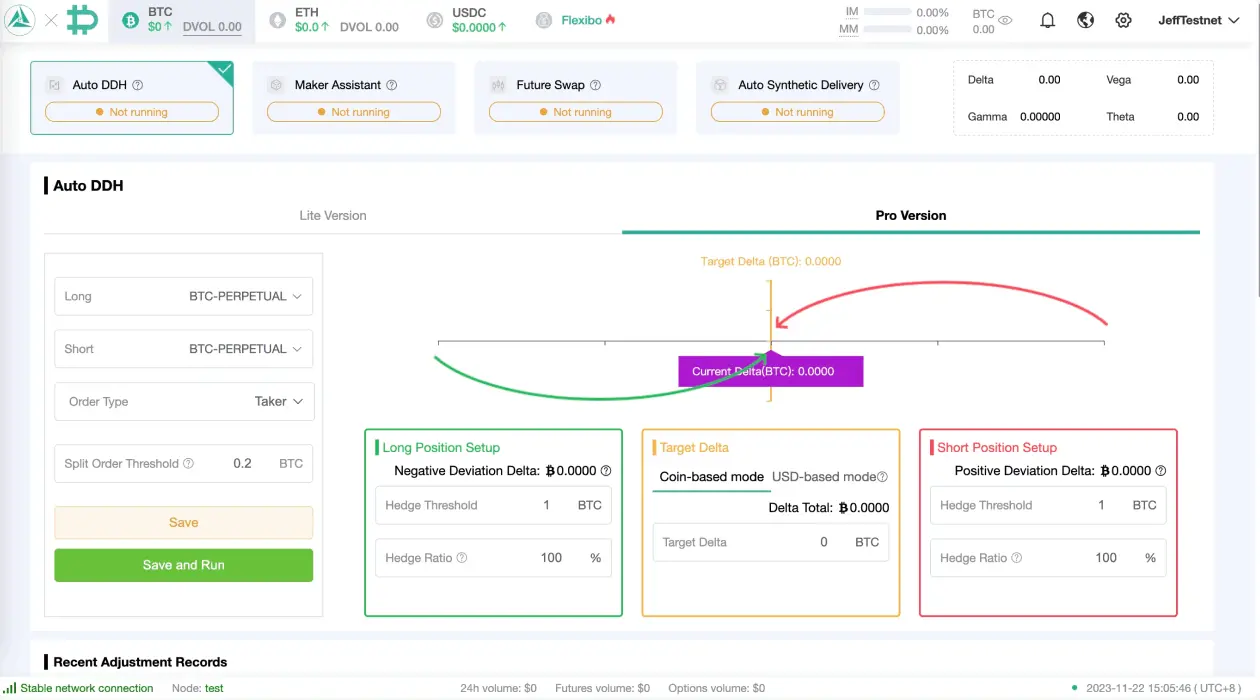
Automated Delta Hedging (DDH) and other advanced risk management applications play a crucial role in conjunction with reporting gateways. Upon the execution of a block trade, particularly in derivatives, the immediate delta exposure necessitates rapid offsetting positions. A strategically integrated system can trigger automated hedging algorithms simultaneously with the initiation of the reporting process.
This ensures that market risk is managed within the reporting delay, preventing adverse movements from impacting the firm’s overall portfolio. The latency between block execution and hedge placement must be minimal, leveraging high-speed data feeds and execution infrastructure.
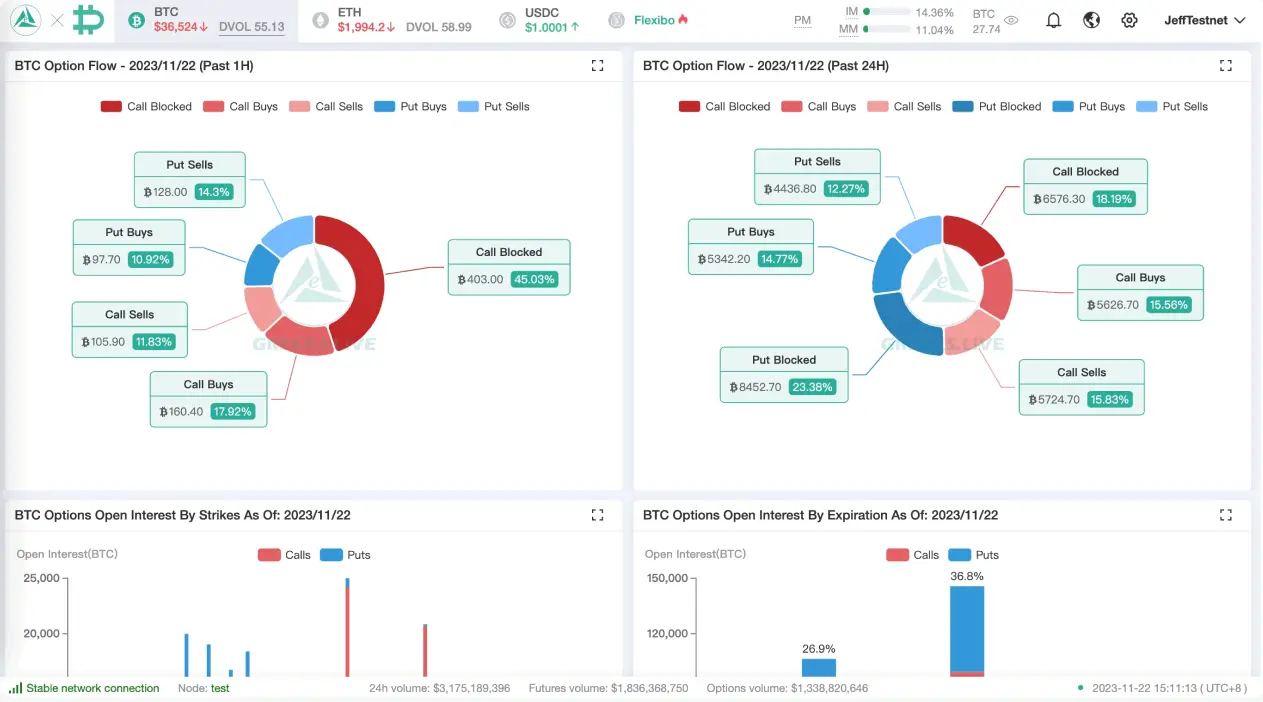
Real-time intelligence feeds offer a further strategic advantage. Monitoring market flow data, volatility, and liquidity across related instruments provides valuable context for managing block trade impact. Integrating these feeds into the pre- and post-trade analytics allows for dynamic adjustments to hedging strategies and optimal timing for report submission. The ability to observe broader market conditions during the reporting delay enhances the tactical deployment of capital and risk resources.
Consider the following strategic considerations for optimizing block trade reporting:
- System Integration ▴ Establish robust, low-latency connections between internal Order Management Systems (OMS), Execution Management Systems (EMS), and regulatory reporting gateways using standardized protocols like FIX.
- Dynamic Threshold Management ▴ Implement configurable systems that automatically identify block trades based on current market-specific and asset-class-specific thresholds, adjusting for changes in regulatory definitions.
- Precision Timing Mechanisms ▴ Engineer reporting workflows to account for permissible delays, ensuring data submission occurs precisely at the expiration of the delay period, optimizing information protection.
- Automated Risk Mitigation ▴ Integrate automated hedging and risk management systems that react instantaneously to block trade execution, minimizing market exposure during the reporting interval.
- Data Validation & Enrichment ▴ Implement rigorous data validation checks at the gateway to ensure accuracy and completeness of reported information, preventing rejections and potential fines.


Operationalizing Compliance and Speed for Large Transactions
The operationalization of regulatory reporting gateways for block trades requires a granular focus on technological infrastructure, procedural rigor, and quantitative oversight. For institutional trading desks, the ability to execute large transactions efficiently, while adhering to stringent reporting timelines, represents a significant operational challenge. This section details the precise mechanics of execution, technical standards, and risk parameters necessary to achieve superior timeliness and compliance.

The Operational Playbook
Achieving optimal block trade timeliness involves a multi-step procedural guide, meticulously designed to minimize latency and ensure data integrity from execution to regulatory submission. This playbook prioritizes automated workflows and robust validation to navigate complex reporting requirements.
- Execution Confirmation & Timestamp Capture ▴ The instant a block trade is consummated, the trading system must generate an immutable, high-resolution timestamp. This “time of execution” is the critical reference point for all subsequent reporting deadlines. Systems like CME Direct or CME ClearPort, used for futures and options block reporting, require accurate execution times.
- Pre-Processing & Data Enrichment ▴ Raw trade data, including instrument identifiers, quantity, price, counterparties, and venue, undergoes immediate validation and enrichment. This involves cross-referencing against static data (e.g. product specifications, block size thresholds) and augmenting with required regulatory fields (e.g. Legal Entity Identifiers, Unique Trade Identifiers).
- Block Trade Qualification Logic ▴ An automated rules engine applies pre-configured logic to determine if the trade qualifies as a block, based on product-specific minimum sizes and other criteria. This dynamic assessment ensures only relevant trades enter the specialized reporting stream.
- Regulatory Reporting Gateway Transmission ▴ Qualified block trade data is then transmitted to the designated regulatory reporting gateway. This often occurs via a dedicated, low-latency FIX (Financial Information eXchange) connection. The Trade Capture Report (MsgType=AE) message within FIX Protocol is the standard for conveying executed trade details.
- Reporting Delay Management ▴ For jurisdictions allowing delayed dissemination, the system holds the report in a secure, audited queue, programmed to release it precisely at the expiration of the permissible delay (e.g. 5, 15 minutes, or longer for certain swaps). This controlled release prevents information leakage while maximizing hedging opportunities.
- Acknowledgement & Reconciliation ▴ Upon successful submission, the gateway returns an acknowledgement. This confirmation is crucial for internal reconciliation, ensuring the trade has been reported. Any rejections or errors trigger immediate alerts for investigation and remediation.
- Record Keeping & Audit Trail ▴ Comprehensive records of the entire process, including execution timestamps, reported data, submission times, and acknowledgements, are stored in an immutable audit trail. This satisfies stringent record-keeping requirements (e.g. CFTC Rule 536).

Quantitative Modeling and Data Analysis
Quantitative analysis of block trade reporting timeliness focuses on latency metrics, compliance adherence rates, and the impact of reporting delays on market quality. Firms employ sophisticated models to optimize these factors, aiming for superior execution and risk management.
Consider a scenario where an institutional desk executes multiple block trades across various asset classes daily. The objective is to minimize reporting latency while maximizing the benefit of permissible delays. Data analysis involves tracking the following key performance indicators (KPIs):
- Reporting Latency (RL) ▴ The time elapsed between trade execution and successful submission to the gateway. This is measured in milliseconds for low-latency systems.
- Dissemination Latency (DL) ▴ The time elapsed between trade execution and public dissemination, accounting for regulatory delays.
- Compliance Adherence Rate (CAR) ▴ The percentage of block trades reported within the mandated timeframe.
- Error Rate (ER) ▴ The percentage of reports rejected by the gateway due to data inaccuracies or formatting issues.
A hypothetical daily log for block trade reporting might reveal insights into operational bottlenecks:
| Trade ID | Asset Class | Execution Time (UTC) | Reporting Deadline (UTC) | Submission Time (UTC) | Reporting Latency (ms) | Compliance Status | Error Code |
|---|---|---|---|---|---|---|---|
| BT001 | FX Options | 14:00:05.123 | 14:15:05.123 | 14:15:05.087 | 149964 | Compliant | None |
| BT002 | Equity Swaps | 14:01:10.456 | 14:16:10.456 | 14:16:10.490 | 150034 | Late | Timeout |
| BT003 | Commodity Futures | 14:02:20.789 | 14:07:20.789 | 14:07:20.750 | 299961 | Compliant | None |
| BT004 | Credit Derivatives | 14:03:30.012 | 14:33:30.012 | 14:33:29.980 | 1799968 | Compliant | None |
| BT005 | FX Options | 14:04:45.321 | 14:19:45.321 | 14:19:40.100 | 144779 | Compliant | None |
This table illustrates variations in reporting latency. Trade BT002, for instance, exhibits a slight delay past its 15-minute deadline, indicating a potential system bottleneck or processing overhead. The Timeout error code further suggests a network or gateway communication issue, necessitating immediate investigation. Analysis of such data points helps pinpoint areas for system optimization.
Firms also utilize statistical process control (SPC) to monitor reporting gateway performance. Control charts for reporting latency can identify when the process deviates from its expected mean, signaling a need for intervention. For instance, an increase in average latency or a higher frequency of late reports might indicate increased data volume, network congestion, or a need for hardware upgrades.
Another analytical approach involves modeling the impact of reporting delays on price slippage. By comparing trades reported with minimal delay versus those utilizing the full permissible delay, institutions can quantify the benefit of discretion. This analysis informs decisions on whether to push for immediate reporting in highly liquid markets or to maximize delay in less liquid, more sensitive environments.

Predictive Scenario Analysis
Predictive scenario analysis provides a critical framework for understanding and mitigating potential risks associated with regulatory reporting gateways, particularly regarding block trade timeliness. This involves constructing detailed, narrative case studies that explore the consequences of various operational failures or market events.
Consider a scenario involving a large institutional asset manager, “Alpha Capital,” executing a substantial block trade in a thinly traded crypto options contract. At 10:00:00 UTC, Alpha Capital’s lead derivatives trader, Sarah, agrees to purchase 500 BTC options contracts with a strike price significantly out-of-the-money. The notional value of this block trade exceeds $10 million, triggering a 15-minute reporting delay requirement to the relevant Swap Data Repository (SDR) under current regulatory guidelines. Alpha Capital’s internal systems, typically achieving a reporting latency of 50-100 milliseconds, are designed to submit the Trade Capture Report precisely at 10:15:00 UTC.
At 10:05:00 UTC, a critical market event unfolds ▴ a major news announcement regarding a regulatory crackdown in a prominent crypto jurisdiction causes a sudden, sharp increase in implied volatility across the entire crypto derivatives complex. The price of Bitcoin (BTC) experiences a rapid decline, and the options market becomes highly illiquid, with bid-ask spreads widening dramatically. Alpha Capital’s automated delta hedging system, which typically offsets risk within seconds of a block trade, encounters significant challenges. The sudden market shift means that the initial hedges placed are no longer optimal, and further adjustments are needed.
As Sarah and her team attempt to re-hedge their position, the internal reporting gateway, designed to handle normal market conditions, begins to experience strain. The sudden surge in market data from various feeds, combined with increased internal processing for re-hedging algorithms, overloads a legacy component in Alpha Capital’s reporting infrastructure. This component, responsible for data serialization before transmission to the SDR, introduces an unexpected latency. Instead of the usual sub-100ms processing, it now takes 5 seconds to process each trade report.
At 10:15:00 UTC, the system attempts to send the block trade report. However, due to the unexpected 5-second processing delay, the report is not fully transmitted until 10:15:05 UTC. The SDR’s system, programmed for strict adherence, flags the report as “Late Submission” and issues a warning.
While this particular instance might not immediately trigger a severe penalty, repeated occurrences could lead to significant fines and increased regulatory scrutiny. The internal audit trail clearly shows the execution time at 10:00:00 UTC and the submission time at 10:15:05 UTC, exceeding the 15-minute window.
The consequence of this seemingly small delay extends beyond a mere compliance flag. The 5-second delay in public dissemination, combined with the already volatile market, means that when the trade finally hits the public record, it contributes to further price discovery at an unfavorable moment. Competitors, observing the delayed block trade, might infer Alpha Capital’s market position or trading strategy, leading to information leakage. The illiquid market conditions exacerbate this, making it harder for Alpha Capital to finalize its hedges at optimal prices, resulting in increased slippage and a quantifiable loss in potential profit or an increase in hedging costs.
Furthermore, the internal system logs reveal a cascade of related issues. The delay in reporting the block trade also impacts the accuracy of Alpha Capital’s internal risk aggregation systems, which rely on confirmed reported trades for real-time portfolio valuation. A discrepancy arises between the actual execution time and the perceived reported time, creating a momentary but critical gap in risk visibility. This scenario underscores the need for continuous stress testing of reporting infrastructure under extreme market conditions and the importance of redundant, high-capacity components within the gateway architecture.
This predictive analysis highlights that timeliness in regulatory reporting gateways is not simply a matter of technical speed; it is a complex interplay of market dynamics, system resilience, and regulatory adherence. Operational failures, even minor ones, can have significant financial and reputational repercussions, especially when compounded by volatile market environments. Proactive scenario planning, including simulations of network latency, data processing bottlenecks, and unexpected market shocks, becomes indispensable for maintaining an institutional edge.

System Integration and Technological Architecture
The technological architecture underpinning regulatory reporting gateways is a complex interplay of high-performance components, standardized protocols, and robust data management systems. Seamless integration is paramount to ensure block trade timeliness and compliance.
At the core, the architecture comprises several interconnected layers:
- Trade Execution Layer ▴ This layer includes OMS and EMS platforms where block trades are negotiated and executed. It generates the initial trade data and critical execution timestamps.
- Internal Data Bus/Messaging Fabric ▴ A high-throughput, low-latency messaging system (e.g. Apache Kafka, Tibco EMS) facilitates the real-time transfer of trade data from the execution layer to the reporting engine. This ensures that trade events are captured and routed without delay.
- Reporting Engine ▴ This dedicated application processes raw trade data, applies business logic for block qualification, enriches data with regulatory identifiers, and formats it according to specific regulatory schemas (e.g. FIXML for some derivatives reporting, specific XML/CSV formats for others).
- Regulatory Gateway Interface ▴ This component acts as the bridge to external regulatory bodies or exchanges. It handles the secure transmission of formatted reports, often leveraging established financial protocols.
- Data Storage & Audit Trail ▴ A robust, immutable data store (e.g. a time-series database like QuestDB or a distributed ledger) records every step of the reporting process, from execution timestamp to final acknowledgement. This provides an auditable, verifiable record.
The FIX Protocol plays a central role in this architecture, particularly for post-trade messaging. Trade Capture Report (MsgType=AE) messages are fundamental, containing detailed information about executed block trades. Key FIX fields relevant to block trade reporting timeliness include:
- MsgType (35) ▴ Always ‘AE’ for Trade Capture Report.
- TradeReportID (571) ▴ A unique identifier for the trade report.
- ExecID (17) ▴ The execution identifier from the trading system.
- TransactTime (60) ▴ The precise time of the business transaction, critical for compliance.
- LastQty (32) ▴ The quantity of the block trade.
- LastPx (31) ▴ The execution price of the block trade.
- NoPartyIDs (453) & PartyID (448) ▴ Used to specify involved parties (e.g. clearing firm, execution broker, trader ID).
- ComplianceText (2404) ▴ A free-form text field for compliance information, conditionally required for some orders.
The system architecture must account for various integration points:
- OMS/EMS Integration ▴ Direct API connections or FIX sessions for real-time trade event capture.
- Market Data Feeds ▴ Integration with low-latency market data providers to enrich trade data and inform risk management.
- Clearing House Connectivity ▴ Secure channels for submitting cleared block trades, often separate from regulatory reporting but requiring synchronized data.
- Swap Data Repositories (SDRs)/Trade Repositories (TRs) ▴ Dedicated connections for derivatives reporting, adhering to specific message formats and timing requirements.
Latency is a critical metric in this architectural design. Network latency, processing latency within the reporting engine, and serialization/deserialization overhead must be minimized. Hardware acceleration, co-location with exchange matching engines, and optimized software are all essential components of a high-performance reporting architecture. Continuous monitoring of these latency points is necessary to ensure the system consistently meets regulatory deadlines, particularly when managing permissible reporting delays.
A robust technological architecture, leveraging FIX Protocol and low-latency data pathways, underpins compliant and timely block trade reporting.
The integration of algorithmic trading systems with regulatory reporting gateways presents unique challenges. High-frequency trading (HFT) algorithms, which generate a massive volume of orders and executions, require reporting infrastructure capable of handling extreme data loads. The reporting engine must distinguish between reportable and non-reportable events with precision and speed, preventing unnecessary reporting overhead while ensuring all required transactions are captured. Regulatory bodies, such as ESMA and FINRA, continuously review and update guidelines for algorithmic trading, necessitating flexible and adaptable reporting systems.

References
- Chicago Mercantile Exchange (CME) Group. “Block Trades ▴ Reporting and Recordkeeping.” Market Regulation Advisory Notice.
- Healthy Markets Association. “48-Hour Reporting Delay.” Comment Letter, May 22, 2020.
- ISDA. “Block trade reporting for over-the-counter derivatives markets.” January 18, 2011.
- QuestDB. “Block Trade Reporting.”
- Commodity Futures Trading Commission (CFTC). “17 CFR § 43.5 – Time delays for public dissemination of swap transaction and pricing data.”
- CME Group. “FX Futures and Options Block and EFRP Quick Reference Guide.” February 19, 2021.
- InfoReach. “Message ▴ Trade Capture Report Request (AD) – FIX Protocol FIX.4.4.”
- CME Group Client Systems Wiki. “CME STP FIX – TradeCaptureReport.” September 3, 2025.
- TT FIX Help and Tutorials. “Execution Report (8) Message.”
- FINRA. “Algorithmic Trading.”

The Strategic Imperative of Operational Mastery
The intricate dance between block trade execution and regulatory reporting gateways ultimately reveals the profound strategic imperative of operational mastery. This is not merely a compliance exercise; it is a fundamental determinant of an institution’s capacity to operate effectively in dynamic markets. The insights gleaned from dissecting reporting mechanics, latency considerations, and architectural blueprints serve as components within a larger system of intelligence.
Consider the continuous evolution of market structures and regulatory landscapes. Each new directive or technological advancement reconfigures the operational chessboard. Firms must continually reassess their frameworks, asking whether their current systems are truly delivering a decisive edge. Is the reporting gateway a passive conduit, or an active intelligence layer that contributes to market insight and risk mitigation?
The true value of understanding these systems lies in transforming theoretical knowledge into actionable operational advantage. A superior operational framework transcends basic adherence, instead integrating reporting functions into a cohesive, high-performance ecosystem. This holistic view allows for the proactive identification of vulnerabilities and the strategic deployment of resources, ensuring that every large transaction is executed with maximum discretion and minimal impact.
Ultimately, the journey towards mastering block trade timeliness through regulatory reporting gateways is a continuous one. It demands vigilance, technological foresight, and an unwavering commitment to precision. This pursuit solidifies an institution’s position, allowing it to navigate complex markets with unparalleled control and confidence.

Glossary

Regulatory Reporting Gateways

Block Trade Timeliness

Capital Efficiency

Regulatory Reporting

Block Trades

Reporting Gateway

Block Trade

Reporting Delays

Public Dissemination

Swap Data Repository

Information Leakage

Reporting Gateways

Trade Capture Report

Capture Report

Automated Delta Hedging

Reporting Delay

Real-Time Intelligence

Block Trade Reporting

Trade Execution

Trade Data

Trade Capture

Fix Protocol

Quantitative Analysis

Compliance Adherence

Reporting Latency

Trade Reporting