


Concept
For institutional participants navigating the burgeoning landscape of digital asset derivatives, the integration of Order Management Systems (OMS) and Execution Management Systems (EMS) with Request for Quote (RFQ) workflows for crypto options represents a fundamental shift in operational capability. Understanding this confluence requires an appreciation of each system’s inherent purpose and their combined potency. An OMS serves as the central nervous system for a firm’s trading operations, meticulously handling the entire lifecycle of an order from inception to settlement.
It orchestrates compliance checks, manages portfolio allocations, and provides a comprehensive audit trail, ensuring that every trade adheres to internal mandates and external regulatory frameworks. This meticulous oversight is paramount in the complex, rapidly evolving crypto market, where transparency and accountability hold significant weight.
Complementing the OMS, an EMS functions as the tactical command center for trade execution. It provides traders with real-time market data, advanced execution options, and sophisticated liquidity management tools. The primary objective of an EMS involves optimizing trade execution, refining trading strategies, and minimizing overall transaction costs. While some EMS platforms offer multi-asset support, many specialize in specific asset classes, recognizing the unique trading requirements of each, including the distinct characteristics of crypto options.
The seamless connection between these two critical systems, often realized through a hybrid Order Execution Management System (OEMS), creates a unified operational backbone. This integration streamlines workflows, granting traders direct access to order information within a singular platform, enabling proactive decision-making throughout the trading process.
Integrated OMS/EMS platforms establish a unified operational backbone for institutional crypto options trading, enhancing efficiency from order generation to execution and compliance.
The advent of crypto options introduces a new dimension of complexity and opportunity. These instruments allow sophisticated market participants to manage directional exposure, hedge against volatility, and generate structured yield within digital asset markets. However, the unique characteristics of crypto markets ▴ marked by heightened volatility, fragmented liquidity, and continuous operation ▴ demand a more robust and responsive infrastructure than traditional asset classes. RFQ workflows, a cornerstone of institutional block trading in traditional finance, have found a compelling application in this digital domain.
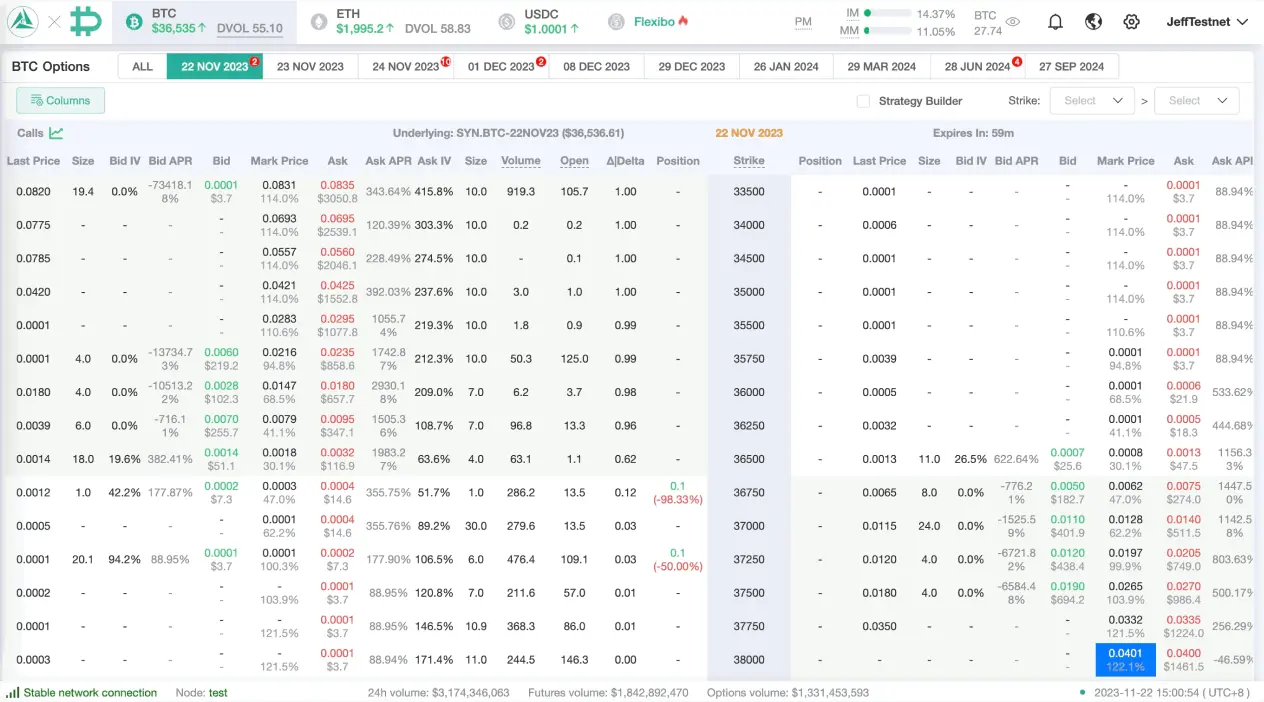
RFQ protocols enable participants to solicit competitive two-way quotes for large or complex trades from multiple liquidity providers, often anonymously. This mechanism is particularly valuable for multi-leg options strategies, where securing optimal pricing across several instruments simultaneously presents a significant challenge. The strategic pairing of OMS/EMS capabilities with these RFQ workflows transforms a fragmented, manual process into a highly efficient, controlled, and data-driven operation.


Strategy
The strategic imperative for integrating OMS and EMS with crypto options RFQ workflows centers on establishing a decisive operational advantage within a dynamic market. A core benefit arises from the consolidation of liquidity. Instead of manually contacting individual counterparties, an integrated system routes RFQs to a network of market makers and liquidity providers simultaneously. This multi-dealer RFQ (MDRFQ) approach fosters genuine price competition, leading to tighter spreads and superior execution prices for institutional-sized orders.
The ability to request quotes anonymously further safeguards against information leakage, preventing adverse price movements that could erode potential profits. This discretion is invaluable for principals executing substantial block trades, ensuring their intentions do not prematurely influence market dynamics.
Furthermore, a sophisticated integration empowers the execution of complex options strategies with precision. Multi-leg options, such as straddles, strangles, and various spreads, require simultaneous pricing and execution of multiple components. An integrated platform streamlines the creation and submission of these complex structures, aggregating competitive prices onto a single screen for immediate evaluation and single-click execution.
This automation reduces the potential for manual errors and significantly accelerates the execution cycle, which is paramount in fast-moving crypto markets where fleeting arbitrage opportunities disappear rapidly. The seamless flow of order information from the OMS to the EMS, combined with real-time market data feeds, provides traders with a comprehensive view of their positions and the prevailing market conditions, enabling informed strategic adjustments.
Integrated OMS/EMS systems enable superior price discovery and anonymous execution for complex crypto options, protecting institutional capital.

Optimizing Risk Exposure and Capital Deployment
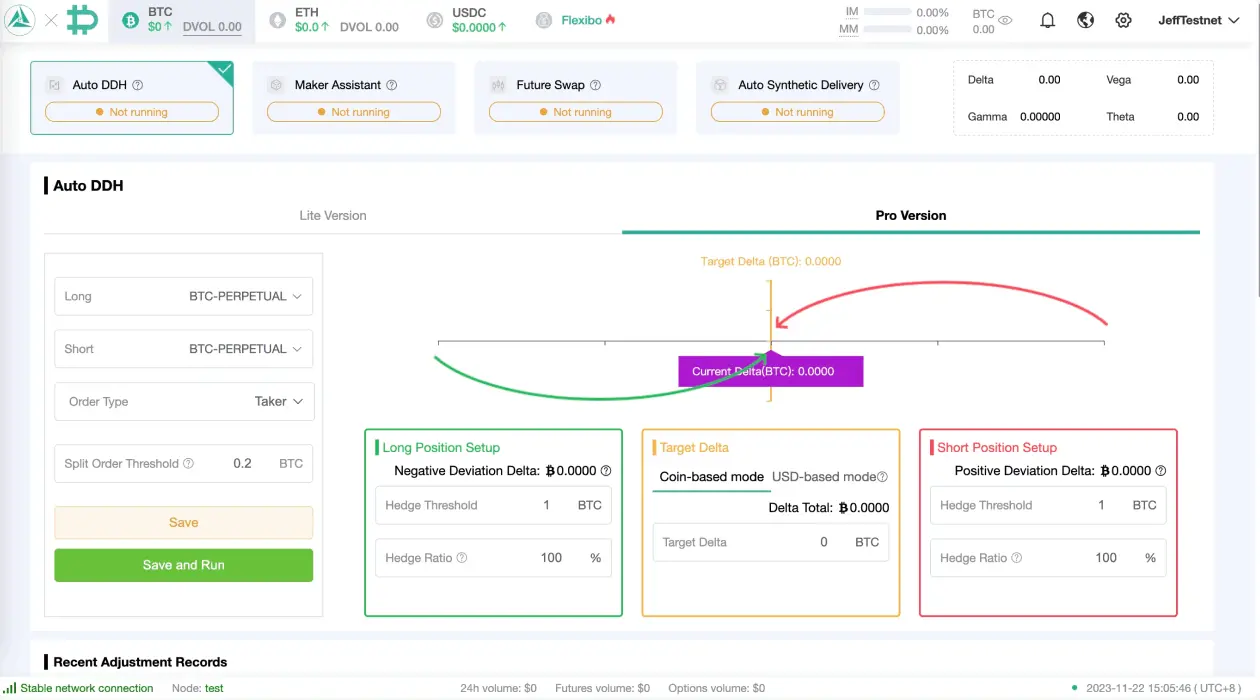
Managing risk exposure represents another critical strategic dimension enhanced by OMS/EMS integration. Automated delta hedging, a sophisticated risk management technique, becomes seamlessly integrated into the trading workflow. This capability allows institutions to maintain a delta-neutral portfolio, automatically adjusting spot or perpetual futures positions to offset the directional risk of their options holdings.
Such dynamic recalibration, often occurring at sub-minute intervals, shields investments from abrupt market fluctuations and preserves capital. The OMS tracks overall portfolio delta, while the EMS executes the necessary hedging trades, creating a cohesive risk management framework.
Capital efficiency also sees substantial improvement through integrated systems. By automating compliance checks and pre-trade analytics, firms can optimize margin utilization and reduce the capital held idle for regulatory or risk buffers. The system ensures that all trades align with predefined risk limits and regulatory requirements before execution, mitigating the potential for costly errors or penalties.
Moreover, the enhanced transparency and auditability provided by a unified system simplify reporting obligations, freeing up valuable operational resources. This strategic alignment of technology, liquidity, and risk management positions institutional participants to not only survive but thrive within the evolving crypto options landscape.


Execution
The operational protocols governing crypto options RFQ workflows within an integrated OMS/EMS framework exemplify a paradigm of high-fidelity execution. The process commences with the order generation within the OMS, where a portfolio manager or trader specifies the desired options contract, including its underlying asset, strike price, expiry, and quantity. This information, along with pre-trade compliance checks, flows seamlessly to the EMS.
The EMS then translates this order into a structured RFQ message, typically leveraging the Financial Information eXchange (FIX) protocol, a global standard for electronic trading communication. This standardized messaging ensures interoperability across diverse liquidity venues and market makers, a critical aspect in the often-fragmented digital asset ecosystem.
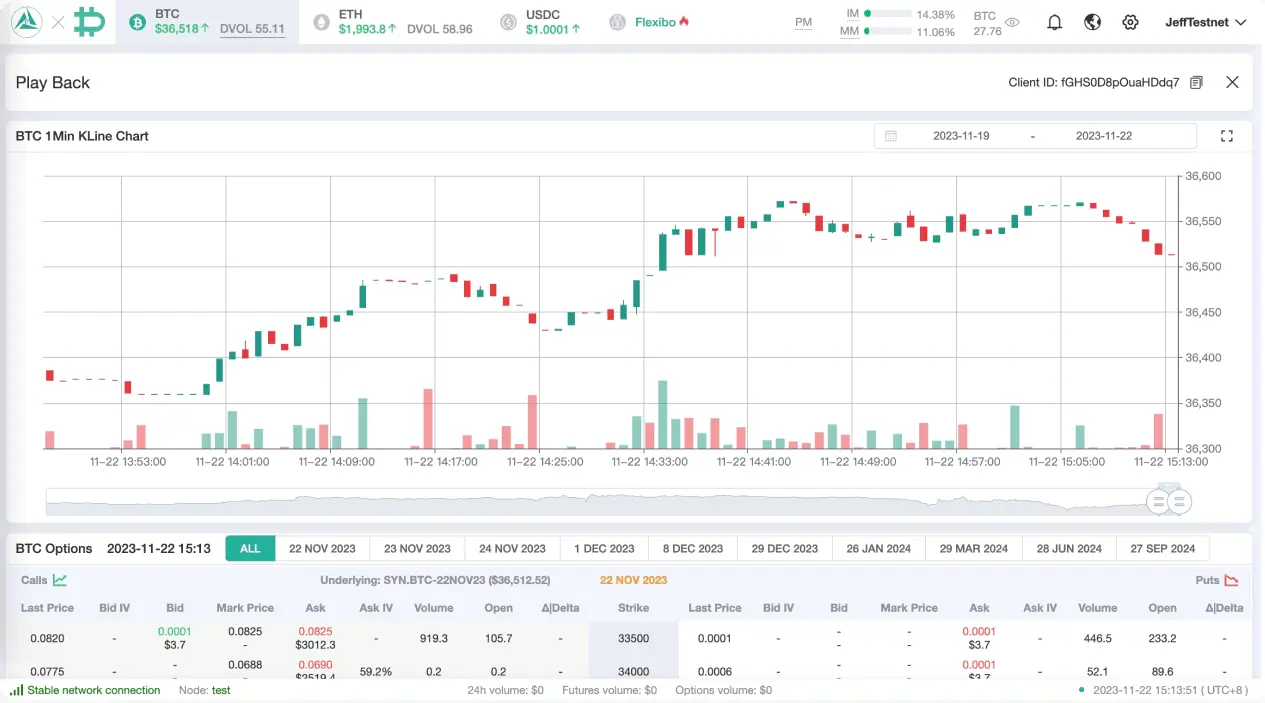
Upon receipt by the EMS, the RFQ is broadcast to a pre-selected network of market makers. These market makers, connected via FIX APIs, respond with their competitive two-way quotes (bid and offer prices) within a specified timeframe. The EMS aggregates these responses in real-time, presenting the trader with an optimized view of available liquidity and pricing. This aggregation is not merely a display of quotes; it often involves smart order routing algorithms that analyze factors such as price, size, and certainty of execution across multiple liquidity providers to identify the best available terms.
The trader can then select the most advantageous quote, and a single-click execution triggers the trade. The execution details are immediately routed back to the OMS for position updates, post-trade compliance, and allocation.
FIX protocol facilitates rapid, standardized communication between OMS/EMS and liquidity providers, driving efficient crypto options RFQ execution.

Automated Hedging and Dynamic Risk Management
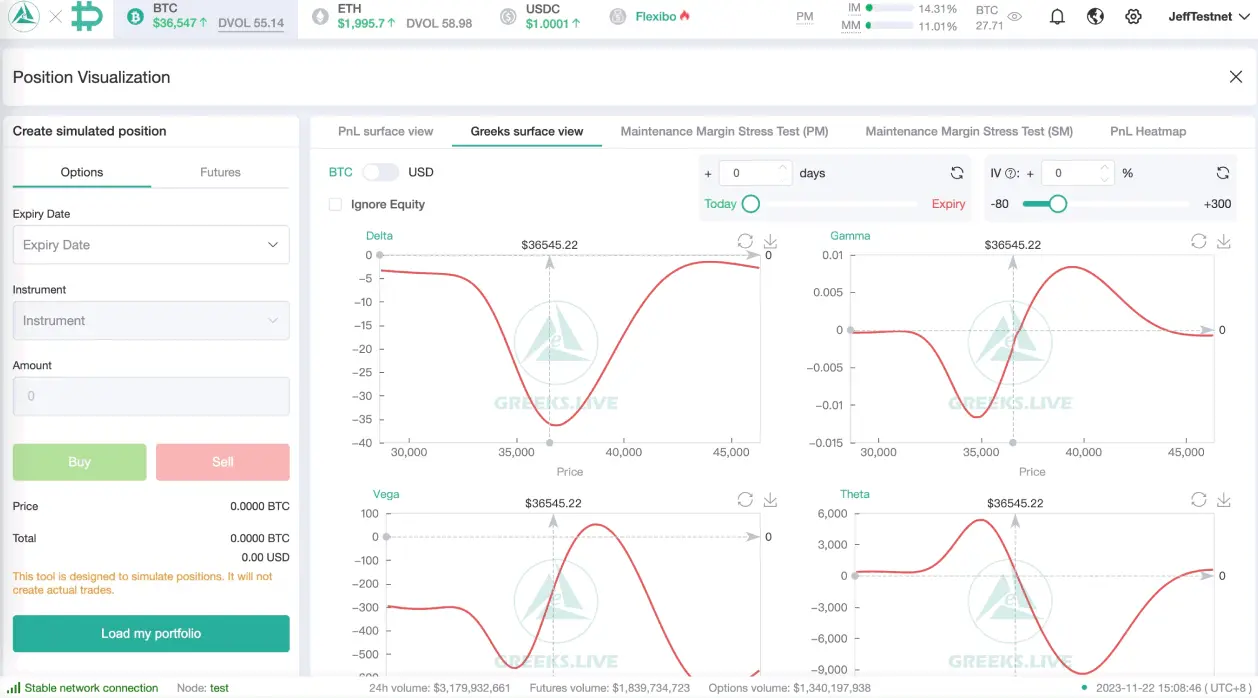
A cornerstone of efficient crypto options execution is the integrated management of directional risk. Automated delta hedging mechanisms, deeply embedded within the EMS, continuously monitor the aggregate delta of the institutional portfolio. As market prices fluctuate, altering the delta of options positions, the system automatically initiates offsetting trades in the underlying spot or perpetual futures markets.
This proactive rebalancing ensures the portfolio remains within predefined delta-neutral parameters, mitigating exposure to adverse price movements. The frequency and aggressiveness of these hedging adjustments are configurable, allowing institutions to tailor their risk profile to specific market conditions and strategic objectives.
Consider a scenario where a portfolio holds a substantial long call option position on Bitcoin. As Bitcoin’s price rises, the delta of the call option increases, introducing positive directional exposure. The automated delta hedging module within the EMS detects this shift and systematically sells a corresponding quantity of Bitcoin perpetual futures to neutralize the overall portfolio delta.
This continuous, low-latency process shields the portfolio from the volatility inherent in crypto markets, preserving the intended risk-reward profile of the options strategy. This functionality significantly reduces the manual overhead and execution risk associated with maintaining delta neutrality, a task that would be virtually impossible to perform effectively at scale without sophisticated system integration.

Key Execution Metrics for Crypto Options RFQ
Measuring the effectiveness of an integrated RFQ workflow requires monitoring specific execution metrics. These metrics provide granular insights into the quality of trade execution and the efficiency of the underlying systems.
| Metric | Description | Impact on Operational Efficiency |
|---|---|---|
| Slippage Reduction | Difference between expected and actual execution price. | Directly reduces transaction costs and improves net returns. |
| RFQ Response Time | Latency from RFQ submission to quote receipt. | Faster responses enable quicker decision-making and capture of fleeting opportunities. |
| Fill Rate | Percentage of requested quantity successfully executed. | Indicates depth of liquidity and certainty of execution for block trades. |
| Spread Capture | Ability to execute within or near the mid-market price. | Reflects competitive pricing from multiple dealers. |
| Pre-Trade Information Leakage | Impact of RFQ submission on market price before execution. | Minimizes adverse selection and preserves alpha. |

Procedural Workflow for a Crypto Options RFQ
The procedural steps involved in executing a crypto options RFQ via an integrated OMS/EMS demonstrate the system’s ability to automate and optimize complex trading actions.
- Order Initiation ▴ A portfolio manager inputs a desired crypto options trade (e.g. a Bitcoin options block trade or an ETH collar RFQ) into the OMS.
- Pre-Trade Compliance ▴ The OMS conducts automated checks against internal risk limits, regulatory requirements, and portfolio mandates.
- RFQ Generation ▴ The EMS receives the validated order and constructs a FIX-compliant RFQ message, specifying instrument details, quantity, and desired quote type.
- Liquidity Provider Routing ▴ The EMS transmits the RFQ to a pre-configured network of market makers and OTC desks, often anonymously.
- Quote Aggregation ▴ Market makers respond with firm, executable quotes. The EMS aggregates these responses, normalizing them for comparison.
- Best Price Selection ▴ The system, potentially aided by smart order routing algorithms, identifies the best bid/offer, which the trader reviews.
- Execution ▴ The trader confirms the preferred quote, and the EMS sends an execution message to the selected liquidity provider.
- Trade Confirmation ▴ The liquidity provider confirms the execution, and the EMS updates the trade status.
- Post-Trade Processing ▴ Execution details are sent back to the OMS for position updates, P&L calculation, and further compliance checks.
- Automated Hedging ▴ The integrated risk system automatically adjusts underlying spot or perpetual futures positions to maintain portfolio delta neutrality.
This detailed procedural flow highlights how system integration transforms a potentially manual and error-prone process into a highly efficient, automated, and risk-controlled operation, directly enhancing operational efficiency for crypto options RFQ workflows. The consistent application of such protocols ensures that institutional participants can confidently access deep liquidity and execute complex strategies, even in the most volatile market conditions.

References
- Finery Markets. “OMS, EMS or OEMS ▴ Definitions, Differences, Benefits and Use Cases.” Finery Markets, 22 Jan. 2025.
- Snap Innovations. “What is EMS & OMS? Streamlining Trading Operations.” Snap Innovations, 23 Feb. 2024.
- Quod Financial. “Buy-Side O/EMS Workflow Automation.” Quod Financial.
- INDATA iPM. “How Trade Order Management Systems Improve Operational Efficiency.” INDATA iPM, 4 Sep. 2025.
- The TRADE. “EMS-Survey-2024.pdf.” The TRADE.
- B2BITS. “RFQ Solution.” B2BITS.
- Trading Technologies. “FIX Strategy Creation and RFQ Support.” TT Help Library.
- InfoReach. “Message ▴ RFQ Request (AH) – FIX Protocol FIX.4.3.” InfoReach.
- FIX Trading Community. “Recommended Practices ▴ FIX Trading Community.” FIXimate.
- Esprow. “ETP FIX RFQ Manager.” Esprow.
- FinanceFeeds. “Bybit Unveils Dynamic Delta Hedging For Institutional Traders.” FinanceFeeds, 3 Apr. 2024.
- Mudrex Learn. “Delta Hedging in Crypto – A Detailed Guide.” Mudrex Learn, 22 Jan. 2025.
- Coinbase. “What is delta hedging and how does it work in crypto?” Coinbase.
- Kenson Investments. “Volatility Strategies in Crypto ▴ Hedging Tools for Institutional Traders.” Kenson Investments, 11 Aug. 2025.
- Pi42 Blog. “Delta Hedging In Options ▴ A Guide For Crypto Traders.” Pi42 Blog, 18 Sep. 2025.
- Paradigm. “Paradigm Expands RFQ Capabilities via Multi-Dealer & Anonymous Trading.” Paradigm, 19 Nov. 2020.
- CryptoNinjas. “Crypto derivatives exchange Bit.com adds Request For Quote (RFQ) function via Paradigm.” CryptoNinjas, 9 Mar. 2021.
- Paradigm. “Institutional Liquidity Network For Crypto Derivatives Traders.” Paradigm.
- Coincall. “The Future of Crypto Options ▴ From Institutional Hedging to Market-Driven Yield.” Coincall, 29 Oct. 2025.
- PR Newswire. “Paradigm Announces $35M Series A Strategic Financing Co-Led By Jump Capital and Alameda Ventures.” PR Newswire, 9 Dec. 2021.
- Newton. “Best Execution Policy.” Newton.
- Bullish. “Bullish to launch crypto options trading with top-tier consortium of trading partners.” Bullish, 2 Oct. 2025.

Reflection
The integration of Order Management Systems and Execution Management Systems with crypto options RFQ workflows fundamentally reshapes how institutional entities approach digital asset derivatives. This convergence creates a robust operational framework, transforming the inherent complexities of volatile markets into opportunities for precise execution and controlled risk. Understanding these systemic interdependencies prompts a critical evaluation of one’s own operational architecture.
Does your current setup provide the requisite speed, transparency, and control to truly capitalize on multi-dealer liquidity and execute complex strategies with confidence? The pursuit of a decisive edge in these markets hinges upon a superior operational framework, where technology serves as an extension of strategic intent, not merely a tool.

Glossary

Execution Management Systems

Digital Asset Derivatives

Crypto Options

Block Trading

Rfq Workflows

Crypto Options Rfq

Market Makers

Automated Delta Hedging

Risk Management

Pre-Trade Compliance

Options Rfq

Delta Hedging

Order Management Systems

Management Systems