

The Imperative of Discreet Capital Deployment
For any principal managing substantial capital, the very act of seeking liquidity for a large block trade carries an inherent vulnerability. The market, an intricate web of participants, perpetually scans for signals, and a significant order’s presence can become an unwitting beacon. This fundamental challenge, known as information leakage, poses a formidable obstacle to achieving optimal execution. When a large order’s intent becomes known, even partially, opportunistic actors can pre-position themselves, leading to adverse price movements.
Such movements erode the value of the intended transaction, manifesting as increased slippage and ultimately diminishing returns. Understanding this dynamic is paramount for preserving alpha.
The core of this vulnerability lies in information asymmetry, a foundational concept within market microstructure. Participants with superior information, or those adept at interpreting subtle market cues, can exploit the knowledge of an impending large trade. This exploitation directly translates into higher execution costs for the institutional trader.
The market’s sensitivity to large orders necessitates sophisticated mechanisms to shield trade intent from predatory algorithms and human arbitrageurs. Effective mitigation of information leakage becomes a strategic imperative, influencing the very viability of certain trading strategies.
Information leakage in block trading represents a significant erosion of value, driven by market participants exploiting disclosed trade intent.
Request for Quote (RFQ) protocols emerge as a critical defense against this pervasive challenge. These structured communication channels facilitate price discovery for specific financial instruments without immediately exposing the full scale or direction of an institutional order to the broader market. The design of these protocols centers on creating a controlled environment where multiple liquidity providers can compete for an order, all while preserving a degree of anonymity for the initiator. This measured approach to soliciting bids and offers is a deliberate countermeasure to the hyper-transparent nature of lit markets, where every order book entry can be scrutinized.
A primary function of a robust RFQ system involves its capacity to aggregate liquidity across a diverse pool of dealers. Instead of engaging in sequential, bilateral negotiations that incrementally reveal trade interest, a well-engineered RFQ simultaneously reaches multiple counterparties. This simultaneous engagement creates a competitive dynamic among liquidity providers, compelling them to offer their sharpest prices.
Simultaneously, it limits the propagation of sensitive order information, confining it to a select group of potential counterparties who are actively quoting. This structural design minimizes the footprint of a large order, preventing the widespread market impact that often accompanies less discreet execution methods.


Strategic Frameworks for Liquidity Sourcing
Deploying RFQ protocols strategically requires a deep appreciation for the interplay between discretion, competition, and execution velocity. The objective extends beyond simply obtaining a price; it encompasses securing the best possible price while meticulously controlling information flow. Modern RFQ systems are engineered to empower institutional participants with granular control over their interactions with liquidity providers, thereby transforming a potential liability into a strategic advantage. This operational precision ensures that large-scale transactions are executed with minimal market disruption.
Multi-Dealer RFQ (MDRFQ) stands as a cornerstone of this strategic defense. Instead of a single counterparty relationship, MDRFQ enables simultaneous price requests from a curated panel of liquidity providers. This competitive tension is fundamental to achieving optimal pricing. Each dealer, aware they are competing against others, is incentivized to offer tighter spreads and more favorable terms.
Critically, this process can unfold without revealing the initiating firm’s identity or the precise direction of the trade, thereby preventing front-running and adverse selection. The aggregation of these competitive quotes onto a single interface provides the principal with a clear, consolidated view of available liquidity.
Multi-Dealer RFQ structures foster competitive pricing while safeguarding trade intent from broader market exposure.
Anonymity features within RFQ protocols are indispensable for preserving alpha. The ability to issue a quote solicitation without disclosing the buy-side firm’s identity, or even the side of the trade (buy or sell), is a powerful deterrent against information leakage. This shielding mechanism ensures that liquidity providers assess the trade solely on its merits and prevailing market conditions, rather than attempting to infer future price movements based on the initiator’s known trading patterns or portfolio positions. For instruments like Bitcoin Options Block or ETH Options Block, where market depth can be highly sensitive, such discretion is invaluable.
Selective disclosure mechanisms represent another sophisticated layer of strategic control. Principals can choose to reveal certain trade parameters to specific dealers, perhaps those with whom they have established relationships or who specialize in particular asset classes. This calibrated approach allows for targeted liquidity sourcing, ensuring that sensitive information is shared only when a clear strategic benefit is anticipated.
It provides a nuanced balance between soliciting competitive quotes and maintaining strict confidentiality. This thoughtful management of information ensures a superior execution experience.
Consider the following comparison of traditional voice brokerage, a common method for block trading, against a modern RFQ platform. The distinctions highlight the strategic advantages offered by technological advancements in liquidity sourcing.
| Feature | Traditional Voice Brokerage | Modern RFQ Platform |
|---|---|---|
| Information Leakage Risk | High, due to sequential calls and broker discretion. | Low, with anonymous and multi-dealer features. |
| Price Discovery Mechanism | Bilateral negotiation, potentially less competitive. | Simultaneous multi-dealer competition, optimized pricing. |
| Execution Speed | Slower, dependent on human interaction and communication. | Faster, electronic processing of multiple quotes. |
| Auditability & Transparency | Limited, often relies on verbal agreements. | High, all quotes and executions digitally recorded. |
| Counterparty Reach | Dependent on broker’s network. | Broad, integrated network of liquidity providers. |
| Customization for Multi-leg | Manual, prone to errors for complex spreads. | Automated, supports multi-leg execution with precision. |
The strategic application of RFQ protocols extends to managing the lifecycle of complex derivatives, such as Options Spreads RFQ or BTC Straddle Block orders. The ability to request quotes for multi-leg strategies ensures that all components of the trade are priced and executed concurrently, mitigating leg risk and ensuring a cohesive execution outcome. This integrated approach to complex order types underscores the sophistication required for institutional trading in volatile markets. Optimal execution hinges on this systemic coordination.
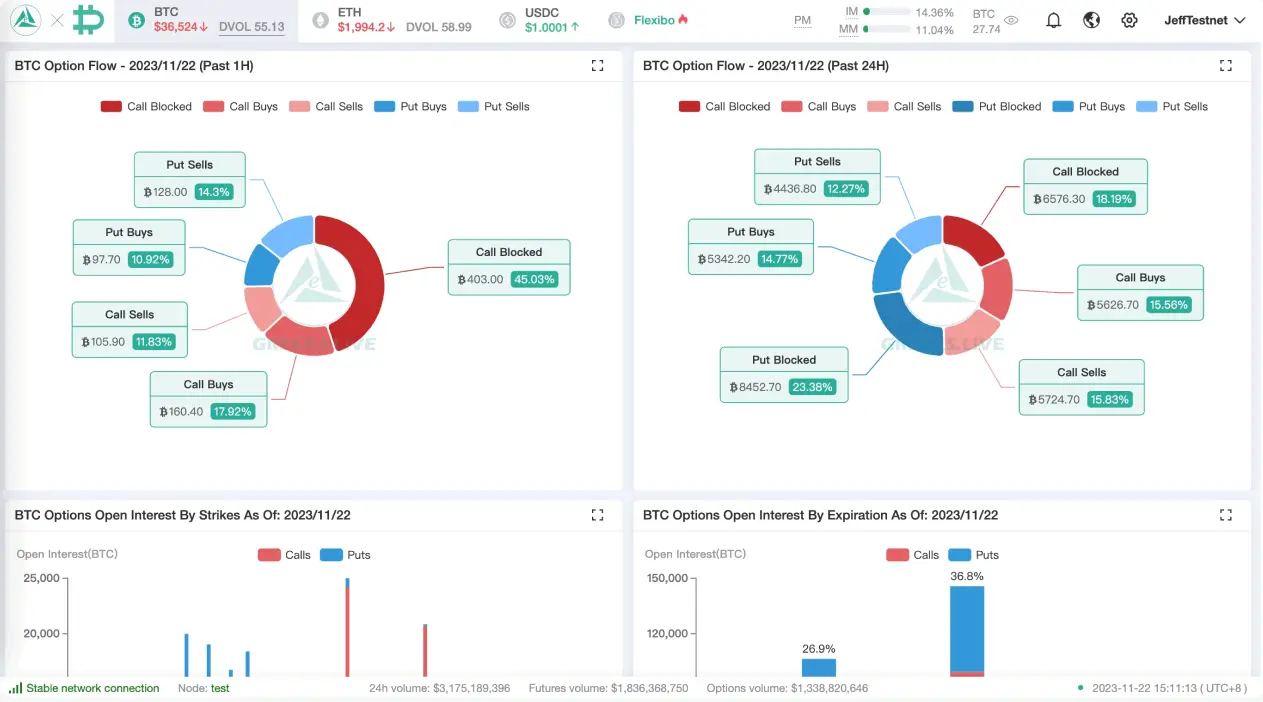
Beyond simple price discovery, the intelligence layer within RFQ platforms offers real-time insights into market flow data. This allows principals to make informed decisions about when and how to deploy their capital, adjusting their RFQ strategy based on prevailing liquidity conditions and perceived market sensitivity. The combination of automated processes with expert human oversight, often facilitated by “System Specialists,” ensures that even the most intricate execution scenarios are handled with precision and strategic acumen. This blend of technology and expertise provides a significant operational edge.


Operationalizing Discretionary Trading Protocols
The true efficacy of RFQ protocols in mitigating information leakage during large-scale block trade execution is realized through their precise operational mechanics. Execution is where theoretical advantages translate into tangible financial outcomes, demanding a deep understanding of the underlying technical standards and quantitative implications. A high-fidelity execution framework minimizes slippage and preserves the intrinsic value of a large order, which is the ultimate goal. This involves a meticulous orchestration of technology and market insight.
The workflow of an RFQ begins with the initiator constructing a precise quote request, specifying the instrument, side, quantity, and any special conditions, such as multi-leg spread requirements for Options RFQ. This request is then transmitted through a secure, low-latency network to a pre-selected group of liquidity providers. The system’s design ensures that this transmission is both rapid and confidential, preventing external observers from detecting the impending trade. The immediate, simultaneous broadcast to multiple dealers fosters a competitive response, ensuring the initiator receives a diverse array of pricing.
Technical standards, such as extensions of the FIX (Financial Information eXchange) protocol, are fundamental to this seamless operation. FIX messages, adapted for RFQ workflows, enable the precise communication of order parameters and quote responses between the buy-side system and the various dealer platforms. This standardization ensures interoperability and reduces the operational friction that could otherwise introduce delays or errors. The meticulous encoding of order intent within these messages safeguards against misinterpretation and ensures the integrity of the transaction.
Quantitative analysis of execution quality is indispensable for validating the effectiveness of RFQ protocols. Metrics such as slippage, market impact, and realized spread are continuously monitored to assess the actual cost of execution against theoretical benchmarks. Slippage, defined as the difference between the expected price of a trade and its executed price, directly quantifies the financial impact of information leakage. A well-implemented RFQ system consistently demonstrates lower slippage for block trades compared to methods that expose orders to greater signaling risk.
Precise execution metrics provide empirical validation of RFQ protocols’ effectiveness in reducing trading costs.
Consider a hypothetical scenario illustrating the potential impact of information leakage on a large block trade. An institutional client seeks to execute a substantial Bitcoin Options Block order.
| Execution Method | Nominal Trade Value (BTC) | Information Leakage Impact (%) | Estimated Slippage Cost (BTC) | Net Execution Price (BTC) |
|---|---|---|---|---|
| Public Order Book | 500 | 0.75% | 3.75 | 496.25 |
| Sequential Voice Brokerage | 500 | 0.45% | 2.25 | 497.75 |
| Multi-Dealer RFQ (Anonymous) | 500 | 0.15% | 0.75 | 499.25 |
The table demonstrates a clear reduction in estimated slippage cost when employing an anonymous Multi-Dealer RFQ compared to less discreet methods. The 0.15% information leakage impact for MDRFQ translates to a significantly lower cost, directly preserving capital for the institutional client. This reduction stems from the protocol’s ability to confine trade interest to a closed group of competitive liquidity providers, thereby minimizing the opportunity for adverse selection.
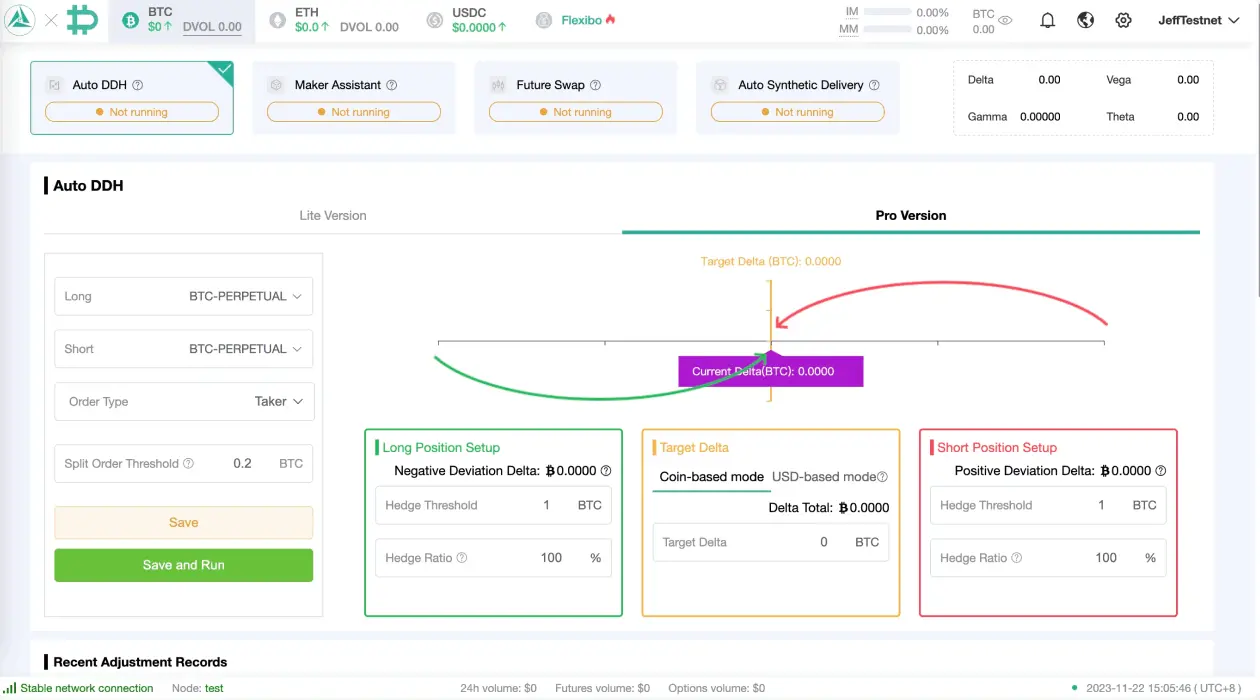
Operationalizing advanced trading applications within RFQ frameworks, such as Automated Delta Hedging (DDH) for options blocks, requires sophisticated system integration. The RFQ platform must interface seamlessly with the firm’s Order Management System (OMS) and Execution Management System (EMS). This integration allows for the automatic generation of hedging orders upon block execution, ensuring that the portfolio’s risk profile remains within predefined parameters. The complexity involved in synchronizing these systems underscores the necessity of robust technological foundations.
One aspect often overlooked in the pursuit of pure efficiency is the nuanced understanding of market dynamics that human specialists provide. While automated systems process RFQs with remarkable speed, the strategic decisions regarding which dealers to include, the timing of the request, and the interpretation of unusual quote patterns frequently benefit from the seasoned judgment of a “System Specialist.” This intellectual grappling with the optimal balance between automated efficiency and human oversight is a constant challenge in high-stakes trading environments. It compels a continuous re-evaluation of the system’s parameters and the human element’s role within it.
The continuous refinement of RFQ protocols aims to achieve a near-frictionless access to liquidity for institutional clients. This encompasses minimizing not only information leakage but also reducing implicit transaction costs and optimizing capital efficiency. The development of Smart Trading within RFQ capabilities, which leverage machine learning to predict optimal liquidity provider selection and timing, represents the frontier of this operational evolution.
These systems learn from historical execution data, constantly refining their strategies to deliver superior outcomes. The pursuit of best execution is an ongoing process of technological advancement and strategic adaptation.
The design of an RFQ system must also account for the potential for “winner’s curse” among liquidity providers. In a competitive bidding environment, the dealer offering the tightest price might sometimes be the one who has underestimated the underlying market risk or possesses less favorable inventory. However, the multi-dealer structure mitigates this for the initiator, as they benefit from the competition without bearing the primary risk of a single dealer’s misjudgment. This inherent advantage of the RFQ mechanism further solidifies its position as a preferred method for block execution.
A blunt, uncompromising truth in this domain is that some degree of information asymmetry will always persist. The goal is not to eliminate it entirely, which is an impossible feat, but to manage and mitigate its impact to an irreducible minimum.

References
- Seppi, Duane J. “Equilibrium Block Trading and Asymmetric Information.” The Journal of Finance, vol. 45, no. 1, 1990, pp. 73 ▴ 94.
- “Principal Trading Procurement ▴ Competition and Information Leakage.” The Microstructure Exchange, 2021.
- “Paradigm Expands RFQ Capabilities via Multi-Dealer & Anonymous Trading.” Paradigm, 2020.
- “Information leakage.” Global Trading, 2025.
- “Efficiently Sourcing FX Block-Trade Liquidity without Information Leakage or Market Impact.” Advanced Markets, 2015.
- Harris, Larry. “Trading and Exchanges ▴ Market Microstructure for Practitioners.” Oxford University Press, 2003.
- O’Hara, Maureen. “Market Microstructure Theory.” Blackwell Publishers, 1995.
- Glosten, Lawrence R. and Paul R. Milgrom. “Bid, Ask and Transaction Prices in a Specialist Market with Heterogeneously Informed Traders.” Journal of Financial Economics, vol. 14, no. 1, 1985, pp. 71 ▴ 100.
- Kyle, Albert S. “Continuous Auctions and Insider Trading.” Econometrica, vol. 53, no. 6, 1985, pp. 1315 ▴ 1335.
- Faltoni, Fabio, and Carlos Mateus. “How Swap Execution Facilities will Reshape the OTC Derivative Swap Market.” Journal of Stock & Forex Trading, vol. 4, no. 154, 2015.

Refining Operational Control
The journey through RFQ protocols reveals a critical truth ▴ mastering market execution is a continuous process of refining operational control. Each decision regarding liquidity sourcing, counterparty engagement, and technological integration directly shapes the firm’s capacity to navigate complex markets. Consider your own operational framework ▴ where might discreet protocols offer a decisive advantage?
The relentless pursuit of capital efficiency demands a proactive stance, continuously evaluating and enhancing the systemic defenses against information asymmetry. A superior operational framework is the ultimate determinant of a sustained strategic edge in an ever-evolving financial landscape.

Glossary

Information Leakage

Block Trade

Market Microstructure

Liquidity Providers

Price Discovery

Rfq Protocols

Adverse Selection

Block Trading

Options Rfq

Execution Quality

Capital Efficiency