

Concept
Navigating the intricate currents of modern financial markets demands an acute understanding of risk mitigation and regulatory compliance. For institutional participants, the convergence of automated delta hedging and MiFID II block trade execution strategies presents a particularly complex, yet strategically significant, operational challenge. This synthesis requires more than a cursory glance at individual components; it necessitates a deep exploration of how these distinct systems interact, creating both efficiencies and points of friction within the broader market microstructure.
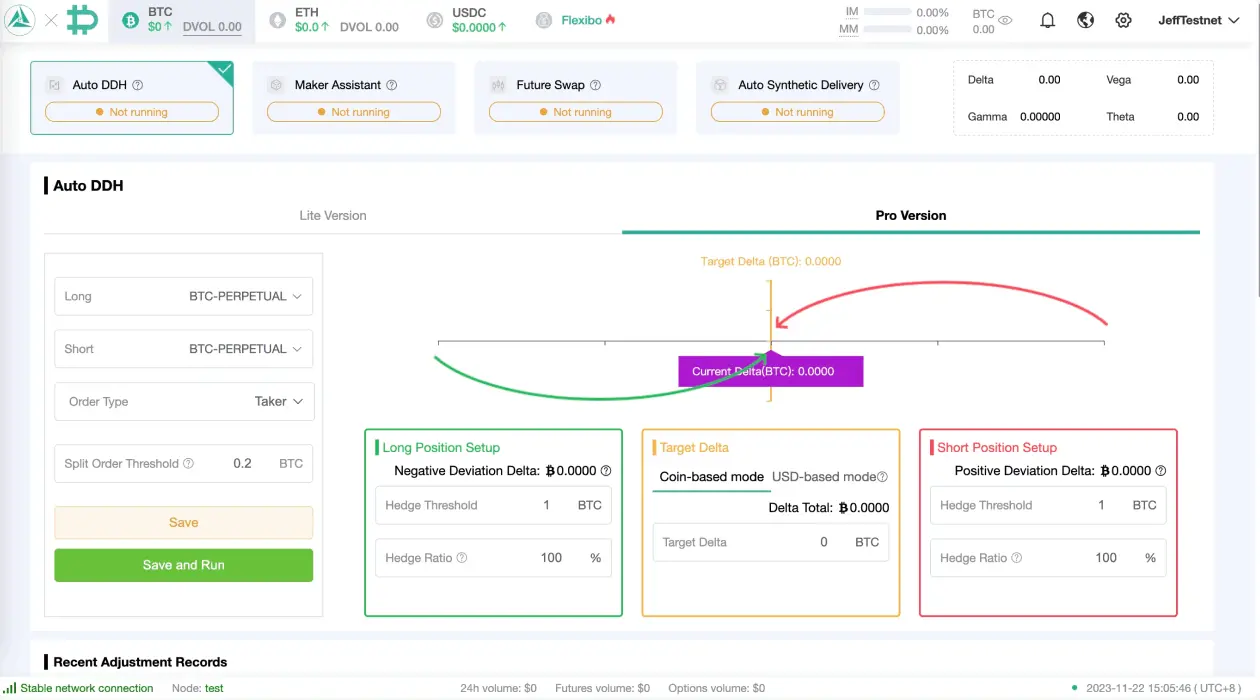
Automated delta hedging, at its core, represents a sophisticated mechanism for neutralizing the directional risk inherent in options portfolios. This technique relies on continuous adjustments to positions in the underlying asset, maintaining a delta-neutral stance to insulate against minor price fluctuations. Automated systems perform these rebalancing acts with remarkable speed and precision, significantly reducing human error and optimizing trade execution. This constant recalibration is vital for market makers and institutional investors managing substantial, complex derivatives exposures, particularly amidst volatile market conditions.
Automated delta hedging dynamically rebalances options portfolios to neutralize directional price risk with high speed and precision.
Concurrently, MiFID II introduced a comprehensive framework designed to enhance market transparency and investor protection across European financial markets. A significant aspect of this regulation addresses block trade execution, defining “Large in Scale” (LIS) transactions as those exceeding specific size thresholds for various asset classes. These block trades, by their very nature, involve substantial volumes that, if executed without careful consideration, could severely impact market prices. MiFID II’s provisions, therefore, seek to balance the need for market transparency with the imperative to minimize adverse market impact for these large institutional orders, often allowing for deferred publication of trade details.
The strategic intersection of these two domains emerges as a critical operational frontier. Automated delta hedging systems generate frequent, often small, orders to maintain portfolio neutrality. MiFID II block trade rules, conversely, govern large, singular transactions and impose specific pre- and post-trade transparency obligations, albeit with waivers for LIS trades.
The fundamental inquiry then becomes how a system designed for high-frequency, continuous adjustments can seamlessly integrate with a regulatory regime built around managing the market impact and reporting requirements of infrequent, high-volume transactions. A coherent approach demands a systemic view, ensuring that risk management objectives align with regulatory mandates, optimizing both capital efficiency and compliance integrity.


Strategy
Forging a cohesive strategy for integrating automated delta hedging with MiFID II block trade execution requires a multi-layered approach, addressing both the technical nuances of algorithmic risk management and the prescriptive demands of regulatory oversight. Institutional entities prioritize both the precision of their hedging operations and the integrity of their compliance posture. The strategic imperative involves constructing an operational framework where automated rebalancing activities, typically high-frequency, can coexist with the distinct requirements governing large, often discreet, block transactions.

Designing Adaptive Hedging Protocols
A primary strategic consideration centers on designing adaptive hedging protocols that acknowledge the distinct nature of block trades. Automated delta hedging thrives on continuous monitoring and rapid execution to maintain a neutral position. However, applying this high-frequency rebalancing indiscriminately to positions arising from block trades might generate excessive transaction costs or create unwanted market signals, potentially undermining the very discretion sought in block execution.
Strategic deployment of automated delta hedging in the context of block trades involves a calibrated response. Initial delta calculations for a block position can trigger a hedging strategy that considers the trade’s scale and potential market impact. Instead of immediate, granular rebalancing, a firm might opt for a more phased or event-driven approach for the portion of the hedge related to the block. This allows for discretion while maintaining risk parameters.
Volatility-adjusted rebalancing, for instance, offers a sophisticated mechanism where hedging frequency adapts to market conditions, becoming more aggressive during periods of heightened volatility and less so in calmer environments. This ensures that the costs associated with frequent adjustments are justified by prevailing market risks.

Navigating Transparency Waivers and Systematic Internalisers
MiFID II’s pre- and post-trade transparency requirements present a significant strategic challenge, particularly for block trades. The regulation, however, provides waivers for transactions deemed “Large in Scale” (LIS), allowing for delayed publication to mitigate market impact. Strategically, firms leverage these waivers to execute large orders with minimal information leakage. The emergence of Systematic Internalisers (SIs) under MiFID II also provides a venue for bilateral trading, often favored for block transactions due to the potential for greater discretion and control over execution.
Leveraging MiFID II’s LIS waivers and SI frameworks is crucial for discreet, impactful block trade execution.
Integrating automated delta hedging with these mechanisms means designing algorithms that recognize when a hedging component is associated with an LIS trade or an SI execution. The system then adapts its reporting and transparency flags accordingly. For example, a delta hedging order related to a block trade executed through an SI might be aggregated or reported with appropriate deferrals, aligning with the SI’s specific transparency obligations. This requires a robust internal classification system for trade types and their associated regulatory treatment.
A table outlining strategic considerations for delta hedging block trades follows:
| Strategic Element | Description | MiFID II Integration |
|---|---|---|
| Hedge Initiation | Initial delta calculation and hedging action upon block trade confirmation. | Immediate, but potentially staged, to avoid premature market signaling. |
| Rebalancing Frequency | Adaptive adjustments based on market volatility and transaction costs. | Considers LIS waivers for underlying block positions; optimizes to avoid excessive reporting. |
| Execution Venue Selection | Routing hedging orders to optimize liquidity and minimize market impact. | Prioritizes venues (e.g. SIs, dark pools within caps) for discretion when linked to block. |
| Information Leakage Control | Mechanisms to prevent unintended disclosure of large positions. | Leverages pre-trade transparency waivers and deferred post-trade reporting. |
| Regulatory Reporting Adaptation | Automated tagging and aggregation of hedging trades for compliance. | Ensures alignment with MiFID II transaction reporting and SI obligations. |

Optimizing Transaction Cost Analysis
A core strategic objective involves optimizing Transaction Cost Analysis (TCA) for both the block trade and its associated delta hedges. Automated systems allow for granular tracking of execution costs, including explicit costs like commissions and fees, and implicit costs such as market impact and slippage. By integrating TCA directly into the hedging algorithm, firms can refine their rebalancing strategies, striking a balance between maintaining delta neutrality and minimizing overall trading expenses. This iterative process of analysis and adjustment ensures that the chosen hedging strategy remains economically viable and aligned with the firm’s overarching execution quality objectives.


Execution
The operational execution of automated delta hedging within the MiFID II block trade framework demands a meticulously engineered system, where quantitative models, real-time data flows, and regulatory compliance mechanisms coalesce into a seamless, high-fidelity process. Achieving this integration transcends theoretical discussion, requiring a granular understanding of implementation protocols and the underlying technological architecture. The objective remains a precise, risk-controlled, and compliant execution of complex derivatives strategies.

The Operational Playbook
Implementing automated delta hedging for block trades involves a series of interconnected operational steps, each requiring robust system capabilities and defined protocols. This playbook ensures that the dynamic requirements of hedging meet the structured demands of MiFID II.
- Block Trade Inception and Identification ▴
- Order Reception ▴ The system receives a block trade order, typically through an RFQ protocol or direct negotiation with a counterparty.
- LIS Threshold Verification ▴ Automated checks confirm the trade qualifies for MiFID II’s Large in Scale (LIS) waiver based on instrument-specific thresholds.
- Regulatory Flagging ▴ The trade is immediately flagged internally with its MiFID II classification (e.g. LIS waiver applicable, SI execution), dictating subsequent transparency and reporting pathways.
- Initial Delta Calculation and Hedging Mandate ▴
- Real-time Pricing ▴ Utilizing robust options pricing models (e.g. Black-Scholes, binomial models), the system calculates the delta of the newly acquired or disposed block option position.
- Initial Hedge Sizing ▴ The required quantity of the underlying asset to achieve delta neutrality is determined.
- Staged Hedge Execution ▴ For large delta exposures, the initial hedge might be executed in smaller tranches to mitigate market impact, even if the primary block trade benefits from delayed publication.
- Continuous Delta Rebalancing ▴
- Market Data Ingestion ▴ Low-latency feeds continuously update underlying asset prices, implied volatilities, and other relevant market parameters.
- Dynamic Delta Recalculation ▴ The automated system re-evaluates the portfolio’s delta at pre-defined intervals or upon significant market movements.
- Adaptive Rebalancing Triggers ▴ Algorithms initiate hedging trades when the portfolio’s delta deviates beyond a specified tolerance band, dynamically adjusting frequency based on volatility.
- MiFID II Transaction Reporting and Transparency Management ▴
- Automated Reporting Aggregation ▴ All individual hedging trades, whether related to a block or standard options position, are aggregated and tagged with appropriate reporting identifiers.
- Waiver-Compliant Publication ▴ For LIS-related hedges, the system ensures that publication of trade details adheres to the authorized deferral periods, preventing premature disclosure.
- SI Reporting Protocols ▴ If the block was executed via a Systematic Internaliser, the automated hedging system ensures its subsequent trades align with the SI’s specific reporting obligations.

Quantitative Modeling and Data Analysis
The precision of automated delta hedging relies heavily on sophisticated quantitative models and the continuous analysis of market data. The Black-Scholes model, while foundational, operates under assumptions (e.g. constant volatility, frictionless trading) that rarely hold true in real markets. Advanced implementations incorporate smile-adjusted and local volatility frameworks, which account for strike- and maturity-specific volatility, yielding more accurate delta estimations.
Data analysis within this context focuses on optimizing rebalancing strategies. Backtesting and simulation are critical tools for configuring thresholds that balance hedging accuracy with transaction costs. By analyzing historical data, automated systems determine optimal rebalancing frequencies and threshold levels, preventing both over-hedging (which incurs excessive costs) and under-hedging (which leaves residual risk exposure). The computational demands are substantial, requiring robust infrastructure capable of processing vast datasets in real time.
Consider a scenario where a firm holds a short call option position with a delta of -0.4 on 10,000 shares of Company A, acquired through a MiFID II LIS block trade. The goal is to maintain delta neutrality. The following table illustrates a simplified rebalancing schedule based on price movements and calculated delta changes:
| Time (T) | Underlying Price (S) | Option Delta (Δ) | Current Hedge (Shares) | Required Hedge (Shares) | Action (Shares) | Cumulative Transaction Cost (EUR) |
|---|---|---|---|---|---|---|
| T0 | 100.00 | -0.40 | +4,000 | +4,000 | Initial Buy ▴ 4,000 | 100.00 |
| T+15min | 100.50 | -0.42 | +4,000 | +4,200 | Buy ▴ 200 | 105.00 |
| T+30min | 99.80 | -0.38 | +4,200 | +3,800 | Sell ▴ 400 | 115.00 |
| T+45min | 101.20 | -0.45 | +3,800 | +4,500 | Buy ▴ 700 | 132.50 |
The system constantly evaluates the delta, determining the necessary adjustment in the underlying asset to re-establish neutrality. This process, repeated numerous times throughout the option’s life, exemplifies the quantitative rigor required. Each transaction is then subject to MiFID II reporting rules, with the system ensuring that the aggregate impact of these hedging trades does not inadvertently trigger transparency obligations for the underlying block position outside of permitted deferrals.

Predictive Scenario Analysis
A crucial aspect of managing automated delta hedging for MiFID II block trades involves robust predictive scenario analysis. Imagine a large institutional investor executing a significant block trade of a complex equity derivative, such as a multi-leg options spread, on a European trading venue. This particular spread involves a short call option on Company B with a strike price of €150 and an expiry in three months, and a long call option on the same underlying with a strike of €160 and the same expiry.
The total notional value of this block trade, when considering the underlying shares, comfortably exceeds the LIS threshold for its asset class. The primary objective is to gain directional exposure while meticulously managing the delta risk through automation, all while adhering to stringent MiFID II transparency rules.
Upon execution of this block, the automated delta hedging system immediately calculates the net delta of the spread, which, for argument’s sake, is -0.25 per share. To neutralize this, the system initiates a purchase of 250,000 shares of Company B (assuming 1,000,000 options contracts, each representing 100 shares, and a net delta of -0.25). This initial hedge, being substantial, is also executed with careful consideration of market impact, potentially using a sophisticated Volume Weighted Average Price (VWAP) algorithm over a short period to avoid moving the market against the position. The MiFID II LIS waiver allows the initial block trade details to be published with a deferral, perhaps up to 60 minutes, granting the firm time to establish its hedge without signaling its full directional intent to the broader market.
Now, consider a market event ▴ Company B announces unexpected positive earnings. The stock price jumps from €155 to €162 within minutes. The automated system, receiving real-time market data, immediately recalculates the delta of the options spread. The short €150 call moves deeper in-the-money, and the long €160 call also gains value, but the overall net delta shifts to, for example, -0.35.
This necessitates selling an additional 100,000 shares (a change of -0.10 delta 1,000,000 shares). The system, configured with pre-defined volatility-adjusted rebalancing thresholds, executes this sale swiftly. Because these hedging adjustments are typically smaller than the original block, they generally fall below LIS thresholds and are reported with standard, near real-time post-trade transparency. The system ensures that these individual hedging trades, while frequent, are correctly flagged as standard transactions, distinct from the initial LIS block, thereby preventing any inadvertent breach of the deferred reporting window for the primary trade.
The continuous feedback loop from market data to delta calculation and rebalancing ensures that even in rapidly evolving market conditions, the portfolio maintains its desired risk profile. This intricate dance between automated risk management and regulatory adherence underscores the need for robust, intelligent systems capable of distinguishing between trade types and applying the appropriate execution and reporting protocols.
Sophisticated predictive analysis models market scenarios to ensure hedging strategies remain compliant and effective under varying conditions.
This is where the human element becomes indispensable. Even the most advanced automated systems require oversight from experienced System Specialists who monitor the interplay of algorithms and market dynamics. During extreme volatility or unforeseen market dislocations, these specialists can intervene, adjust parameters, or temporarily override automated processes to prevent unintended consequences.
Their role is to ensure the system adapts to novel situations that quantitative models might not fully anticipate, preserving both capital and regulatory standing. This collaborative intelligence, combining algorithmic speed with human strategic insight, defines the cutting edge of institutional trading.

System Integration and Technological Architecture
The integration of automated delta hedging with MiFID II block trade execution necessitates a sophisticated technological architecture, built on principles of low-latency data processing, robust algorithmic execution, and seamless regulatory reporting. The foundation is a high-performance trading platform capable of handling vast streams of market data and executing trades across multiple venues.

Data Infrastructure
A resilient data infrastructure is paramount. This includes real-time market data feeds (e.g. tick data, implied volatility surfaces) ingested and processed with minimal latency. High-capacity databases store historical data for backtesting, model calibration, and Transaction Cost Analysis (TCA). Data pipelines must ensure data integrity and availability across all modules, from delta calculation to trade execution and reporting.

Algorithmic Execution Engines
The core of the system comprises highly optimized algorithmic execution engines. These engines receive delta hedging mandates, determine optimal execution strategies (e.g. VWAP, TWAP, or liquidity-seeking algorithms), and route orders to appropriate venues.
For hedging associated with block trades, these algorithms can be configured to interact with Systematic Internalisers (SIs) or dark pools, respecting volume caps and transparency waivers. FIX protocol messages facilitate communication with trading venues and counterparties, ensuring standardized and efficient order flow.

Risk Management and Compliance Modules
Integrated risk management modules provide real-time monitoring of portfolio delta, gamma, theta, and vega exposures. Pre-trade risk controls prevent erroneous orders or breaches of pre-defined limits. Post-trade controls, including order and trade surveillance, identify potential market abuse or compliance deviations. A dedicated MiFID II compliance module automates transaction reporting (RTS 22) and order record-keeping (RTS 24), ensuring all hedging trades, whether individual or block-related, are accurately timestamped, classified, and reported to the relevant competent authority within the mandated timeframes.

Order Management and Execution Management Systems (OMS/EMS)
The entire architecture is typically orchestrated by integrated Order Management Systems (OMS) and Execution Management Systems (EMS). The OMS handles the lifecycle of an order, from inception to allocation, while the EMS focuses on optimal execution. For block trades and their associated hedges, these systems coordinate to ensure that the primary block is executed and reported under MiFID II’s LIS provisions, while the automated delta hedges are generated and executed in a manner that supports the overall risk management objective without compromising regulatory integrity. API endpoints facilitate seamless communication between proprietary systems and external trading venues, market data providers, and regulatory reporting entities.

References
- LuxAlgo. “How Delta Hedging Automation Works.” 2025.
- arXiv. “Delta Hedging Liquidity Positions on Automated Market Makers.”
- AFME. “MiFID 2 ▴ Algorithmic & High Frequency Trading.” 2015.
- Kroll. “MiFID II Algorithmic Trading High Frequency Trading and Market Making.” 2015.
- FIA.org. “Best Practices For Automated Trading Risk Controls And System Safeguards.” 2024.
- Cloudfront.net. “MiFID II Transaction Reporting.”
- QuestDB. “Block Trade Reporting.”
- EEX. “MiFID II/MiFIR – General information.”
- PyQuant News. “Mastering Delta Hedging in Options Trading.” 2024.
- ResearchGate. “A Comprehensive Review of Delta Hedging Strategies and Modern Enhancements.” 2025.
- ResearchGate. “Delta hedging strategies comparison.” 2025.
- Nasdaq. “Large in Scale.”
- Norton Rose Fulbright. “10 things you should know ▴ The MiFID II / MiFIR RTS.” 2015.
- ICMA. “MiFID II/MiFIR and Fixed Income August 2017.”
- ICE. “10 September 2020 Circular 20/118 Revisions to the ICE Block Trade and Asset Allocations Guidance Threshold in Lots = notional.” 2020.

Reflection
Considering the complex interplay between automated delta hedging and MiFID II block trade execution strategies, it becomes evident that a robust operational framework transcends mere compliance or isolated risk management. The challenge lies in harmonizing dynamic algorithmic precision with stringent regulatory mandates, transforming potential friction into synergistic advantage. Each institutional participant must critically assess its internal systems, scrutinizing whether their current architecture adequately supports the necessary agility and oversight.
Does your firm possess the capacity to not only react to market shifts with algorithmic speed but also to report those actions with unimpeachable regulatory fidelity? The path forward demands continuous refinement of these interconnected systems, recognizing that a superior operational framework is the ultimate arbiter of sustained strategic advantage in evolving markets.

Glossary

Automated Delta Hedging

Block Trade Execution

Automated Delta

Trade Execution

Market Impact

Block Trades

Delta Hedging

Block Trade

Capital Efficiency

Risk Management

Transaction Cost Analysis

Execution Quality

Delta Neutrality

Market Data

Hedging Trades

Systematic Internaliser

Transaction Cost