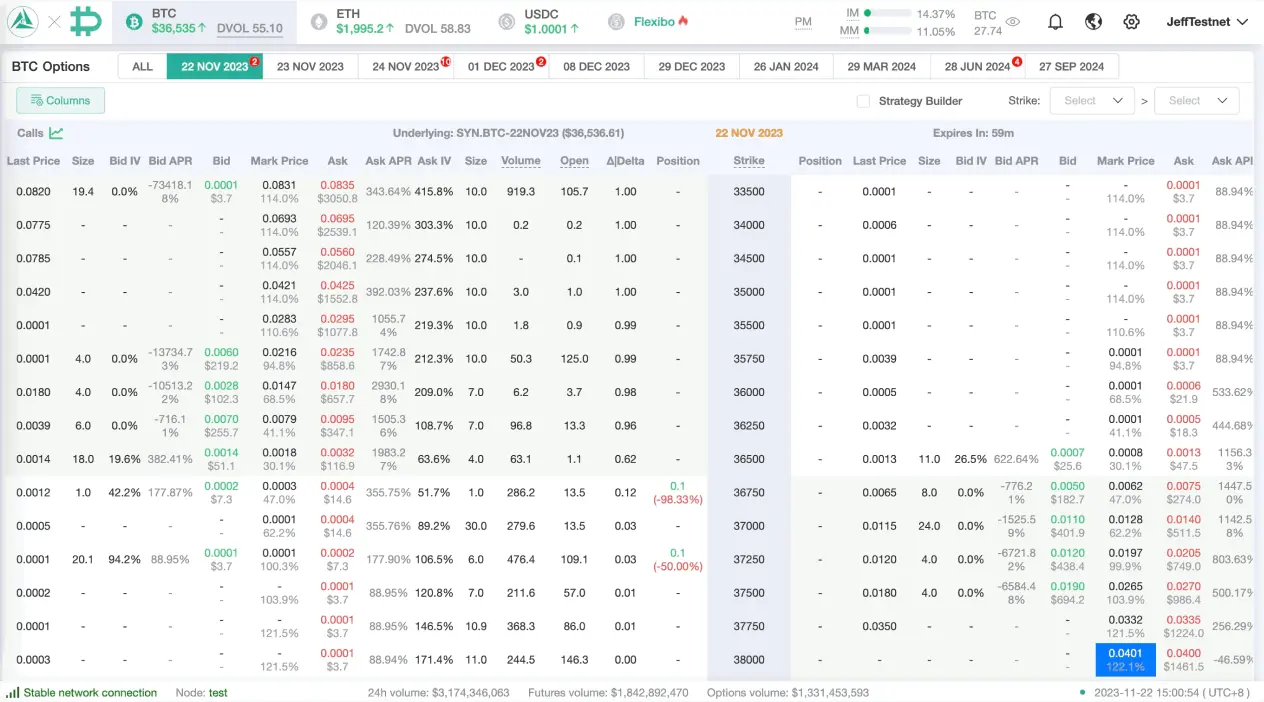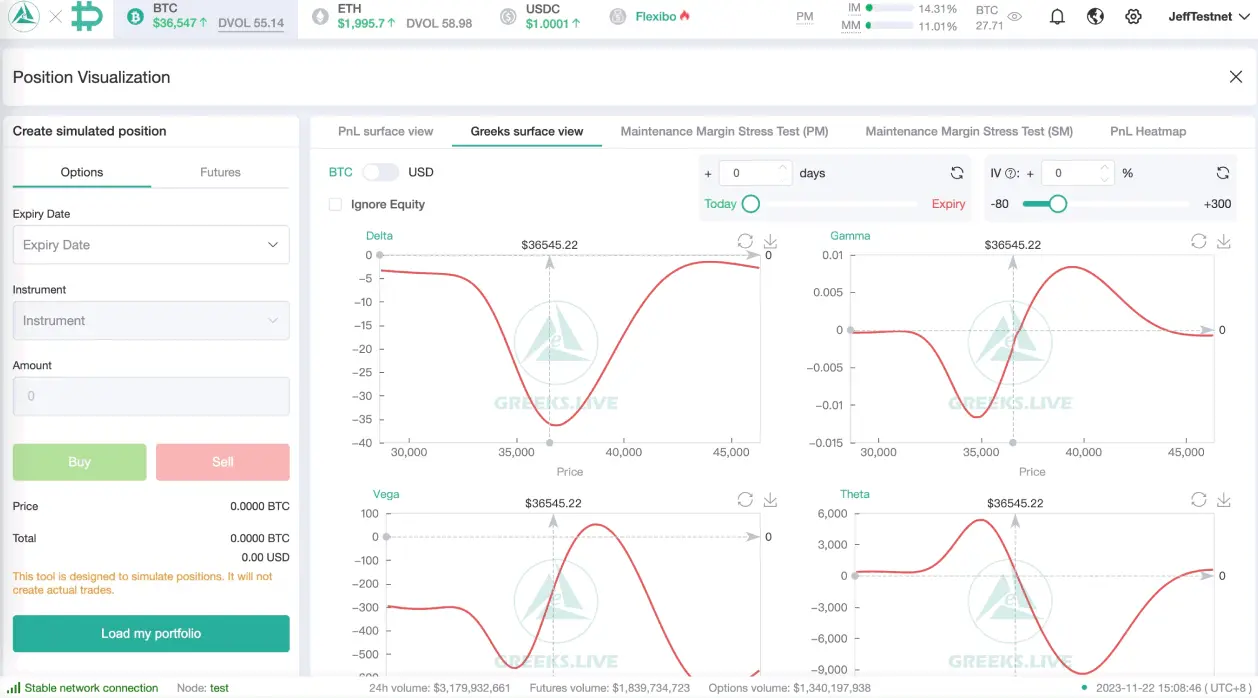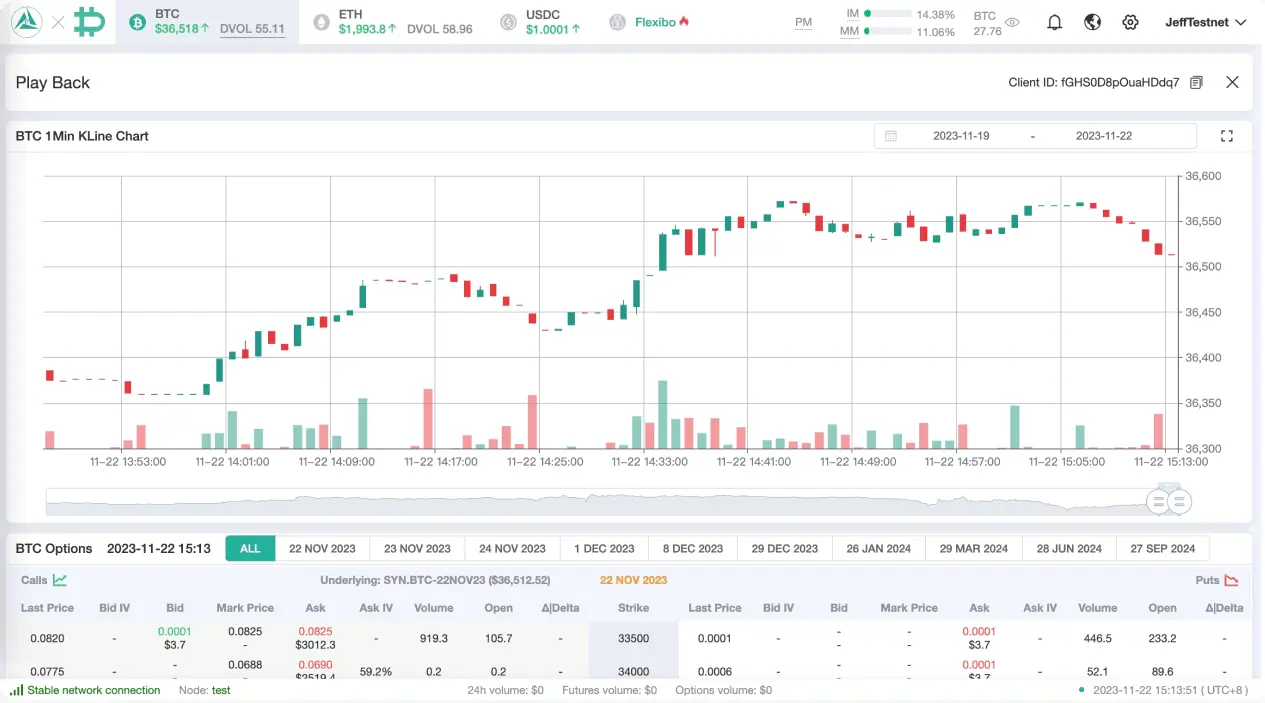


The Nexus of Prudence and Opportunity
Seasoned participants in the global financial markets understand that the pursuit of superior execution is a perpetual journey, defined by the relentless calibration of control and opportunity. Integrating real-time risk systems with block trade protocols represents a critical evolution in this journey, offering a fortified operational perimeter for substantial capital deployments. This convergence moves beyond fragmented oversight, establishing a cohesive ecosystem where immediate risk assessment informs every strategic maneuver in the off-exchange liquidity landscape. The very act of committing significant capital to a block trade inherently carries a distinct informational footprint and potential market impact.
Managing these dynamics effectively demands an integrated system, one that simultaneously processes complex order flow and assesses contingent liabilities. This strategic fusion creates a robust operational framework, ensuring that large-scale transactions occur within predefined risk tolerances, thereby safeguarding capital while capitalizing on discreet liquidity pools.
Consider the inherent challenges of executing large-denomination transactions in volatile asset classes, particularly within nascent yet rapidly maturing digital asset markets. Traditional post-trade risk reconciliation processes, while essential, introduce temporal lags that render them inadequate for the velocity of modern trading. A system that offers instantaneous visibility into aggregate exposure and capital utilization during the negotiation and execution phases of a block trade provides an unparalleled operational advantage.
This immediate feedback loop allows for dynamic adjustments, preventing unforeseen breaches of risk limits and optimizing capital allocation across diverse portfolios. The ability to monitor credit lines, market risk, and counterparty exposure concurrently with price discovery in an over-the-counter (OTC) environment transforms potential vulnerabilities into areas of precise control.
Integrating real-time risk systems with block trade protocols provides a fortified operational perimeter for substantial capital deployments.
The systemic benefits extend to the very essence of market stability for institutional players. When a firm can confidently execute large trades without disproportionately impacting market prices or incurring excessive slippage, it enhances overall market efficiency. This capacity relies on a seamless interaction between the mechanisms that source deep liquidity ▴ often via Request for Quote (RFQ) protocols ▴ and the analytical engines that quantify the risk associated with that liquidity.
The continuous interplay ensures that the strategic intent behind a block trade, whether for portfolio rebalancing, hedging, or directional exposure, aligns perfectly with the tactical execution, all while maintaining an unyielding grip on the firm’s aggregate risk profile. This advanced operational posture redefines the parameters of what is achievable in high-value, discreet transactions, moving institutional trading into an era of proactive rather than reactive risk governance.


Fortifying Operational Command
Strategic frameworks for institutional trading increasingly emphasize the symbiotic relationship between capital deployment and risk mitigation. Integrating real-time risk systems with block trade protocols stands as a cornerstone of this modern strategic imperative, allowing for an elevated command over the trading lifecycle. This integration enables institutions to optimize capital efficiency by ensuring that risk capital is deployed with maximum precision and minimal waste.
The instantaneous assessment of exposure permits tighter capital allocation, freeing up resources that might otherwise be held in reserve against potential, but unquantified, risks. Such an approach significantly enhances the return on capital employed for block trading activities, translating directly into improved overall portfolio performance.
Enhanced execution discretion constitutes another paramount strategic benefit. Block trades, by their nature, seek to minimize market impact by executing outside of the public order book. The effectiveness of this discretion hinges upon the ability to assess and manage the attendant risks ▴ such as counterparty credit risk, settlement risk, and potential information leakage ▴ in real time.
A unified system provides a comprehensive view of these factors, allowing traders to negotiate terms with a full understanding of their aggregate exposure and the precise capital implications of each potential transaction. This analytical depth empowers traders to make more informed decisions during critical negotiation windows, securing optimal pricing while adhering strictly to internal risk mandates.
Integrated systems offer real-time visibility into aggregate exposure, enabling dynamic adjustments and optimized capital allocation.
Mitigating information asymmetry becomes a significant strategic advantage within this integrated framework. In OTC markets, the liquidity provider holds an inherent informational edge regarding market depth and potential price impact. Real-time risk systems, when linked to block trade execution, equip the buy-side institution with a more robust analytical toolkit. This toolkit includes predictive models that can estimate market impact, assess liquidity fragmentation, and evaluate the fair value of a block relative to prevailing market conditions.
By leveling the informational playing field, institutions can negotiate more effectively, reducing the likelihood of adverse selection and securing more favorable execution prices. This systematic approach to information parity transforms a traditionally opaque trading environment into one characterized by greater transparency and control for the liquidity demander.
The integration also supports the development of sophisticated hedging strategies that can be dynamically adjusted in response to evolving market conditions during a block trade. Consider a large options block ▴ the delta, gamma, and vega exposures introduced by such a position require immediate, precise hedging. A real-time risk system can calculate these sensitivities and recommend or automatically execute offsetting trades, thereby maintaining a desired risk profile.
This capability minimizes the temporal lag between block execution and hedge adjustment, a period often fraught with unmanaged risk. The table below illustrates key strategic benefits:
| Strategic Imperative | Benefit of Integration | Operational Impact |
|---|---|---|
| Capital Efficiency | Optimized deployment of risk capital, reduced reserves. | Higher return on capital, greater trading capacity. |
| Execution Discretion | Informed negotiation, minimized market impact. | Superior pricing, adherence to risk mandates. |
| Information Parity | Reduced adverse selection, equitable price discovery. | Improved execution quality, mitigated information leakage. |
| Dynamic Hedging | Immediate adjustment to portfolio sensitivities. | Minimized unmanaged risk, stable portfolio P&L. |
| Regulatory Compliance | Automated reporting, auditable risk trails. | Reduced compliance burden, enhanced transparency. |
The structural resilience offered by such integrated systems allows institutions to navigate periods of heightened market volatility with greater confidence. When sudden shifts occur, the real-time risk engine provides immediate alerts and actionable insights, enabling traders to pause, adjust, or even unwind positions if necessary, preventing catastrophic losses. This adaptive capacity is a defining characteristic of a truly sophisticated operational framework, moving beyond static risk limits to a dynamic, responsive risk posture.


Precision in Operational Flow
The transition from strategic intent to precise execution demands an operational flow that is both robust and responsive. Integrating real-time risk systems with block trade protocols fundamentally reconfigures the execution paradigm, embedding risk awareness at every transactional touchpoint. This requires a deep understanding of the underlying mechanics, from the initial Request for Quote (RFQ) dissemination to the final settlement, ensuring that risk parameters are continuously monitored and enforced.
A high-fidelity execution process in this integrated environment begins with the meticulous pre-trade risk assessment, which leverages live market data, historical volatility profiles, and the firm’s current portfolio composition to establish dynamic trading limits. These limits are not static thresholds but rather adaptive boundaries that respond to prevailing market conditions and the evolving risk appetite of the institution.
The operational playbook for such integration emphasizes a multi-stage procedural guide. The process commences with the solicitation of liquidity, typically through an electronic RFQ system, which routes the block inquiry to a select group of liquidity providers. As quotes arrive, the real-time risk engine instantaneously evaluates the proposed prices against fair value models, assesses the potential impact on portfolio risk metrics (e.g. Value at Risk, Expected Shortfall), and verifies compliance with pre-defined credit and counterparty limits.
This immediate analytical feedback is paramount for informed decision-making during the rapid negotiation phase of a block trade. A firm’s ability to swiftly process and act upon this synthesized information determines its capacity to achieve best execution while maintaining stringent risk control.
Real-time risk integration transforms block trade execution into a highly controlled, analytically informed process.

Operational Playbook for Integrated Block Trade Execution
Executing a block trade within an integrated real-time risk framework requires a systematic, multi-step approach. This operational playbook outlines the key phases, ensuring that risk considerations are interwoven throughout the entire transaction lifecycle.
- Pre-Trade Analytics and Limit Setting ▴ Initiate the process with a comprehensive analysis of the intended block trade’s impact on existing portfolio risk. This involves simulating potential price movements, assessing liquidity availability in OTC markets, and calculating projected changes to key risk metrics. Establish dynamic trading limits that adjust based on market volatility, current capital utilization, and specific counterparty exposures.
- RFQ Generation and Dissemination ▴ Construct the Request for Quote (RFQ) with precise trade details, including instrument, size, side, and desired settlement terms. Utilize a secure electronic platform to disseminate the RFQ to a curated list of approved liquidity providers.
- Real-Time Quote Evaluation ▴ As quotes arrive, the integrated risk system performs an instantaneous evaluation. This includes:
- Price Validation ▴ Compare incoming prices against internal fair value models and prevailing market benchmarks.
- Credit Limit Check ▴ Verify that accepting the quote will not breach established credit limits with the offering counterparty.
- Market Risk Impact ▴ Quantify the immediate impact of the proposed trade on portfolio delta, gamma, vega, and other sensitivities.
- Regulatory Compliance Scan ▴ Ensure the trade structure and size comply with relevant regulatory thresholds and reporting requirements.
- Negotiation and Execution Decision ▴ Leverage the real-time risk insights to negotiate terms with liquidity providers. The system provides an “optimal execution zone” based on price, risk impact, and capital efficiency. Execute the trade once all parameters align with the firm’s objectives and risk mandates.
- Post-Execution Risk Update and Hedging ▴ Immediately upon execution, the risk system updates the firm’s aggregate risk profile, reflecting the new position. Automatically trigger or recommend hedging strategies (e.g. dynamic delta hedging for options blocks) to rebalance the portfolio to the desired risk posture.
- Settlement and Reconciliation Oversight ▴ Monitor the trade through the settlement process, ensuring timely confirmation and reconciliation. The risk system flags any discrepancies or delays that could introduce operational or settlement risk.

Quantitative Modeling and Data Analysis
Quantitative modeling forms the analytical backbone of real-time risk systems integrated with block trade protocols. This involves sophisticated statistical and machine learning models that process vast streams of market data to derive actionable risk insights. Models predicting market impact, for example, often employ historical trade data, order book depth, and volatility metrics to estimate the price perturbation associated with a large block order. Such models are crucial for determining the optimal timing and sizing of block trades to minimize adverse price movements.
Predictive analytics, often leveraging machine learning algorithms such as XGBoost or Deep Neural Networks, forecast potential market volatility and liquidity shifts, providing an early warning system for emerging risks. These models continuously learn from new data, refining their predictive accuracy and adapting to evolving market dynamics.
Data analysis within this context extends beyond simple aggregation; it encompasses a rigorous examination of microstructural phenomena. For instance, analyzing the spread between the best bid and offer across various liquidity providers during an RFQ process provides insights into market fragmentation and the true cost of liquidity. Furthermore, transaction cost analysis (TCA) becomes an ongoing, real-time function, measuring the realized slippage against theoretical benchmarks and informing future execution strategies. The granular data captured from each block trade ▴ including quote response times, price concessions, and counterparty performance ▴ fuels the continuous improvement of the risk models and the overall trading strategy.
Consider the application of a dynamic Value-at-Risk (VaR) model. Unlike static VaR calculations, a real-time VaR system continuously re-evaluates the portfolio’s potential losses over a specified horizon, incorporating live price feeds and updated volatility surfaces. For block trades, this means the VaR calculation updates the moment a quote is received and again upon execution, providing an immediate quantification of the new risk profile.
This level of granularity enables institutions to maintain a precise understanding of their capital at risk, facilitating agile capital deployment decisions. The following table illustrates key quantitative metrics and their application:
| Quantitative Metric | Description | Real-Time Application in Block Trades |
|---|---|---|
| Dynamic VaR | Measures potential portfolio loss over a time horizon with a given confidence level, updated continuously. | Instantaneous assessment of new block position’s impact on aggregate capital at risk. |
| Market Impact Cost | Quantifies the price movement caused by a trade relative to its size and market liquidity. | Pre-trade estimation to optimize block sizing and timing; post-trade analysis for slippage. |
| Counterparty Credit Exposure | The potential future loss from a counterparty defaulting. | Real-time monitoring against limits, dynamic adjustment of available credit lines. |
| Liquidity Gap Analysis | Assesses the mismatch between assets and liabilities across different time buckets. | Evaluates the impact of a large block on short-term funding needs or surplus. |
| Stress Testing | Simulates portfolio performance under extreme but plausible market scenarios. | Pre-trade scenario analysis for large blocks, ensuring resilience under duress. |

Predictive Scenario Analysis
Predictive scenario analysis within an integrated real-time risk and block trade framework transcends mere historical backtesting, instead projecting forward the potential outcomes of complex market events. This involves constructing detailed, narrative case studies that illuminate the interplay of various factors during a block transaction. Imagine a scenario where a large institutional investor, “Alpha Capital,” seeks to execute a block trade of 50,000 Ethereum (ETH) call options with a strike price significantly out-of-the-money, expiring in three months.
Alpha Capital’s existing portfolio holds a substantial directional long exposure to ETH, and this options block serves as a tactical hedge against a perceived short-term increase in implied volatility, coupled with a moderate downside price risk. The notional value of this block is considerable, representing approximately $150 million based on current ETH prices.
The pre-trade analysis, powered by Alpha Capital’s real-time risk system, runs several simulations. One scenario posits a sudden, unexpected 10% decline in ETH spot price within the next hour, coinciding with a 20% surge in implied volatility for short-dated options. The risk system immediately calculates the potential mark-to-market loss on the existing ETH spot position and the corresponding gain on the purchased call options. It also assesses the delta, gamma, and vega impact of the 50,000-lot options block.
In this particular simulation, the system flags a potential capital at risk exceeding Alpha Capital’s pre-defined limit for a single instrument, even with the hedge. This real-time insight prompts the trading desk to adjust the order size, perhaps splitting it into two smaller blocks or reducing the notional exposure by 20% to 40,000 contracts, thereby mitigating the immediate capital impact while retaining the strategic hedging intent. The system might also suggest adjusting the strike price or expiry to optimize the risk-reward profile within the acceptable limits.
A second scenario considers a rapid increase in demand for ETH, driving the spot price up by 8% within minutes of the RFQ being sent. Concurrently, implied volatility for the specific options series experiences a moderate compression. Alpha Capital’s real-time system, detecting this shift, immediately re-evaluates the fair value of the incoming quotes from liquidity providers. If the quotes do not reflect the updated market conditions ▴ meaning they are priced too cheaply relative to the new spot price and volatility ▴ the system flags them as potentially disadvantageous.
The trading desk, armed with this intelligence, can either reject the quotes, request a requote, or seek alternative liquidity, preventing a significant opportunity cost. This dynamic pricing intelligence, driven by the real-time system, protects Alpha Capital from executing at stale prices in a fast-moving market.
A third, more complex scenario involves counterparty risk. Alpha Capital is engaging with multiple liquidity providers, some of whom have a lower internal credit rating. During the RFQ process for the 50,000 ETH options block, one of the primary liquidity providers, “Beta Prime,” submits a highly competitive quote. However, Alpha Capital’s real-time risk system, connected to its internal credit monitoring module, identifies that accepting Beta Prime’s quote for the full size would push Alpha Capital’s exposure to Beta Prime beyond its internal credit limit by 15%.
The system provides an immediate alert, recommending a reduction in the allocation to Beta Prime or a complete rejection of their quote, even if it is the best price. This proactive credit risk management prevents potential future losses arising from counterparty default, prioritizing balance sheet integrity over marginal price improvement.
These predictive scenario analyses, running continuously and dynamically, allow Alpha Capital to stress-test its block trade intentions against a spectrum of plausible market and counterparty behaviors. The system learns from each simulation, refining its predictive capabilities and enhancing the institution’s ability to navigate the complexities of large-scale, off-exchange transactions with an unparalleled degree of foresight and control. This continuous feedback loop of simulation, execution, and recalibration forms a powerful engine for strategic advantage, ensuring that every block trade contributes positively to the firm’s risk-adjusted returns.

System Integration and Technological Architecture
The technological architecture underpinning integrated real-time risk systems and block trade protocols demands robust, low-latency infrastructure capable of processing vast datasets with minimal delay. At its core, this integration relies on standardized messaging protocols and high-performance API endpoints. The Financial Information eXchange (FIX) protocol remains a cornerstone for pre-trade, trade, and post-trade communication in institutional finance.
For block trades, specific FIX messages are employed to facilitate the RFQ process, communicate indicative quotes, confirm executions, and report post-trade details. For instance, a
New Order Single
message with a
TrdType
tag indicating a block trade (e.g. value ‘1’ for Block Trade, or ’22’ for Privately Negotiated Trade) would be used. The real-time risk system must seamlessly parse these messages, extracting relevant parameters such as instrument identifiers, quantities, prices, and counterparty details for immediate risk calculation.
The system’s integration points extend to various internal and external platforms. Internally, it interfaces with the Order Management System (OMS) and Execution Management System (EMS) to capture order intent and execution status. It also connects to the firm’s central data warehouse for historical data, position management systems for current holdings, and general ledger for real-time capital balances. Externally, the system establishes direct API connections with liquidity providers and multilateral trading facilities (MTFs) that support block trading.
These APIs must handle high-throughput data streams, ensuring that market data feeds (prices, implied volatilities, order book snapshots) are ingested and processed with sub-millisecond latency. The data flow from these external sources directly feeds the quantitative models, allowing for continuous re-evaluation of risk.
The underlying technological stack typically comprises high-performance computing clusters, in-memory databases for rapid data access, and distributed stream processing frameworks. Event-driven architectures are crucial, where every market event or internal system update triggers immediate risk calculations and alerts. Microservices are often employed to compartmentalize functionalities, allowing for independent scaling of components such as the market data ingestion service, the risk calculation engine, and the alert generation module.
This modularity enhances system resilience and facilitates rapid deployment of updates or new risk models. Cybersecurity measures are also paramount, ensuring the integrity and confidentiality of sensitive trading data exchanged across these integrated systems.
The system’s core components include ▴
- Market Data Feed Handler ▴ Ingests real-time data from various sources (exchanges, OTC desks, data vendors) with ultra-low latency.
- Risk Calculation Engine ▴ A high-performance module that computes VaR, sensitivities (delta, gamma, vega), credit exposure, and other metrics based on live positions and market data.
- Limit Management System ▴ Enforces pre-defined and dynamic risk limits across various dimensions (counterparty, instrument, portfolio, capital).
- RFQ/Execution Gateway ▴ Handles the communication with liquidity providers via FIX protocol or proprietary APIs, managing quote requests, responses, and trade confirmations.
- Alerting and Reporting Module ▴ Generates real-time alerts for limit breaches, significant market events, or anomalous trading behavior, and produces comprehensive risk reports.
The robust integration of these components creates a seamless, intelligent operational environment where the execution of block trades is intrinsically linked to dynamic risk management, providing a decisive edge in complex financial markets.

References
- Ogundipe, Omoyeni. “Integration of Machine Learning Algorithms for Real-Time Risk Assessment in Financial Trading Systems.” ResearchGate, 11 September 2024.
- Wright, Aria, Elijah Scott, Scarlett Green, and Andrew James. “Risk Management in Algorithmic Trading ▴ A Governance Perspective.” ResearchGate, 7 June 2025.
- Skiera, Vincent. “The Microstructure of Financial Markets ▴ Insights from Alternative Data.” eScholarship, University of California, Berkeley, 2020.
- Marshall, David, and Robert Steigerwald. “The role of time-critical liquidity in financial markets.” Economic Perspectives, Federal Reserve Bank of Chicago, Vol. 37, Second Quarter, pp. 30 ▴ 46, 2013.
- BIS. “FX and OTC derivatives markets through the lens of the Triennial Survey.” Bank for International Settlements, 2019.
- Das, Dhanjit. “FIX Trading Protocol ▴ Benefits and Recent Developments.” QuantInsti Blog, 8 February 2016.
- “FIX PROTOCOL ▴ THE BACKBONE OF FINANCIAL TRADING.” Aircc Digital Library, 2022.
- EasyChair Preprint. “AI-Driven Algorithmic Trading with Real-Time Risk Management.” EasyChair, 16 August 2024.

Strategic Foresight in Execution
The discussion surrounding the integration of real-time risk systems with block trade protocols reveals a fundamental truth about modern institutional trading ▴ mastery emerges from the intelligent synthesis of distinct operational capabilities. This integration transcends mere technological upgrade, representing a philosophical shift towards embedding preemptive control within the very fabric of execution. Understanding this synergy empowers participants to view their operational framework not as a collection of disparate tools, but as a unified system designed for strategic advantage. The true value lies in recognizing how each component ▴ from the granular detail of a FIX message to the overarching architecture of a predictive risk model ▴ contributes to a cohesive whole, fostering an environment where capital is deployed with both ambition and absolute precision.
Reflecting on your own operational framework, consider where the seams exist between your risk intelligence and your execution capabilities. Are your insights truly real-time, or do they suffer from temporal lags that introduce unforeseen vulnerabilities? Does your current setup allow for the dynamic calibration of risk limits during the rapid-fire negotiations inherent in block trading?
The answers to these questions define the contours of your current strategic edge and illuminate the path toward a more sophisticated, resilient, and ultimately more profitable future. The journey toward a superior operational framework is continuous, demanding a relentless pursuit of integration and an unwavering commitment to data-driven decision-making.

Glossary

Real-Time Risk Systems

Block Trade Protocols

Operational Framework

Block Trade

Capital Efficiency

Trade Protocols

Execution Discretion

Market Impact

Real-Time Risk

Real-Time Risk System

Options Block

Risk Systems

Market Data

Liquidity Providers

Best Execution

Block Trades

Predictive Analytics

Alpha Capital’s

Eth Options Block