

Concept
Participants navigating the complex institutional landscape of block trading understand that a large order’s execution efficacy directly correlates with its underlying measurement framework. Superior execution within a block trade environment requires a profound grasp of quantifiable impacts, extending beyond basic fill rates to encompass the systemic ramifications of market interaction. This perspective positions best execution as a dynamic optimization challenge, a continuous calibration against a shifting backdrop of liquidity and volatility. It entails a strategic deployment of capital that minimizes market friction while maximizing price capture.
Block trades, by their inherent nature, exert a discernible influence on market dynamics, a phenomenon widely recognized as market impact. This impact manifests as a deviation from the prevailing price that would have existed without the trade. Precisely quantifying this deviation represents a foundational element of best execution assessment. The scale of these transactions necessitates an acute awareness of both temporary and lasting price dislocations.
Temporary impact, frequently attributed to liquidity consumption, typically dissipates shortly after the trade. Lasting impact, conversely, reflects the information conveyed to the market by the substantial order, signaling potential shifts in supply or demand, which then leads to enduring price adjustments. Discerning between these two forms of impact proves essential for accurate performance attribution and strategy refinement.
An operational framework for best execution begins with a granular decomposition of trading costs. Explicit costs, such as commissions and exchange fees, are straightforward to measure. Implicit costs, conversely, present a more intricate analytical challenge. These encompass market impact, opportunity costs from unexecuted portions of an order, and the cost of delay.
A comprehensive evaluation of execution quality necessitates the inclusion of all these elements, providing a true economic cost of transacting. The interplay between these cost components forms the basis for constructing robust quantitative metrics. Without a complete understanding of these underlying costs, any assessment of execution quality remains incomplete, lacking the necessary depth for strategic decision-making.
Best execution in block trading is a dynamic optimization problem, meticulously calibrating against liquidity and volatility to minimize market friction and maximize price capture.
Market microstructure theory provides the foundational understanding for these quantitative assessments. It illuminates how trading rules, information asymmetries, and participant behavior collectively shape prices and liquidity. For block trades, comprehending the intricacies of order book dynamics, the role of market makers, and the competitive landscape of liquidity providers is indispensable.
This analytical lens reveals that every interaction within the market leaves a data footprint, which, when analyzed systematically, offers profound insights into execution quality. The objective centers on translating these microstructural insights into actionable metrics that drive superior trading outcomes.
The regulatory landscape also imposes a rigorous demand for demonstrable best execution. Compliance mandates necessitate transparent and auditable processes for evaluating trade outcomes. Quantitative metrics serve as the objective evidence for fulfilling these obligations, providing a clear, defensible record of execution performance.
Beyond compliance, this regulatory pressure encourages institutions to adopt more advanced analytical tools, elevating the overall standard of execution quality across the industry. This convergence of regulatory impetus and technological capability fosters an environment where advanced quantitative analysis becomes a competitive imperative.


Strategy
Achieving superior execution in block trades requires a strategic framework built upon a multi-dimensional understanding of market dynamics and a precise calibration of trading intent. The strategic approach for large orders involves a deliberate interplay between pre-trade analysis, real-time tactical adjustments, and post-trade performance evaluation. This integrated methodology aims to navigate the inherent complexities of liquidity sourcing, information management, and market impact mitigation. A principal’s strategic objective centers on completing a transaction with minimal footprint and maximum price advantage, preserving alpha generated by investment decisions.

Crafting Pre-Trade Intelligence
Pre-trade analysis forms the bedrock of any robust block execution strategy. It involves a thorough assessment of market conditions, liquidity profiles, and potential price impact before an order is committed. This analytical phase employs advanced models to estimate expected transaction costs across various execution pathways.
Parameters such as average daily volume (ADV), historical volatility, bid-ask spread, and the depth of the order book are critically evaluated. The strategic intelligence gathered during this phase informs the choice of execution venue, algorithm, and optimal participation rate, creating a proactive stance rather than a reactive one.
Pre-trade analysis is the strategic bedrock, assessing market conditions and liquidity to inform optimal execution pathways and participation rates.
Advanced pre-trade models integrate predictive analytics to forecast short-term liquidity fluctuations and potential market impact. These models leverage machine learning to process vast datasets, identifying patterns that human analysis might overlook. The output from these models helps quantify the trade-off between execution speed and market impact, allowing portfolio managers to set realistic expectations and adjust their risk parameters accordingly. A well-constructed pre-trade framework acts as a decision support system, providing a quantitative basis for strategic choices before any capital is deployed.

Strategic Execution Pathways
The choice of execution pathway for block trades extends beyond traditional lit exchanges. Institutional participants frequently leverage a spectrum of liquidity sources, including Request for Quote (RFQ) protocols, dark pools, and bilateral over-the-counter (OTC) arrangements. Each pathway presents a distinct set of advantages and disadvantages regarding price discovery, anonymity, and market impact.
Strategic deployment involves selecting the most appropriate venue or combination of venues to match the specific characteristics of the order and the prevailing market environment. This adaptive selection process optimizes for factors such as price, speed, and information leakage.
RFQ Mechanics ▴ Request for Quote protocols offer a structured, competitive environment for sourcing off-book liquidity, particularly valuable for large, illiquid, or complex derivatives. A principal sends an inquiry to multiple liquidity providers, who then submit firm, executable quotes. This process generates competitive pricing, minimizing information leakage compared to direct order book interaction. High-fidelity execution for multi-leg spreads, such as options combinations, benefits immensely from these discreet protocols.
Aggregated inquiries allow for efficient system-level resource management, streamlining the process of obtaining multiple bids and offers. The strategic advantage of RFQ lies in its ability to centralize price discovery for bespoke transactions, fostering competition among dealers.
Dark Pools and Internalization ▴ Dark pools provide an alternative execution venue for block trades, offering anonymity and minimizing market impact by preventing pre-trade price discovery. Strategic use of dark pools involves understanding their specific matching logic and participant profiles. Internalization by broker-dealers, where client orders are matched internally against other client orders or proprietary flow, also serves as a means to execute large blocks without exposing them to the wider market. These mechanisms prove particularly effective for mitigating information leakage, a primary concern for institutional traders moving substantial capital.
Algorithmic Orchestration ▴ Algorithmic execution strategies prove indispensable for disaggregating large block orders into smaller, more manageable child orders. Common algorithms like Volume-Weighted Average Price (VWAP) and Time-Weighted Average Price (TWAP) are widely deployed, aiming to minimize market impact by blending orders into natural market flow. More sophisticated algorithms employ adaptive logic, dynamically adjusting participation rates and venue selection in response to real-time market conditions, such as sudden shifts in liquidity or volatility. The strategic deployment of these algorithms requires a nuanced understanding of their parameters and their interaction with market microstructure.

Risk Management and Strategic Oversight
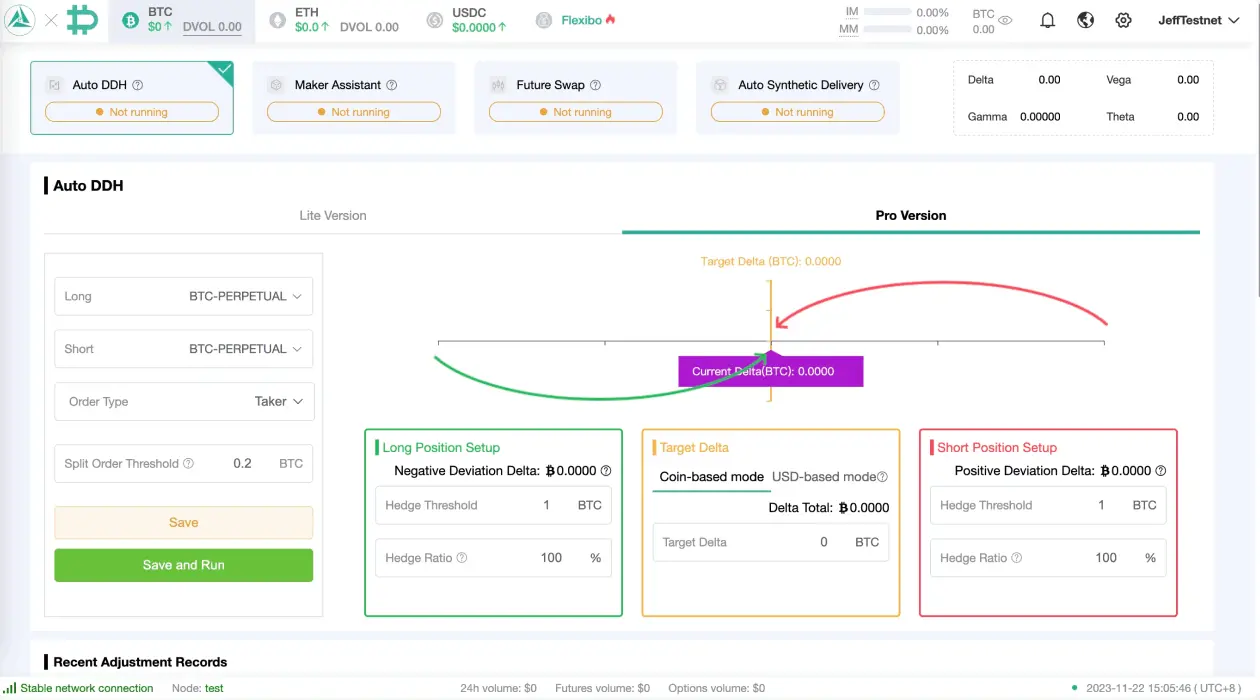
Effective risk management is an integral component of any block trading strategy. This encompasses not only market risk but also operational and counterparty risk. Strategic oversight involves establishing clear risk limits, implementing robust pre-trade controls, and continuously monitoring real-time exposure. For complex derivatives, such as synthetic knock-in options or automated delta hedging (DDH) strategies, the risk management framework must account for multi-dimensional sensitivities and adaptive hedging requirements.
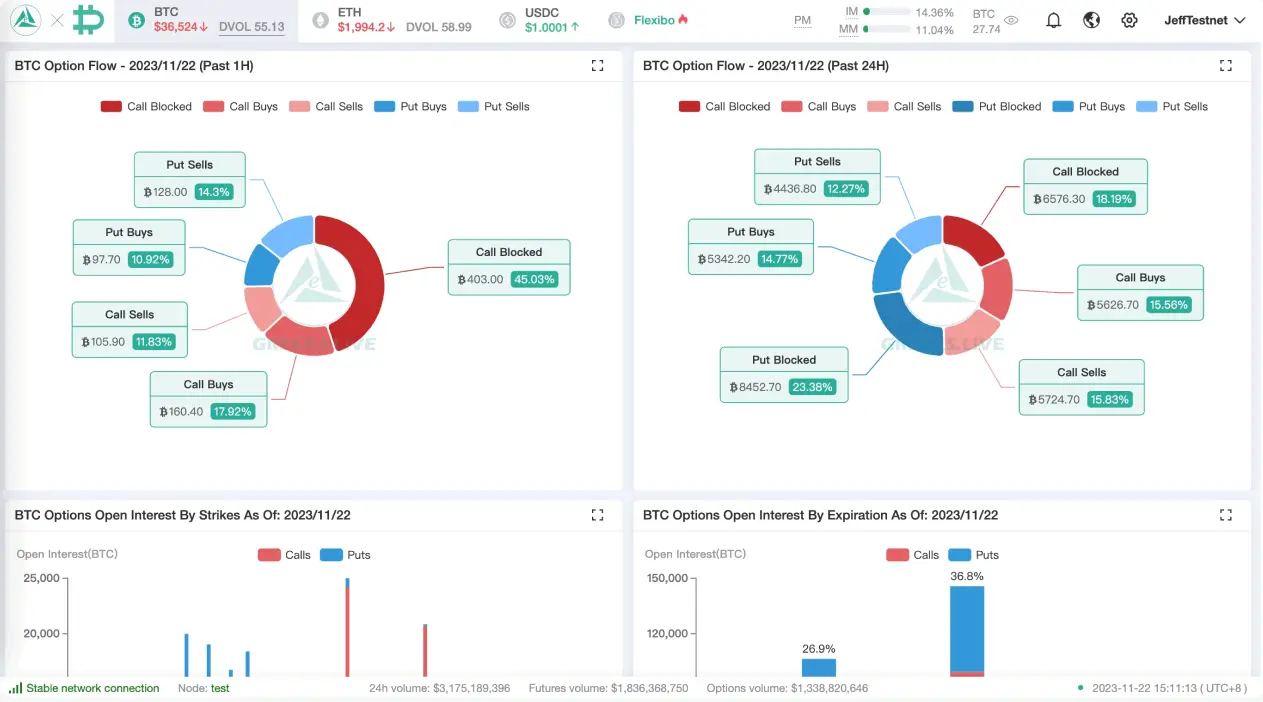
The integration of an intelligence layer, providing real-time intelligence feeds on market flow data, empowers expert human oversight. System specialists can intervene when algorithms encounter unforeseen market dislocations or when a strategic re-evaluation of the order is warranted.
| Pathway | Primary Benefit | Key Consideration | Best Suited For |
|---|---|---|---|
| RFQ Protocols | Competitive price discovery, minimal information leakage | Counterparty selection, response time variability | Large, illiquid, or complex derivatives (e.g. options spreads) |
| Dark Pools | Anonymity, reduced market impact | Fill probability, specific matching logic | Large orders sensitive to information leakage |
| Algorithmic Trading | Systematic order dispersion, market integration | Algorithm selection, parameter calibration | Large orders requiring participation in public markets |
| Bilateral OTC | Customizable terms, direct negotiation | Counterparty risk, price transparency | Highly bespoke instruments, significant size |


Execution
The precise mechanics of best execution in a block trade environment represent the culmination of conceptual understanding and strategic foresight. This phase demands an analytical sophistication that translates strategic objectives into measurable outcomes, driven by granular data and rigorous quantitative methods. The focus here centers on the operational protocols and the deep specifics of implementation, where every basis point saved or gained directly impacts portfolio performance. Understanding the execution layer involves dissecting the transactional lifecycle, from pre-trade cost estimation to post-trade performance attribution, ensuring alignment with institutional mandates and regulatory imperatives.

The Operational Playbook
A comprehensive operational playbook for block trade execution outlines a multi-step procedural guide, meticulously detailing each stage to ensure consistent, high-quality outcomes. This guide serves as a critical reference for trading desks, providing a structured approach to managing large orders across diverse asset classes and market conditions. The playbook emphasizes systematic decision-making, reducing reliance on subjective judgment alone. It integrates pre-trade analytics with real-time monitoring and post-trade evaluation, forming a continuous feedback loop for ongoing optimization.
- Order Intake and Pre-Trade Analysis ▴ Upon receiving a block order, the first step involves a detailed intake process. This includes verifying order parameters, understanding the portfolio manager’s intent, and conducting a thorough pre-trade cost analysis. Market Impact Models estimate potential slippage and opportunity costs, factoring in liquidity, volatility, and order size.
- Venue and Algorithm Selection ▴ Based on the pre-trade analysis, the system identifies optimal execution venues (e.g. RFQ platforms, dark pools, lit exchanges) and suitable algorithms (e.g. VWAP, Implementation Shortfall). This selection process prioritizes liquidity access, market impact minimization, and information leakage control.
- Real-Time Monitoring and Tactical Adjustment ▴ During execution, continuous real-time monitoring of market conditions, order fill rates, and price action is essential. Trading desks utilize advanced dashboards that display key performance indicators (KPIs) and alert thresholds. Tactical adjustments, such as modifying participation rates or switching algorithms, occur adaptively in response to market events.
- Information Leakage Management ▴ A significant aspect involves managing information leakage. For sensitive block orders, strategies include anonymized RFQ protocols, splitting orders across multiple venues, and utilizing dark liquidity. The goal centers on minimizing the signal imparted to the market, preserving price integrity.
- Post-Trade Performance Attribution ▴ Upon completion, a comprehensive post-trade analysis evaluates the execution quality against pre-defined benchmarks. This includes detailed Transaction Cost Analysis (TCA) reports, breaking down explicit and implicit costs. Performance attribution identifies areas for improvement and validates strategic choices.
This structured approach ensures that every block trade is handled with a consistent methodology, enhancing transparency and accountability. The playbook serves as a living document, subject to periodic review and refinement based on market evolution and performance insights.

Quantitative Modeling and Data Analysis
Quantitative modeling underpins the entire best execution framework, providing the tools to measure, analyze, and optimize trading performance. The models employed range from basic statistical analyses to complex machine learning algorithms, each contributing to a deeper understanding of market dynamics and execution outcomes. The objective centers on transforming raw market data into actionable intelligence.

Implementation Shortfall Analysis
Implementation Shortfall (IS) stands as a foundational metric for assessing best execution. It quantifies the difference between the theoretical price at the time of the order decision and the actual realized execution price, encompassing all associated costs. This metric captures the full economic cost of trading, including explicit commissions, fees, and implicit costs such as market impact and opportunity cost.
A lower implementation shortfall indicates more efficient execution. Calculating IS involves comparing the paper portfolio (hypothetically executed at decision price) with the actual executed portfolio.
The formula for Implementation Shortfall is ▴ $$ IS = (P_{exec} – P_{decision}) times Q_{executed} + (P_{decision} – P_{current}) times Q_{unexecuted} + text{Explicit Costs} $$ Where ▴
- $P_{exec}$ represents the average execution price of the trade.
- $P_{decision}$ denotes the market price at the moment the trading decision was made.
- $Q_{executed}$ signifies the quantity of shares executed.
- $P_{current}$ is the market price at the end of the trading horizon for unexecuted shares.
- $Q_{unexecuted}$ represents the quantity of shares not executed.
- Explicit Costs include commissions, exchange fees, and taxes.
This comprehensive calculation offers a clear picture of the total cost incurred due to market friction and timing.

Price Impact Models
Modeling price impact is essential for understanding how large orders affect market prices. The “square-root law” of price impact, which suggests that market impact scales with the square root of the volume traded, offers a useful empirical starting point. However, more sophisticated models incorporate factors such as order aggressiveness, liquidity dynamics, and volatility regimes.
These models frequently utilize historical trade data to calibrate parameters, providing more accurate predictions of how a specific block trade might influence prices. Achieving perfect calibration for these models often presents a significant analytical challenge, requiring continuous refinement against evolving market behaviors.
Consider a simplified linear price impact model ▴ $$ Delta P = alpha times frac{Q}{ADV} + beta times sqrt{frac{Q}{ADV}} times sigma $$ Where ▴
- $Delta P$ is the predicted price impact.
- $alpha$ and $beta$ are calibrated coefficients.
- $Q$ represents the order quantity.
- $ADV$ denotes the average daily volume.
- $sigma$ signifies market volatility.
Such models help quantify the expected price movement attributable to the trade itself, enabling better pre-trade cost estimation and strategy selection.
Quantitative models, including Implementation Shortfall and advanced price impact frameworks, transform raw market data into actionable intelligence for optimizing trading performance.

Transaction Cost Analysis Benchmarks
TCA involves comparing executed trade prices against various benchmarks to evaluate performance. Common benchmarks include ▴
- Arrival Price ▴ The mid-point price at the time the order is received. This is a primary benchmark for implementation shortfall.
- Volume-Weighted Average Price (VWAP) ▴ The average price of a security weighted by its trading volume over a specific period. Achieving VWAP or better indicates successful integration with market flow.
- Time-Weighted Average Price (TWAP) ▴ The average price of a security over a specific period, calculated as the average of prices at regular intervals. This benchmark proves useful for measuring execution over a defined time horizon.
- Close Price ▴ The closing price of the security on the day of execution. Useful for evaluating end-of-day performance.
- Interval VWAP/TWAP ▴ Benchmarks specific to a shorter interval during which the order was active, offering a more granular view.
A robust TCA system provides detailed reports, breaking down performance by broker, algorithm, venue, and market conditions, facilitating continuous improvement in execution quality.
| Metric | Definition | Application in Block Trading | Insight Provided |
|---|---|---|---|
| Implementation Shortfall (IS) | Difference between decision price and actual execution price, plus explicit costs. | Overall cost of executing a large order. | Comprehensive measure of total trading friction. |
| Market Impact | Price movement caused by the trade itself. | Effectiveness of stealth execution strategies. | Understanding trade’s footprint on market. |
| Slippage | Deviation from a benchmark price (e.g. bid-ask mid-point). | Precision of execution against prevailing market. | Indicates immediate liquidity capture efficiency. |
| Fill Rate | Percentage of the order quantity successfully executed. | Liquidity access and order completion. | Measure of order fulfillment reliability. |
| Participation Rate | Order’s volume as a percentage of total market volume. | Impact on market, risk of information leakage. | Controls visibility and potential signaling. |

Predictive Scenario Analysis
Predictive scenario analysis allows institutions to proactively assess potential execution outcomes under various market conditions, moving beyond historical averages to simulate future possibilities. This forward-looking approach enhances strategic planning and risk mitigation, enabling more informed decision-making for block trades. The core involves constructing detailed, narrative case studies that walk through realistic applications of quantitative models, using specific hypothetical data points and outcomes.
Consider a hypothetical scenario involving an institutional investor seeking to liquidate a substantial block of 500,000 shares of a moderately liquid cryptocurrency asset, “AlphaCoin” (ALC). The current market price for ALC stands at $100.00, with an average daily volume (ADV) of 2,000,000 shares. The portfolio manager’s primary objective centers on minimizing market impact while completing the liquidation within a two-day trading window. Volatility for ALC has been elevated, with an annualized standard deviation of 40%.
Scenario A ▴ Aggressive VWAP Execution. The trading desk opts for an aggressive Volume-Weighted Average Price (VWAP) algorithm, aiming to complete the order quickly. The algorithm is configured to participate at 25% of the market’s observed volume. Pre-trade analysis, utilizing a calibrated price impact model, estimates a potential average slippage of 15 basis points (bps) for this participation rate. Over the two-day period, the market experiences a general upward trend, but the aggressive participation causes discernible price impact.
Day 1 sees the execution of 300,000 shares at an average price of $99.88, reflecting an 18 bps negative slippage from the $100.00 decision price. The market observes a temporary price dip of $0.05 during peak execution periods, indicating localized liquidity consumption.
On Day 2, the remaining 200,000 shares are executed. While the overall market price for ALC rises to $100.50, the continued aggressive participation leads to an average execution price of $100.35 for the remaining block, resulting in a 15 bps slippage from the prevailing market. The total implementation shortfall for Scenario A, factoring in commissions of $0.01 per share, amounts to ▴ $$ IS_A = (99.88 – 100.00) times 300,000 + (100.35 – 100.00) times 200,000 + (0.01 times 500,000) = -36,000 + 70,000 + 5,000 = $39,000 $$ This indicates a positive shortfall from the decision price, primarily due to the upward market movement offsetting the negative slippage. However, the market impact, though temporary, was observable.
Scenario B ▴ Hybrid RFQ and Passive Algorithm. For the same 500,000 shares of ALC, the trading desk employs a hybrid strategy. The first 200,000 shares are directed through a multi-dealer RFQ platform to capture discreet liquidity. Three dealers respond, offering competitive bids.
The best bid secures an execution of 200,000 shares at $99.95, a mere 5 bps negative slippage from the decision price. This execution occurs rapidly, within an hour, minimizing exposure to market fluctuations.
The remaining 300,000 shares are then executed over the next day and a half using a passive, adaptive TWAP algorithm with a low participation rate (8% of ADV), designed to minimize signaling. This algorithm adaptively adjusts its pace, pausing during periods of low liquidity or adverse price movements. Over this period, the market price for ALC drifts upwards to $100.60. The passive algorithm achieves an average execution price of $100.52 for its portion, reflecting a positive slippage of 8 bps relative to the overall market trend, demonstrating effective integration without significant impact.
The total implementation shortfall for Scenario B, with the same commissions, calculates to ▴ $$ IS_B = (99.95 – 100.00) times 200,000 + (100.52 – 100.00) times 300,000 + (0.01 times 500,000) = -10,000 + 156,000 + 5,000 = $151,000 $$ This scenario yields a significantly higher positive implementation shortfall, largely due to the more favorable market conditions captured by the slower, more discreet execution of the larger portion. The RFQ component provided immediate, low-impact execution for a substantial part of the order, while the passive algorithm capitalized on the upward price drift without disrupting the market. This illustrates how a tailored, multi-pronged approach can optimize outcomes, balancing speed, impact, and price capture effectively.

System Integration and Technological Architecture
The effective assessment of best execution in block trading relies heavily on a robust technological structure and seamless system integration. This operational backbone supports the collection, processing, and analysis of vast datasets, enabling real-time decision-making and comprehensive post-trade review. The structure functions as a sophisticated operating system for institutional trading, where various modules interoperate to deliver superior execution capabilities.

Order Management and Execution Management Systems (OMS/EMS)
At the core of the trading infrastructure reside integrated Order Management Systems (OMS) and Execution Management Systems (EMS). The OMS handles the lifecycle of an order from inception to settlement, ensuring compliance with mandates and allocations. The EMS, conversely, focuses on the tactical execution, providing tools for algorithmic trading, smart order routing (SOR), and direct market access (DMA). These systems must seamlessly communicate, often through standardized protocols like the Financial Information eXchange (FIX) protocol.
FIX messages facilitate the exchange of order, execution, and allocation information between buy-side firms, sell-side brokers, and exchanges, ensuring low-latency, high-fidelity data flow. The FIX protocol itself has evolved significantly since its inception in the early 1990s, adapting to increasing market complexity and the demands for faster, more granular data exchange across diverse asset classes.
API Endpoints ▴ Modern trading systems rely extensively on Application Programming Interfaces (APIs) to connect to external liquidity providers, market data feeds, and analytical tools. Robust API endpoints enable programmatic access to RFQ platforms, dark pools, and prime brokers, allowing for automated quote solicitation, order submission, and real-time status updates. These interfaces prove essential for integrating advanced trading applications, such as those supporting synthetic knock-in options or automated delta hedging (DDH), directly into the execution workflow. The flexibility and speed of these API connections directly influence the system’s ability to react to fleeting liquidity opportunities.

Data Infrastructure and Real-Time Analytics
A high-performance data infrastructure is indispensable for best execution analysis. This involves low-latency data ingestion pipelines capable of capturing tick-by-tick market data, order book snapshots, and execution reports. Time-series databases, optimized for rapid querying and analysis of financial data, form the backbone for storing and retrieving this information.
Real-time intelligence feeds, powered by these data streams, provide traders with immediate insights into market flow, liquidity dynamics, and the performance of active orders. This intelligence layer proves essential for making informed tactical adjustments during the execution process.
The complexity of block trade execution, particularly with the proliferation of venues and strategies, demands a robust analytical engine. This engine processes incoming data, applies quantitative models for TCA, market impact, and slippage, and generates actionable reports. System specialists utilize these tools to conduct deep-dive analyses, identify execution anomalies, and refine trading parameters. The structural design prioritizes scalability and resilience, ensuring the system can handle increasing data volumes and maintain operational integrity under volatile market conditions.

Security and Compliance Modules
Security and compliance are paramount considerations in the technological structure. Encryption protocols, access controls, and audit trails are built into every layer of the system to protect sensitive trade information and ensure regulatory adherence. Dedicated compliance modules automate the monitoring of best execution policies, generating required reports for regulatory bodies. This includes detailed records of venue selection, algorithm usage, and all pre- and post-trade analysis.
The structural design inherently supports the auditability necessary for demonstrating best execution, providing an immutable record of trading decisions and outcomes. Precision demands discipline.
The overarching goal of this technological framework centers on providing a cohesive, intelligent platform that empowers institutional traders. It enables them to navigate the intricate landscape of block trading with unparalleled precision and control, transforming complex market dynamics into a decisive operational advantage. This unified system represents a commitment to achieving optimal outcomes through the rigorous application of data and technology.

References
- Guéant, O. (2014). Execution and Block Trade Pricing with Optimal Constant Rate of Participation. Journal of Mathematical Finance, 4, 255-264.
- Guéant, O. (2012). Optimal execution and block trade pricing ▴ a general framework. arXiv preprint arXiv:1210.6372.
- Harris, L. (2002). Trading and Exchanges ▴ Market Microstructure for Practitioners. Oxford University Press.
- O’Hara, M. (1995). Market Microstructure Theory. Blackwell Publishers.
- Almgren, R. & Chriss, N. (2001). Optimal Execution of Portfolio Transactions. Journal of Risk, 3(2), 5-40.
- Kissell, R. & Glantz, M. (2003). Optimal Trading Strategies ▴ Quantitative Approaches for Managing Market Impact and Execution Costs. AMACOM.
- Bloomberg. (2023). TCA Ever More Important in Compliance, Regulatory. Bloomberg Professional Services.
- Markets Media. (2014). Block Traders Eye Real-Time TCA. Markets Media.
- The TRADE. (2023). Taking TCA to the next level. The TRADE.
- Tradeweb. (2016). U.S. Institutional ETF Execution ▴ The Rise of RFQ Trading. Tradeweb White Paper.
- FinchTrade. (2025). RFQ vs Limit Orders ▴ Choosing the Right Execution Model for Crypto Liquidity. FinchTrade Insights.
- UBP Asset Management (France). (2025). Order Execution Policy Best Selection & Best Execution Policy. UBP Document.
- QuestDB. (2024). Algorithmic Execution Strategies. QuestDB Blog.
- UCL Discovery. (2024). Algorithmic Trading ▴ Model of Execution Probability and Order Placement Strategy. UCL Doctoral Thesis.
- arXiv. (2024). Optimal Execution with Reinforcement Learning. arXiv preprint arXiv:2411.10902.

Reflection

Mastering Market Systems for Strategic Advantage
The journey through quantitative metrics for assessing best execution in block trades reveals a truth ▴ true mastery of market systems extends beyond participation. It necessitates a profound commitment to understanding the intricate dance of liquidity, information, and price formation. This understanding transforms from an academic pursuit into a tangible operational edge. Each metric discussed, every model detailed, and every strategic pathway explored contributes to a larger system of intelligence, a dynamic structure designed for superior capital deployment.
The insights gained are not static; they represent a continuous feedback loop, refining and sharpening an institution’s capacity to navigate increasingly complex financial landscapes. Consider your current operational framework ▴ does it merely react to market events, or does it proactively shape them through a superior command of data and strategy? My professional experience underscores that the future of institutional trading belongs to those who view execution not as a cost center, but as a potent lever for alpha generation.
The continuous evolution of market microstructure and technological capabilities presents both challenges and unparalleled opportunities. Institutions that invest in robust analytical frameworks and agile execution systems will secure a distinct advantage. This involves fostering a culture of quantitative rigor, where every trade is a data point for learning and optimization.
The true value resides in the ability to translate complex financial engineering into practical, repeatable processes that consistently deliver optimal outcomes. A superior operational framework is the ultimate differentiator, enabling principals to confidently pursue their strategic objectives with precision and control.

Glossary

Best Execution

Block Trading

Market Impact

Block Trades

Execution Quality

Market Microstructure

Pre-Trade Analysis

Large Orders

Market Conditions

Price Impact

Dark Pools

Information Leakage

Average Price

Block Trade

Block Trade Execution

Implementation Shortfall

Optimal Execution

Rfq Protocols

Transaction Cost Analysis

Execution Price

Decision Price

Market Price

Liquidity Dynamics

Execution Management Systems

Order Management Systems