

Precision in Price Discovery
Navigating the volatile currents of digital asset derivatives demands an acute understanding of execution mechanics, particularly within the realm of Request for Quote (RFQ) protocols. For institutional participants, the pursuit of superior alpha and robust risk mitigation hinges upon the ability to assess and optimize the efficiency of these critical trading channels. This necessitates moving beyond a superficial appreciation of RFQ’s role, instead embracing a rigorous, systems-oriented perspective that dissects its quantitative underpinnings.
The true measure of an RFQ system lies not merely in its existence, but in its capacity to consistently deliver high-fidelity execution, preserve discretion, and minimize the implicit costs associated with large block trades. This analytical journey commences with an examination of the fundamental metrics that define an RFQ protocol’s operational efficacy, recognizing that each data point reflects a facet of market interaction and liquidity dynamics.
The inherent fragmentation across cryptocurrency options venues, coupled with the nascent liquidity profiles of certain instruments, amplifies the importance of a well-architected RFQ framework. Unlike lit markets with continuous order books, RFQ environments facilitate bilateral price discovery, a process where liquidity providers offer bespoke quotes for specific trade sizes and structures. Evaluating this process requires a sophisticated lens, one that accounts for the nuances of information asymmetry, market impact, and the latency inherent in multi-party communication.
A deep dive into these quantitative metrics provides a clear operational advantage, transforming raw data into actionable intelligence for discerning traders. Understanding these elements is paramount for any entity seeking to establish a durable competitive edge in the evolving digital asset landscape.
Quantitative metrics provide a clear operational advantage, transforming raw data into actionable intelligence for discerning traders.
Effective assessment of RFQ efficiency begins with a foundational grasp of market microstructure. This field of study meticulously examines the processes and rules governing trading, price formation, and liquidity. Within crypto options, the order book’s behavior, bid-ask spreads, and order flow imbalances offer significant insights into market efficiency and stability. Advanced modeling efforts, including order book recreation and dynamic simulations, help identify inefficiencies exploitable by informed traders.
Consequently, the mechanisms through which an RFQ system interacts with this microstructure directly influence its performance, underscoring the interconnectedness of protocol design and market dynamics. The pursuit of optimal execution demands a continuous feedback loop between theoretical understanding and practical application.
Informational efficiency, a cornerstone of robust financial markets, finds a unique expression within crypto derivatives. Studies have explored how regulatory compliance and liquidity influence the efficiency of cryptocurrency markets, suggesting that adherence to established norms can enhance efficiency and reduce investor risks. An RFQ protocol, when properly implemented, contributes to this informational efficiency by aggregating diverse liquidity sources and facilitating competitive pricing, thereby helping to ensure that executed prices accurately reflect prevailing market conditions. This systematic approach to price discovery stands as a testament to the sophistication required for institutional-grade trading operations.


Optimizing Operational Pathways
Strategic deployment of an RFQ protocol in crypto options necessitates a meticulous evaluation of its performance characteristics, moving beyond rudimentary observations to embrace a data-driven methodology. Institutional participants leverage a suite of quantitative metrics to refine their liquidity sourcing and execution strategies, aiming for superior outcomes in a market characterized by both profound opportunity and inherent volatility. The strategic imperative involves calibrating RFQ usage to specific trade profiles, market conditions, and overarching risk parameters. This calibrated approach ensures that the protocol functions as a finely tuned instrument for capital deployment, rather than a mere transactional conduit.
A core strategic objective involves minimizing transaction costs for large crypto options trades through competitive bidding among market makers. RFQ systems excel in this domain by soliciting simultaneous, two-way quotes from multiple dealers, often without revealing the client’s identity or trade direction. This mechanism helps mitigate information leakage, a persistent concern in block trading, and fosters a competitive environment that drives tighter spreads and improved pricing.
The strategic decision to utilize RFQ is often predicated on the trade’s size and its potential market impact, recognizing that traditional order books might struggle to absorb significant volume without adverse price movement. Understanding these dynamics empowers traders to select the most advantageous execution pathway.
Strategic liquidity management in crypto markets also considers the trade-off between immediate access to liquidity and price certainty. While traditional limit orders offer instantaneous execution against existing order book depth, they expose trades to greater price risk in volatile environments. RFQ, conversely, provides price certainty for institutional-sized trades, allowing for a more deliberate execution process. The strategic integration of RFQ systems with other order types, often facilitated through robust API connections, permits organizations to automate their crypto procurement based on predetermined criteria.
Smart routing algorithms can dynamically assess market conditions, trade size, and prevailing price levels to determine the optimal execution model, whether an RFQ inquiry or an order book interaction. This hybrid approach represents a sophisticated adaptation to market complexities.
Strategic integration of RFQ systems with other order types, often facilitated through robust API connections, permits organizations to automate their crypto procurement based on predetermined criteria.
The strategic framework for RFQ efficiency extends to managing complex options structures, such as multi-leg spreads, straddles, and collars. These strategies demand precise, simultaneous execution of multiple components to lock in desired risk profiles and avoid leg risk. An RFQ protocol capable of handling these intricate structures offers a significant strategic advantage, allowing institutions to craft sophisticated volatility views and hedge portfolios with greater finesse.
The ability to visualize risk across market scenarios through integrated payoff modeling before execution further enhances strategic decision-making. This holistic view of trade mechanics, from inquiry to settlement, underpins effective capital allocation.
Effective RFQ strategy also encompasses the selection of appropriate liquidity providers and trading venues. The fragmented nature of crypto markets necessitates a comprehensive approach to sourcing, ensuring access to diverse pools of capital. Institutions often prioritize platforms that aggregate multi-dealer liquidity and offer transparent, flexible RFQ expiry and settlement settings.
This discerning selection process contributes directly to execution quality, minimizing slippage and optimizing the overall cost of transacting. The continuous monitoring of provider performance within the RFQ ecosystem forms a critical feedback loop, allowing for ongoing refinement of the strategic sourcing model.
| Strategic Element | Description | Benefit |
|---|---|---|
| Liquidity Aggregation | Sourcing quotes from multiple, diverse market makers. | Enhanced price competition, broader liquidity access. |
| Information Control | Masking trade intent and size during price discovery. | Reduced market impact and adverse selection. |
| Complex Structure Handling | Executing multi-leg options strategies atomically. | Mitigation of leg risk, precise risk profile establishment. |
| Automation Integration | Connecting RFQ systems with smart routing algorithms. | Dynamic execution model selection based on market conditions. |
| Venue Selection | Prioritizing platforms with robust infrastructure and diverse participants. | Optimized execution quality and settlement efficiency. |
The evolving landscape of tokenized derivatives also presents strategic implications for RFQ protocols. These innovations offer potential improvements in market liquidity and pricing efficiency through blockchain-enabled mechanisms. As financial markets continue to integrate smart contracts and distributed ledgers, understanding how these technological advancements intersect with RFQ processes becomes a strategic imperative.
The ability to leverage decentralized clearing and settlement, for instance, minimizes counterparty risks, further solidifying the operational integrity of institutional crypto options trading. This forward-looking perspective shapes the development of next-generation trading strategies.


Architecting Execution Excellence
The granular mechanics of RFQ protocol efficiency in crypto options demand an exhaustive examination of quantitative metrics that transcend simple speed or fill rates. For a sophisticated trading desk, execution quality represents a multi-dimensional construct, encompassing not only the price achieved but also the systemic costs, information leakage, and the overall reliability of the transaction lifecycle. This section delves into the precise operational protocols and analytical frameworks necessary to achieve a decisive edge in the competitive digital asset derivatives market. Mastering these intricacies transforms theoretical understanding into tangible performance gains, solidifying a robust operational posture.

The Operational Playbook
Implementing an efficient RFQ workflow requires a structured, multi-step procedural guide, ensuring consistent, high-fidelity execution. The initial phase involves rigorous pre-trade analytics, where an institutional trader assesses the market impact potential of a proposed order, evaluates prevailing liquidity conditions across various venues, and estimates the optimal size for an RFQ inquiry. This preparatory work leverages historical data and real-time market intelligence feeds to inform critical parameters.
The subsequent step involves crafting the RFQ inquiry itself. This process demands precision in defining the underlying asset, options contract specifics (strike, expiry, type), and the desired quantity. For multi-leg strategies, the inquiry must clearly delineate each component, ensuring market makers can quote the entire structure atomically, thereby eliminating leg risk. Discretionary protocols, such as anonymous inquiries or the ability to specify preferred counterparties, play a pivotal role in managing information leakage.
Upon receiving quotes, the operational playbook mandates a systematic evaluation process. This involves comparing responses not only on price but also on size, latency, and the reputation of the quoting liquidity provider. Automated tools can facilitate this comparison, flagging outliers or quotes that deviate significantly from fair value.
The decision to execute then hinges on a comprehensive assessment of these factors, balancing the pursuit of price improvement with the certainty of execution for the desired size. Post-trade analysis completes the cycle, feeding crucial data back into the pre-trade analytics engine for continuous refinement.
- Pre-Trade Analytics ▴ Conduct comprehensive analysis of market impact, liquidity depth, and historical pricing patterns for the specific crypto options contract.
- Inquiry Generation ▴ Precisely define all trade parameters, including underlying, strike, expiry, call/put, and quantity. For spreads, clearly articulate each leg.
- Counterparty Selection ▴ Select a curated list of liquidity providers based on historical performance, responsiveness, and pricing competitiveness.
- Quote Solicitation ▴ Dispatch RFQ to selected counterparties, leveraging anonymous or disclosed protocols based on trade sensitivity.
- Response Evaluation ▴ Compare received quotes across multiple dimensions ▴ price, size, implied volatility, and response latency.
- Execution Decision ▴ Select the optimal quote, considering overall execution quality, certainty of fill, and systemic risk factors.
- Post-Trade Analysis ▴ Record and analyze execution data against pre-trade benchmarks, identifying areas for process improvement and strategy refinement.
The effective management of an RFQ workflow also incorporates continuous feedback loops. Each executed trade provides valuable data that can be used to refine pre-trade models, adjust counterparty selection criteria, and optimize inquiry parameters. This iterative refinement process ensures the operational playbook remains dynamic and responsive to evolving market conditions and protocol performance. The goal remains consistent ▴ achieving the most favorable terms for institutional-sized crypto options transactions.

Quantitative Modeling and Data Analysis
Quantitative metrics serve as the bedrock for assessing RFQ protocol efficiency, offering objective measures of performance. These metrics provide insights into the effectiveness of brokers, trading venues, and algorithmic strategies in achieving optimal order execution. Key metrics include price improvement, effective spread, realized spread, fill rate, and speed of execution. Analyzing these components allows for a granular understanding of execution quality.
| Metric | Definition | Calculation Insight |
|---|---|---|
| Price Improvement (PI) | The difference between the executed price and the prevailing National Best Bid or Offer (NBBO) at the time of order entry, favoring the client. | Indicates the value added by competitive RFQ, where execution occurs inside the public market spread. |
| Effective Spread | Twice the absolute difference between the execution price and the midpoint of the NBBO at order entry. | Measures the actual transaction cost, accounting for any price improvement or disimprovement. Lower values signify better execution. |
| Realized Spread | Twice the absolute difference between the execution price and the midpoint of the NBBO a short time after execution (e.g. 5 minutes). | Captures the immediate post-trade price impact and potential information leakage. Lower values suggest less adverse selection. |
| Fill Rate | The percentage of requested quantity that is actually executed through the RFQ. | Measures the certainty of execution and the liquidity providers’ capacity to fill large orders. Higher values indicate greater reliability. |
| Response Latency | The time elapsed from sending an RFQ inquiry to receiving a valid quote from a liquidity provider. | Indicates the speed of price discovery and the technological efficiency of the RFQ system and its participants. Lower values are preferred. |
| Quote Competitiveness | The number of quotes received per RFQ and the dispersion of those quotes. | Reflects the depth of the liquidity pool and the level of competition among market makers. Higher numbers and tighter dispersion suggest a healthier ecosystem. |
Consider a scenario involving a BTC options block trade. An institutional trader submits an RFQ for 100 BTC calls with a strike of $50,000 and an expiry in one month. The prevailing NBBO at the time of the RFQ is $1,000 bid / $1,050 offer. The trader receives quotes from five liquidity providers.
One provider offers to sell at $1,025 for the full 100 contracts. In this instance, the price improvement for a buy order is $1,050 (NBBO offer) – $1,025 (executed price) = $25 per contract. The effective spread is 2 ($1,025 – $1,025 midpoint) = $0, if the midpoint of the NBBO at order entry was exactly $1,025. If the midpoint was $1,020, the effective spread would be 2 ($1,025 – $1,020) = $10. These calculations provide a precise measure of the transaction cost and the benefit derived from the RFQ process.
Realized spread offers a lens into information leakage and immediate post-trade market impact. If, shortly after the 100 BTC call purchase at $1,025, the market midpoint moves to $1,035, the realized spread would be 2 ($1,035 – $1,025) = $20. A significant positive realized spread suggests the trade may have moved the market, or that the liquidity provider possessed superior information.
Conversely, a low or negative realized spread indicates efficient execution with minimal adverse selection. The continuous monitoring of these metrics across a portfolio of RFQ trades allows for the identification of optimal liquidity providers and the refinement of trading strategies to minimize implicit costs.
Fill rate is a straightforward, yet crucial, metric. A high fill rate indicates the RFQ system’s reliability and the capacity of participating liquidity providers to absorb large orders. For a block trade of 100 BTC options, a fill rate of 100% means the entire order was executed. If only 80 contracts were filled, the fill rate is 80%, signaling potential liquidity constraints or a mismatch between the requested size and available supply.
Response latency, measured in milliseconds, speaks to the technological efficiency of the RFQ platform and the responsiveness of market makers. In fast-moving crypto markets, lower latency translates directly into greater confidence in the price discovery process. These metrics, when viewed in aggregate, form a powerful analytical framework for optimizing RFQ performance.

Predictive Scenario Analysis
A sophisticated institutional desk recently confronted a challenging market dynamic ▴ an impending surge in implied volatility for Ethereum (ETH) options, driven by an anticipated network upgrade. The portfolio manager aimed to establish a substantial long volatility position through a complex ETH straddle block trade, requiring the simultaneous purchase of out-of-the-money call and put options with the same strike and expiry. The sheer size of the desired position, 5,000 ETH straddles with a 3-month expiry and a strike of $2,500, precluded execution through conventional lit order books, which exhibited insufficient depth and posed a significant risk of adverse price impact. The team recognized that even incremental slippage across such a large order would erode potential alpha, making an optimized RFQ protocol an indispensable tool.
The desk initiated its operational playbook with a meticulous pre-trade analysis. Historical data on ETH options liquidity, particularly for similar strike and expiry profiles, revealed that while the underlying ETH spot market possessed substantial depth, the options market for this specific tenor could be thin, especially for large blocks. The analytics team simulated various market impact scenarios, projecting potential price dislocations if the order were to be fragmented and executed sequentially on-exchange.
The simulations indicated that attempting to execute 5,000 straddles via market orders could result in an average price disimprovement of $5 per straddle, translating to a projected implicit cost of $25,000. This stark figure underscored the necessity of a controlled, discrete execution channel.
Leveraging their proprietary RFQ system, the trading desk crafted a multi-leg inquiry for the 5,000 ETH straddles. The system was configured to send anonymous requests to a curated list of ten top-tier crypto options liquidity providers, selected based on their historical responsiveness, competitiveness, and capacity for large block trades. The anonymity feature was crucial, preventing any single dealer from inferring the desk’s directional bias or overall position size, thereby mitigating information leakage. The inquiry specified a tight response window of 30 seconds, recognizing the rapid pace of crypto market movements and the need for fresh, actionable quotes.
Within the allotted time, eight of the ten invited liquidity providers responded with executable two-way quotes. The system automatically aggregated and ranked these responses, presenting the trading desk with a clear, consolidated view. The best offer for the straddle came in at $120 per contract from “LP Alpha,” with a size of 3,000 straddles.
“LP Beta” offered $121 for 2,500 straddles, and “LP Gamma” offered $120.50 for 2,000 straddles. The prevailing theoretical fair value, derived from the desk’s internal pricing models, was $119.80, indicating that even the best RFQ quote represented a slight premium, a common occurrence for large block liquidity.
The desk’s “System Specialists” analyzed the quotes, noting the partial fills offered by LP Alpha and LP Beta. A critical decision point emerged ▴ execute the entire 5,000 straddles with LP Alpha at $120, potentially splitting the order, or attempt to combine quotes. The team chose to execute 3,000 straddles with LP Alpha at $120, and then immediately sent a follow-up RFQ for the remaining 2,000 straddles to the remaining liquidity providers, hoping to capitalize on any remaining competitive tension. This iterative approach, a hallmark of sophisticated execution, aimed to maximize price improvement for the entire block.
The second RFQ round, for 2,000 straddles, yielded an even tighter set of quotes. LP Delta, which had not responded to the initial inquiry, offered $119.90 for the full 2,000 contracts, a price effectively at the internal fair value model. This immediate improvement in pricing for the second tranche underscored the dynamic nature of RFQ negotiations and the benefits of persistent, intelligent inquiry. The entire 5,000 ETH straddles were thus acquired at an average price of $119.96, significantly better than the projected $125 cost if executed on-exchange.
The overall price improvement generated by the RFQ protocol, relative to the projected market order cost, was $5.04 per straddle, totaling $25,200 for the entire block. This represented a direct capture of alpha, directly attributable to the protocol’s efficiency and the desk’s strategic execution.
Post-trade analysis confirmed the efficacy of the strategy. The effective spread achieved was minimal, reflecting the tight pricing from the liquidity providers. The realized spread, measured 15 minutes after the final execution, was near zero, indicating minimal information leakage and no discernible market impact from the large trade.
The high fill rate (100% across two RFQ rounds) demonstrated the capacity of the chosen liquidity providers. This scenario illustrates how a well-designed RFQ protocol, coupled with a disciplined operational playbook and robust quantitative analysis, transforms complex trading objectives into measurable financial gains, even in the highly dynamic crypto options market.
A well-designed RFQ protocol, coupled with a disciplined operational playbook and robust quantitative analysis, transforms complex trading objectives into measurable financial gains.

System Integration and Technological Architecture
The seamless integration of RFQ protocols into an institutional trading ecosystem is paramount for achieving sustained efficiency and control. This requires a sophisticated technological architecture that supports high-fidelity execution, real-time data processing, and robust risk management. The foundation of such an architecture rests upon reliable API endpoints, enabling programmatic interaction between internal order management systems (OMS), execution management systems (EMS), and external liquidity provider networks.
A critical component involves the standardized communication protocols that facilitate RFQ message exchange. While proprietary APIs are common, the adoption of industry standards, such as a tailored version of the Financial Information eXchange (FIX) protocol, can enhance interoperability and reduce integration overhead. FIX messages for RFQ typically encompass order intent, instrument details, desired quantity, and specific RFQ identifiers. The architecture must also accommodate the receipt of competitive quotes, parsing them efficiently for real-time evaluation against internal benchmarks.
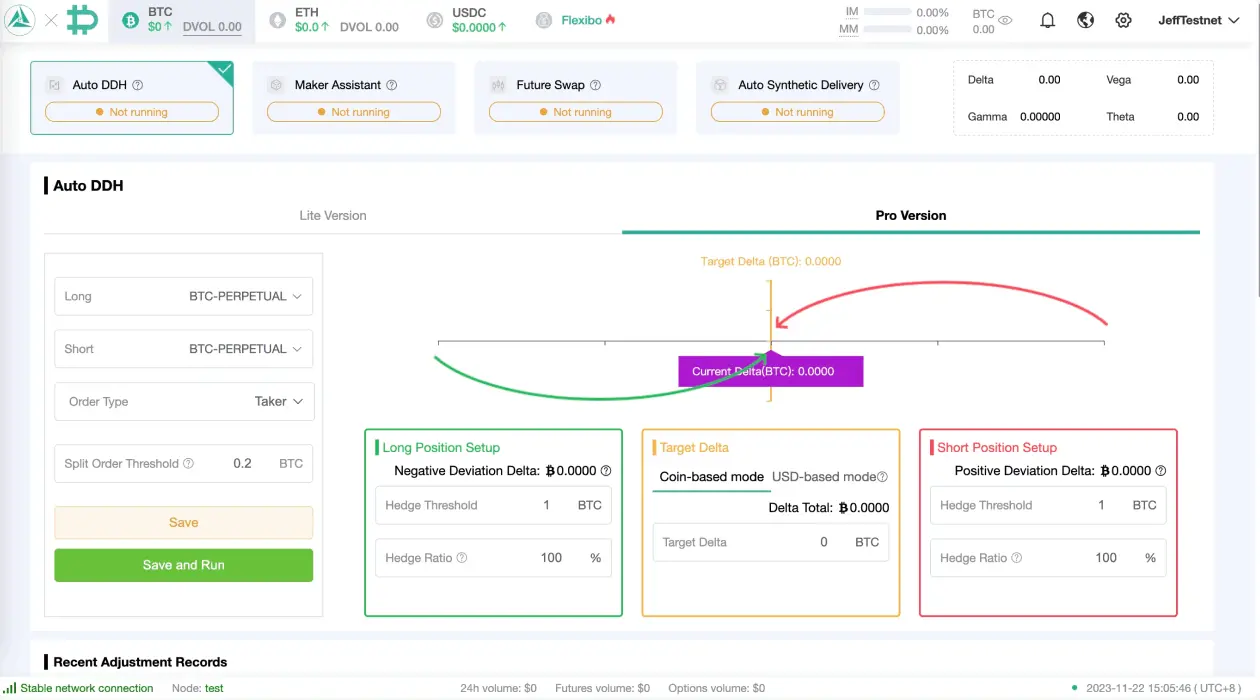
The system integration extends to automated delta hedging (DDH) capabilities. For crypto options, maintaining a neutral delta position is often a continuous operational requirement. An RFQ execution system must seamlessly communicate trade details to a dedicated DDH engine, which then calculates the necessary spot or futures trades to rebalance the portfolio’s delta.
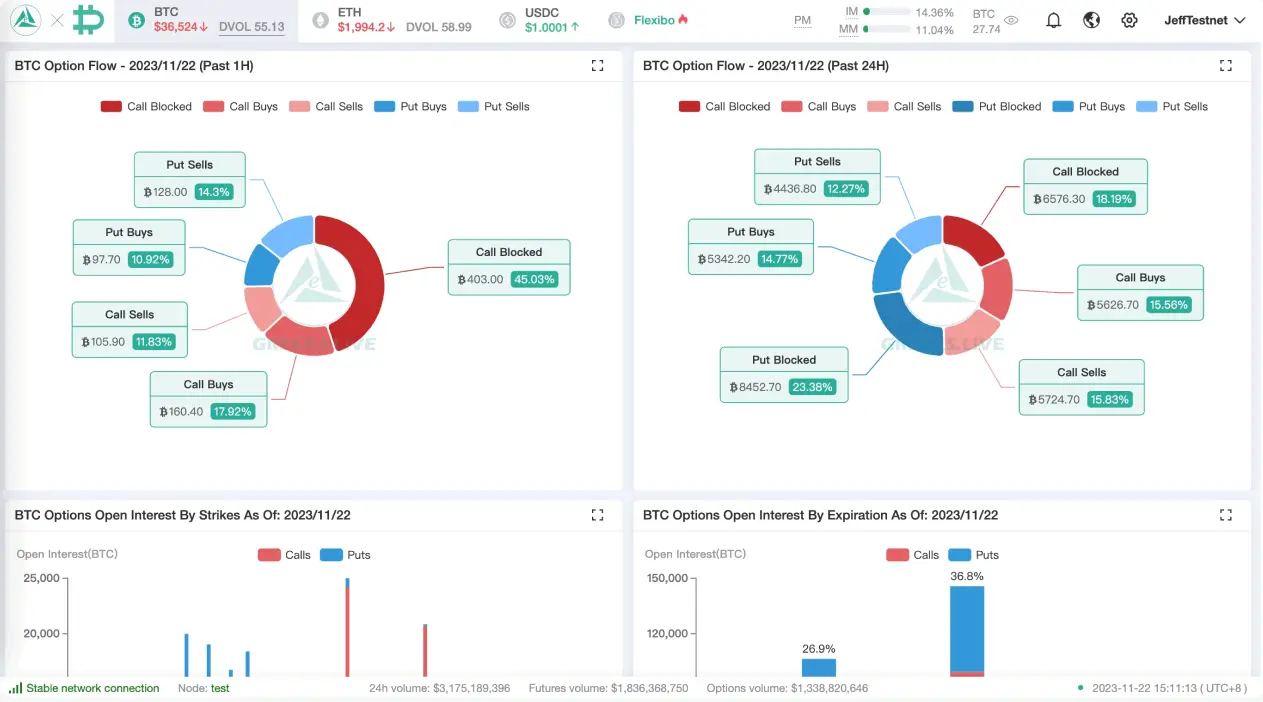
This integration minimizes slippage and ensures the desired risk profile is maintained immediately post-execution, a crucial factor in volatile markets. Real-time intelligence feeds, providing market flow data and aggregated pricing, are also integral, empowering system specialists with a comprehensive view of market conditions to inform their execution decisions.
- API Connectivity ▴ Robust, low-latency API endpoints for seamless integration with OMS/EMS and liquidity provider platforms.
- Standardized Messaging ▴ Implementation of tailored FIX protocol messages for RFQ inquiry and quote response, ensuring interoperability.
- Real-Time Data Pipelines ▴ High-throughput data feeds for market prices, order book depth, and liquidity provider performance metrics.
- Automated Hedging Integration ▴ Direct links to delta hedging engines for immediate risk mitigation post-options execution.
- Smart Routing Algorithms ▴ Logic to dynamically select between RFQ and order book execution based on trade size, market conditions, and desired discretion.
- Post-Trade Reconciliation ▴ Automated systems for trade confirmation, settlement, and regulatory reporting, minimizing operational risk.
Furthermore, the technological architecture must incorporate advanced smart routing algorithms. These algorithms dynamically determine whether to route an order via RFQ or to existing order book liquidity based on a multitude of factors, including trade size, prevailing bid-ask spreads, estimated market impact, and desired execution certainty. This intelligent decision-making layer ensures that each trade is executed through the most appropriate channel, optimizing for price, speed, and discretion. The robust infrastructure supporting these operations provides the computational backbone for institutional trading success.

References
- Aleti, Anjan, and Mizrach, Bruce. “The Market Microstructure of Cryptocurrency Exchange ▴ Order Book Analysis.” Working Paper, 2021.
- Brauneis, Alexander, et al. “Cryptocurrency Order Books Reveal Distinct Patterns Compared to Traditional Markets.” Quantitative Finance, vol. 21, no. 11, 2021, pp. 1913-1930.
- Cont, Rama. “Competition and Learning in Dealer Markets.” SSRN, 2024.
- Harris, Larry. “Trading and Exchanges ▴ Market Microstructure for Practitioners.” Oxford University Press, 2003.
- O’Hara, Maureen. “Market Microstructure Theory.” Blackwell Publishers, 1995.
- Siu, T. K. “Market consistent valuation for Bitcoin options with long memory in conditional volatility and conditional non‐normality.” The Journal of Futures Markets, vol. 45, no. 8, 2025, pp. 917-945.
- Yacoubian, Michael, et al. “Cross-Exchange Linkages and Systemic Risks in Decentralized Cryptocurrency Markets.” Journal of Financial Economics, vol. 138, no. 2, 2020, pp. 423-445.

Strategic Horizons
The quantitative assessment of RFQ protocol efficiency in crypto options represents a continuous strategic endeavor, rather than a static exercise. As market structures evolve and technological capabilities advance, the metrics and methodologies employed for evaluation must similarly adapt. Reflect upon your current operational framework ▴ does it merely react to market movements, or does it proactively shape execution outcomes through a deep understanding of systemic interactions?
The true power resides in the ability to transform raw market data into predictive insights, enabling a forward-looking approach to liquidity sourcing and risk management. This continuous refinement of your execution architecture ultimately defines your strategic potential in the dynamic world of digital asset derivatives.

Glossary

Rfq Protocol

Liquidity Providers

Price Discovery

Quantitative Metrics

Market Microstructure

Crypto Options

Market Conditions

Information Leakage

Market Makers

Market Impact

Automate Their Crypto Procurement Based

Order Book

Smart Routing Algorithms

Multi-Leg Spreads

Rfq Efficiency

Execution Quality

Operational Playbook

Liquidity Provider

Price Improvement

Response Latency

Effective Spread

Realized Spread

Fill Rate

Automated Delta Hedging

System Integration

Fix Protocol