

Operational Frameworks for Options RFQ
The landscape of digital asset derivatives presents a bifurcated structure for Request for Quote (RFQ) mechanisms, each embodying distinct philosophies of trust, control, and operational efficiency. Understanding these fundamental architectural differences is paramount for institutional participants seeking to optimize their execution and manage risk effectively. The choice between a centralized and a decentralized RFQ paradigm fundamentally shapes liquidity access, price discovery dynamics, and the very nature of counterparty interaction.
A Request for Quote mechanism serves as a critical price discovery protocol in derivatives markets, particularly for large or complex trades where a transparent, continuous order book may lack sufficient depth. This process enables a trading entity to solicit executable prices from multiple liquidity providers, facilitating bespoke transaction terms and often enhancing execution quality. In the rapidly evolving domain of crypto options, the structural underpinnings of these RFQ systems dictate their suitability for various strategic objectives.
RFQ mechanisms are essential price discovery protocols for institutional crypto options, defining liquidity access and counterparty interaction.

Centralized RFQ Platforms
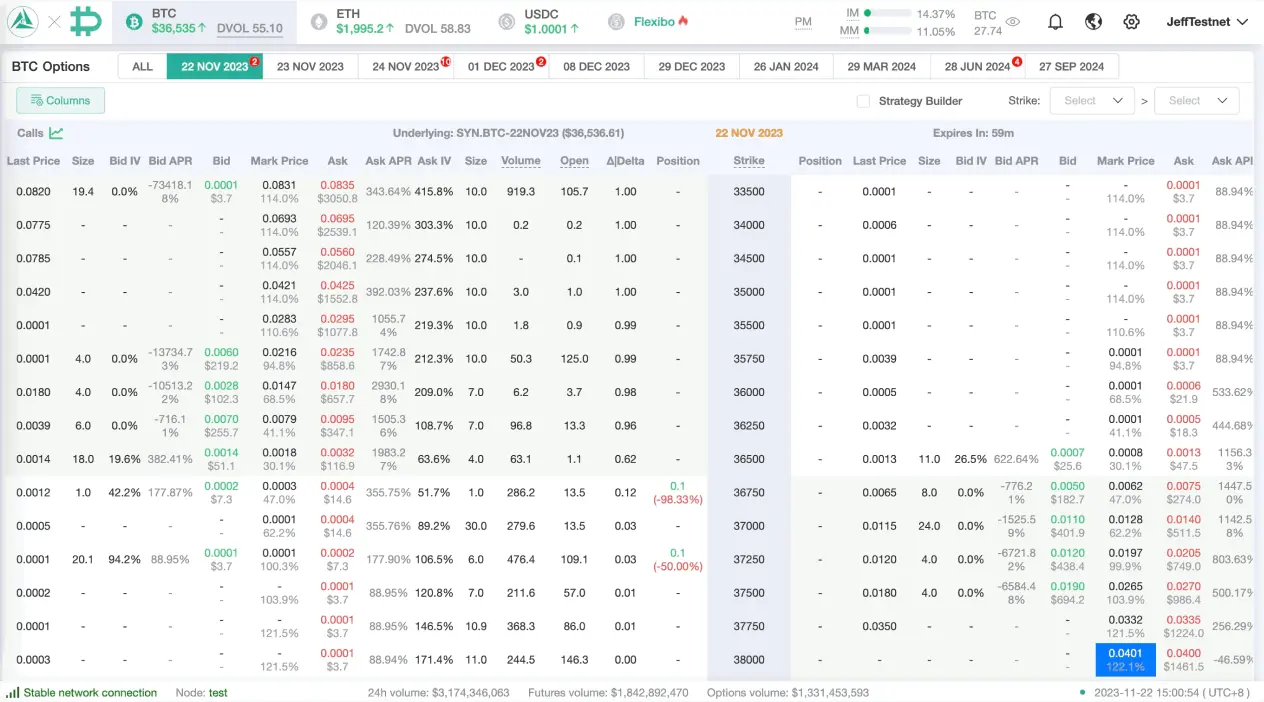
Centralized RFQ platforms, typically hosted by established exchanges or over-the-counter (OTC) desks, operate on a broker-dealer model. These environments leverage a trusted intermediary to facilitate price discovery and trade execution. Major platforms like Deribit, Binance, Kraken, and Bullish exemplify this structure, offering robust trading features and a well-defined regulatory (albeit jurisdictionally varied) framework. The core of these systems involves market makers and liquidity providers quoting prices for specific options contracts, which are then relayed to the requesting party.
A key characteristic of centralized RFQ is its reliance on aggregated liquidity. These platforms consolidate order flow from numerous participants into a singular, managed ecosystem, which typically leads to tighter spreads and deeper markets for standardized products. The underlying technology often involves low-latency matching engines and high-throughput messaging protocols, such as FIX 4.4, ensuring rapid price updates and efficient trade processing. Furthermore, the centralized nature permits advanced risk management tools and sophisticated order types, often exceeding the capabilities of nascent decentralized counterparts.

Decentralized RFQ Protocols
Decentralized RFQ protocols operate on a fundamentally different premise, leveraging blockchain technology and smart contracts to disintermediate traditional financial intermediaries. These peer-to-peer systems allow participants to interact directly, with trade logic and settlement codified into immutable, self-executing code. Platforms such as Hegic, Opyn, and Lyra represent early iterations of this paradigm. The absence of a central authority means that trust is placed in the cryptographic security of the blockchain and the verifiability of smart contract code.
Liquidity provision in decentralized RFQ often diverges from conventional order book models. Many decentralized options platforms employ Automated Market Maker (AMM) mechanisms, where liquidity pools facilitate trades against predefined algorithms rather than direct counterparty matching in an order book. While some decentralized solutions are moving towards matching pool mechanisms for perpetuals, RFQ for options still often contends with the unique challenges of pricing and time decay within AMM structures. This structural difference has profound implications for capital efficiency and price discovery, requiring innovative approaches to maintain competitive execution.


Strategic Imperatives in Options Price Discovery
The strategic calculus for institutional participants navigating crypto options RFQ mechanisms hinges on a precise evaluation of their operational objectives against the inherent characteristics of centralized and decentralized frameworks. Each system presents distinct advantages and limitations, influencing decisions around liquidity sourcing, risk mitigation, and optimal execution. A comprehensive understanding of these strategic imperatives is essential for achieving superior trading outcomes.

Liquidity Aggregation and Fragmentation
Centralized RFQ platforms excel in aggregating liquidity. By consolidating a diverse array of market makers and institutional participants within a single, high-performance environment, these systems provide deep order books and often more competitive pricing for larger block trades. The ability to solicit quotes from multiple prime dealers simultaneously minimizes market impact and slippage, particularly for illiquid or complex options strategies. This centralized aggregation simplifies the process of finding a counterparty and achieving best execution, offering a streamlined pathway for significant notional volumes.
Decentralized RFQ, by contrast, frequently grapples with liquidity fragmentation. The very nature of a distributed ledger system, coupled with diverse protocol designs and token standards, can lead to liquidity being spread across numerous pools and platforms. While innovative solutions like matching pool mechanisms seek to address this, the current state often necessitates a more active approach to liquidity sourcing across different decentralized venues. Traders on decentralized platforms must contend with potentially wider bid-ask spreads and increased price impact for larger orders, requiring sophisticated routing algorithms or a willingness to accept smaller clip sizes.
Centralized RFQ platforms offer superior liquidity aggregation for block trades, while decentralized protocols face liquidity fragmentation challenges.

Risk Management and Information Asymmetry
The risk management profiles of these two paradigms exhibit significant divergence. Centralized RFQ systems manage counterparty risk through robust clearing and settlement processes, often backed by established legal frameworks and regulatory oversight. Participants trust the intermediary to guarantee trade finality and manage collateral.
Information asymmetry, while present, is typically mitigated through regulated disclosure requirements and the standardized communication protocols used by institutional counterparties. The discretion afforded by private quote solicitation within a centralized network can also reduce information leakage compared to open order books.
Decentralized RFQ introduces a distinct set of risk vectors. Counterparty risk transforms into smart contract risk, where the integrity of the underlying code becomes the primary trust anchor. Vulnerabilities in smart contract design, or unforeseen interactions, can lead to significant capital loss. Furthermore, while blockchain transactions are transparent, the pseudonymity of participants can complicate traditional due diligence processes.
Information asymmetry might manifest differently, with sophisticated on-chain analysts potentially front-running orders or exploiting protocol inefficiencies. Traders must also account for oracle risk, where external data feeds providing price information could be compromised.

Price Discovery and Execution Quality
Price discovery on centralized RFQ platforms benefits from the concentrated expertise of professional market makers and their access to proprietary pricing models. These entities leverage real-time market data, volatility surfaces, and hedging capabilities to generate highly competitive quotes. The speed of execution and minimal latency inherent in these systems contribute directly to superior execution quality, ensuring that the agreed-upon price is executed with precision. The efficiency of these mechanisms is critical for multi-leg strategies, where simultaneous execution across various options and underlying assets is paramount.
Price discovery in decentralized RFQ often relies on AMM algorithms or peer-to-pool models, which can present challenges for accurately reflecting complex options pricing, particularly regarding implied volatility and time decay. While these models ensure continuous liquidity, they may not always offer the most optimal pricing compared to actively managed market maker quotes, especially for exotic or less liquid options. Execution quality on decentralized protocols is influenced by network congestion, gas fees, and the inherent latency of blockchain confirmations. This requires a strategic approach to transaction timing and fee management to mitigate potential slippage and ensure desired trade outcomes.


Operational Mechanics for Options Transactions
The operational mechanics underpinning centralized and decentralized crypto options RFQ mechanisms delineate a profound divergence in how institutional participants interact with market infrastructure. From the initial quote solicitation to final settlement, each paradigm employs distinct technological architectures and procedural flows, necessitating tailored execution strategies for optimal performance.

Centralized RFQ Execution Workflow
A centralized RFQ workflow begins with the initiating firm submitting a request for a specific options contract or a multi-leg strategy. This request is typically routed through a proprietary API or a standardized messaging protocol like FIX to a network of approved liquidity providers. The platform’s internal matching engine processes these requests, disseminating them to market makers capable of quoting the desired instrument.
Market makers then respond with firm, executable prices within a specified timeframe, often in milliseconds. The requesting firm evaluates these bids and offers, selecting the most advantageous quote.
Once a quote is accepted, the trade is executed on the platform’s internal ledger. Clearing and settlement follow, often involving a central clearing counterparty that novates the trade, mitigating bilateral counterparty risk. Collateral management, margin calls, and position keeping are handled by the centralized entity, providing a consolidated view and simplified operational overhead for the institutional client. The efficiency of this process is a direct result of tightly integrated systems and a controlled environment.

Key Operational Parameters in Centralized RFQ
Operational efficiency within centralized RFQ systems is driven by several factors.
- Latency Optimization ▴ These platforms invest heavily in network infrastructure and co-location services to minimize message propagation delays, crucial for high-frequency strategies.
- API Robustness ▴ Institutional-grade APIs support high message rates and complex order types, allowing for automated execution and sophisticated algorithmic trading.
- Regulatory Compliance ▴ Adherence to varying regulatory mandates dictates reporting requirements, KYC/AML procedures, and market surveillance, ensuring operational integrity.
Centralized RFQ execution involves rapid quote dissemination, internal ledger settlement, and robust clearing, all supported by low-latency infrastructure and regulatory compliance.

Decentralized RFQ Execution Workflow
Decentralized RFQ execution unfolds entirely on a blockchain. A requesting entity initiates an RFQ by interacting with a smart contract, specifying the options parameters. This request is broadcast to potential liquidity providers, who are typically other participants or automated liquidity pools.
Responding market makers, or AMMs, provide quotes by submitting signed messages or interacting with the protocol’s smart contracts. The requesting party then selects a quote, which triggers an on-chain transaction to execute the trade.
Settlement occurs instantaneously upon successful execution of the smart contract, with tokens transferred directly between participant wallets. Collateral for options positions is typically locked within smart contracts, providing transparency and immutability. Managing these positions often involves interacting with multiple smart contracts for margin adjustments, exercise, or early termination. The decentralized nature means that each step, from quote acceptance to settlement, requires a confirmed blockchain transaction, incurring network fees and subject to blockchain congestion.

Core Components of Decentralized Options RFQ Protocols
The architecture of decentralized options RFQ protocols relies on a distinct set of components.
- Smart Contracts ▴ These self-executing agreements govern all aspects of the options lifecycle, from creation and pricing to execution and settlement.
- Oracle Networks ▴ External data feeds, provided by decentralized oracle networks, deliver reliable price information for underlying assets, essential for accurate options pricing and settlement.
- Liquidity Pools ▴ Automated market maker (AMM) pools or peer-to-pool liquidity models serve as the counterparty for many options trades, facilitating continuous trading without a traditional order book.
- Collateral Management Modules ▴ Smart contracts handle the locking and unlocking of collateral, ensuring sufficient backing for options positions and managing liquidation processes.
One must recognize the intricate dance between on-chain finality and off-chain computational efficiency in these decentralized systems. The desire for absolute transparency and censorship resistance on the ledger sometimes introduces latency and cost considerations that demand a different kind of optimization than their centralized counterparts. Crafting a truly performant decentralized RFQ system requires not just robust smart contract engineering, but also an acute awareness of gas economics, network throughput, and the subtle interplay of various on-chain primitives.

Comparative Operational Metrics
The operational distinctions between centralized and decentralized RFQ mechanisms manifest clearly in key performance metrics.
| Operational Aspect | Centralized RFQ | Decentralized RFQ |
|---|---|---|
| Latency | Sub-millisecond to low milliseconds | Seconds to minutes (blockchain confirmation) |
| Transaction Cost | Trading fees, potential data fees | Gas fees, protocol fees |
| Collateral Model | Centralized custodian/clearinghouse | Smart contract locked funds |
| Counterparty Risk | Intermediary default risk | Smart contract exploit risk, oracle risk |
| Settlement Finality | Real-time internal, D+1/D+2 external | On-chain, near-instant upon confirmation |
| Customization | High (OTC), limited (exchange-traded) | Programmable (smart contract parameters) |
The latency profile of centralized platforms, often measured in microseconds, facilitates high-frequency trading and rapid responses to market shifts. Decentralized systems, constrained by block times and network congestion, exhibit significantly higher latency, impacting time-sensitive strategies. Transaction costs also vary; centralized platforms typically charge trading fees and potentially data subscription fees, while decentralized protocols levy gas fees for on-chain interactions and specific protocol fees.
| Risk/Trust Dimension | Centralized RFQ Implications | Decentralized RFQ Implications |
|---|---|---|
| Trust Paradigm | Intermediary trust (exchange, broker) | Code trust (smart contracts, blockchain) |
| Regulatory Landscape | Established, evolving oversight | Nascent, fragmented, self-governing |
| Data Privacy | Confidential (within platform) | Pseudonymous, on-chain transparency |
| Operational Control | Platform-dependent | User-controlled keys, self-custody |
Collateral models reflect the underlying trust mechanisms. Centralized platforms rely on a central custodian or clearinghouse to manage collateral and margins, while decentralized protocols secure funds directly within smart contracts. This shift impacts not only the custody of assets but also the transparency of collateralization, with on-chain solutions offering real-time, auditable proof of reserves. The choice between these operational frameworks is not a simple matter of preference; it represents a fundamental decision about the acceptable vectors of risk and the desired degree of systemic control.

References
- Andolfatto, A. Naik, S. & Schönleber, L. (2025). Decentralized and Centralized Options Trading ▴ A Risk Premia Perspective. Collegio Carlo Alberto, University of Turin.
- Hägele, S. (2024). Centralized exchanges vs. decentralized exchanges in cryptocurrency markets ▴ A systematic literature review. Electronic Markets, 34(33).
- Easley, D. O’Hara, M. Yang, S. & Zhang, Z. (2024). Microstructure and Market Dynamics in Crypto Markets. Cornell University.
- CoinMarketCap. (n.d.). Crypto Derivatives ▴ An Ecosystem Primer.
- Mayer Brown. (n.d.). Crypto Derivatives ▴ Overview. Practical Law.
- Nadcab Labs. (2025). How to Develop a DeFi Protocol ▴ Step-by-Step.
- Antier Solutions. (2024). DeFi Protocols ▴ The Architecture of a Decentralized Financial Revolution.
- tastycrypto. (n.d.). DeFi Options ▴ The Ultimate Beginners Guide.

Operational Intelligence for Market Mastery
The examination of centralized and decentralized crypto options RFQ mechanisms compels a deeper introspection into the operational intelligence driving institutional trading strategies. The architectural distinctions are not merely technical specifications; they represent divergent philosophies on trust, control, and efficiency that directly impact a firm’s ability to achieve its strategic objectives. Recognizing these foundational differences allows principals to construct a resilient operational framework, one that capitalizes on the strengths of each paradigm while mitigating their inherent vulnerabilities.
The path to market mastery in digital asset derivatives involves a continuous calibration of execution protocols against evolving market structures. It demands a sophisticated understanding of how liquidity is formed, how risk is managed, and how information propagates across these disparate systems. A superior operational framework transcends platform selection, integrating diverse tools and protocols into a cohesive system of intelligence that adapts to market dynamics and optimizes for capital efficiency. This integrated approach ensures a decisive edge, translating complex market mechanics into tangible strategic advantage.

Glossary

Operational Efficiency

Decentralized Rfq

Price Discovery

Crypto Options

Centralized Rfq

Market Makers

Smart Contracts

Smart Contract

Crypto Options Rfq

Rfq Platforms

Liquidity Fragmentation

Counterparty Risk

Smart Contract Risk

Decentralized Protocols

Rfq Mechanisms

Collateral Management

Options Rfq