

Concept
Navigating the contemporary financial landscape demands a keen understanding of its underlying structural dynamics. For institutional participants, the dispersion of liquidity across myriad trading venues presents a formidable challenge, fundamentally altering the calculus of block trade execution. This market condition, often termed fragmented liquidity, does not merely introduce complexity; it reshapes the very parameters of efficient capital deployment and risk management. Executing a substantial order in such an environment requires more than conventional wisdom; it calls for a systematic approach to aggregate disparate pools of capital and mitigate the inherent informational asymmetries.
The core challenge stems from the proliferation of trading platforms, each holding a segment of the total available liquidity for a given asset. These venues encompass traditional exchanges, alternative trading systems (ATSs), broker-dealer internalizers, and increasingly, decentralized exchanges (DEXs) for digital assets. When an institutional entity seeks to transact a block of securities or derivatives, this fractured ecosystem means no single venue holds sufficient depth to absorb the order without significant market impact. Consequently, a large trade, if executed without strategic foresight, risks adverse price movements, commonly known as slippage, and increased transaction costs.
Consider the inherent tension ▴ institutional investors seek to minimize market footprint and information leakage while simultaneously requiring robust liquidity to achieve optimal execution prices. Fragmented liquidity exacerbates this tension. Each interaction with a liquidity pool, particularly in a transparent “lit” market, potentially reveals trading intent, attracting opportunistic participants who can front-run or otherwise impact the trade negatively. This dynamic forces sophisticated players to adopt multi-venue execution strategies, which, while necessary, introduce their own operational complexities and data aggregation demands.
Fragmented liquidity fundamentally alters block trade execution, demanding systematic aggregation of capital and mitigation of informational asymmetries.
The impact extends beyond immediate execution costs. Price discovery itself can become more intricate when liquidity is dispersed, as a complete picture of supply and demand across all venues is not always readily available or easily synthesized in real time. This opacity affects the accuracy of real-time fair value assessments, a critical input for any institutional trading desk. The interplay between visible (lit) markets and opaque (dark) pools creates a nuanced environment where the pursuit of price improvement must be balanced against the risk of adverse selection and information leakage.
Moreover, the technological infrastructure required to effectively navigate fragmented markets represents a significant investment. Institutional desks must deploy sophisticated order routing systems, real-time data analytics, and robust connectivity to access diverse liquidity sources. This technological imperative underscores the shift from simply finding a counterparty to intelligently orchestrating a multi-venue execution strategy that optimizes for price, speed, and discretion. The structural implications therefore touch upon market design, regulatory frameworks, and the technological capabilities essential for maintaining a competitive edge in capital markets.


Strategy
Crafting a robust strategy for block trade execution within a fragmented liquidity landscape requires a multi-pronged approach, integrating advanced protocols with an intelligence layer that synthesizes real-time market dynamics. The overarching objective centers on achieving superior execution quality, minimizing market impact, and preserving capital efficiency. Strategic frameworks must acknowledge the inherent challenges of liquidity dispersion and information asymmetry, transforming them into opportunities for tactical advantage.
A cornerstone of this strategic response involves the intelligent deployment of Request for Quote (RFQ) mechanisms. For illiquid or large, complex trades, RFQ protocols offer a discreet channel for price discovery and execution. This bilateral price discovery process allows institutional traders to solicit competitive bids from multiple qualified liquidity providers without revealing their full trading intent to the broader market.
The high-fidelity execution capabilities of advanced RFQ systems facilitate multi-leg spreads and complex derivative structures, enabling the precise execution of intricate strategies. Discreet protocols, such as private quotations, further shield the trading interest from public view, a critical element in preventing adverse price movements that could erode profitability.
Intelligent deployment of RFQ mechanisms is central to navigating fragmented liquidity, offering discreet price discovery and high-fidelity execution.
System-level resource management becomes paramount in optimizing RFQ utilization. Aggregated inquiries allow a single request to reach multiple dealers simultaneously, fostering competitive tension and improving pricing. This approach maximizes the probability of finding optimal liquidity at favorable prices, a stark contrast to sequential, manual outreach.
Furthermore, the strategic choice between accessing lit markets, dark pools, or a hybrid approach dictates the overall execution outcome. Dark pools, for instance, offer a venue for anonymous options trading, reducing the potential for price impact on large orders, although they may introduce challenges related to execution probability and adverse selection.
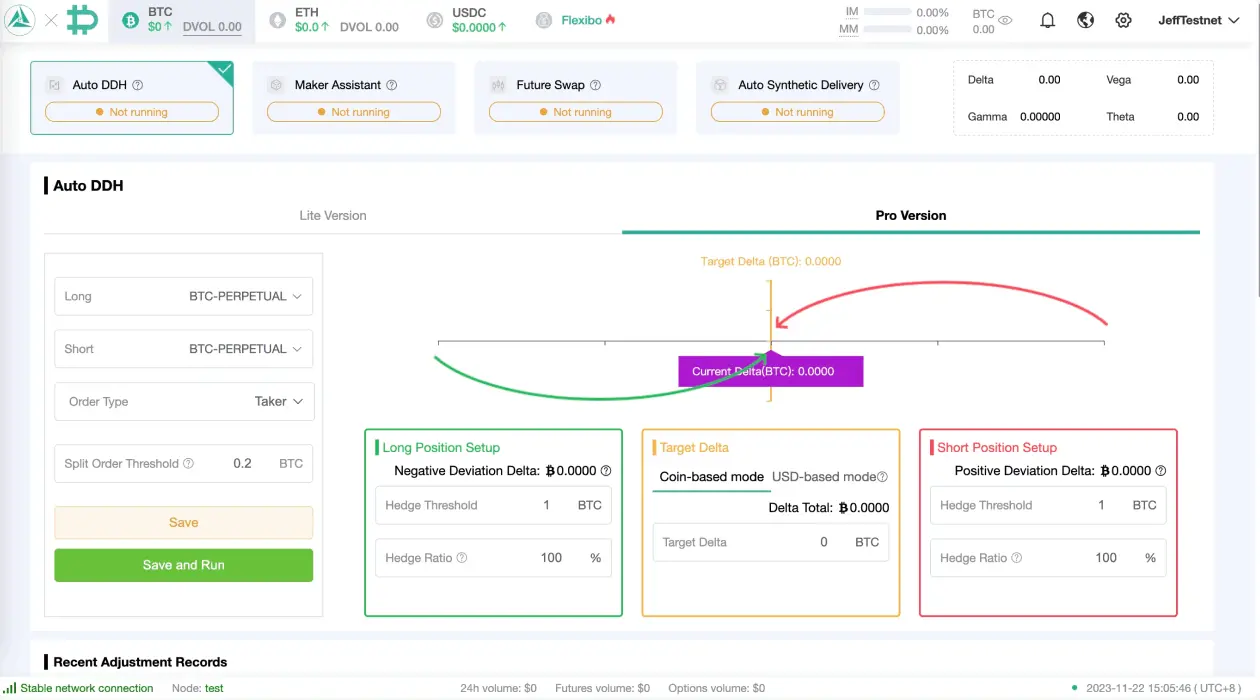
Beyond RFQ mechanics, strategic advantage is gained through advanced trading applications. These applications empower sophisticated traders to automate and optimize specific risk parameters. Consider the mechanics of Synthetic Knock-In Options, which allow for tailored risk exposure, or Automated Delta Hedging (DDH), which systematically manages directional risk throughout the trade lifecycle.
Such tools provide a programmatic means to navigate volatility block trades and BTC straddle blocks with precision, moving beyond manual adjustments to rule-based, high-speed responses. The integration of these advanced order types within an overarching execution framework enables proactive risk mitigation and dynamic position management.
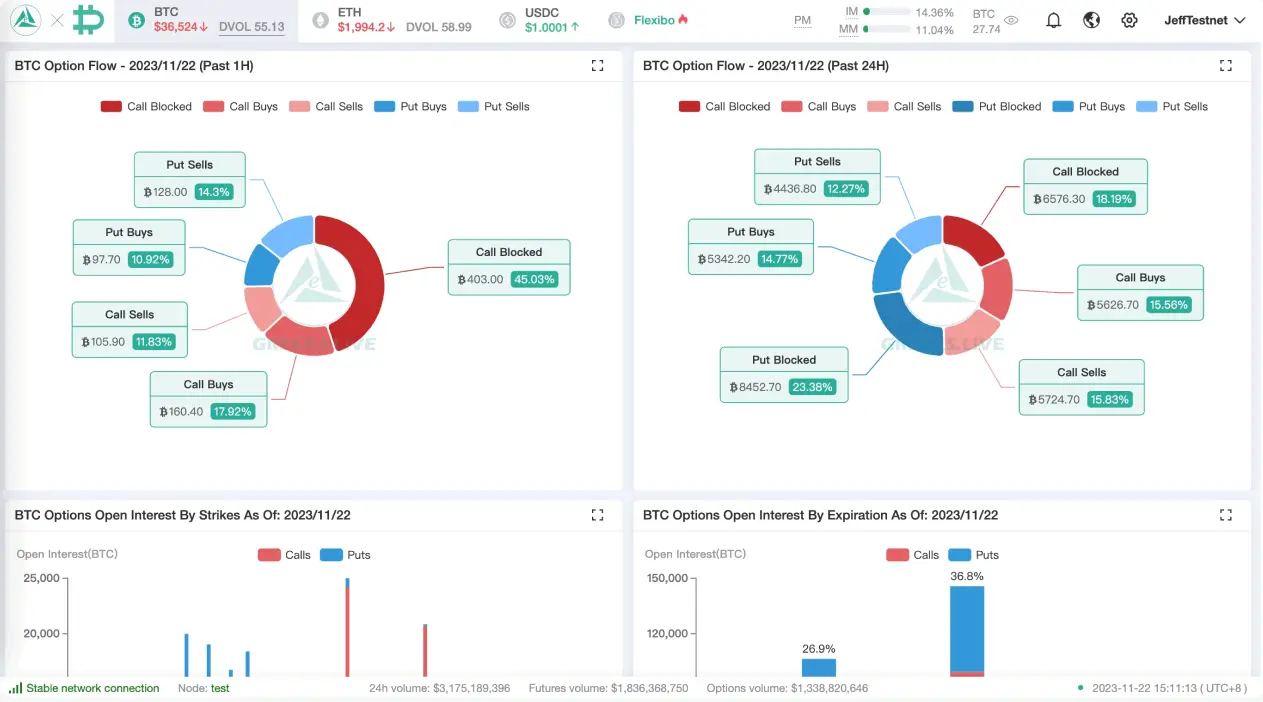
The intelligence layer forms the third pillar of a comprehensive strategy. Real-time intelligence feeds, offering granular market flow data, provide an invaluable edge. These feeds reveal the true depth of liquidity, order book imbalances, and potential areas of market pressure, allowing for dynamic adjustments to execution tactics. Understanding market microstructure through this data helps identify transient liquidity pockets and anticipate potential market movements.
Expert human oversight, provided by system specialists, complements algorithmic execution. These specialists monitor complex execution algorithms, intervene when market anomalies occur, and refine strategies based on qualitative insights, ensuring optimal performance and risk control.
A structured approach to selecting execution venues is essential for navigating fragmented liquidity.
- Lit Exchanges ▴ Offer transparent price discovery and robust liquidity for smaller, more liquid trades.
- Dark Pools ▴ Provide anonymity for large block trades, minimizing market impact, but may carry adverse selection risk.
- RFQ Platforms ▴ Facilitate competitive price discovery from multiple dealers for bespoke or illiquid instruments.
- Internalization Engines ▴ Allow broker-dealers to match client orders internally, potentially offering price improvement and reduced external market impact.
This layered strategic framework, blending the discretion of RFQ protocols, the power of advanced trading applications, and the insight of real-time intelligence, provides institutions with the tools necessary to achieve superior execution in fragmented markets. The ability to orchestrate multi-dealer liquidity across diverse venues, while minimizing slippage and ensuring best execution, defines the operational edge in today’s complex financial ecosystem.


Execution
The ultimate test of any strategic framework resides in its execution, particularly within the challenging domain of institutional block trades amidst fragmented liquidity. Operationalizing a superior execution strategy demands a deep understanding of technical standards, precise risk parameters, and the application of sophisticated quantitative metrics. This section delves into the granular mechanics of implementation, offering an operational playbook for navigating the complexities of modern market microstructure.

The Operational Playbook
Effective execution in fragmented markets begins with a meticulously defined workflow, leveraging technology to orchestrate liquidity sourcing across diverse venues. The initial phase involves intelligent order segmentation, where a large block order is strategically divided into smaller, manageable child orders. This segmentation minimizes market impact and allows for adaptive routing. Each child order is then directed to the most appropriate liquidity venue based on real-time market conditions, order characteristics, and pre-defined execution parameters.
The core of this operational efficiency lies in advanced order management systems (OMS) and execution management systems (EMS). These platforms integrate connectivity to various exchanges, dark pools, and RFQ networks, providing a consolidated view of liquidity. The EMS employs smart order routing (SOR) algorithms that dynamically assess available liquidity, bid-ask spreads, and execution probabilities across all accessible venues. These algorithms constantly re-evaluate market conditions, seeking optimal price and fill rates while adhering to explicit risk constraints.
For significant block trades, particularly in less liquid assets or complex derivatives, the Request for Quote (RFQ) mechanism stands as a primary execution protocol. The operational steps for an institutional RFQ process typically unfold as follows:
- Trade Definition ▴ The trader precisely defines the instrument, size, and desired settlement terms. For options, this includes strike price, expiry, and option type.
- Dealer Selection ▴ The system, guided by pre-configured relationships and historical performance data, selects a panel of qualified liquidity providers. This selection often considers factors such as response speed, historical pricing competitiveness, and counterparty creditworthiness.
- Quote Solicitation ▴ The RFQ is sent simultaneously to the selected dealers. Advanced platforms ensure anonymity during this phase, preventing information leakage.
- Quote Evaluation ▴ Upon receiving responses, the EMS evaluates the incoming quotes, considering not only price but also size, implied volatility, and any specific conditions attached by the dealer.
- Execution and Confirmation ▴ The system or trader selects the best quote, and the trade is executed. Confirmation messages are exchanged via standardized protocols like FIX (Financial Information eXchange).
- Post-Trade Analysis ▴ A thorough transaction cost analysis (TCA) is performed to evaluate execution quality against benchmarks, identifying areas for continuous improvement.
This structured approach, particularly for OTC options and multi-leg execution, provides control and discretion, crucial for minimizing slippage and achieving best execution. The ability to engage multiple dealers anonymously creates a competitive environment that benefits the buy-side institution.
A meticulously defined workflow, from intelligent order segmentation to advanced RFQ processes, underpins effective execution in fragmented markets.
An authentic imperfection in this complex system is the occasional, yet unavoidable, divergence between theoretical optimal routing and real-world market latency, where microseconds can indeed alter outcomes.

Quantitative Modeling and Data Analysis
Quantitative modeling provides the analytical backbone for optimizing block trade execution in fragmented markets. The goal involves developing models that predict liquidity availability, estimate market impact, and quantify execution risk across disparate venues. This analytical rigor transforms raw market data into actionable insights, enabling informed decision-making.
One fundamental model involves estimating the effective spread, which captures the true cost of a trade beyond the quoted bid-ask spread. In a fragmented environment, the effective spread can be significantly wider due to the difficulty in accessing displayed liquidity across multiple venues.
Effective Spread Calculation ▴
Effective Spread = 2 |Execution Price – Midpoint Price|
Where Midpoint Price = (Best Bid + Best Offer) / 2
This metric is computed post-trade across all venues where portions of a block trade were executed, providing a consolidated view of transaction costs.
Market impact modeling is another critical component. For institutional block trades, executing a large order can itself move the market price. Models such as the Almgren-Chriss framework, adapted for multi-venue execution, help predict this impact.
Almgren-Chriss Market Impact Model (Simplified) ▴
Cost = α V + β (V^2 / T)
Where:
- V ▴ Total volume to be traded
- T ▴ Trading horizon (time over which the trade is executed)
- α ▴ Linear market impact coefficient (captures instantaneous impact)
- β ▴ Quadratic market impact coefficient (captures temporary impact, often related to order flow imbalance)
These coefficients are empirically derived from historical market data, providing a quantitative basis for optimal slicing and routing decisions.
Data analysis in this context relies heavily on microstructural data, including order book snapshots, trade histories, and message traffic from all connected venues. Analyzing this data helps identify liquidity patterns, characterize market participant behavior, and detect potential adverse selection risks.
| Metric | Lit Exchange (Example) | Dark Pool (Example) | RFQ Platform (Example) |
|---|---|---|---|
| Average Quoted Spread (bps) | 2.5 | N/A (no public quote) | 3.8 (post-quote) |
| Average Effective Spread (bps) | 3.1 | 2.9 | 3.5 |
| Market Impact (bps per $1M) | 5.2 | 2.8 | 4.0 |
| Execution Probability | High (for small orders) | Moderate (size-dependent) | High (negotiated) |
| Information Leakage Risk | High | Low | Low |
The table above illustrates how different venues present varying trade-offs in terms of liquidity cost, market impact, and information risk. Quantitative analysis guides the selection of the optimal venue or combination of venues for a given block trade.
Furthermore, predictive models for volatility and correlation are crucial for managing multi-leg options strategies. These models, often employing GARCH or implied volatility surface analysis, inform the dynamic adjustment of hedges and position sizing.
Volatility Surface Analysis ▴
A volatility surface plots implied volatility against strike price and time to expiration. Deviations from a smooth surface can indicate mispricing or liquidity dislocations, offering opportunities for strategic trading.
Analyzing historical data reveals that a significant portion of block trades routed through sophisticated RFQ systems experience a lower effective spread compared to purely lit market execution, especially for large sizes. This empirical observation validates the strategic choice of bespoke liquidity sourcing.

Predictive Scenario Analysis
A profound understanding of market dynamics necessitates not only historical analysis but also the construction of predictive scenario analyses. This approach allows institutions to model potential outcomes of block trade executions under varying market conditions, refining their strategies before deployment. Consider a hypothetical institutional trader, Alpha Capital, aiming to execute a substantial block trade in a highly volatile crypto options market, specifically a BTC straddle block of 500 contracts with a near-term expiration. The underlying Bitcoin price is currently $70,000, and the implied volatility is elevated due to upcoming macroeconomic news.
Alpha Capital’s primary concern revolves around minimizing market impact and information leakage while securing competitive pricing across fragmented liquidity pools. The desk’s system specialists initiate a scenario analysis, simulating the execution of this 500-contract straddle across three distinct liquidity sourcing pathways:
- Direct-to-Lit-Exchange Execution ▴ A large market order or a series of aggressive limit orders on a single transparent exchange.
- Hybrid Lit/Dark Pool Execution ▴ A portion of the order routed to a dark pool for anonymity, with the remainder executed on a lit exchange.
- Multi-Dealer RFQ Protocol ▴ Soliciting quotes from a pre-approved panel of five prime brokers and specialized market makers via a secure, anonymous RFQ platform.
The simulation for the direct-to-lit-exchange scenario projects a significant adverse market impact. Given the straddle’s size, placing a 500-contract order directly would consume multiple levels of the order book, pushing the price against Alpha Capital. Initial estimates suggest a slippage of approximately 15 basis points on the underlying delta-equivalent value, translating to a direct cost of $52,500 on a notional value of $35 million (500 contracts 0.5 delta $70,000).
Moreover, the public display of such a large order would attract high-frequency traders, potentially leading to further price erosion through front-running. The probability of achieving a full fill at a desirable average price is low, perhaps 60%, with the remaining volume subject to further price degradation.
The hybrid lit/dark pool scenario offers a potential improvement. Alpha Capital decides to route 300 contracts to a broker-operated dark pool, hoping to execute a significant portion anonymously. The remaining 200 contracts are then executed on a lit exchange using a sophisticated execution algorithm that slices the order into smaller, time-weighted average price (TWAP) or volume-weighted average price (VWAP) child orders. The simulation predicts that the dark pool portion would execute with minimal market impact, perhaps 5 basis points, but with a lower fill probability of 70% due to the nature of hidden liquidity.
The lit portion, despite algorithmic slicing, still incurs some market impact, estimated at 8 basis points. The combined average slippage is projected at 9.5 basis points, costing $33,250. This pathway improves cost efficiency but introduces uncertainty regarding the dark pool fill rate, requiring careful monitoring and potential re-routing of unfilled dark orders.
The multi-dealer RFQ protocol scenario, however, presents the most compelling outcome for this specific block trade. Alpha Capital’s RFQ platform sends an anonymous request for quotes for the 500-contract BTC straddle to five pre-qualified market makers. The platform’s analytics engine immediately identifies the most competitive bids, factoring in implied volatility, bid-ask spreads, and the capacity of each dealer. Within seconds, four dealers respond.
Dealer A offers a price that implies a 3.2% premium over the current mid-market, Dealer B offers 3.5%, Dealer C offers 3.3%, and Dealer D offers 3.6%. The platform automatically selects Dealer A’s quote, which represents the best execution price. The projected slippage in this scenario is minimal, estimated at 2 basis points, costing only $7,000. The fill probability is near 100% due to the committed nature of RFQ responses. This outcome significantly reduces transaction costs and virtually eliminates information leakage, as the trading intent is only known to the participating dealers, not the broader market.
This predictive analysis underscores the strategic advantage of leveraging specialized protocols for institutional block trades. While direct exchange execution risks substantial market impact, and hybrid approaches offer incremental improvements, a well-orchestrated RFQ process provides a superior pathway for price discovery and execution efficiency, especially in volatile, fragmented markets. The ability to model these scenarios quantitatively allows Alpha Capital to select the optimal execution strategy, moving beyond reactive trading to proactive, data-driven decision-making.

System Integration and Technological Architecture
The effective navigation of fragmented liquidity hinges upon a robust system integration and a sophisticated technological architecture. Institutional trading operations rely on a seamless flow of data and instructions across various platforms, protocols, and internal systems. The core objective involves constructing an interconnected ecosystem that enables real-time liquidity aggregation, intelligent order routing, and comprehensive risk management.
At the heart of this architecture lies the integration of an Order Management System (OMS) and an Execution Management System (EMS). The OMS handles the lifecycle of an order from inception to settlement, managing allocations and compliance checks. The EMS, in turn, focuses on optimal trade execution, connecting to external liquidity venues. The communication between these systems and external markets is primarily facilitated through the Financial Information eXchange (FIX) protocol.
Key FIX Protocol Messages for Block Trading ▴
- New Order Single (35=D) ▴ Initiates a new order. For block trades, this might be a parent order to the EMS.
- Quote Request (35=R) ▴ Used in RFQ workflows to solicit quotes from multiple liquidity providers.
- Quote (35=S) ▴ A response from a liquidity provider to a Quote Request, detailing price and size.
- Order Cancel/Replace Request (35=G) ▴ Allows for modification or cancellation of an existing order, crucial for dynamic execution strategies.
- Execution Report (35=8) ▴ Provides confirmation of trades, fills, and order status updates.
These FIX messages form the lingua franca of electronic trading, ensuring interoperability between an institution’s internal systems and external market participants, including prime brokers, exchanges, and ATSs.
The technological architecture must also account for API endpoints that provide programmatic access to market data and execution capabilities. These APIs allow for the development of custom algorithmic trading bots and advanced analytics modules. For instance, real-time intelligence feeds, crucial for market flow data, are consumed via high-throughput APIs, often streaming data in formats like JSON or Protocol Buffers. This data is then processed by an in-house intelligence layer, providing actionable insights to traders and algorithms.
Consider the typical data flow for a block trade in a fragmented market:
- Pre-Trade Analytics ▴ An internal analytics engine consumes market data from various APIs (e.g. order book depth, trade history, implied volatility surfaces).
- Order Generation ▴ The OMS generates a block order, which is then passed to the EMS.
- Smart Order Routing (SOR) ▴ The EMS’s SOR module, using real-time market data and pre-configured rules, determines the optimal venue(s) and order type(s) (e.g. RFQ, dark pool, lit exchange limit order).
- External Connectivity ▴ FIX messages are sent to the selected liquidity providers or exchanges. For RFQs, the Quote Request (35=R) is sent to multiple dealers.
- Execution and Feedback ▴ Execution Reports (35=8) are received from the venues, confirming fills. For RFQs, Quote (35=S) messages are received, and the best quote is selected for execution.
- Post-Trade Processing ▴ Trade details are routed back to the OMS for booking, allocation, and further analysis, including Transaction Cost Analysis (TCA).
This integrated workflow ensures that even complex multi-leg execution strategies, such as ETH collar RFQs or volatility block trades, are handled with precision and efficiency. The architecture prioritizes low-latency connectivity, fault tolerance, and scalability to handle high volumes of market data and order flow.
Moreover, the concept of a “System Specialist” within this architecture cannot be overstated. These individuals possess a hybrid skill set, combining deep market microstructure knowledge with expertise in trading technology. They are responsible for configuring, monitoring, and optimizing the EMS/OMS, ensuring that algorithms perform as expected and intervening when market conditions deviate from modeled assumptions. Their role is pivotal in bridging the gap between quantitative models and real-world execution, ensuring the system consistently delivers anonymous options trading and minimizes slippage across diverse market conditions.

References
- Lehar, A. Parlour, C. & Zoican, M. (2023). Liquidity fragmentation on decentralized exchanges. arXiv preprint arXiv:2307.14778.
- Foucault, T. & Menkveld, A. J. (2008). Competition for order flow and the liquidity of a market. The Journal of Finance, 63(3), 1159-1186.
- O’Hara, M. & Ye, M. (2011). Market fragmentation and liquidity. Journal of Financial Economics, 101(3), 577-590.
- Norges Bank Investment Management. (2012). Sourcing liquidity in fragmented markets ▴ Asset manager perspective. Discussion Note #13.
- Hendershott, T. & Mendelson, H. (2015). Dark pools, fragmented markets, and the quality of price discovery. Journal of Financial Economics, 116(1), 1-21.
- Bernales, A. Ladley, D. Litos, E. & Valenzuela, M. (2021). Dark Trading and Alternative Execution Priority Rules. LSE Research Online.
- Brugler, J. & Comerton-Forde, C. (2022). Differential access to dark markets and execution outcomes. The Microstructure Exchange.
- Degryse, H. Van Achter, M. & Wuyts, G. (2014). The impact of dark trading and visible fragmentation on market quality. Journal of Financial Markets, 17, 1-23.
- Schrimpf, A. & Sushko, V. (2019). FX trade execution ▴ complex and highly fragmented. BIS Quarterly Review, December, 55-67.
- Yadav, Y. (2015). How algorithmic trading undermines efficiency in capital markets. Vanderbilt Law Review, 68(5), 1607-1662.

Reflection

Mastering the Market’s Complexities
The journey through fragmented liquidity and its implications for institutional block trade execution reveals a market structure of profound complexity. A truly superior operational framework moves beyond mere adaptation; it involves a continuous refinement of protocols, a deepening of quantitative insights, and an unwavering commitment to technological integration. The strategic imperative is clear ▴ transform the inherent challenges of liquidity dispersion into a decisive operational edge.
Each decision point, from the selection of an RFQ panel to the calibration of an algorithmic trading bot, contributes to a larger system of intelligence. This systemic approach empowers institutions to navigate market intricacies with confidence, ultimately shaping their capacity for sustained alpha generation and robust risk management.

Glossary

Block Trade Execution

Fragmented Liquidity

Market Impact

Information Leakage

Price Discovery

Fragmented Markets

Capital Efficiency

Trade Execution

Rfq Protocols

Dark Pools

Block Trades

Real-Time Intelligence

Market Microstructure

Market Conditions

Execution Management Systems

Order Management Systems

Implied Volatility

Transaction Cost Analysis

Multi-Leg Execution

Block Trade

Market Data

Effective Spread

Dark Pool

Basis Points