

Precision Execution Demands
Navigating the complex currents of institutional block trading requires more than merely executing a large order. It necessitates a profound understanding of market microstructure, coupled with technological capabilities that ensure absolute discretion and minimal market impact. Principals seeking to deploy substantial capital recognize the inherent challenge ▴ moving significant volume without signaling intent, preserving alpha, and optimizing execution costs.
A high-fidelity platform addresses these concerns, transforming a potentially hazardous endeavor into a controlled, strategic maneuver. This foundational understanding underpins the imperative for advanced technological solutions in the contemporary trading landscape.
High-fidelity execution in block trading ensures capital preservation and alpha generation through discretion and minimal market impact.
The pursuit of superior execution quality hinges on mitigating information leakage, a persistent concern when large orders interact with the public order book. Every data point, every indication of interest, possesses the potential to move markets against the executing party. Therefore, platforms designed for block trades prioritize secure, off-exchange environments and bilateral or multilateral price discovery mechanisms.
Such an approach safeguards the principal’s position, allowing for efficient capital deployment without the erosion of value from adverse selection or predatory trading strategies. This critical distinction shapes the entire design philosophy of robust block trade infrastructure.
Achieving this level of operational excellence involves a convergence of advanced computational power, secure communication protocols, and sophisticated algorithmic intelligence. These elements collectively form an adaptive system, continuously calibrating to market conditions and counterparty dynamics. A truly high-fidelity platform acts as an extension of the principal’s strategic intent, executing with precision while remaining largely invisible to the broader market. This synthesis of technological prowess and strategic discretion represents the zenith of institutional trading capability.


Strategic Liquidity Orchestration
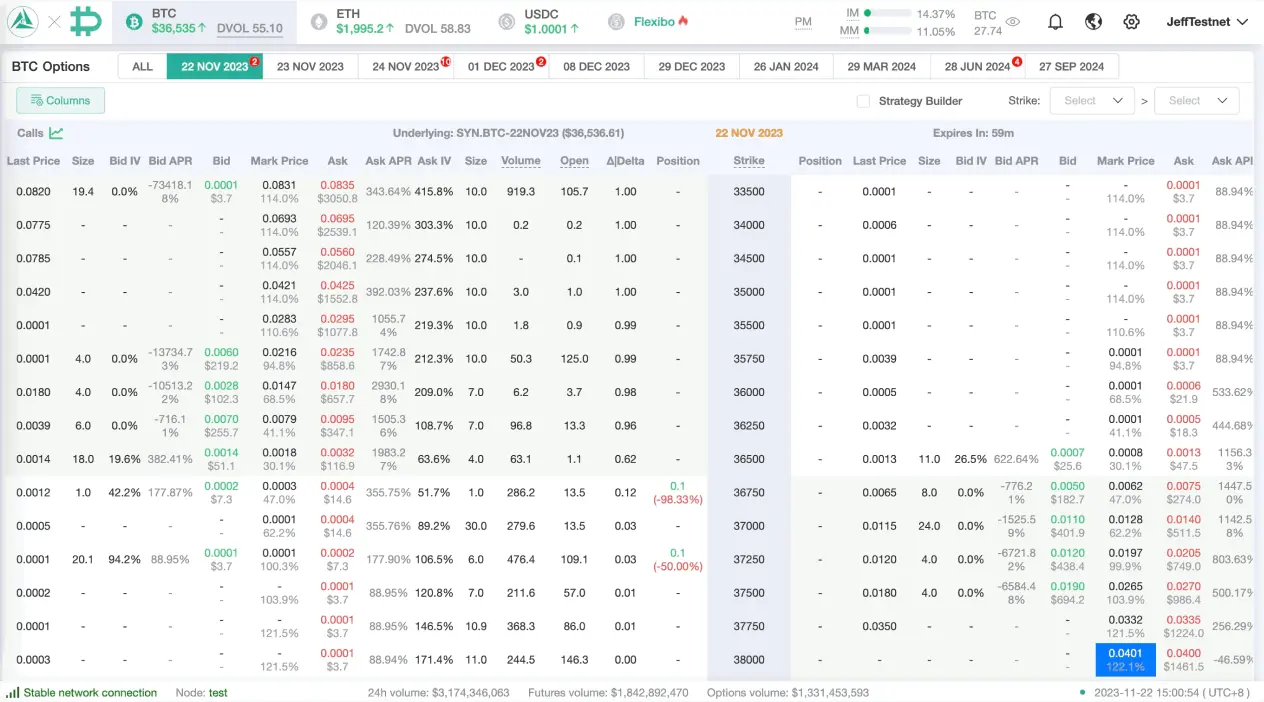
Orchestrating liquidity for substantial block trades demands a strategic framework that transcends basic order routing. Institutions prioritize methods enabling discreet engagement with multiple counterparties, minimizing the potential for market signaling. The Request for Quote (RFQ) protocol stands as a cornerstone in this endeavor, facilitating bilateral price discovery for complex or illiquid instruments.
This structured inquiry mechanism allows a principal to solicit executable prices from a curated network of dealers, all while maintaining control over information dissemination. A robust RFQ system supports high-fidelity execution for multi-leg spreads, ensuring that the entire transaction receives optimal pricing and efficient settlement.
An effective RFQ system allows discreet, multi-dealer price discovery for complex block trades, ensuring optimal execution across various legs.
Off-book liquidity sourcing protocols extend the strategic reach of principals, enabling engagement with pools of capital that remain detached from public exchanges. These discreet channels become vital for instruments with limited on-exchange depth or for trades that demand absolute anonymity. Aggregated inquiries, where a platform consolidates interest from multiple principals without revealing individual identities, further enhance this capability.
This system-level resource management optimizes the search for suitable counterparties, transforming a fragmented liquidity landscape into a cohesive, actionable environment. The strategic interplay between various liquidity pools and smart routing algorithms determines the ultimate success of block execution.
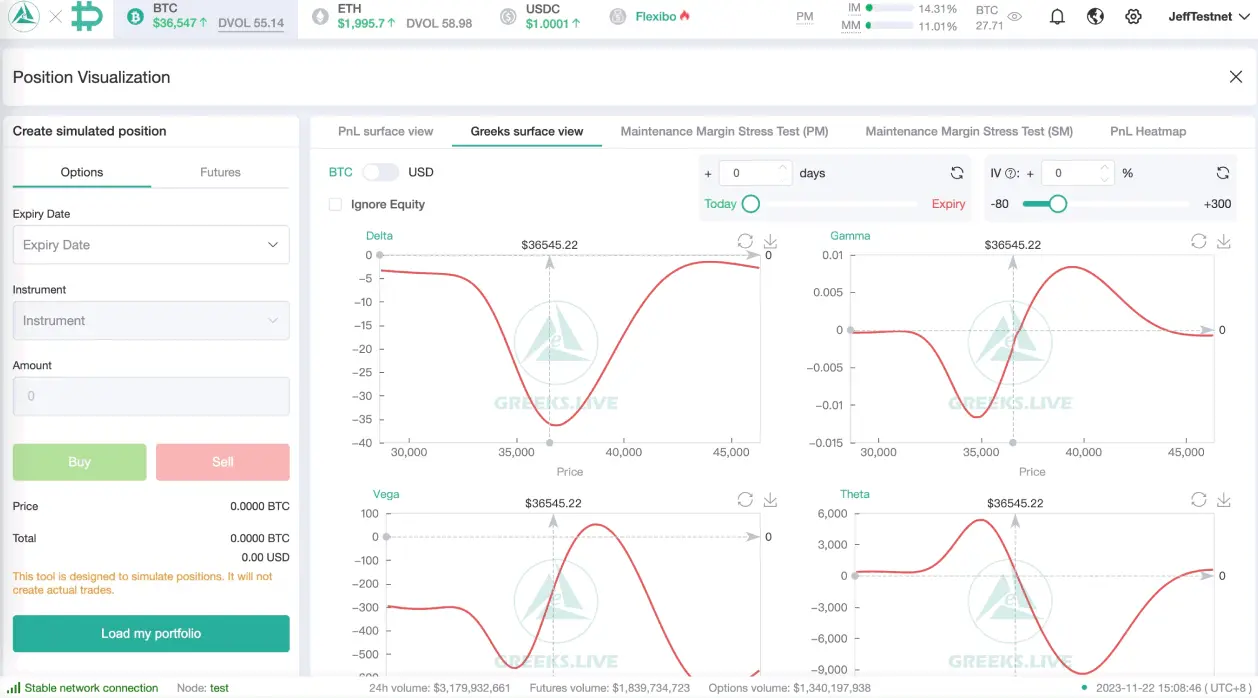
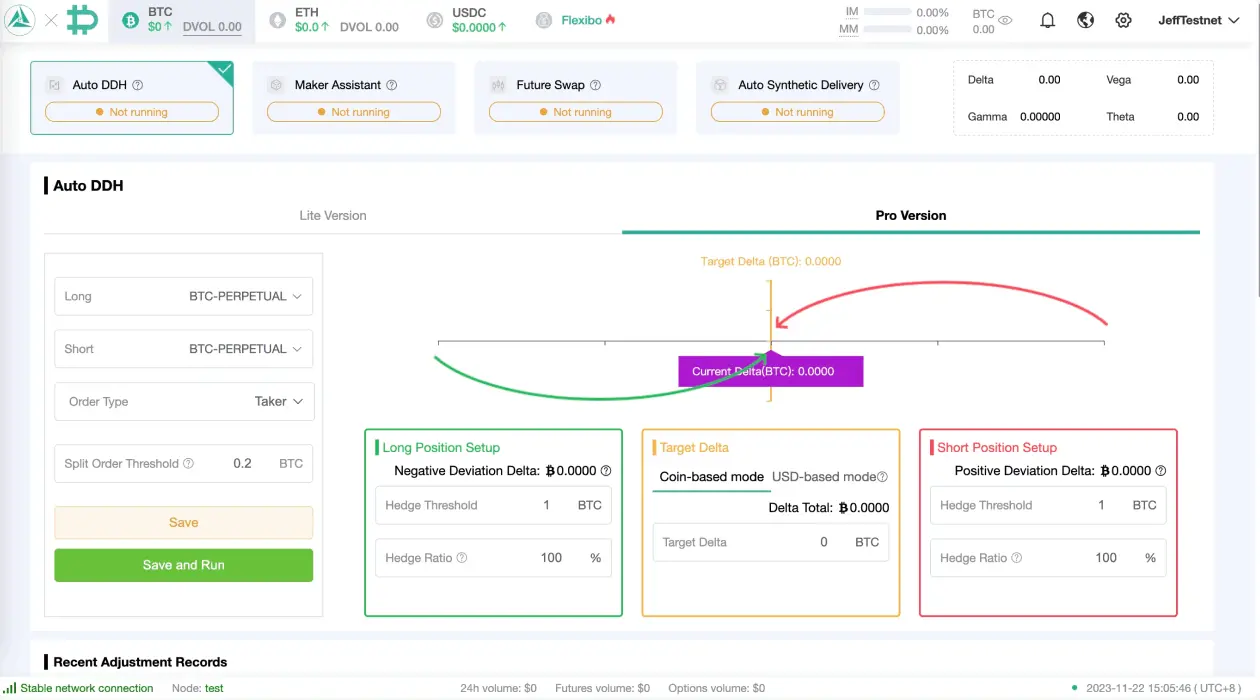
Advanced trading applications augment these core capabilities, offering sophisticated tools for risk optimization and automated execution. Consider the mechanics of synthetic knock-in options, which demand precise, real-time pricing and dynamic hedging. Platforms supporting these instruments incorporate Automated Delta Hedging (DDH) systems, continuously adjusting positions to neutralize market exposure.
Such advanced order types reflect a strategic commitment to managing complex risk parameters with algorithmic precision. This layer of intelligence allows principals to pursue nuanced strategies that would prove impractical or too risky through conventional means.
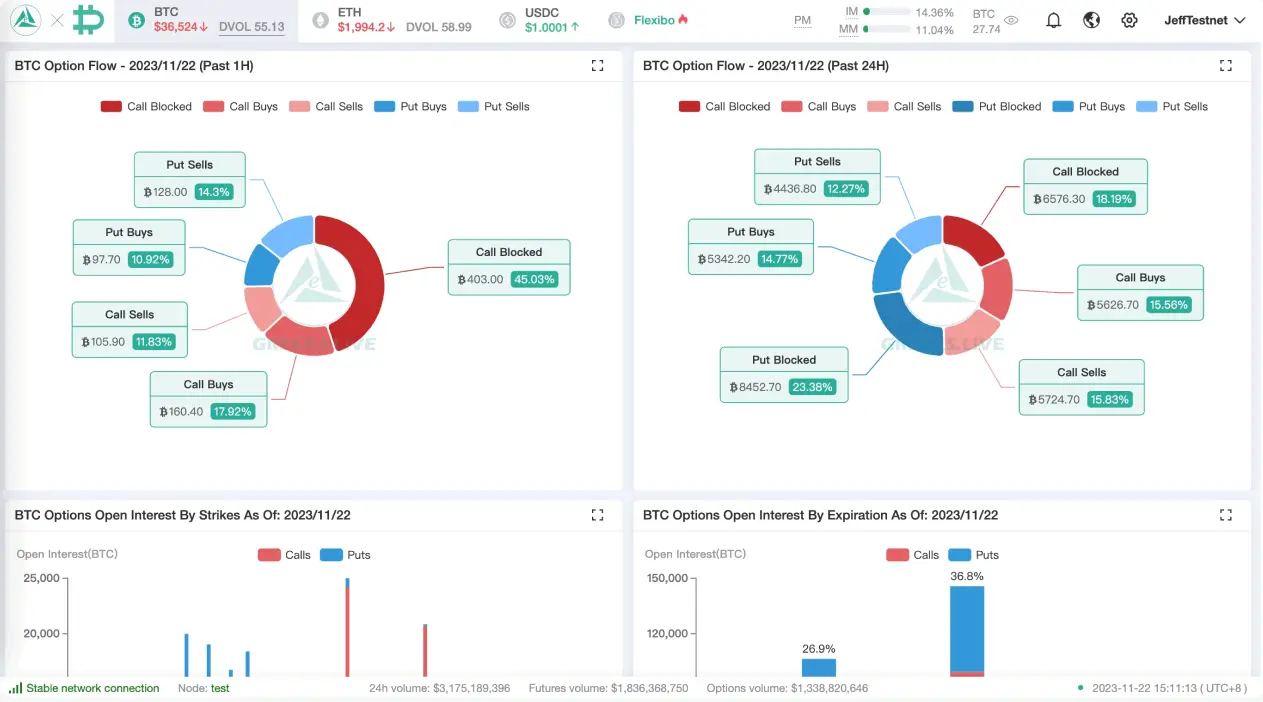
The intelligence layer within a high-fidelity platform offers real-time intelligence feeds, providing granular market flow data and predictive analytics. This continuous stream of information informs strategic decisions, from optimal timing of quote solicitations to identifying potential counterparty biases. Human oversight, often provided by system specialists, complements this algorithmic intelligence, particularly for highly bespoke or exceptionally large block trades.
These experts leverage their deep market intuition alongside data-driven insights, ensuring complex execution scenarios receive both technological precision and experienced judgment. The synthesis of human acumen and machine intelligence represents a powerful strategic advantage.
Minimizing slippage remains a paramount objective for institutional traders, directly impacting the profitability of a block trade. Platforms achieve this through a combination of ultra-low latency execution, intelligent routing to the deepest liquidity pools, and dynamic pricing models that account for market impact. Anonymous options trading further contributes to this objective, preventing front-running or adverse price movements that often accompany visible large orders.
The focus remains on securing best execution, a multi-dimensional metric encompassing price, speed, certainty, and minimal market disruption. Ultimately, the strategic architecture of these platforms empowers principals to navigate volatile markets with enhanced control and superior outcomes.
| Component | Strategic Function | Execution Advantage |
|---|---|---|
| RFQ Protocols | Discreet price discovery from multiple dealers | Minimized information leakage, competitive pricing |
| Off-Book Liquidity | Access to non-exchange capital pools | Reduced market impact for large volumes |
| Aggregated Inquiries | Consolidated principal interest | Enhanced counterparty discovery without identity disclosure |
| Automated Delta Hedging | Real-time risk neutralization for derivatives | Precise risk management for complex options |
| Real-Time Intelligence Feeds | Granular market flow data and analytics | Informed decision-making, predictive insights |


Operational Command Center
Achieving high-fidelity block trade execution demands an operational command center built upon a foundation of ultra-low latency infrastructure, cryptographic security, and intelligent order routing. This tripartite foundation empowers institutional participants to achieve execution alpha, preserving capital and mitigating information leakage. The execution phase of a block trade, particularly in digital asset derivatives, requires a meticulous blend of technological precision and operational foresight.
It moves beyond theoretical frameworks into the tangible realm of system performance, data integrity, and protocol adherence. A robust platform translates strategic objectives into measurable outcomes, ensuring that every millisecond and every data packet contributes to optimal execution.
High-fidelity execution platforms combine ultra-low latency, cryptographic security, and intelligent order routing for optimal alpha generation.

The Operational Playbook
The operational playbook for a high-fidelity block trade execution platform outlines a rigorous, multi-step procedural guide for implementation and utilization. It begins with comprehensive pre-trade analysis, where the platform ingests vast datasets encompassing historical liquidity, volatility profiles, and counterparty performance metrics. This initial data assimilation informs the selection of appropriate execution protocols, whether a multi-dealer RFQ, a dark pool interaction, or a combination thereof.
Configuring RFQ parameters involves specifying not only the instrument and size but also the desired response time, the number of solicited counterparties, and any specific spread requirements. This granular control allows principals to tailor each inquiry to the unique characteristics of the trade and prevailing market conditions.
Integrating the platform with existing Order Management Systems (OMS) and Execution Management Systems (EMS) constitutes a critical procedural step. This seamless data flow ensures that trade instructions originate accurately and execution results are reconciled efficiently. A well-designed integration layer leverages industry-standard protocols, often extending FIX (Financial Information eXchange) messaging with proprietary extensions for digital asset nuances. Post-trade reconciliation, another vital component of the playbook, involves automated matching of executed trades against expected outcomes, identifying any discrepancies swiftly.
This proactive approach to reconciliation mitigates operational risk and ensures the integrity of trade records. Managing counterparty relationships within the platform extends to performance tracking, enabling principals to continuously evaluate dealer responsiveness, pricing competitiveness, and fill rates. This data-driven assessment informs future counterparty selection, refining the liquidity network over time.
- Pre-Trade Analytics ▴ Ingest historical liquidity, volatility, and counterparty performance data to inform execution strategy.
- RFQ Parameter Configuration ▴ Define instrument, size, desired response time, number of solicited counterparties, and spread requirements for each inquiry.
- OMS/EMS Integration ▴ Establish seamless data flow using FIX protocol extensions for accurate instruction origination and efficient result reconciliation.
- Execution Protocol Selection ▴ Choose between multi-dealer RFQ, dark pool interaction, or hybrid models based on pre-trade analysis.
- Real-Time Monitoring ▴ Continuously observe market conditions, counterparty responses, and platform performance during execution.
- Post-Trade Reconciliation ▴ Automate matching of executed trades against expected outcomes to identify and resolve discrepancies promptly.
- Counterparty Performance Tracking ▴ Monitor dealer responsiveness, pricing, and fill rates to refine future liquidity sourcing.

Quantitative Modeling and Data Analysis
Quantitative modeling forms the analytical bedrock of high-fidelity block trade execution, providing the necessary tools to measure and optimize performance. Execution quality metrics, such as VWAP slippage and market impact costs, are continuously calculated and analyzed. VWAP (Volume-Weighted Average Price) slippage measures the difference between the actual execution price and the VWAP over the trade’s duration, quantifying the cost of execution relative to the market’s average price.
Market impact cost quantifies the price movement directly attributable to the trade itself, an unavoidable consequence of liquidity consumption. These metrics are fundamental for evaluating the effectiveness of execution algorithms and counterparty selection.
Adverse selection, a critical concern in block trading, measures the cost incurred when trading with more informed counterparties. This can be modeled using proprietary algorithms that analyze bid-ask spreads, order book dynamics, and trade flow imbalances. The effective spread, which accounts for both the quoted spread and any price improvement or degradation during execution, offers a more realistic measure of trading costs. Information leakage, while difficult to quantify directly, can be inferred through sudden price movements or increased volatility following a quote request.
Predictive analytics for liquidity assessment leverage machine learning models to forecast available liquidity and optimal timing for trade initiation, minimizing market impact. These models integrate real-time market data, historical patterns, and macro-economic indicators to generate probabilistic liquidity maps.
| Metric | Calculation Basis | Impact on Execution |
|---|---|---|
| VWAP Slippage | (Executed Price – VWAP) / VWAP | Direct measure of execution cost relative to market average |
| Market Impact Cost | Price change attributable to trade volume | Quantifies price perturbation from liquidity consumption |
| Adverse Selection | Cost of trading against informed participants | Erosion of alpha from information asymmetry |
| Effective Spread | Realized cost per share (quoted spread + price improvement/degradation) | Comprehensive measure of total trading cost |
| Information Leakage | Inferred from anomalous price/volatility shifts post-quote | Potential for front-running and adverse price action |

Predictive Scenario Analysis
Consider a hypothetical scenario involving a large institutional client seeking to execute a block trade of 1,000 Bitcoin (BTC) options straddles, specifically a BTC 70,000-strike call and put expiring in one month, during a period of heightened market volatility. The principal’s objective centers on securing a competitive price for the straddle, minimizing market impact, and maintaining discretion throughout the execution process. The platform initiates its pre-trade analytics module, which rapidly processes historical volatility data for BTC options, current order book depth across various exchanges, and recent block trade activity. This analysis reveals that while on-exchange liquidity for single-leg options exists, combining both legs into a single, large straddle block on a public venue would likely incur significant slippage and signal market intent, thereby degrading the execution price.
The platform’s intelligence layer suggests a multi-dealer RFQ protocol as the optimal initial approach. The system generates a discreet inquiry for the BTC straddle block, simultaneously soliciting quotes from five pre-qualified, high-performance liquidity providers known for their deep crypto options capabilities. These providers receive the request via a secure, low-latency communication channel, ensuring minimal latency in quote delivery. The RFQ parameters are precisely configured ▴ a minimum quantity of 500 straddles, a maximum acceptable spread deviation of 5 basis points from the implied volatility midpoint, and a 30-second response window.
Within seconds, four dealers respond with executable quotes, ranging from a premium of 0.035 BTC to 0.037 BTC per straddle, with varying sizes available at each price point. The platform’s smart trading algorithm immediately aggregates these responses, identifying the optimal combination of quotes to fulfill the desired quantity at the best blended price.
One dealer offers 600 straddles at 0.035 BTC, while another offers 400 straddles at 0.0355 BTC. The algorithm identifies this combination as the most favorable. However, the system also detects a slight uptick in implied volatility for short-dated BTC options across public markets in the preceding five seconds, indicating potential adverse selection if the execution proceeds immediately. The system specialist, observing the real-time intelligence feed, recognizes this subtle shift.
Exercising human oversight, the specialist intervenes, pausing the automatic execution and initiating a re-quote with a slightly adjusted maximum spread deviation, targeting a tighter price for the remaining 400 straddles. This manual override, informed by both algorithmic insight and market intuition, prevents potential slippage from the detected volatility shift. Two dealers respond to the re-quote, with one offering the remaining 400 straddles at 0.0352 BTC, an improvement of 0.0003 BTC per straddle compared to the previous best quote for that portion. The execution proceeds, fulfilling the entire 1,000 straddle block. The total blended premium paid is significantly better than if the trade had been executed blindly at the initial best aggregated price, or worse, if attempted on a public exchange.
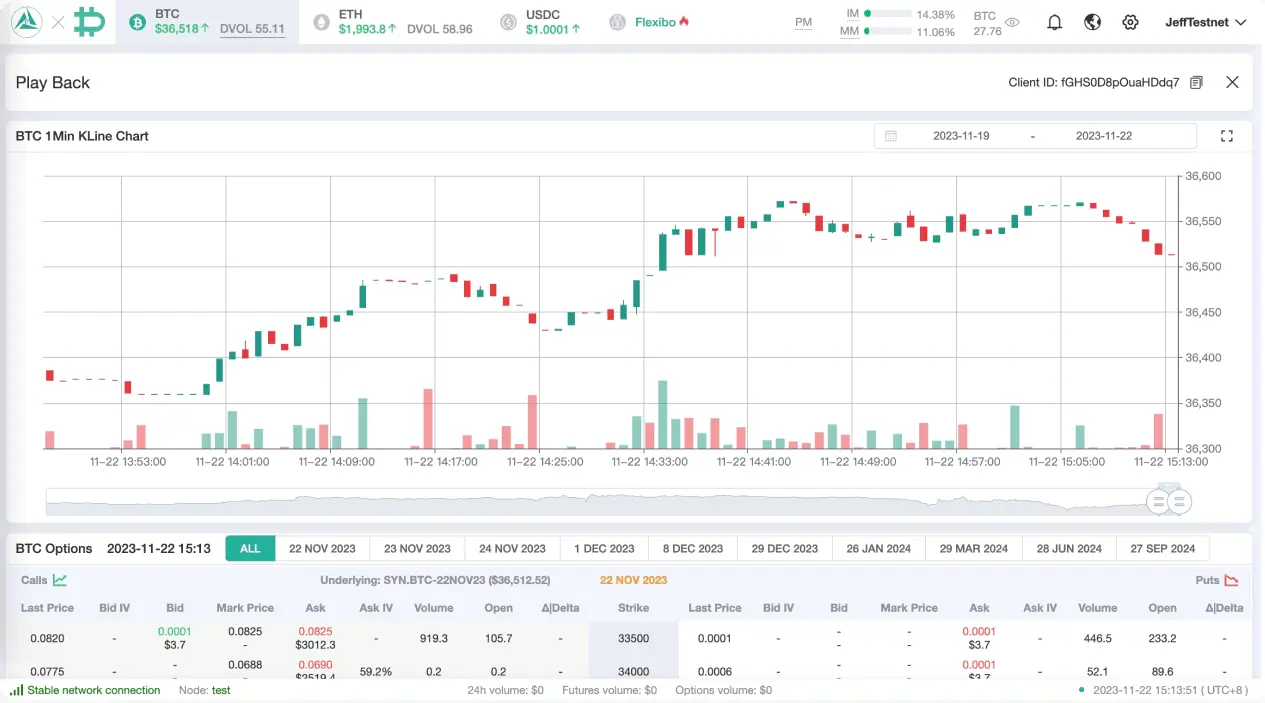
Post-trade analysis immediately commences. The platform calculates the VWAP slippage, comparing the realized execution price against the theoretical VWAP for a similar straddle during the execution window. The market impact cost is quantified by observing the subsequent price action in the underlying BTC options market. Crucially, the information leakage metric, inferred from any unusual order book movements or volatility spikes, remains negligible, validating the discreet nature of the RFQ protocol.
The platform then automatically initiates the Automated Delta Hedging (DDH) for the newly acquired straddle position. This involves dynamically trading underlying BTC futures or spot to maintain a neutral delta exposure, minimizing directional risk from the options position. The DDH system continuously monitors the delta of the portfolio, executing micro-trades in the underlying assets across various liquidity venues to rebalance the hedge. This iterative process, guided by quantitative models and executed by low-latency algorithms, ensures that the principal’s overall risk profile remains within predefined parameters, even amidst ongoing market fluctuations. This comprehensive, integrated approach underscores the power of a high-fidelity platform in managing complex, large-scale derivative positions.

System Integration and Technological Architecture
The technological architecture underpinning a high-fidelity block trade execution platform represents a sophisticated amalgamation of distributed systems, ultra-low latency components, and robust data management. At its core resides a low-latency messaging fabric, often built upon high-performance middleware solutions, ensuring near-instantaneous communication between internal modules and external counterparties. This fabric facilitates the exchange of FIX protocol messages, which remain the lingua franca of institutional trading, albeit with specialized extensions for digital asset derivatives. These extensions handle the unique symbology, settlement mechanisms, and collateral requirements inherent in crypto options and futures.
API endpoints provide standardized interfaces for seamless integration with client OMS/EMS systems, allowing principals to transmit trade instructions and receive real-time execution updates programmatically. This interoperability is paramount for embedding the platform within existing institutional workflows.
A resilient data pipeline forms another critical architectural pillar, ingesting, transforming, and storing vast quantities of market data, trade data, and counterparty performance metrics. This pipeline leverages distributed databases and real-time streaming analytics engines, enabling immediate processing of incoming information. The real-time analytics engine, a powerful computational module, applies quantitative models for liquidity assessment, market impact prediction, and adverse selection detection. This continuous analytical feedback loop empowers the platform’s intelligent order routing algorithms, which dynamically adapt to prevailing market conditions.
Cryptographic security protocols are embedded at every layer of the architecture, from secure communication channels utilizing TLS (Transport Layer Security) to robust key management systems for digital asset custody. These measures safeguard sensitive trade information and protect against unauthorized access or manipulation.
The platform’s distributed ledger technology (DLT) integration facilitates efficient and transparent settlement of digital asset block trades. While the execution occurs off-chain to preserve discretion, the final settlement leverages the immutability and auditability of DLT. This provides a clear, verifiable record of ownership transfer and collateral adjustments, streamlining post-trade processes. The interplay between the OMS, EMS, and proprietary execution algorithms is meticulously engineered.
The OMS manages the overall order lifecycle, while the EMS focuses on optimizing execution. Proprietary algorithms, residing within the EMS or as standalone modules, implement advanced strategies such as VWAP, TWAP (Time-Weighted Average Price), and various forms of liquidity-seeking algorithms tailored for block orders. These algorithms incorporate machine learning techniques to learn from past executions, continuously refining their parameters for improved performance. The entire system is designed for high availability and fault tolerance, with redundant components and disaster recovery mechanisms ensuring continuous operation even under extreme market stress. This holistic approach to system design underscores the commitment to high-fidelity execution, providing principals with an unparalleled operational advantage.

References
- O’Hara, Maureen. “Market Microstructure Theory.” Blackwell Publishers, 1995.
- Harris, Larry. “Trading and Exchanges ▴ Market Microstructure for Practitioners.” Oxford University Press, 2003.
- Lehalle, Charles-Albert. “Optimal Trading Strategies ▴ Mean-Reverting Price and Permanent Market Impact.” SIAM Journal on Financial Mathematics, 2011.
- Foucault, Thierry, Pagano, Marco, and Roell, Ailsa. “Market Liquidity ▴ Theory, Evidence, and Policy.” Oxford University Press, 2013.
- Mendelson, Haim. “Consolidation, Fragmentation, and Market Performance.” Journal of Financial Economics, 1987.
- Madhavan, Ananth. “Market Microstructure ▴ A Practitioner’s Guide.” Oxford University Press, 2007.
- Chordia, Tarun, Roll, Richard, and Subrahmanyam, Avanidhar. “Order Imbalance, Liquidity, and Market Returns.” Journal of Financial Economics, 2002.
- Gomber, Peter, et al. “A Taxonomy of Financial Trading Systems.” Journal of Financial Markets, 2011.
- Cont, Rama. “Volatility and Correlation ▴ From New Data to New Models.” Cambridge University Press, 2007.

Strategic Intelligence Synthesis
Understanding the intricate requirements for high-fidelity block trade execution platforms invites introspection into one’s own operational framework. The knowledge presented herein serves not as a static blueprint, but as a dynamic component within a larger system of intelligence. Every principal’s pursuit of superior execution quality demands continuous adaptation and a commitment to leveraging technological advancements. This systemic perspective reinforces the notion that a decisive edge in financial markets arises from an unparalleled operational framework.
Consider how these architectural principles and strategic insights might redefine the boundaries of what your current systems can achieve. The path to mastering complex market systems begins with a profound appreciation for their underlying mechanics and the tools that unlock their potential.

Glossary

Market Microstructure

Market Impact

Information Leakage

Block Trades

Adverse Selection

Block Trade

Automated Delta Hedging

Real-Time Intelligence Feeds

Anonymous Options Trading

Best Execution

High-Fidelity Block Trade Execution

Digital Asset

High-Fidelity Block Trade Execution Platform

Executed Trades against Expected Outcomes

Fix Protocol

High-Fidelity Block Trade

Smart Trading

Block Trade Execution

High-Fidelity Block