

Concept
The intricate dance of institutional capital, particularly within the realm of large-scale block trades, navigates a treacherous landscape where the silent specter of information leakage perpetually looms. For a principal seeking to deploy substantial capital, the integrity of execution hinges upon a sophisticated understanding of how pre-trade intelligence can subtly, yet decisively, erode value. This is a challenge deeply embedded within the market’s very fabric, influencing price discovery and the equitable distribution of market opportunities.
Information leakage, in the context of delayed block trade reporting, refers to the premature dissemination or inference of a forthcoming large transaction before its official disclosure. This can occur through various channels, including the observation of preparatory trading activity, the strategic inference from related market movements, or even through less scrupulous intermediaries. The very nature of a block trade ▴ its size and potential market impact ▴ renders it a prime target for opportunistic participants. Once the market gains even a nascent understanding of an impending large order, the equilibrium shifts, often to the detriment of the initiating party.
Information leakage in block trading erodes value by allowing predatory actors to pre-position against large, undisclosed orders.
Consider the operational realities of executing a significant block. The process often involves multiple counterparties, a period of price discovery, and a deliberate attempt to minimize market footprint. Any signal, however faint, indicating the presence of a large buyer or seller, can trigger a cascade of adverse reactions.
This pre-disclosure activity frequently manifests as abnormal returns generated in off-hours block trading, a clear indication that certain participants are acting on privileged insights. Such informed trading capitalizes on the informational asymmetry inherent in these scenarios, creating a distinct disadvantage for the institutional investor seeking to transact with minimal disruption.
The systemic implications extend beyond immediate transaction costs. Information leakage distorts the natural price formation process, making it less reflective of fundamental value and more susceptible to transient, information-driven speculation. An early-informed trader possesses the unique ability to exploit this private intelligence twice ▴ initially upon receiving the leaked signal, and subsequently at the time of public announcement, by accurately gauging the extent to which their information has already influenced the market price. This dual exploitation underscores the profound impact on overall market efficiency, transforming what should be a robust mechanism for capital allocation into a theater for strategic maneuvering.
The foundational principles of market microstructure underscore this vulnerability. Markets are not merely arenas where supply meets demand; they are complex systems governed by specific trading mechanisms, order types, and information flows. Within this intricate framework, the presence of private information held by a subset of participants introduces a structural imbalance.
This imbalance directly impacts liquidity, widens bid-ask spreads, and ultimately diminishes the quality of execution for the principal who initiated the block trade. The objective of achieving best execution ▴ a cornerstone of institutional trading ▴ becomes compromised when the market anticipates the direction of a large flow before it fully materializes.


Strategy
Navigating the perilous currents of information leakage demands a strategic framework that transcends simplistic execution. A robust approach centers on mitigating pre-trade transparency and intelligently managing market impact, thereby preserving the integrity of capital deployment. The core objective involves deploying mechanisms that create a controlled environment for large transactions, effectively shielding the intent of the principal from opportunistic market participants. This strategic imperative calls for a multi-layered defense, integrating advanced protocols and an acute awareness of market dynamics.
A primary strategic defense against information leakage lies within the sophisticated application of Request for Quote (RFQ) mechanics. For large, illiquid, or complex trades, bilateral price discovery offers a distinct advantage over public order books. Targeted RFQ protocols enable an institutional investor to solicit competitive quotes from a select group of liquidity providers, often without revealing the full size or specific details of the order to the broader market.
This controlled dissemination of information is paramount. The efficacy of an RFQ system rests on its ability to facilitate high-fidelity execution for multi-leg spreads and discreet protocols, such as private quotations, which limit the exposure of the order to a narrow, trusted counterparty network.
Strategic RFQ protocols and advanced order types are vital in controlling information flow and minimizing adverse selection.
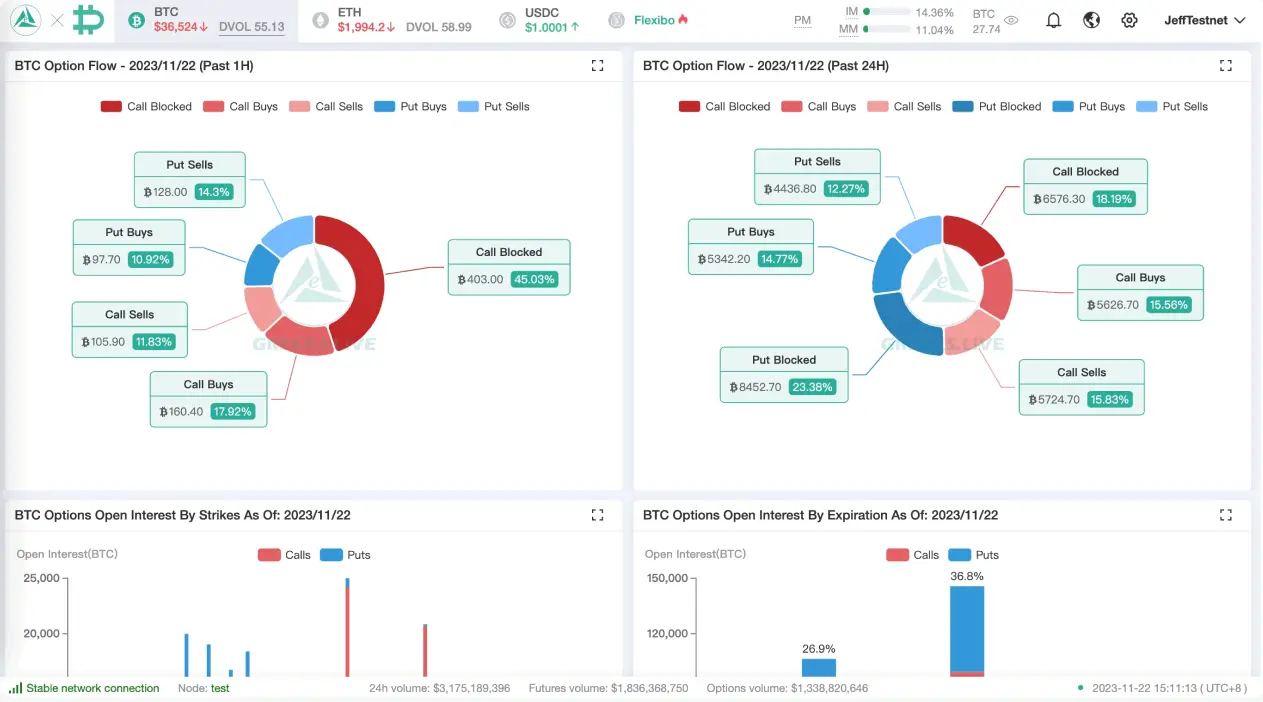
The intelligence layer supporting these strategic decisions is equally critical. Real-time intelligence feeds provide invaluable market flow data, offering insights into prevailing liquidity conditions and potential predatory activity. Such feeds allow a principal to gauge market receptivity before initiating a block, adapting the timing and methodology of execution to prevailing conditions.
Expert human oversight, provided by system specialists, further enhances this layer, translating complex data into actionable intelligence. This blend of quantitative insight and experienced judgment forms a formidable barrier against the subtle cues that can lead to leakage.
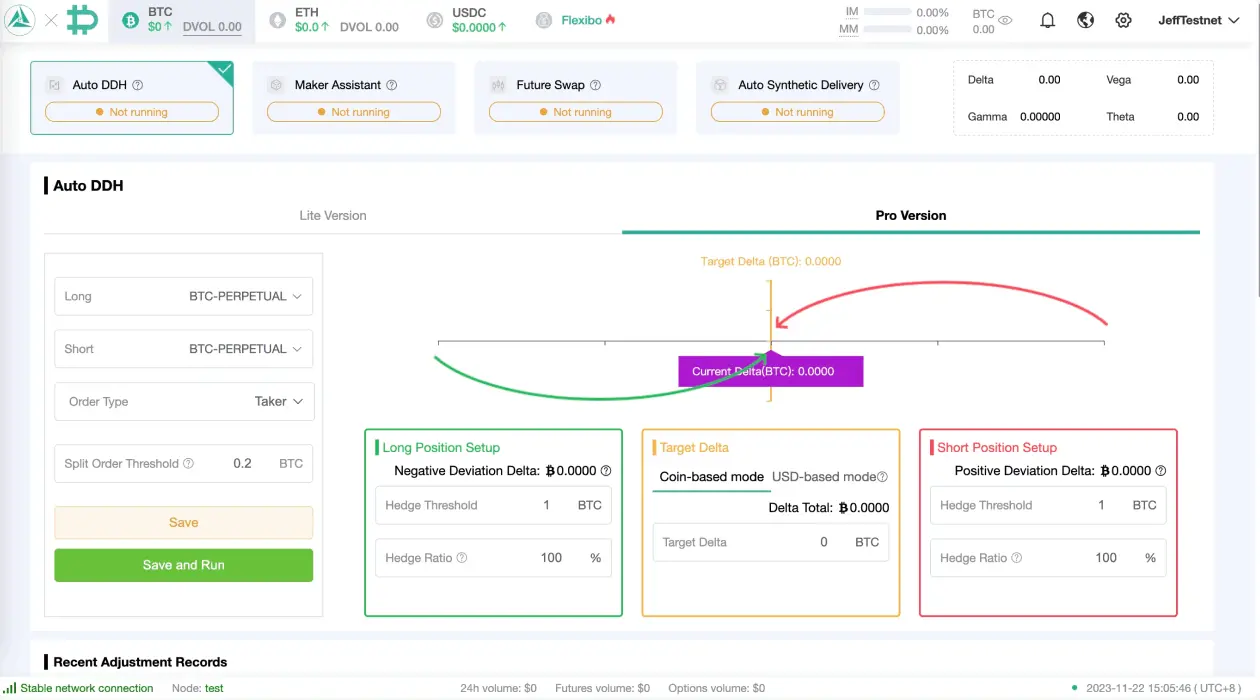
Advanced trading applications further fortify a principal’s strategic position. These include the deployment of sophisticated order types and algorithmic strategies designed to minimize footprint and obscure true intent. Techniques such as Automated Delta Hedging (DDH) for options blocks, or smart routing algorithms that break down large orders into smaller, less detectable components across multiple venues, are essential.
The strategic intent here involves presenting a fragmented, ambiguous signal to the market, making it significantly harder for algorithms or human traders to infer the underlying block trade. The focus shifts from outright concealment to intelligent obfuscation, where the trade’s true nature becomes discernable only after execution, or through delayed reporting mechanisms.
Considering the broader market structure, a principal must evaluate the trade-offs associated with different execution venues. While lit markets offer transparency, they simultaneously expose orders to the risk of front-running. Dark pools and bilateral OTC channels, by contrast, prioritize discretion, albeit often at the cost of immediate price discovery. The strategic choice of venue, therefore, becomes a calculated decision based on the specific characteristics of the block, prevailing market liquidity, and the acceptable level of information exposure.
Below is a comparison of strategic considerations for managing information leakage in block trades ▴
| Strategic Element | Primary Benefit | Leakage Mitigation | Considerations |
|---|---|---|---|
| Multi-dealer Liquidity via RFQ | Competitive pricing, deep liquidity access | Limited counterparty exposure, private negotiation | Counterparty selection, protocol adherence |
| Anonymous Options Trading | Discretion in derivatives markets | Obscures trade intent and size | Requires specialized platforms, trust in anonymity |
| Smart Trading within RFQ | Optimized execution, reduced slippage | Algorithmic order fragmentation, dynamic pricing | Latency, market impact modeling accuracy |
| Automated Delta Hedging | Systematic risk management for options | Minimizes secondary market footprint | Model risk, execution venue integration |
These strategic pillars collectively form a formidable operational architecture designed to preserve execution quality in an environment rife with informational asymmetries. They recognize that in modern financial markets, an execution edge is not found in speed alone, but in the intelligent deployment of discretion and analytical rigor. The proactive management of information flow stands as a cornerstone for institutional principals seeking to maintain alpha in their large-scale transactions.


Execution
The meticulous execution of a block trade, particularly when confronted with the inherent risks of information leakage, demands a procedural precision akin to a finely tuned mechanical system. Every step, from initial inquiry to final settlement, must align with the overarching goal of preserving price integrity and minimizing adverse market impact. This section delves into the operational protocols that underpin superior execution quality, providing a granular view of the mechanisms employed to counteract information asymmetry in delayed block trade reporting.
A critical operational protocol involves the careful selection and engagement of liquidity providers through a robust RFQ process. Instead of broad market solicitation, a principal engages a curated panel of dealers known for their deep liquidity and commitment to discreet execution. This approach, sometimes termed off-book liquidity sourcing, ensures that the initial inquiry remains confined to a limited, trusted ecosystem. The request itself is meticulously structured, often employing aggregated inquiries for multi-leg options spreads or complex volatility blocks, where the overall exposure is presented in a manner that obscures individual component sizes or directional biases.
Precision in execution involves controlled information release and sophisticated algorithmic tools to manage market footprint.
The timing of execution also plays a pivotal role. Utilizing real-time market intelligence, system specialists strategically time the release of RFQs to coincide with periods of optimal liquidity or reduced market volatility, minimizing the probability of significant price movements being triggered by the inquiry itself. This involves a dynamic assessment of order book depth, implied volatility surfaces, and correlated asset movements. For instance, a Bitcoin Options Block might be executed during off-peak hours for a particular exchange, where the liquidity profile, while thinner, may also be less prone to predatory front-running activity.
The implementation of Smart Trading within RFQ systems represents a significant advancement in execution quality. These systems are not static; they dynamically adjust order placement and price negotiation strategies based on live market feedback. They can employ algorithms to slice a large block into smaller, less detectable child orders, which are then strategically routed to various venues or executed against the most competitive quotes received via RFQ. This algorithmic approach minimizes slippage, a direct consequence of information leakage, by executing trades with minimal deviation from the desired price.
Consider the systematic management of risk associated with large positions. For an ETH Collar RFQ, the immediate hedging of the resultant delta exposure is paramount. Automated Delta Hedging (DDH) systems are deployed, executing offsetting trades in the underlying asset or related derivatives as soon as the block trade is confirmed.
This minimizes the open risk window during which an informed market participant could exploit knowledge of the block’s directional bias. The integration of these hedging mechanisms directly into the execution workflow ensures seamless risk transfer and further insulates the principal from adverse price movements post-trade.
The impact of delayed trade reporting, a regulatory feature in many markets, provides a crucial layer of protection. While immediate reporting enhances market transparency, it can also incentivize front-running, particularly for large, impactful trades. Delayed reporting, when implemented with appropriate safeguards, allows dealers to offset their risks before the full details of a large trade become public, thereby mitigating the negative impact on liquidity and preserving the execution quality for the initiating party. This regulatory nuance, often overlooked, forms a critical component of the operational framework for block trades.
Here is a detailed breakdown of operational considerations for minimizing information leakage ▴
- Pre-Trade Analytics ▴ Conduct exhaustive liquidity and volatility analysis before initiating an RFQ. This involves assessing historical market impact for similar size trades and identifying optimal trading windows.
- Counterparty Vetting ▴ Maintain a rigorous selection process for liquidity providers, prioritizing those with a proven track record of discreet execution and competitive pricing for block trades.
- RFQ Structuring ▴ Design RFQs to obscure the full trade intent. This includes using generic instrument descriptions, requesting quotes for multi-leg strategies rather than single options, and varying inquiry sizes.
- Execution Algorithms ▴ Utilize advanced algorithms within the RFQ framework to manage order placement. This includes dynamic order sizing, iceberg orders, and smart routing to minimize market footprint.
- Real-Time Monitoring ▴ Implement continuous monitoring of market conditions, including price movements in related instruments and overall market depth, to detect any potential pre-leakage activity.
- Post-Trade Analysis (TCA) ▴ Perform thorough Transaction Cost Analysis to quantify the actual impact of execution and identify any unexpected slippage or adverse selection that could indicate leakage.
The cumulative effect of these disciplined operational protocols transforms the execution of a delayed block trade from a speculative endeavor into a controlled, high-fidelity process. It acknowledges the market’s inherent complexities and deploys a sophisticated array of tools and strategies to achieve superior execution quality, even in the face of significant informational challenges.

References
- Chague, Fernando D. Bruno Giovannetti, and Bernard Herskovic. “Information Leakage From Short Sellers.” NBER Working Paper Series, 2020.
- Chakrabarty, Bidisha, Asli Ascioglu, and Andrei Shkilko. “Information Leakages and Learning in Financial Markets.” Edwards School of Business, 2011.
- Gemmill, Gordon. “Reporting delays and the information content of off‐market trades.” International Review of Financial Analysis, 2022.
- Kim, Taehyun, and Hyun-Ah Lee. “Effect of pre-disclosure information leakage by block traders.” IDEAS/RePEc, 2020.
- Li, Ada, John Jackson, and Patricia Zobel. “The Impact of Trade Reporting on the Interest Rate Derivatives Market.” Federal Reserve Bank of New York Staff Reports, 2012.
- Madhavan, Ananth. “Market Microstructure ▴ A Practitioner’s Guide.” Oxford University Press, 2000.
- O’Hara, Maureen. “Market Microstructure Theory.” Blackwell Publishers, 1995.
- Schwert, G. William. “Why does stock market volatility change over time?” The Journal of Finance, 1989.
- Spiegel, Matthew. “Information Leakage and Market Efficiency.” Princeton University, 2004.

Reflection
The relentless pursuit of execution quality in the intricate domain of delayed block trade reporting ultimately brings one to a singular, undeniable truth ▴ mastery stems from understanding the system’s vulnerabilities. The insights gained regarding information leakage, its insidious mechanisms, and the strategic countermeasures available are not mere academic constructs; they represent the foundational elements of a robust operational framework. Principals must consider how their current processes either reinforce or compromise this critical defense. The journey toward superior execution involves a continuous refinement of protocols, a deepening of analytical capabilities, and an unwavering commitment to discretion.
This exploration serves as a reminder that the market, in its ceaseless quest for information, will always seek out the path of least resistance. It falls upon the institutional operator to construct a system so resilient, so intelligently designed, that it renders the cost of extracting proprietary information prohibitively high. The real advantage emerges not from simply avoiding leakage, but from systematically engineering an environment where the very attempt becomes a predictable and manageable risk.
The future of high-fidelity execution belongs to those who view market dynamics through the lens of a systems architect, constantly optimizing, adapting, and fortifying their operational perimeter. This is a battle fought not with brute force, but with precision and foresight.

Glossary

Information Leakage

Price Discovery

Delayed Block Trade Reporting

Market Impact

Market Microstructure

Block Trade

Rfq Protocols

Real-Time Intelligence

Execution Quality

Information Asymmetry

Delayed Block Trade

Trade Reporting