

Navigating Directional Exposure in Large Trades
Engaging with the intricate mechanics of institutional digital asset derivatives demands a precise understanding of risk transference. When executing block trades, the sheer volume of an order inherently introduces a distinct set of market exposures, primarily directional price risk. Automated delta hedging strategies provide a systemic countermeasure to these pervasive forces, maintaining a portfolio’s equilibrium against underlying asset price movements. This operational imperative extends beyond simple position management; it represents a foundational element in preserving capital efficiency and achieving superior execution outcomes for principals navigating volatile markets.
Delta, a fundamental Greek in options pricing, quantifies an option’s sensitivity to a dollar change in the underlying asset’s price. Call options exhibit positive delta values, typically ranging from zero to one, indicating their price increases with an upward movement in the underlying. Conversely, put options possess negative delta values, spanning from zero to negative one, reflecting an inverse relationship with the underlying asset’s price.
The core objective of delta hedging involves establishing a delta-neutral position, where the aggregate delta exposure across a portfolio sums to zero. This mathematical construct effectively immunizes the portfolio from infinitesimal price shifts in the underlying asset, creating a protective shield against directional market fluctuations.
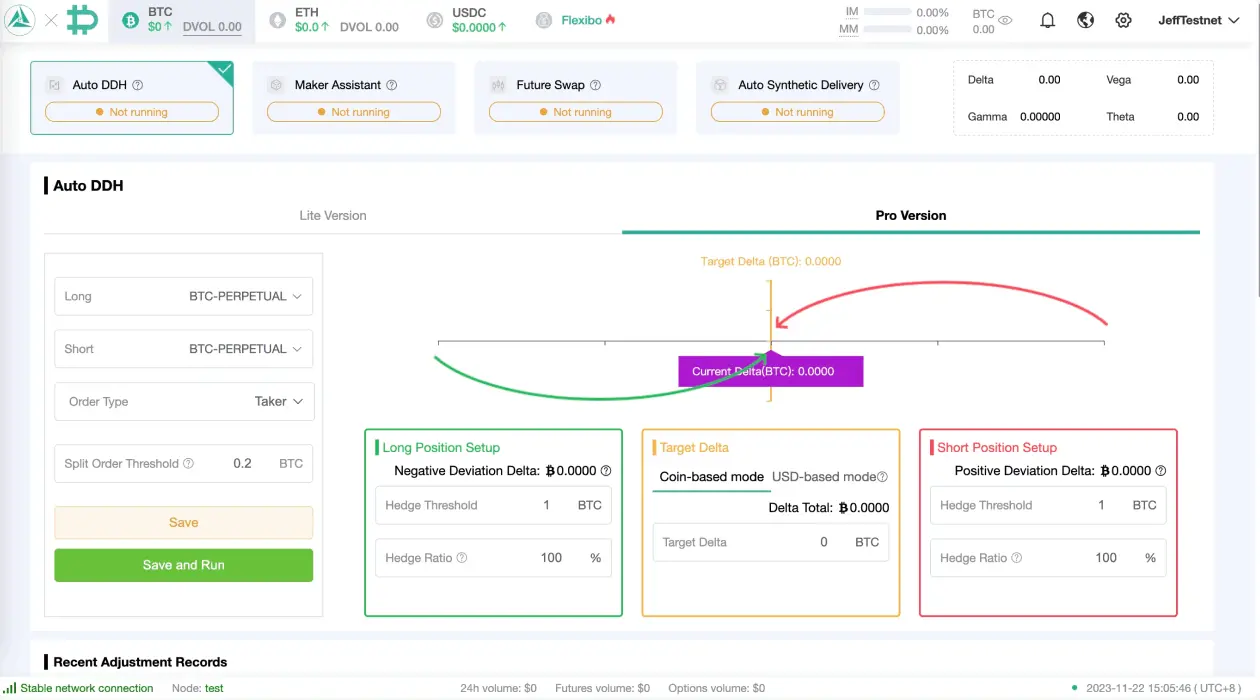
Automated delta hedging establishes portfolio equilibrium, shielding large option positions from underlying asset price shifts.
Manual delta hedging, while conceptually sound, presents substantial operational challenges, particularly in fast-moving digital asset markets. The continuous rebalancing required to maintain delta neutrality, especially as market conditions evolve and option deltas dynamically adjust, can be both labor-intensive and susceptible to human error. Automated systems address these inherent limitations, executing precise adjustments with speed and consistency.
These platforms continuously monitor real-time market data, calculate updated delta values, and initiate trades in the underlying asset or other derivatives to restore neutrality. This systematic approach minimizes the risk of slippage and ensures more effective risk mitigation, a critical advantage for institutional participants.
Block trades, characterized by their substantial size, amplify the potential for market impact and adverse price movements. Initiating a large directional options position without a robust hedging framework can expose a firm to considerable downside risk if the market moves unfavorably before the trade is fully executed or appropriately hedged. Automated delta hedging mitigates this risk by integrating hedging actions directly into the execution workflow.
This integration allows for near-instantaneous rebalancing, reducing the window of directional exposure that large, illiquid positions naturally create. The efficacy of such a system relies on its capacity for rapid data processing and high-fidelity trade execution, ensuring that the intended delta neutrality is consistently maintained even under duress.
Beyond merely offsetting directional risk, automated delta hedging contributes to capital efficiency. By stabilizing the portfolio’s value against minor market fluctuations, it reduces the need for excessive margin calls that could arise from unhedged directional bets. This enables a more predictable capital allocation strategy, allowing institutional firms to deploy resources more strategically across various trading opportunities. The sophisticated algorithms powering these systems can also optimize transaction costs associated with frequent rebalancing, finding liquidity at favorable prices and minimizing market impact from their own hedging activities.


Strategic Frameworks for Risk Containment
The strategic deployment of automated delta hedging extends beyond a reactive defense mechanism; it represents a proactive approach to managing complex options portfolios, particularly those involving block trades. A well-conceived strategy acknowledges the dynamic interplay of market microstructure, transaction costs, and volatility dynamics. Institutional traders prioritize strategies that balance precision in hedging with the practicalities of execution, aiming for an optimal risk-adjusted outcome. This involves a careful selection of hedging frequency, underlying instruments, and the incorporation of advanced risk parameters.
One fundamental strategic choice involves the frequency of rebalancing. Dynamic delta hedging, a cornerstone of options risk management, mandates frequent adjustments to the hedge as the underlying asset’s price, time to expiration, and volatility change. Automated systems excel in this domain, executing these adjustments with a speed and consistency unattainable through manual intervention. This continuous rebalancing ensures the portfolio remains as close to delta-neutral as possible, thereby minimizing exposure to market movements.
However, this precision comes with associated transaction costs. A strategic framework carefully considers the trade-off between hedging accuracy and the cumulative impact of these costs.
Strategic delta hedging balances rebalancing frequency with transaction costs for optimal risk-adjusted outcomes.
Advanced strategies often extend beyond simple delta neutrality to incorporate other Greek sensitivities. Delta-gamma hedging, for example, seeks to neutralize both delta and gamma, where gamma measures the rate of change of delta with respect to the underlying asset’s price. By hedging gamma, a portfolio becomes more robust to larger price movements, as the delta will remain relatively stable.
Similarly, delta-vega hedging addresses sensitivity to changes in implied volatility, a critical factor in options pricing. The strategic decision to implement multi-Greek hedging reflects a deeper understanding of portfolio vulnerabilities and a commitment to more comprehensive risk mitigation.
Consideration of market microstructure is paramount when formulating a delta hedging strategy for block trades. Large orders, if executed without discretion, can significantly impact market prices, leading to adverse selection and increased slippage. Automated hedging algorithms can be programmed to interact intelligently with the market, utilizing various execution tactics to minimize footprint. These tactics include ▴
- Volume-Weighted Average Price (VWAP) Algorithms ▴ Distribute trades over time, aligning execution with the underlying asset’s historical trading volume profile.
- Time-Weighted Average Price (TWAP) Algorithms ▴ Execute trades at regular intervals throughout a specified period, providing a consistent presence in the market.
- Dark Pool Interaction ▴ Route portions of the hedge to non-displayed liquidity venues to minimize price impact and information leakage.
- Liquidity-Seeking Algorithms ▴ Dynamically adapt order placement based on real-time market depth and available liquidity, ensuring efficient execution.
The choice of algorithm depends on the specific market conditions, the urgency of the hedge, and the desired level of discretion.
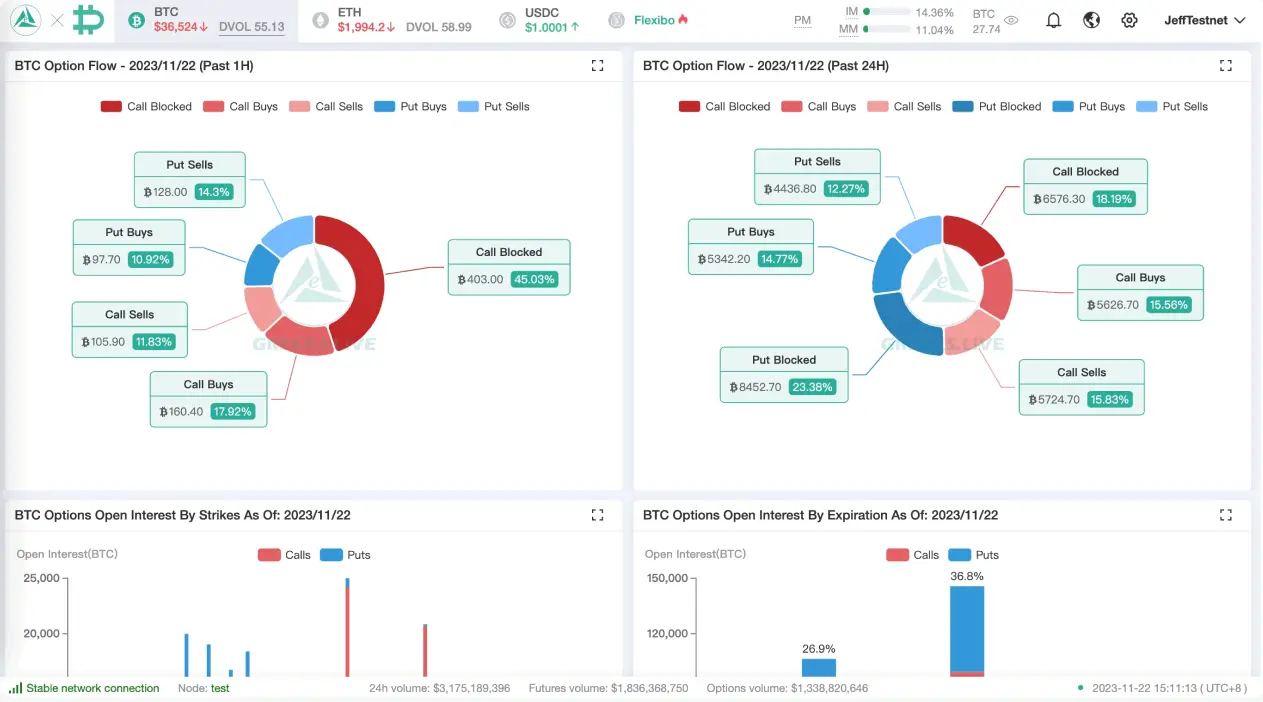
The integration of real-time intelligence feeds into automated delta hedging systems further refines strategic execution. These feeds provide granular data on market flow, order book dynamics, and volatility surfaces, enabling algorithms to make more informed decisions. For instance, an algorithm might dynamically adjust its rebalancing threshold based on prevailing market volatility or detected liquidity imbalances.
The continuous learning capabilities of modern systems, sometimes incorporating machine learning and reinforcement learning, allow for adaptive strategies that evolve with changing market regimes and transaction cost constraints. This adaptive capacity ensures the hedging strategy remains effective and cost-efficient over time.
Strategic implementation also involves rigorous backtesting and simulation. Before deploying any automated delta hedging strategy in a live environment, firms conduct extensive simulations using historical market data. This process validates the strategy’s effectiveness under various market conditions, identifies potential vulnerabilities, and optimizes parameters such as rebalancing thresholds and execution algorithms.
The ability to model different scenarios, including extreme market events, provides critical insights into the strategy’s robustness and expected performance. This analytical rigor is a hallmark of institutional-grade risk management.


Operationalizing Dynamic Risk Management
The true power of automated delta hedging strategies for mitigating block trade risk lies in their meticulous execution. This operational phase transforms theoretical models into tangible risk reduction, demanding a sophisticated technological stack, precise data analysis, and an intricate understanding of market protocols. For institutional participants, execution means translating strategic intent into a seamless, high-fidelity process that preserves capital and optimizes trading outcomes. The underlying mechanisms are complex, but their collective purpose remains singular ▴ to neutralize directional exposure efficiently and discreetly.
A robust execution framework for automated delta hedging begins with the foundational data infrastructure. Real-time market data feeds are indispensable, providing continuous updates on underlying asset prices, options quotes, and implied volatilities. This raw data fuels the “Greeks calculation engines,” which derive delta, gamma, vega, and other sensitivities with minimal latency.
The accuracy of these calculations is paramount, as any imprecision can lead to suboptimal hedging and residual risk exposure. Historical volatility metrics and options chain information further enrich the data landscape, informing more advanced models that account for phenomena like volatility smiles and skews.
The algorithmic core of automated delta hedging orchestrates the rebalancing process. These algorithms operate within predefined parameters, dynamically adjusting positions in the underlying asset or other liquid derivatives to maintain delta neutrality. The decision to rebalance can be triggered by several factors ▴
- Delta Threshold Exceedance ▴ When the portfolio’s aggregate delta deviates beyond a specified tolerance level.
- Time-Based Rebalancing ▴ Periodic adjustments at fixed intervals (e.g. hourly, daily).
- Volatility Surges ▴ Increased market volatility often necessitates more frequent rebalancing due to accelerated delta changes.
- Significant Price Movements ▴ Large, sudden shifts in the underlying asset’s price that materially alter option deltas.
Each trigger mechanism is carefully calibrated to optimize the balance between hedging effectiveness and transaction costs.
Execution of automated delta hedging requires robust data, precise algorithms, and seamless integration with trading venues.
The interaction with trading venues for block options necessitates specialized protocols, such as Request for Quote (RFQ) systems. When an institution needs to execute a large options block trade, it initiates an RFQ to a select group of liquidity providers. This bilateral price discovery mechanism allows for discreet negotiation and execution, minimizing market impact that a large order might otherwise create on public order books.
Automated delta hedging systems integrate directly with these RFQ platforms via robust API connections, enabling the hedging component of the block trade to be executed as part of a multi-leg strategy. This means that the options block and its corresponding delta hedge can be transacted simultaneously, or in rapid succession, as a single, atomic operation.
The integration features extend to automated order execution, where the system directly routes hedging trades to the market. This minimizes the latency inherent in manual trade entry and reduces the potential for human error. Position management dashboards provide real-time visibility into the portfolio’s delta exposure, executed hedges, and remaining risk.
Risk analytics software continuously assesses various scenarios, projecting potential profit and loss under different market conditions and ensuring compliance with predefined risk limits. This holistic approach to execution management provides a comprehensive operational control plane.
A particularly challenging aspect of operationalizing dynamic delta hedging for block trades arises from the non-linear nature of options pricing, specifically the phenomenon of volatility smiles and skews. Standard Black-Scholes models, which assume constant volatility, often fall short in accurately predicting delta in real-world markets. Advanced execution systems address this by employing “smile-adjusted” or “local volatility” frameworks.
These models incorporate strike- and maturity-specific implied volatilities, leading to more precise delta estimations and, consequently, more accurate hedge ratios. The ability to adapt delta calculations to these empirical market characteristics is a hallmark of sophisticated execution capabilities.
Consider a hypothetical scenario involving an institutional trader executing a large block of out-of-the-money call options on Bitcoin. The initial delta of these options might be low, perhaps 0.20. However, a sudden surge in Bitcoin’s price would cause the delta to increase rapidly (a positive gamma effect). An automated delta hedging system would detect this delta shift in milliseconds, calculating the new required hedge.
If the original block trade was for 1,000 call options, and the delta moved from 0.20 to 0.40, the system would automatically initiate an order to buy an additional 200 units of Bitcoin (assuming a 100-contract multiplier) to restore neutrality. This rapid response is crucial for mitigating the increased directional exposure that would otherwise accrue from the rising delta. The challenge lies in executing this secondary hedge without incurring significant market impact, particularly if the underlying Bitcoin market is illiquid at that precise moment. This necessitates intelligent order routing and potentially splitting the hedge into smaller, liquidity-seeking child orders across multiple venues. It becomes clear that the continuous adjustment, particularly for substantial positions, presents an enduring test of a system’s capacity for precise, discreet, and cost-effective execution.
The table below illustrates a simplified view of how an automated system would track and adjust a delta hedge for a block option position over time.
| Time (Minutes) | Underlying Price | Option Delta (per contract) | Option Contracts | Total Portfolio Delta | Underlying Shares Held (Hedge) | Hedge Adjustment |
|---|---|---|---|---|---|---|
| 0 | $50,000 | 0.45 | 1,000 | 450 | -450 | Initial Short |
| 15 | $50,250 | 0.47 | 1,000 | 470 | -450 | Buy 20 |
| 30 | $49,900 | 0.43 | 1,000 | 430 | -470 | Sell 40 |
| 45 | $50,100 | 0.46 | 1,000 | 460 | -430 | Buy 30 |
This dynamic rebalancing is further complicated by the discrete nature of trading. While models often assume continuous hedging, real-world execution occurs at discrete intervals, leading to “hedging errors” or “gamma risk.” The time interval between rebalancing events introduces a period where the portfolio is not perfectly delta-neutral, leaving it exposed to larger price movements. Automated systems, through high-frequency monitoring and rapid execution, minimize these discrete intervals, but they cannot eliminate them entirely. The challenge lies in optimizing these intervals to reduce cumulative transaction costs while maintaining an acceptable level of risk exposure.
The implementation of automated delta hedging also demands rigorous Transaction Cost Analysis (TCA). Every rebalancing trade incurs costs, including commissions, bid-ask spread capture, and market impact. A sophisticated execution framework continuously analyzes these costs, seeking to minimize their aggregate effect. Algorithms can employ smart order routing logic to seek out the most favorable liquidity across various exchanges and dark pools.
Post-trade analytics provide detailed breakdowns of execution quality, allowing for continuous refinement of hedging parameters and algorithmic choices. This iterative optimization cycle ensures the hedging process remains economically viable and contributes positively to overall portfolio performance.
A comprehensive understanding of these execution mechanics enables institutional traders to leverage automated delta hedging as a powerful tool for navigating the complexities of large options positions. The strategic advantage stems from the system’s ability to combine real-time data, advanced quantitative models, and high-fidelity algorithmic execution within the unique demands of block trading environments.

References
- LuxAlgo. How Delta Hedging Automation Works. 2025.
- TradeFundrr. Understanding Delta Hedging ▴ A Guide to Risk Management. 2025.
- AI in Real-Time. Delta Hedging ▴ Automated by AI in Real-Time. 2025.
- The Trading Analyst. What is Delta Hedging and How To Use It to Reduce Risk. 2025.
- PyQuant News. Mastering Delta Hedging in Options Trading. 2024.
- ResearchGate. Optimal Delta Hedging for Options. 2025.
- ResearchGate. Optimal Execution and Block Trade Pricing ▴ A General Framework. 2025.
- Quantitative Brokers. What is Market Microstructure? 2022.
- Morpher. Market Microstructure ▴ The Hidden Dynamics Behind Order Execution. 2024.
- Advanced Analytics and Algorithmic Trading. Market Microstructure. 2025.
- Religare Broking. Algorithmic Trading in Derivatives ▴ A Guide for Retail Traders. 2025.
- Algomojo. Introduction to Execution Algorithms. 2025.
- John Lowry. How Algorithmic Execution Shapes Institutional Trading. 2025.
- Cornell eCommons. Institutional Algorithmic Trading, Statistical Arbitrage and Technical Analysis A Thesis Presented to the Faculty of the Graduat. 2025.
- Paradigm Insights. What is an RFQ? 2020.
- Deribit. New Deribit Block RFQ Feature Launches. 2025.
- Deribit. Deribit Block RFQ. 2025.
- techbuzzireland.com. What Is a Block RFQ Tool? 2025.

Controlling Volatility’s Unseen Currents
Reflecting upon the intricate mechanics of automated delta hedging for block trades reveals a profound truth about modern financial markets ▴ mastery arises from systemic control. The knowledge articulated here ▴ from the foundational understanding of delta to the nuanced complexities of algorithmic execution within an RFQ framework ▴ forms a crucial component of a larger operational intelligence system. This is not merely about understanding a strategy; it concerns integrating a critical capability into a firm’s overarching risk management and execution architecture.
Consider your own operational framework. Are the tools at your disposal capable of providing the real-time insights and rapid execution necessary to navigate the inherent volatility and scale of block options positions? The capacity to dynamically adjust hedges, to minimize market impact through intelligent order routing, and to precisely quantify residual risks separates merely participating in the market from truly dominating it. The pursuit of superior execution and capital efficiency demands a continuous evaluation of technological capabilities and a commitment to evolving with market microstructure.
The ongoing evolution of digital asset markets, with their unique blend of nascent infrastructure and established financial principles, presents both unprecedented opportunities and amplified risks. Firms equipped with sophisticated, automated hedging solutions are positioned to capitalize on these opportunities while systematically mitigating their exposures. This strategic preparedness ensures that large, complex trades, rather than becoming sources of unexpected volatility, serve as avenues for controlled growth and enhanced portfolio stability.
The ultimate advantage in these dynamic environments belongs to those who view market participation not as a series of isolated transactions, but as an interconnected system. Every component, from data acquisition to final execution, contributes to the overall resilience and profitability of the trading enterprise. Empowering your operational framework with advanced delta hedging capabilities represents a decisive step toward achieving a truly superior edge, allowing you to control volatility’s unseen currents with precision and confidence.

Glossary

Automated Delta Hedging

Capital Efficiency

Underlying Asset

Delta Hedging

Delta Neutrality

Automated Delta

Price Movements

Transaction Costs

Market Impact

Market Microstructure

Block Trades

Risk Management

Gamma Hedging

Vega Hedging

Automated Hedging

Block Trade Risk

Greeks Calculation

Block Trade

Order Routing

Dynamic Rebalancing

Transaction Cost Analysis