

The Pulsation of Price Discovery
Observing the institutional trading landscape reveals an undeniable truth ▴ the mastery of block trade liquidity sourcing hinges upon an immediate, granular understanding of market dynamics. This understanding is not a static construct; rather, it exists as a continuous, high-frequency stream of data, a digital heartbeat that informs every strategic decision and tactical maneuver. For principals and portfolio managers, the challenge of moving substantial positions without disrupting market equilibrium or leaking valuable intent stands as a paramount concern.
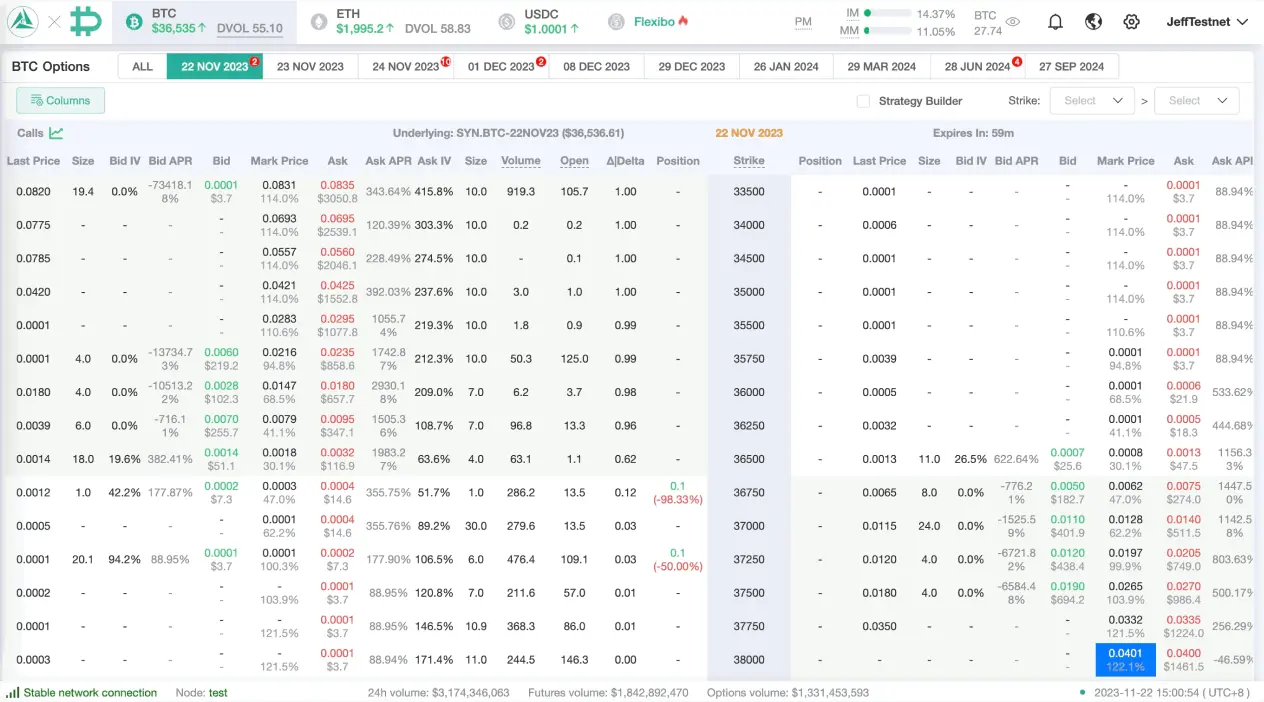
Real-time market data serves as the indispensable intelligence layer, transforming opaque liquidity pools into discernible opportunities. It provides the lens through which one can accurately perceive the true cost of a transaction, the depth of available interest, and the subtle shifts in sentiment that precede significant price movements.
Understanding market microstructure provides a foundational appreciation for the intricate dance of orders and quotes. Market microstructure, as detailed by scholarly works, investigates the processes and rules that govern trading, revealing how prices reflect information and how liquidity is supplied. Block trades, by their very nature, introduce substantial informational asymmetry. A large order, if executed without discretion, can signal directional conviction, inviting adverse selection and increasing transaction costs.
Real-time data offers a countermeasure, equipping market participants with the capacity to navigate these treacherous waters with enhanced foresight. It allows for the identification of fleeting liquidity, ensuring that large orders can interact with the market at moments of optimal receptivity.
Real-time market data provides the essential intelligence for navigating the complexities of block trade liquidity.
The fragmentation of liquidity across various venues, including regulated exchanges, alternative trading systems, and over-the-counter (OTC) desks, complicates the search for optimal execution. This dispersed liquidity necessitates a unified view, synthesized from disparate data feeds. Real-time information aggregates these diverse sources, creating a consolidated picture of available depth and pricing across the entire market ecosystem.
This holistic perspective is critical for identifying potential counterparties and assessing the genuine capacity of the market to absorb a large trade without undue price impact. Without such a comprehensive data stream, the pursuit of block liquidity becomes an exercise in conjecture, risking suboptimal outcomes.
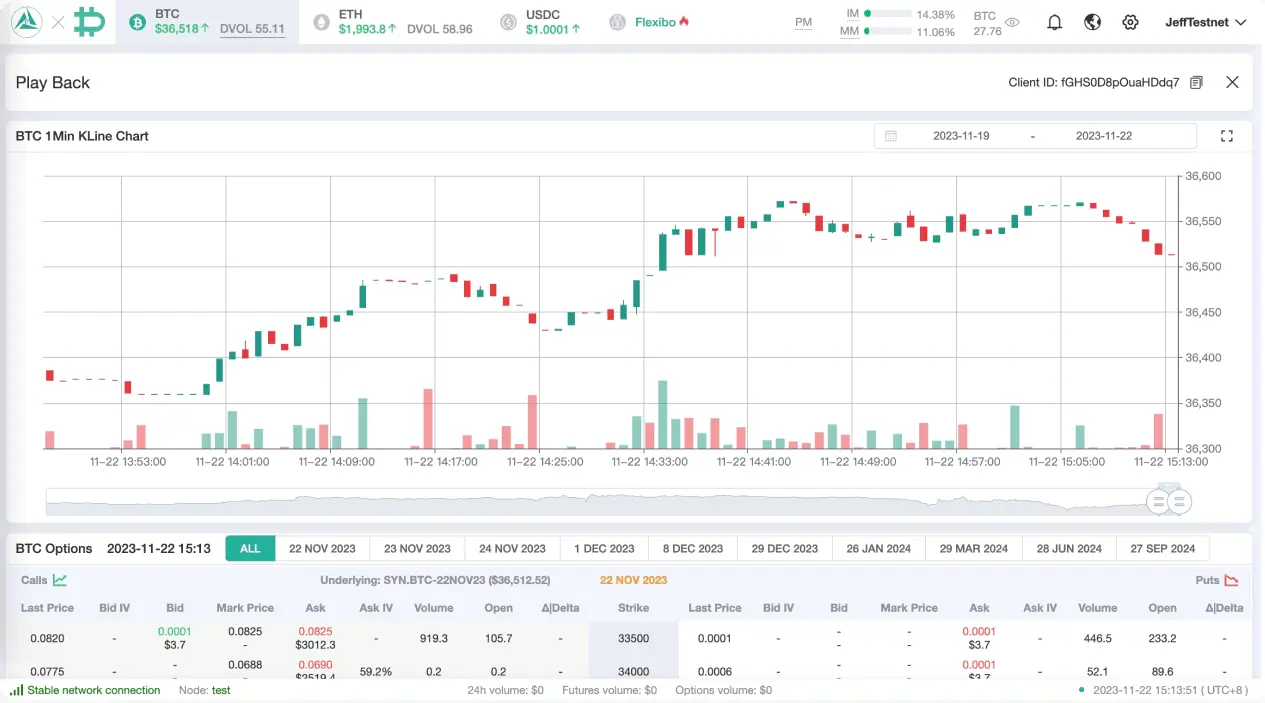
A continuous flow of current pricing, volume, and order book dynamics empowers traders to gauge immediate supply and demand imbalances. This granular insight facilitates the strategic timing of orders, allowing for entries and exits that capitalize on transient liquidity events. Price discovery in block trading, therefore, becomes a dynamic process, continuously informed by the freshest available data.
The ability to react instantaneously to new information, whether a sudden surge in volume or a tightening of spreads, represents a decisive operational advantage. This immediate responsiveness transforms potential market friction into an opportunity for superior execution.


Orchestrating Strategic Liquidity Access
Strategic liquidity sourcing for block trades demands a sophisticated framework, one where real-time market data serves as the central nervous system. The strategic imperative involves identifying and engaging the most suitable liquidity pools while rigorously controlling for market impact and information leakage. This necessitates a deep understanding of Request for Quote (RFQ) mechanics, advanced trading applications, and the subtle interplay between lit and dark markets.
Real-time data informs the critical pre-trade analysis, enabling a precise calibration of execution strategy. It allows for the identification of optimal timing windows and the selection of counterparties most likely to provide competitive pricing for significant order sizes.
Employing a robust RFQ protocol exemplifies a principal-centric approach to liquidity sourcing. This mechanism permits clients to solicit bids from multiple dealers simultaneously, fostering competition and improving price discovery. Real-time data fuels this process, providing dealers with the most current market conditions to formulate their quotes and allowing clients to evaluate those quotes against a precise benchmark.
The effectiveness of a multi-dealer liquidity protocol hinges upon the immediacy of information, ensuring that quoted prices reflect prevailing market realities. This approach helps minimize slippage and enhances the probability of securing best execution for large, sensitive orders.
Strategic liquidity sourcing uses real-time data to identify optimal pools and control market impact.
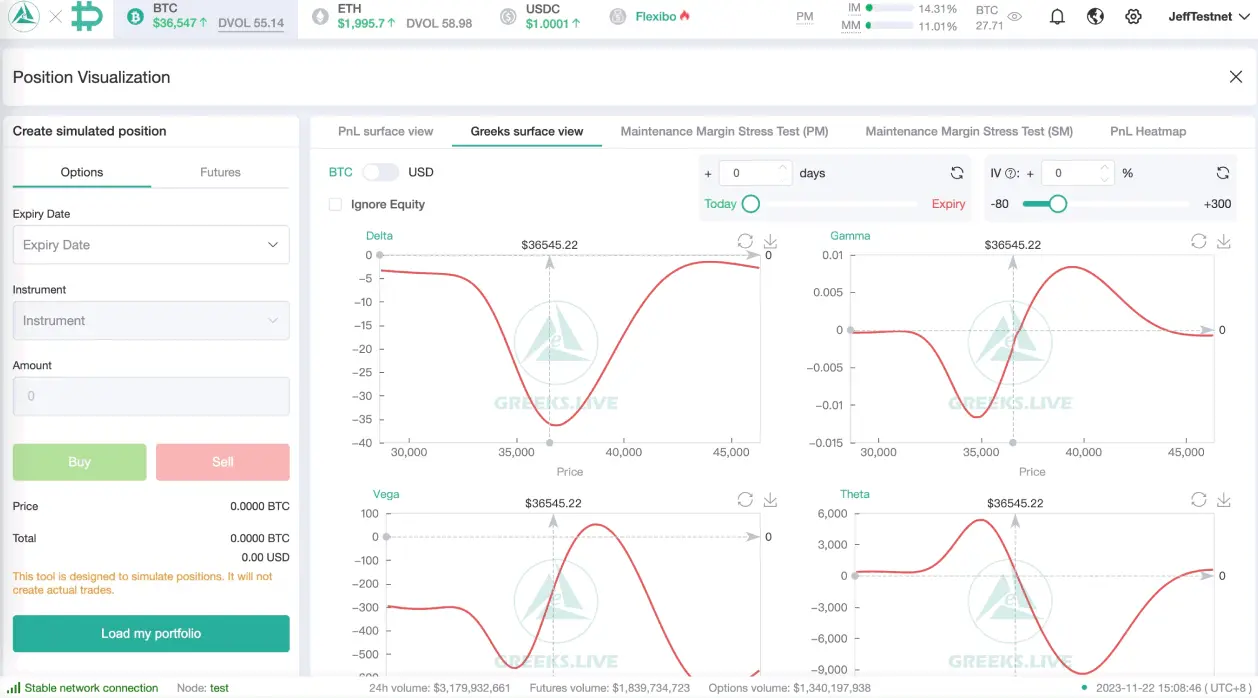
Advanced trading applications leverage real-time data for sophisticated risk management and execution optimization. Consider the complexities of multi-leg execution for options spreads or volatility block trades. Each component of such a strategy carries its own risk profile and liquidity requirements. Real-time data streams provide the instantaneous pricing and implied volatility necessary to construct and monitor these complex positions, allowing for dynamic adjustments to hedge ratios or leg sequencing.
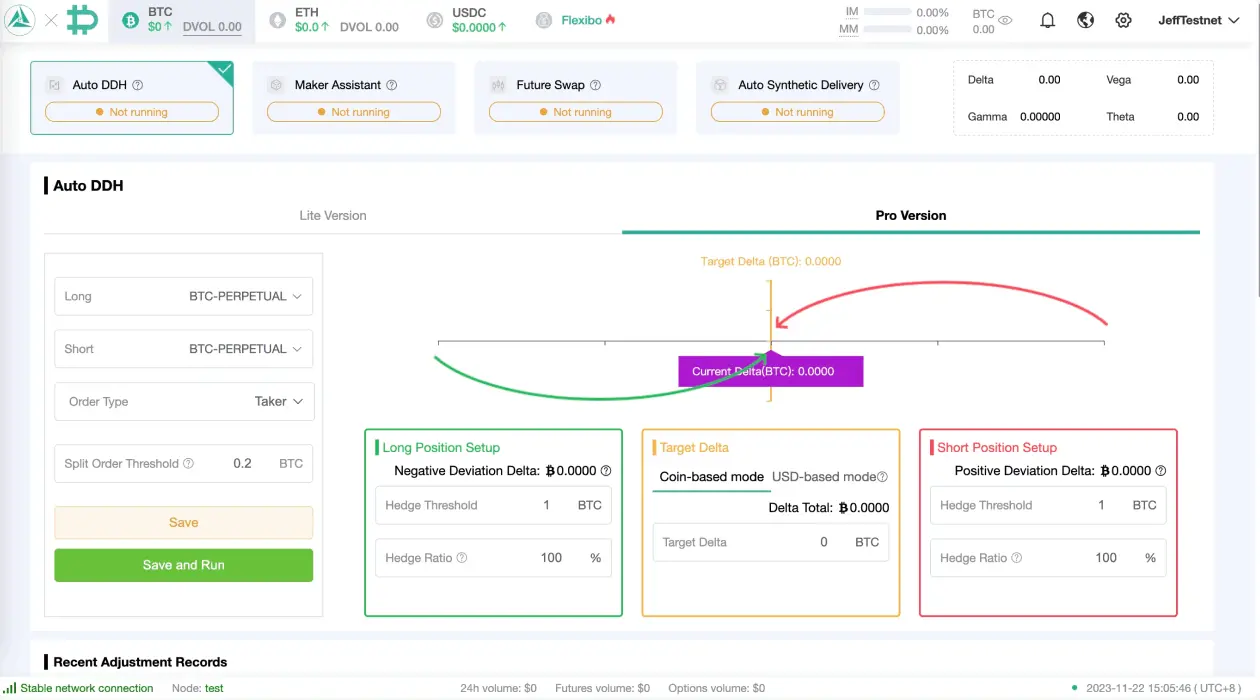
This ensures that the overall trade remains aligned with the intended risk parameters, even amidst rapidly evolving market conditions. The capacity for automated delta hedging, for instance, relies entirely on the continuous ingestion and analysis of real-time pricing data for underlying assets and their derivatives.
The strategic deployment of block orders requires careful consideration of various trading venues. Market participants evaluate the trade-off between transparency and discretion. Lit markets offer price discovery and public depth, while off-exchange venues, such as dark pools or bilateral price discovery protocols, provide anonymity and potentially reduced market impact for large orders. Real-time data informs this venue selection by providing a comprehensive view of aggregated liquidity across all available channels.
It enables traders to assess the instantaneous depth of the public order book, identifying moments when a block trade might be absorbed with minimal disruption, or conversely, when an off-book approach offers superior execution quality. This continuous situational awareness empowers judicious routing decisions.
Information leakage poses a significant threat to block trade execution, potentially leading to adverse price movements. Real-time monitoring of market depth, volume patterns, and spread dynamics helps detect early signs of information leakage, allowing for adaptive strategy adjustments. A sophisticated trading system integrates these real-time indicators, providing alerts when unusual activity suggests a potential compromise of anonymity.
This proactive risk management, grounded in immediate data analysis, is fundamental to preserving the integrity of large-scale executions and safeguarding against predatory trading strategies. The continuous flow of market data empowers a robust defense against unintended market signaling.
A robust strategic framework involves a continuous feedback loop, where the outcomes of executed block trades inform future strategy adjustments. Real-time post-trade analysis, facilitated by granular execution data, measures actual slippage, market impact, and the effectiveness of liquidity sourcing channels. This quantitative feedback allows for the refinement of algorithms, counterparty selection, and overall trading protocols. Such an iterative process, deeply embedded in a data-driven approach, ensures continuous improvement in execution quality and capital efficiency.
Here is a comparative overview of strategic considerations for block trade liquidity sourcing ▴
| Strategic Element | Real-Time Data Application | Outcome Enhancement |
|---|---|---|
| Pre-Trade Analytics | Aggregated order book, implied volatility, historical volume profiles | Optimal timing, venue selection, counterparty identification |
| Counterparty Selection | Dealer quoting patterns, hit rates, latency metrics | Improved price competition, reduced adverse selection |
| Market Impact Mitigation | Real-time price-volume correlation, spread analysis, order book imbalances | Minimized slippage, reduced signaling risk |
| Risk Parameter Adjustment | Dynamic delta, gamma, vega exposures, market-wide volatility indices | Precision hedging, capital efficiency |
| Venue Optimization | Lit market depth, dark pool fill rates, bilateral quote availability | Maximized fill probability, superior execution price |


Precision Execution Protocols
The execution phase of block trades represents the crucible where strategic intent meets market reality. Real-time market data transitions from an analytical input to an active control mechanism, driving the operational protocols that ensure high-fidelity execution. This necessitates a deep dive into the tangible mechanics of implementation, from dynamic pricing adjustments to sophisticated risk management frameworks and the technological backbone that underpins these processes. A precise operational architecture, constantly fed by immediate market intelligence, provides the decisive edge in a competitive landscape.
Dynamic pricing within an RFQ framework relies entirely on the continuous stream of real-time data. When a client initiates a request for quotation, dealers leverage immediate market feeds ▴ including the best bid and offer in lit markets, recent transaction prices, and implied volatility surfaces for derivatives ▴ to construct their competitive quotes. This real-time data allows dealers to price in their inventory risk, assess information asymmetry, and optimize their profit margins.
From the client’s perspective, comparing these dynamically generated quotes, often within a tight response window, requires an equally robust real-time data infrastructure to validate the competitiveness of each offer against the prevailing market benchmark. This continuous recalibration ensures pricing accuracy and fairness.

Quantitative Modeling for Execution Optimization
Quantitative modeling plays an indispensable role in optimizing block trade execution, with real-time data serving as the primary input for these complex algorithms. Models designed for optimal execution, such as those minimizing market impact or maximizing fill probability, continuously process incoming market data to adjust order placement strategies. This involves analyzing factors like ▴
- Volume Profiles ▴ Real-time identification of periods with high natural liquidity.
- Volatility Regimes ▴ Adapting execution aggressiveness based on current market volatility.
- Order Book Imbalances ▴ Detecting temporary supply-demand disparities that offer favorable execution opportunities.
- Price Impact Estimates ▴ Continuously updating predicted price impact based on observed market reaction to recent trades.
These models, often rooted in stochastic control theory or reinforcement learning, dynamically adjust parameters like order size, timing, and venue selection to achieve the best possible outcome. A robust implementation requires low-latency access to comprehensive market data feeds, ensuring that model predictions are always based on the freshest available information.
Quantitative models, fueled by real-time data, dynamically optimize block trade execution strategies.

Real-Time Risk Management and Automated Safeguards
Effective risk management during block trade execution demands immediate response capabilities, driven by real-time data. This extends beyond simple position monitoring to include proactive safeguards against unexpected market movements or information leakage. Systems continuously calculate various risk metrics ▴ such as portfolio delta, gamma, and value-at-risk (VaR) ▴ against live market prices. Deviations from predefined thresholds trigger automated alerts or, in more advanced systems, automatic hedging adjustments.
For example, if a large options block trade significantly alters the portfolio’s delta exposure, an automated system can, in real time, execute offsetting trades in the underlying asset to bring the delta back within acceptable limits. This rapid, data-driven response minimizes unintended market exposure.
A core conviction emerges from this operational reality ▴ control over information flow defines execution quality.
Here is a sample data table illustrating the application of real-time data in risk management during a hypothetical BTC Options Block Trade ▴
| Risk Metric | Real-Time Data Feed | Dynamic Action Trigger | Mitigation Strategy |
|---|---|---|---|
| Portfolio Delta | BTC spot price, options implied volatility | Delta deviation > 0.05 from target | Automated spot BTC purchase/sale |
| Vega Exposure | Implied volatility surface updates, VIX equivalent | Vega change > 10% from initial hedge | Options spread adjustment, synthetic volatility trade |
| Information Leakage Score | Order book depth changes, volume spikes, spread widening | Score exceeds predefined threshold | Pause execution, re-evaluate venue, switch to dark pool |
| Liquidity Horizon | Current average daily volume, bid-ask spread evolution | Available liquidity drops below order size capacity | Slow execution pace, seek bilateral price discovery |

System Integration and Technological Architecture
The underlying technological architecture for optimizing block trade liquidity sourcing with real-time data is a complex, high-performance ecosystem. It involves seamless integration of various components, each contributing to the overall execution efficiency. Key elements include ▴
- Low-Latency Market Data Gateways ▴ Direct connections to exchanges and data vendors, ensuring microsecond-level delivery of price, volume, and order book updates.
- Data Normalization and Aggregation Engines ▴ Processing raw data from diverse sources into a unified, consistent format for analysis.
- Execution Management Systems (EMS) ▴ Platforms that manage order routing, execution algorithms, and provide real-time monitoring of trade progress.
- Order Management Systems (OMS) ▴ Handling the lifecycle of orders, from creation and allocation to settlement, integrated with real-time risk checks.
- FIX Protocol Connectivity ▴ Standardized messaging for communicating trade information, quotes, and executions with counterparties and venues.
- Proprietary API Endpoints ▴ Custom interfaces for interacting with specialized liquidity providers or internal quantitative models.
This intricate web of systems works in concert, with real-time data flowing through each layer, informing decisions and enabling automated actions. The reliability and speed of this integration are paramount, as any delay or inconsistency can compromise execution quality and introduce unforeseen risks. The design prioritizes resilience and fault tolerance, ensuring continuous operation even under extreme market stress.
Visible intellectual grappling with the sheer velocity of modern market data streams often leads to a re-evaluation of what “real-time” truly signifies in an operational context. Is it the raw nanosecond timestamp of a market event, the propagation delay across a global network, or the processing time within a proprietary algorithm? Each layer presents a distinct challenge to achieving true immediacy, requiring relentless optimization at every juncture of the data pipeline.

References
- Grossman, Sanford J. and Merton H. Miller. “Liquidity and Market Structure.” Journal of Finance, vol. 43, no. 3, 1988, pp. 617-633.
- Harris, Larry. Trading and Exchanges ▴ Market Microstructure for Practitioners. Oxford University Press, 2002.
- O’Hara, Maureen. Market Microstructure Theory. Blackwell Publishers, 1995.
- Schmidt, Anatoly. Financial Markets and Trading ▴ An Introduction to Market Microstructure and Trading Strategies. O’Reilly Media, 2011.
- Cartea, Álvaro, Sebastian Jaimungal, and Jose Penalva. Algorithmic and High-Frequency Trading. Cambridge University Press, 2015.
- Gueant, Olivier. The Financial Mathematics of Market Liquidity ▴ From Optimal Execution to Market Making. Chapman and Hall/CRC, 2016.
- Hua, Edison. “Exploring Information Leakage in Historical Stock Market Data.” CUNY Academic Works, 2023.
- Khurana, Rahul, Harpreet Singh, and Pooja Garg. “Analyzing the Impact of Algorithmic Trading on Stock Market Behavior ▴ A Comprehensive Review.” World Journal of Advanced Engineering and Technology Sciences, vol. 11, no. 1, 2024, pp. 010-019.

Operational Command through Data
The journey through the intricate mechanisms of real-time market data in block trade liquidity sourcing reveals a fundamental principle ▴ superior execution arises from superior operational command. This command stems not from mere access to information, but from the sophisticated capacity to process, interpret, and act upon it with precision and speed. Reflect upon your own operational framework.
Does it possess the requisite intelligence layer to transform raw market feeds into actionable insights? Does your system adapt dynamically to evolving liquidity conditions, or does it operate on static assumptions?
Consider the strategic implications of latency and data fidelity within your execution protocols. Each nanosecond of delay or byte of compromised data represents a potential erosion of alpha. The ability to orchestrate complex, multi-venue block trades, minimizing footprint and maximizing price capture, is a direct function of your system’s real-time capabilities. This understanding underscores a continuous commitment to technological advancement and analytical rigor, ensuring your operational framework remains a source of decisive advantage in the ever-shifting currents of financial markets.

Glossary

Block Trade Liquidity Sourcing

Real-Time Market Data

Market Microstructure

Block Trades

Real-Time Data

Order Book Dynamics

Price Discovery

Information Leakage

Liquidity Sourcing

Multi-Leg Execution

Implied Volatility

Market Impact

Block Trade

Order Book

Block Trade Execution

Risk Management

Market Data

Capital Efficiency

Trade Liquidity Sourcing

Real-Time Market

Dynamic Pricing

Block Trade Liquidity

Execution Management Systems

Fix Protocol