

Operational Intelligence for Block Trades
Navigating the complexities of institutional block trading demands an acute understanding of market dynamics, particularly how large orders interact with available liquidity. For principals and portfolio managers, the execution of a substantial block trade is not a simple transaction; it represents a strategic maneuver within a deeply interconnected financial ecosystem. A core operational challenge involves minimizing the inherent costs associated with these large-scale movements, which extend beyond explicit commissions to include market impact and opportunity costs. Effective management of these implicit expenses differentiates superior execution from merely adequate performance.
Real-time Transaction Cost Analysis provides dynamic feedback for optimizing block trade execution.
Real-time Transaction Cost Analysis (TCA) emerges as a critical operational intelligence layer within this intricate environment. It moves beyond traditional post-trade reporting, which offers retrospective insights, by providing immediate, actionable feedback on execution quality as an order progresses through the market. This continuous feedback loop allows for dynamic adjustments to trading strategies, ensuring alignment with the initial investment thesis and minimizing adverse price movements. Considering the significant price impacts that block trades can exert, particularly in less liquid assets or during volatile periods, this immediate analytical capability is indispensable for preserving alpha and maintaining capital efficiency.
The study of market microstructure reveals the intricate mechanisms governing price formation and liquidity provision, highlighting why block trades are inherently challenging. Large orders frequently consume significant portions of the available liquidity, leading to substantial temporary and permanent price impacts. Understanding these microstructural effects is paramount for designing robust execution strategies. Real-time TCA provides the necessary instrumentation to observe these effects as they unfold, enabling traders to react to evolving market conditions rather than merely observing them after the fact.
By integrating real-time TCA into the execution workflow, institutional participants gain a deeper, mechanistic understanding of how their orders are interacting with the market. This system-level visibility supports the continuous refinement of execution algorithms and trading protocols. It transforms execution from a reactive process into a proactive, adaptive system designed to optimize outcomes under various market states. The ability to monitor and quantify execution costs in flight allows for an adaptive response to liquidity fragmentation and information asymmetry, both of which are pervasive in modern financial markets.


Adaptive Execution Frameworks for Large Orders
Strategic deployment of block trades necessitates a sophisticated understanding of execution algorithms and their interplay with real-time TCA. Principals seek not merely to transact, but to execute with precision, minimizing information leakage and market impact while securing optimal pricing. The strategic framework for block trading begins long before order submission, incorporating comprehensive pre-trade analysis to forecast potential costs and assess liquidity profiles. This foundational analysis informs the choice of execution venue, order type, and algorithmic strategy.
Strategic block trade execution relies on pre-trade insights and dynamic algorithmic adjustments.
Real-time TCA then acts as the feedback mechanism, validating pre-trade assumptions and providing continuous data streams to inform mid-trade adjustments. For instance, if an algorithm designed for a Volume-Weighted Average Price (VWAP) strategy encounters unexpected market volatility or a sudden influx of opposing order flow, real-time TCA quantifies the deviation from the target benchmark. This immediate insight permits a strategic pivot, perhaps by adjusting the participation rate, switching to a different algorithm, or seeking off-book liquidity via a Request for Quote (RFQ) protocol. The goal remains consistent ▴ to achieve the best possible price relative to a chosen benchmark, dynamically adapting to preserve capital.
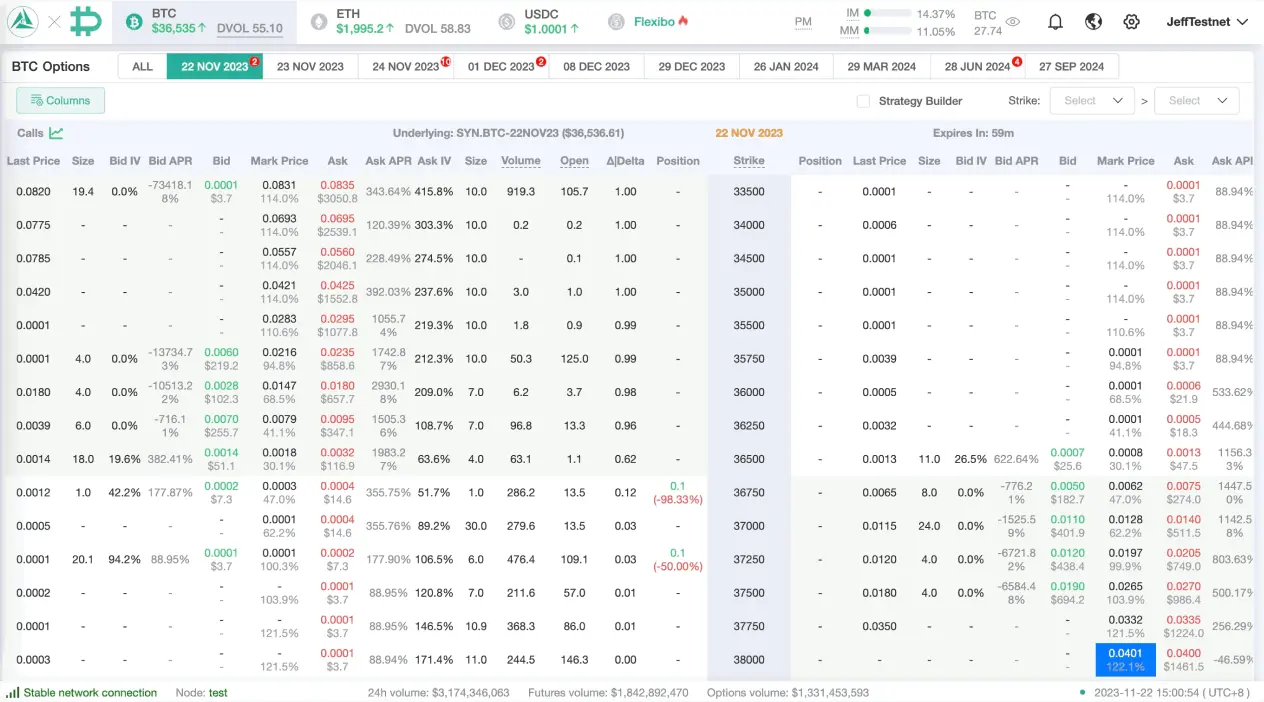
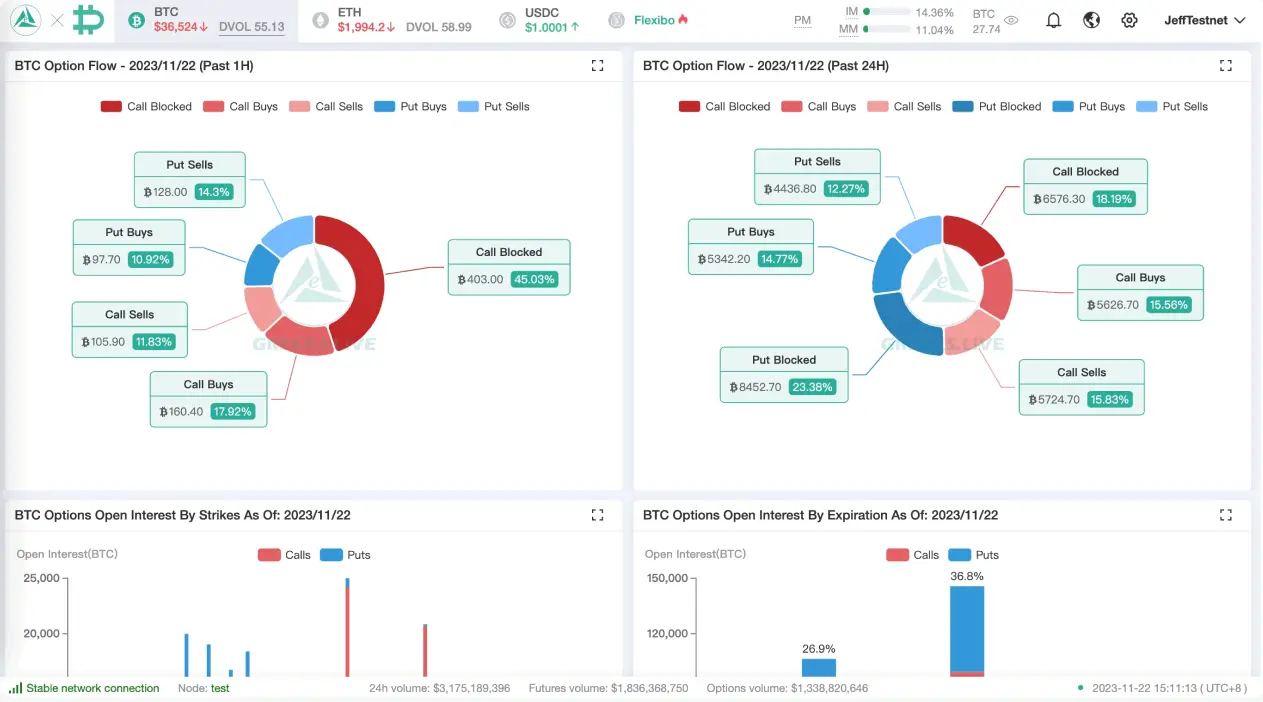
Consider the strategic choices involved in handling a large Bitcoin Options Block or an ETH Options Block. These derivatives often trade in less liquid environments compared to their underlying spot markets, making execution costs highly sensitive to timing and method. Real-time TCA provides the granular data necessary to assess the effectiveness of different approaches, such as executing via multi-dealer liquidity pools or leveraging discreet protocols like Private Quotations. The system tracks metrics such as arrival price slippage, midpoint performance, and price improvement, offering a comprehensive view of execution quality across various market segments.
An adaptive execution framework often involves a hierarchy of decision-making. At the highest level, portfolio managers define the strategic objectives and acceptable risk parameters. The trading desk then translates these into executable strategies, leveraging quantitative models and algorithmic tools.
Real-time TCA closes the loop by feeding performance data back to both layers, enabling continuous learning and refinement of the overall trading system. This iterative process fosters a culture of empirical optimization, where every execution provides valuable data for future strategic enhancements.
For multi-leg options spreads, the synchronization of execution across different legs is paramount to avoid basis risk. Real-time TCA monitors the implied volatility and pricing relationships between legs, flagging any significant deviations from the theoretical fair value. This capability is particularly vital for complex structures like BTC Straddle Blocks or ETH Collar RFQs, where even minor discrepancies in execution price across legs can erode profitability.

Strategic Pillars for Optimal Block Execution
- Liquidity Aggregation ▴ Consolidating liquidity from diverse sources, including centralized exchanges, dark pools, and OTC desks, to source the deepest pools for block orders.
- Algorithmic Adaptability ▴ Employing algorithms capable of dynamically adjusting their execution pace and tactics based on real-time market feedback and TCA metrics.
- Information Leakage Mitigation ▴ Utilizing protocols such as RFQ systems or conditional orders to minimize the footprint of large orders and prevent adverse price movements.
- Pre-Trade Analytics Integration ▴ Incorporating predictive models to estimate market impact and liquidity availability, informing optimal order sizing and timing.
The table below outlines key strategic considerations and their corresponding real-time TCA applications for block trade optimization.
| Strategic Objective | Core Challenge | Real-Time TCA Application | Key Metric Tracked |
|---|---|---|---|
| Minimizing Market Impact | Price volatility from large order footprint | Monitoring price movement against pre-trade benchmarks, identifying liquidity depletion | Slippage from Arrival Price, Price Impact Ratio |
| Optimizing Execution Speed | Balancing urgency with cost minimization | Tracking participation rate effectiveness, comparing actual vs. target execution schedules | VWAP/TWAP Deviation, Fill Rate Analysis |
| Managing Information Leakage | Adverse selection from order visibility | Analyzing spread widening during execution, identifying front-running patterns | Effective Spread, Adverse Selection Cost |
| Maximizing Price Improvement | Capturing latent liquidity at better prices | Detecting executions inside the bid-ask spread, evaluating smart order routing efficacy | Price Improvement, Midpoint Performance |


Precision Mechanics of Execution Control
The execution phase for block trades transforms strategic directives into tangible market actions, with real-time TCA serving as the central nervous system of this operational architecture. For sophisticated institutional traders, this involves a meticulous interplay of data capture, algorithmic deployment, and continuous performance validation. The objective is to navigate the market’s complex microstructure with unparalleled precision, ensuring that every basis point of cost is scrutinized and optimized. This requires a shift from viewing TCA as a mere reporting function to an active, dynamic control mechanism embedded within the trading system.
Real-time TCA functions as a dynamic control system for block trade execution, providing immediate feedback for adaptive adjustments.
At the core of real-time TCA for block trades is the instantaneous capture and processing of granular execution data. This includes every fill, partial fill, order modification, and cancellation, alongside concurrent market data such as bid-ask spreads, depth of book, and volume. The system ingests this data with minimal latency, allowing for calculations of key performance indicators (KPIs) that reflect execution quality in the moment. These KPIs provide a continuous pulse on the order’s interaction with the market, highlighting deviations from expected outcomes.

Data Ingestion and Latency Optimization
The integrity of real-time TCA hinges upon a robust data pipeline capable of handling high-throughput, low-latency market data. This pipeline aggregates information from all relevant trading venues, including regulated exchanges, multilateral trading facilities, and over-the-counter (OTC) desks. Normalization and time-stamping of this diverse data are critical to ensure accurate comparisons and calculations. Without precise time synchronization, the temporal relationship between market events and order executions becomes distorted, compromising the analytical output.
- Raw Data Capture ▴ Recording every market data tick, order book snapshot, and trade event across all relevant venues.
- Timestamping Precision ▴ Ensuring nanosecond-level accuracy for all data points to reconstruct market events chronologically.
- Data Normalization ▴ Standardizing data formats from disparate sources for consistent processing and analysis.
- Real-Time Feed Integration ▴ Directly connecting to exchange APIs and proprietary data feeds to minimize latency in data acquisition.
This continuous data stream feeds directly into the algorithmic execution engines. For instance, an algorithm employing a Percent of Volume (POV) strategy might adjust its participation rate dynamically based on real-time slippage metrics. If the real-time TCA indicates higher than anticipated price impact for a given volume traded, the algorithm can immediately reduce its participation rate to mitigate further adverse movement. Conversely, if liquidity appears deeper and less sensitive than expected, the algorithm might increase its pace to capitalize on favorable conditions.

Algorithmic Feedback Loops and Adaptive Control
The integration of real-time TCA into algorithmic execution creates a sophisticated feedback loop. This loop operates on a continuous cycle of execution, measurement, analysis, and adaptation. Each component of the trading algorithm, from order placement logic to pacing strategies, becomes responsive to the live performance metrics provided by the TCA engine.
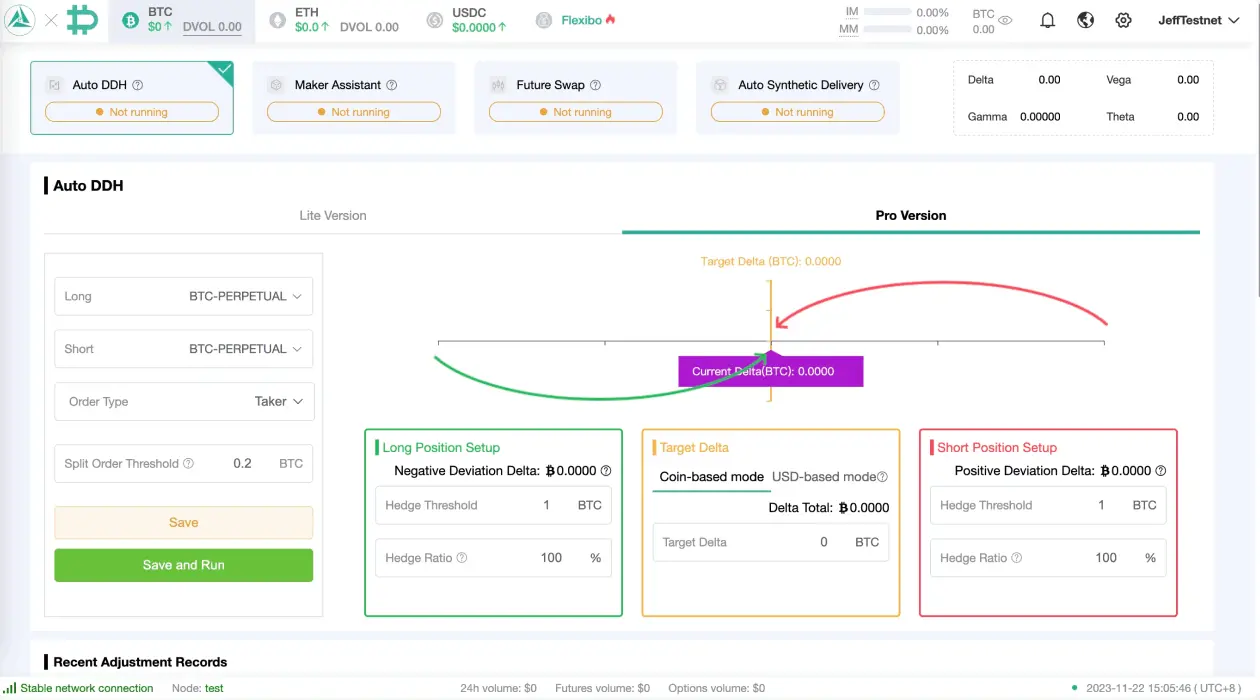
For instance, in the realm of advanced trading applications, consider the mechanics of Automated Delta Hedging (DDH) for options blocks. A large options trade introduces significant delta exposure. Real-time TCA monitors the execution of the delta hedge, assessing the cost and efficacy of the hedging trades against a dynamic benchmark.
If the hedging trades are incurring excessive slippage or market impact, the system can flag this, potentially triggering a re-evaluation of the hedging strategy or adjusting the parameters of the DDH algorithm. This level of granular control is vital for managing the complex risk profiles associated with derivatives.
The following table illustrates the interaction between various execution algorithms and real-time TCA feedback mechanisms ▴
| Execution Algorithm | Primary Objective | Real-Time TCA Feedback Loop | Adaptive Action Triggered |
|---|---|---|---|
| VWAP (Volume-Weighted Average Price) | Execute at average market price proportional to volume | Monitors deviation from VWAP curve, market impact per unit volume | Adjusts participation rate, re-times child orders, seeks alternative liquidity |
| TWAP (Time-Weighted Average Price) | Execute evenly over a time interval | Tracks price drift against interval start, opportunity cost of missed fills | Modifies order size per interval, pauses execution during extreme volatility |
| POV (Percent of Volume) | Execute at a specified percentage of market volume | Evaluates price impact relative to market participation, fill rate analysis | Adjusts target participation percentage, switches to passive order types |
| Implementation Shortfall (IS) | Minimize total cost (market impact + opportunity cost) | Calculates real-time shortfall against arrival price, monitors latent liquidity | Optimizes aggressive/passive order mix, adjusts urgency parameters |
Beyond simple adjustments, real-time TCA also informs more sophisticated interventions. For illiquid assets or particularly sensitive block trades, the system might trigger a System Specialist alert. This human oversight mechanism allows expert traders to intervene, leveraging their experience to navigate complex market conditions that automated systems might struggle with. This hybrid approach, combining quantitative rigor with human intuition, represents a best practice in institutional execution.

Risk-Liquidity Premium and Block Trade Pricing
For large blocks, especially in derivatives, the concept of a “Mark-to-Market” price can be misleading due to the inherent illiquidity and market impact. Real-time TCA contributes significantly to understanding the true cost of liquidity by calculating a micro-founded risk-liquidity premium. This premium quantifies the additional cost or benefit associated with executing a large order, beyond the theoretical fair value.
The risk-liquidity premium accounts for factors such as the temporary and permanent market impact, the cost of holding inventory risk, and the opportunity cost of delayed execution. By continuously updating this premium based on real-time market conditions and the ongoing execution of the block, institutions gain a more accurate assessment of their true trading P&L. This advanced understanding allows for more precise pricing of block trades, particularly in OTC markets where bespoke transactions are common. It also informs hedging strategies, ensuring that the cost of hedging a large position is accurately reflected in the overall transaction cost.
For example, a study on optimal execution with a constant participation rate demonstrated how a closed-form expression for the optimal rate could be derived, which in turn allows for the calculation of a risk-liquidity premium. This quantitative modeling highlights the depth of analysis required to truly understand and manage block trade costs. The insights gained from such models, when fed into a real-time TCA system, enable dynamic adjustments to execution parameters, ensuring that the participation rate remains optimal given current market conditions and risk appetite.

References
- Keim, Donald B. and Ananth Madhavan. “The Cost of Institutional Equity Trades.” Hillsdale Investment Management Inc. 1998.
- Frino, Alex, and Maria Grazia Romano. “Transaction Costs and the Asymmetric Price Impact of Block Trades.” CSEF Working Paper, No. 220, 2008.
- Guéant, Olivier. “Execution and Block Trade Pricing with Optimal Constant Rate of Participation.” Journal of Mathematical Finance, Vol. 4, No. 4, 2014, pp. 255-264.
- AMF. “Some Stylized Facts On Transaction Costs And Their Impact On Investors.” Autorité des Marchés Financiers, 2013.
- Guéant, Olivier. “Optimal Execution and Block Trade Pricing ▴ A General Framework.” arXiv preprint arXiv:1210.6372, 2012.
- Interactive Brokers LLC. “Transaction Cost Analysis (TCA).” Interactive Brokers Website, Accessed December 2, 2025.
- Anand, Amber, Paul Irvine, and Andrei S. Sialm. “Performance of Institutional Trading Desks ▴ An Analysis of Persistence in Trading Costs.” The Review of Financial Studies, Vol. 25, No. 2, 2012, pp. 557-598.
- Morpher. “Market Microstructure ▴ The Hidden Dynamics Behind Order Execution.” Morpher Blog, 2024.

Operational Mastery through Continuous Insight
Considering the intricate mechanics of block trade execution, one must contemplate the foundational intelligence underpinning every decision. The integration of real-time Transaction Cost Analysis transcends mere measurement, becoming an active, indispensable component of a sophisticated operational framework. It demands a shift in perspective, moving from a retrospective audit to a continuous, predictive control system. This dynamic approach ensures that an institution’s execution capabilities evolve in lockstep with market complexities, providing a decisive advantage.
The true power lies not in the data itself, but in the ability to translate raw market signals into actionable intelligence, thereby shaping future outcomes. A superior operational framework thrives on this continuous feedback, enabling a proactive stance against market frictions. It cultivates an environment where execution becomes a science of adaptive control, optimizing every parameter to achieve superior capital efficiency.

Glossary

Market Impact

Block Trading

Real-Time Transaction Cost Analysis

Block Trades

Market Microstructure

Real-Time Tca

Participation Rate

Multi-Dealer Liquidity

Options Block

Liquidity Aggregation

Block Trade

Algorithmic Execution

Price Impact

Slippage

Risk-Liquidity Premium

Transaction Cost

Optimal Execution

Transaction Cost Analysis