

The Operational Nexus of Global Transactions
As a principal navigating the intricate currents of international finance, you recognize the paramount importance of robust operational frameworks for cross-border block trades. These large, privately negotiated transactions, executed outside the continuous order book, demand a level of precision and compliance that transcends conventional retail approaches. Successfully executing such trades across diverse regulatory landscapes requires more than mere transactional capability; it necessitates a sophisticated system capable of harmonizing disparate legal, reporting, and settlement protocols.
The objective centers on achieving seamless, secure, and compliant transfers of value, minimizing friction and mitigating inherent risks. This pursuit defines the operational imperative for any institution engaged in global capital markets.
The complexity of cross-border block trade compliance stems from a confluence of jurisdictional variations, evolving regulatory mandates, and the sheer volume of data involved. Each nation maintains distinct anti-money laundering (AML) and know-your-customer (KYC) requirements, trade reporting obligations, and market abuse surveillance frameworks. Discrepancies between these regulatory regimes introduce significant operational overhead and potential for non-compliance, jeopardizing both capital efficiency and institutional reputation. Consequently, the strategic deployment of advanced technological frameworks becomes an absolute prerequisite for maintaining operational integrity and competitive advantage in this specialized segment of financial markets.
Technological frameworks are indispensable for navigating the multifaceted compliance demands of cross-border block trades.
Distributed Ledger Technology (DLT) represents a foundational shift in addressing these systemic challenges. Its inherent properties of immutability, transparency, and decentralized record-keeping offer a compelling solution for streamlining complex, multi-party processes that traditionally rely on numerous intermediaries. A DLT-based system creates a unified, tamper-proof source of truth accessible to all authorized participants, which drastically reduces the potential for errors and discrepancies across different reporting jurisdictions. This capability is particularly valuable in scenarios involving multiple financial institutions, each with its own systems and protocols, requiring a harmonized approach to data integrity and verification.
Furthermore, the application of Regulatory Technology, or RegTech, provides a potent complement to DLT’s structural advantages. RegTech solutions leverage cutting-edge innovations such as artificial intelligence (AI), machine learning (ML), and big data analytics to automate and optimize compliance and risk management tasks. These advanced tools analyze vast datasets to identify suspicious activities, streamline reporting procedures, and enhance real-time risk assessments. Such automation significantly reduces the manual burden associated with cross-border compliance, simultaneously improving accuracy and responsiveness.
The confluence of DLT and RegTech, when integrated into a cohesive operational system, transforms the landscape of cross-border block trade compliance. This integration allows institutions to move beyond reactive compliance measures toward a proactive, system-driven approach. It enables the pre-validation of trade parameters against multiple regulatory rulebooks, real-time monitoring of transaction flows, and automated generation of audit-ready reports. Such a comprehensive framework ensures adherence to global standards while simultaneously fostering operational scalability and financial inclusivity across international markets.


Strategic Imperatives for Global Trade Oversight
The strategic deployment of technological frameworks for cross-border block trade compliance involves a meticulous selection and integration of solutions designed to address specific market microstructure challenges. Institutional participants prioritize systems offering high-fidelity execution, discreet protocols, and robust resource management. The core strategic imperative centers on mitigating information leakage, reducing settlement risk, and ensuring regulatory adherence across diverse legal frameworks. This requires a shift towards platforms that can adapt to evolving market dynamics and regulatory mandates, providing a durable competitive advantage.
Implementing an effective compliance strategy for cross-border block trades necessitates a deep understanding of Request for Quote (RFQ) mechanics, particularly for large or illiquid positions. RFQ protocols facilitate bilateral price discovery, enabling institutions to solicit quotations from multiple liquidity providers without revealing their full order intentions to the broader market. In a cross-border context, an advanced RFQ system must seamlessly integrate compliance checks at the pre-trade stage, validating counterparty eligibility, jurisdictional restrictions, and position limits against multiple regulatory regimes in real-time. This strategic application of RFQ ensures both optimal execution and unwavering compliance.
A sophisticated strategic framework for cross-border compliance typically incorporates several key technological pillars:
- Distributed Ledger Technology (DLT) ▴ Providing an immutable, shared record of transactions, DLT enhances transparency and reduces reconciliation efforts across international counterparties. This foundational layer supports a “single source of truth” for trade data, which is critical for audit trails and regulatory reporting across fragmented jurisdictions.
- Regulatory Technology (RegTech) ▴ Utilizing AI and machine learning to automate compliance tasks, RegTech solutions offer real-time monitoring, anomaly detection, and automated reporting. These tools are indispensable for managing the dynamic and complex regulatory landscape of global block trades, minimizing manual errors and accelerating compliance workflows.
- Application Programming Interfaces (APIs) ▴ Standardized APIs, such as the Financial Information Exchange (FIX) protocol, enable seamless, low-latency communication between disparate trading systems, liquidity providers, and regulatory reporting venues. APIs are crucial for integrating internal risk management systems with external execution platforms and compliance engines, ensuring data flows efficiently and securely across the trade lifecycle.
The strategic interplay between these technologies creates a resilient compliance ecosystem. For instance, DLT can provide the underlying infrastructure for a shared, auditable record of block trade allocations and settlements, while RegTech layers on intelligent automation for real-time surveillance against market abuse. APIs then act as the conduits, ensuring that all relevant data ▴ from pre-trade checks to post-trade reporting ▴ is transmitted accurately and promptly to all necessary internal and external stakeholders, including regulators. This holistic approach ensures comprehensive oversight and control.
A robust compliance strategy leverages DLT, RegTech, and APIs to create an integrated, real-time oversight system for cross-border block trades.
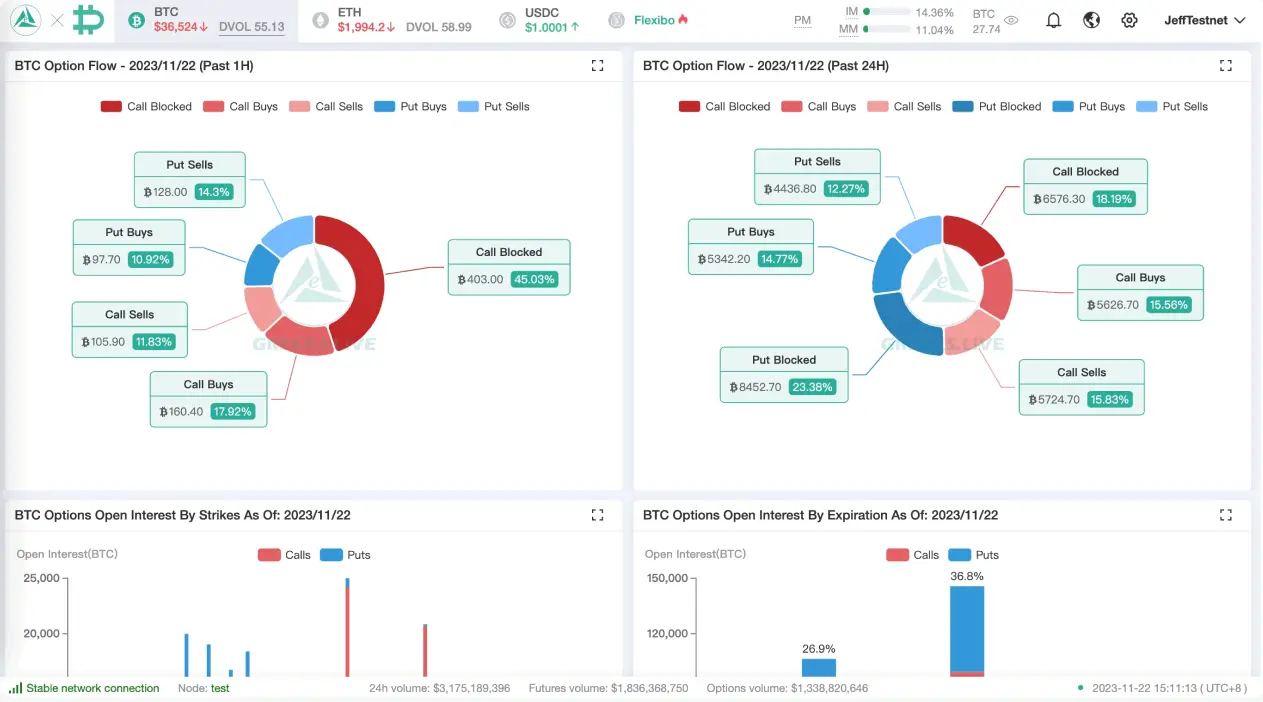
Consider the strategic advantage of a platform capable of executing multi-leg options spreads with embedded cross-border compliance. Such a system would leverage advanced trading applications, incorporating sophisticated order types and automated delta hedging (DDH) capabilities. The intelligence layer within this framework provides real-time market flow data, allowing portfolio managers to make informed decisions while simultaneously ensuring all components of the spread adhere to jurisdictional requirements. This integration of advanced execution with intelligent compliance mechanisms represents a significant strategic leap, offering both superior capital efficiency and enhanced risk management.
The following table outlines key strategic considerations for selecting technological frameworks for cross-border block trade compliance:
| Strategic Imperative | Technological Framework | Core Benefit for Block Trades |
|---|---|---|
| Enhanced Transparency | Distributed Ledger Technology | Immutable, shared record across jurisdictions |
| Automated Compliance | RegTech (AI/ML) | Real-time monitoring, anomaly detection, reporting automation |
| Seamless Integration | Standardized APIs (e.g. FIX) | Low-latency data exchange between systems and venues |
| Risk Mitigation | Smart Contracts (on DLT) | Automated execution and settlement with predefined rules |
| Market Surveillance | Algorithmic Compliance Engines | Proactive detection of market abuse patterns |
This integrated strategic vision prioritizes a framework that moves beyond mere adherence to regulations. It focuses on embedding compliance as an intrinsic component of the trading workflow, rather than an external overlay. This systemic approach transforms compliance from a cost center into a source of operational resilience and competitive differentiation, allowing institutions to confidently pursue liquidity opportunities across global markets while maintaining the highest standards of regulatory integrity.


Precision in Global Transactional Flow
Achieving granular precision in cross-border block trade compliance execution demands a sophisticated orchestration of technological components, each performing a critical function within a unified operational architecture. This section delves into the precise mechanics, technical standards, and quantitative metrics that define high-fidelity execution in this specialized domain. The focus here is on tangible, data-driven implementation, ensuring every step aligns with both strategic objectives and stringent regulatory mandates. The goal is to eliminate operational friction and potential compliance breaches, particularly in a landscape characterized by fragmented regulatory frameworks and diverse market practices.

The Operational Playbook
Implementing a robust cross-border block trade compliance framework involves a multi-stage procedural guide, ensuring end-to-end integrity. This guide begins with pre-trade validation, extends through execution, and concludes with post-trade reporting and reconciliation. Each step is fortified by technology, transforming manual, error-prone processes into automated, auditable workflows. The seamless flow of information across internal and external systems becomes paramount for successful execution.
- Pre-Trade Eligibility Verification ▴
- Counterparty Due Diligence ▴ Automated KYC/AML checks leverage RegTech solutions to screen entities against global sanctions lists and adverse media.
- Jurisdictional Restriction Analysis ▴ Algorithmic compliance engines evaluate the legality of the trade in both the originating and receiving jurisdictions, considering product eligibility, investor type restrictions, and local reporting thresholds.
- Position Limit Adherence ▴ Real-time integration with internal portfolio management systems (PMS) ensures the block trade does not breach regulatory or internal risk limits across the entire portfolio.
- Execution Protocol Management ▴
- RFQ System Integration ▴ Utilizing a multi-dealer RFQ platform, the system sends discreet inquiries to pre-approved liquidity providers. This process minimizes market impact and optimizes price discovery for large orders.
- FIX Protocol Messaging ▴ All order routing, execution reports, and allocation instructions are transmitted via the Financial Information Exchange (FIX) protocol, ensuring low-latency, standardized communication across trading venues and prime brokers.
- Automated Execution Logic ▴ Advanced trading applications incorporate smart order routing and algorithmic execution strategies designed to minimize slippage and achieve best execution while adhering to pre-defined compliance parameters.
- Post-Trade Reporting and Reconciliation ▴
- Real-Time Transaction Reporting ▴ Trades are immediately reported to relevant regulatory bodies (e.g. MiFID II, SFTR, CFTC) using automated reporting engines that format data according to specific jurisdictional requirements.
- DLT-Based Settlement ▴ Leveraging a permissioned DLT network, the settlement process becomes transparent and auditable, reducing counterparty risk and accelerating finality across borders.
- Automated Reconciliation ▴ Discrepancies between internal records, counterparty confirmations, and DLT entries are automatically flagged for investigation, ensuring data integrity and reducing operational risk.

Quantitative Modeling and Data Analysis
The efficacy of cross-border block trade compliance hinges on robust quantitative analysis, enabling proactive risk identification and performance measurement. This involves analyzing execution quality, information leakage, and the financial impact of compliance processes. The goal remains a continuous refinement of the operational architecture through empirical data.
One critical area of quantitative analysis involves the measurement of slippage, a key metric for execution quality in block trades. Slippage, the difference between the expected price of a trade and the price at which it is actually executed, often correlates with information leakage and market impact. A sophisticated framework quantifies this across various liquidity providers and trade sizes, informing optimal execution strategies. The formula for percentage slippage is straightforward:
Percentage Slippage = ((Execution Price - Expected Price) / Expected Price) 100
Analyzing slippage across diverse cross-border block trades provides insights into market depth, counterparty effectiveness, and the impact of various execution algorithms. This data informs the continuous calibration of the execution management system (EMS) and order management system (OMS), ensuring they consistently deliver best execution outcomes within compliance parameters.
| Metric | Description | Analytical Tool | Compliance Implication |
|---|---|---|---|
| Average Slippage (bps) | Mean difference between expected and executed price | Historical Trade Data Analysis | Identifies potential market impact or information leakage |
| Compliance Breach Rate | Frequency of regulatory rule violations | RegTech Anomaly Detection | Direct measure of framework effectiveness |
| Time-to-Settlement (hours) | Duration from trade execution to final settlement | DLT Transaction Timestamps | Efficiency and counterparty risk reduction |
| Reporting Latency (ms) | Delay in submitting regulatory reports | API Monitoring Tools | Adherence to real-time reporting mandates |
Quantitative analysis provides empirical validation for compliance effectiveness, enabling continuous refinement of execution strategies and risk controls.

Predictive Scenario Analysis
Consider a hypothetical scenario involving a major institutional investor, Alpha Capital, executing a substantial block trade of emerging market equities across two distinct jurisdictions ▴ Brazil and South Korea. Alpha Capital aims to purchase 5 million shares of Petrobras (PBR) on the B3 Exchange in Brazil and simultaneously sell 3 million shares of Samsung Electronics (005930.KS) on the Korea Exchange (KRX). The trade size necessitates an off-book, principal-to-principal execution to minimize market impact, yet the cross-border nature introduces complex compliance challenges related to capital controls, foreign exchange regulations, and differing reporting requirements. Alpha Capital’s sophisticated operational framework, powered by integrated DLT and RegTech solutions, provides a decisive advantage in navigating this complexity.
At the pre-trade stage, Alpha Capital’s compliance engine initiates a series of automated checks. The RegTech module instantly screens potential counterparties in both Brazil and South Korea, verifying their KYC/AML status against global databases and local sanctions lists. The system identifies that a specific Brazilian counterparty, Beta Securities, has a robust local presence and a history of compliant block trade execution, while meeting all of Alpha Capital’s internal risk parameters. Concurrently, the algorithmic compliance framework assesses the regulatory landscape in both jurisdictions.
It flags Brazil’s stringent capital control reporting requirements and South Korea’s unique short-selling restrictions for foreign investors. The system automatically generates a pre-trade compliance report, highlighting these specific mandates and confirming the eligibility of the chosen instruments and counterparties, ensuring no regulatory red flags exist before any quotes are solicited.
Upon receiving the green light, Alpha Capital’s trading desk utilizes its multi-dealer RFQ platform, transmitting discreet inquiries to Beta Securities for the Petrobras purchase and a pre-qualified Korean broker, Gamma Trading, for the Samsung Electronics sale. The RFQ system, integrated with the compliance engine, ensures that all quotes received adhere to the pre-trade compliance parameters. For instance, the system validates that Beta Securities’ quote for PBR is within the permissible foreign ownership limits for Brazilian equities and that Gamma Trading’s quote for 005930.KS respects the Korean Exchange’s reporting thresholds for foreign short sales. The quotes are received, evaluated for best execution against Alpha Capital’s internal benchmarks, and the trades are executed electronically, with all messages flowing through a high-speed FIX API connection.
Post-execution, the real-time reporting mechanisms activate. The DLT-based settlement layer instantly records the executed block trades, creating an immutable, cryptographically secured ledger entry for both transactions. This distributed record is shared with authorized participants, including Alpha Capital, Beta Securities, Gamma Trading, and their respective custodians, ensuring transparency and reducing the need for manual reconciliation. The RegTech reporting module then automatically generates the necessary regulatory submissions.
For the Brazilian leg, it prepares the specific reports required by the Central Bank of Brazil for foreign capital inflow, while for the Korean leg, it compiles the transaction data for the Financial Supervisory Service, adhering to KRX’s specific post-trade disclosure rules. Any deviations or potential breaches are immediately flagged by the algorithmic surveillance system, which continuously monitors transaction patterns for signs of market manipulation or non-compliance, such as wash trading or layering across different venues. In this instance, the system confirms all aspects of the trade align with regulatory expectations, demonstrating the framework’s ability to facilitate complex cross-border block trades with absolute compliance and operational efficiency.

System Integration and Technological Architecture
The underlying technological architecture for cross-border block trade compliance forms a cohesive ecosystem, ensuring data integrity, low-latency processing, and robust security. This system operates as a unified platform, integrating various modules through standardized protocols and secure API endpoints. The design prioritizes modularity, scalability, and resilience, recognizing the dynamic nature of global financial markets and regulatory landscapes.
At the core of this architecture lies a robust data fabric, aggregating real-time market data, internal position data, and regulatory rulebooks from diverse sources. This fabric feeds into several interconnected modules:
- Order Management System (OMS) & Execution Management System (EMS) ▴ These systems manage the entire trade lifecycle, from order inception to execution. They are integrated with the compliance engine to perform pre-trade checks and enforce execution parameters. FIX protocol messages (e.g. New Order Single, Execution Report, Allocation Instruction) facilitate seamless communication between the OMS/EMS, liquidity providers, and prime brokers.
- Compliance Engine (RegTech Module) ▴ This module, powered by AI and machine learning algorithms, houses the vast repository of global regulatory rules. It ingests real-time trade data and performs automated checks for AML, KYC, market abuse, and jurisdictional restrictions. API endpoints allow for bidirectional communication with the OMS/EMS and DLT platforms, enabling real-time validation and alert generation.
- Distributed Ledger Technology (DLT) Platform ▴ A permissioned DLT network serves as the immutable record for executed block trades and their settlement. This platform uses smart contracts to automate post-trade processes, such as collateral management and payment netting, reducing manual intervention and settlement risk. Integration with traditional banking infrastructure occurs via secure gateways that convert DLT-native assets into fiat or other conventional securities.
- Data Analytics and Reporting Layer ▴ This layer collects all trade, compliance, and market data, performing quantitative analysis for performance measurement (e.g. slippage, market impact) and generating audit-ready regulatory reports. It leverages advanced visualization tools to provide actionable insights to risk managers and compliance officers.
The system’s integrity relies on a sophisticated security framework, incorporating multi-factor authentication, end-to-end encryption for all data in transit and at rest, and robust access controls. Regular penetration testing and vulnerability assessments ensure the platform’s resilience against cyber threats. This comprehensive architectural approach ensures that cross-border block trade compliance is not merely an afterthought, but an integral, automated, and continuously optimized component of the institutional trading ecosystem.

References
- BlockStand. “Regulatory compliance and Governance Model for cross-border payments using blockchain technology.” (n.d.).
- Bank for International Settlements. “DLT-Based Enhancement of Cross-Border Payment Efficiency ▴ a Legal and Regulatory Perspective.” (n.d.).
- ResearchGate. “Blockchain and Global Trade ▴ Streamlining Cross Border Transactions with Blockchain.” (2025).
- PMC – PubMed Central. “Regtech ▴ steering the regulatory spaceship in the right direction?” (n.d.).
- GSC Online Press. “RegTech Solutions ▴ Enhancing compliance and risk management in the financial industry.” (2024).
- A-Team Insight. “Why APIs Are Imperative for Systematic Trading.” (n.d.).
- Trapets. “AI and machine learning in trade surveillance ▴ a 2025 guide.” (2025).
- FIX Trading Community. “FIX API Liquidity ▴ How it Powers Institutional Trading.” (2025).
- Apiax. “Pre-Trade Compliance Checks.” (n.d.).

The Strategic Horizon of Digital Markets
As the digital asset landscape continues its relentless expansion, the frameworks discussed here transcend mere operational tools; they represent fundamental components of a future-proofed institutional trading infrastructure. Consider the profound implications for your own operational framework. Is it merely reacting to regulatory changes, or is it proactively shaping a resilient, high-performance ecosystem? The integration of DLT, RegTech, and advanced APIs defines a new frontier in managing risk and maximizing capital efficiency across global markets.
Mastering these interconnections offers not just compliance, but a decisive strategic advantage. The journey towards truly seamless and compliant cross-border block trades is an ongoing evolution, requiring continuous adaptation and an unwavering commitment to systemic excellence.

Glossary

Cross-Border Block Trades

Cross-Border Block Trade Compliance

Capital Efficiency

Distributed Ledger Technology

Regulatory Technology

Regtech Solutions

Cross-Border Block Trade

Block Trade Compliance

Market Microstructure

Liquidity Providers

Cross-Border Block

Block Trades

Block Trade

Automated Delta Hedging

Trade Compliance

Pre-Trade Eligibility

Algorithmic Compliance Engines

Market Impact

Alpha Capital’s