

Precision Execution in Large Transactions
For principals and portfolio managers operating in today’s dynamic financial landscapes, the challenge of executing substantial trades with minimal market impact remains a paramount concern. Moving significant blocks of capital requires a robust, almost surgical, approach to data capture and transmission. This is not a casual endeavor; it demands an infrastructure designed for discretion, speed, and unwavering reliability. The very act of signaling intent to transact a large volume can shift market dynamics, leading to adverse price movements.
Therefore, the underlying technological framework must operate as an invisible hand, facilitating the transaction without betraying its presence to the broader market. It must manage the inherent informational asymmetry and liquidity fragmentation that define institutional trading, transforming potential vulnerabilities into a strategic advantage. Achieving this necessitates a profound understanding of market microstructure, coupled with an operational architecture capable of navigating its complexities.
Optimized infrastructure for block trades delivers discretion, speed, and reliability, mitigating market impact.
The imperative for high-fidelity execution stems from the fundamental economics of institutional trading. Every basis point of slippage on a large order translates into a tangible reduction in alpha, eroding portfolio performance. This reality underscores the need for systems that not only process data rapidly but also intelligently. The data flow supporting block trades must extend beyond simple price feeds; it encompasses a granular understanding of available liquidity, the depth of various order books, and the potential for counterparty engagement across diverse venues.
Capturing this multifaceted data, from both lit and dark pools, and transmitting it with sub-millisecond precision, forms the bedrock of an effective block trading strategy. The entire process functions as a carefully orchestrated ballet of information, where timing and accuracy dictate success.
Understanding the technological backbone begins with recognizing the critical elements that contribute to optimal execution. These elements include advanced network architectures, specialized hardware, and sophisticated software protocols that collectively create an environment where large orders can find their counterparties with minimal footprint. The system must accommodate a range of instruments, from traditional equities and fixed income to complex digital asset derivatives, each possessing unique liquidity characteristics and market structures. The convergence of these demands necessitates a holistic approach to infrastructure design, viewing each component as an integral part of a larger, high-performance machine.


Architecting Discretionary Liquidity Access
The strategic deployment of technological infrastructure for block trade data hinges upon minimizing market impact while securing optimal pricing. This involves a deliberate shift towards controlled environments for price discovery, often leveraging Request for Quote (RFQ) protocols. RFQ systems serve as a cornerstone for institutional participants, allowing them to solicit private bids and offers from a curated group of liquidity providers without publicly exposing their trading intentions.
This controlled solicitation mechanism directly addresses the inherent risk of information leakage, a persistent concern for large orders. The strategic value lies in transforming a potentially market-moving order into a series of discreet, bilateral price inquiries, thereby preserving alpha.
RFQ protocols enable discreet price discovery, preserving alpha by minimizing information leakage for large orders.
Implementing an effective RFQ strategy involves more than merely sending out a quote request; it requires a sophisticated system for multi-dealer liquidity aggregation. A robust platform connects to numerous market makers, allowing a principal to simultaneously receive competitive quotes from multiple sources. This competitive dynamic among liquidity providers typically results in tighter spreads and superior execution certainty, significantly reducing implicit trading costs.
The system’s intelligence layer processes these incoming quotes in real-time, presenting the best available prices and allowing for rapid decision-making. This orchestration of private liquidity channels creates a formidable barrier against adverse selection.
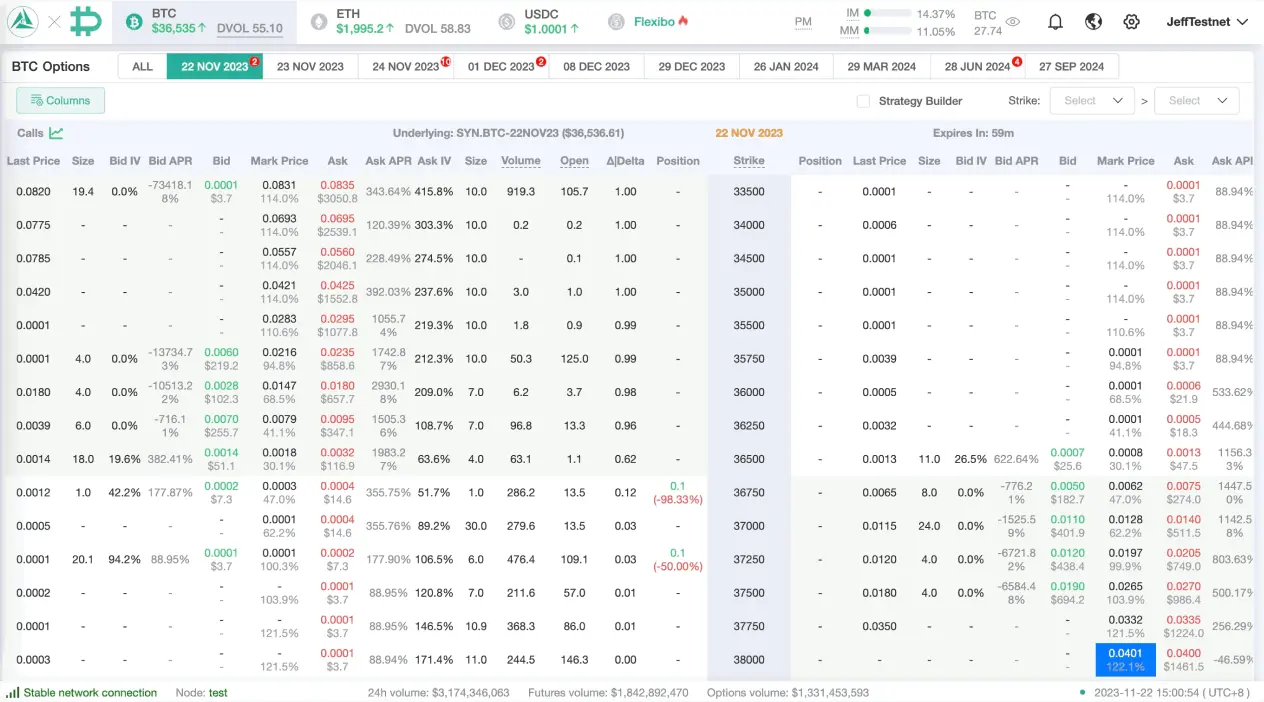
Furthermore, the strategic framework must account for the specific characteristics of different asset classes. For instance, block trades in Bitcoin options or ETH options require platforms capable of handling the unique market microstructure of digital asset derivatives, which often exhibit greater volatility and fragmentation compared to traditional instruments. The infrastructure must support multi-leg execution for complex options spreads, enabling a principal to execute a combination of trades as a single, atomic unit. This capability is paramount for strategies involving synthetic knock-in options or automated delta hedging, where the simultaneous execution of multiple legs is critical for managing risk and achieving the desired P&L profile.
Consider the strategic advantages conferred by a well-designed RFQ ecosystem:
- Minimized Information Leakage ▴ Soliciting prices privately prevents order intent from influencing public market prices.
- Enhanced Price Discovery ▴ Competition among multiple liquidity providers yields more favorable pricing.
- Improved Execution Certainty ▴ Firm, executable quotes reduce the risk of adverse price movements during execution.
- Access to Deep Liquidity ▴ Ability to tap into significant off-exchange liquidity pools, especially for illiquid instruments.
- Operational Efficiency ▴ Streamlined electronic workflows automate negotiation and settlement processes.
The strategic decision to deploy such infrastructure represents a commitment to superior operational control. It empowers institutional traders to navigate fragmented markets with greater precision, extracting maximum value from each transaction. This framework also supports sophisticated risk management, as the ability to secure firm prices for large blocks allows for more accurate pre-trade analysis and more effective post-trade hedging. The architectural design of these systems therefore becomes a direct determinant of a firm’s competitive edge in the market.
| Strategic Imperative | RFQ System Capability | Quantifiable Benefit |
|---|---|---|
| Market Impact Mitigation | Private Quote Solicitation | Reduced Slippage, Enhanced Alpha |
| Optimal Price Discovery | Multi-Dealer Competition | Tighter Spreads, Favorable Pricing |
| Liquidity Access | Aggregated Off-Book Pools | Execution of Large Volumes |
| Risk Management | Firm, Executable Quotes | Precise Pre-Trade Analysis |
| Operational Streamlining | Automated Workflow Integration | Lower Transaction Costs, Faster Processing |
This approach moves beyond simply finding a counterparty; it is about systematically engineering an environment where the execution of substantial orders occurs with maximum efficiency and minimal disruption. The strategic architecture emphasizes control over the information flow, ensuring that market intelligence remains proprietary until the point of execution. This is a fundamental principle for maintaining a decisive edge in competitive trading environments.


Operational Protocols for Data Supremacy
The execution layer of an optimized block trade infrastructure is a symphony of low-latency systems, precise data handling, and robust communication protocols. At its core, this layer focuses on transforming strategic intent into tangible outcomes, emphasizing speed, accuracy, and the rigorous management of data. The critical determinant of success lies in the infrastructure’s capacity to capture vast quantities of market data, transmit order instructions, and confirm executions with minimal delay, often measured in microseconds. This necessitates an intricate blend of hardware acceleration, optimized network topology, and specialized software applications.
Execution success in block trading hinges on low-latency data capture, precise transmission, and robust protocol management.
Central to data capture and transmission is the deployment of ultra-low latency networks. These networks are engineered to reduce the physical distance data travels, frequently involving co-location of servers within proximity to major exchange matching engines. Fiber optic connections form the backbone, supplemented by advanced routing protocols that prioritize critical market data feeds and order messages.
Direct Market Access (DMA) solutions further reduce latency by allowing trading systems to bypass intermediary brokers and connect directly to exchange order books. This architectural choice ensures that market data arrives at the trading engine and order instructions reach the exchange with unparalleled speed, offering a crucial advantage in volatile markets.
Data processing within this infrastructure relies on high-performance computing (HPC) and parallel processing frameworks. These systems are designed to ingest, normalize, and analyze massive streams of real-time market data, including bid/ask prices, order book depth, and trade volumes, across multiple venues. Specialized hardware, such as Field-Programmable Gate Arrays (FPGAs) or Graphics Processing Units (GPUs), can accelerate specific computational tasks, such as algorithm execution or risk calculations, reducing processing bottlenecks. The efficiency of these data pipelines directly impacts the ability of trading algorithms to react to market shifts and identify optimal execution opportunities for block orders.

FIX Protocol and RFQ Message Flow
The Financial Information eXchange (FIX) protocol serves as the de facto standard for electronic communication in financial markets, providing a structured messaging framework for pre-trade, trade, and post-trade activities. For block trades, FIX messages are instrumental in the Request for Quote (RFQ) process. A typical RFQ workflow involves several key FIX message types, ensuring a standardized and efficient communication channel between the liquidity consumer (buy-side firm) and liquidity providers (market makers).
- Quote Request (35=R) ▴ The liquidity consumer initiates the process by sending a Quote Request message to selected liquidity providers. This message specifies the instrument, side (buy/sell), quantity, and any other relevant parameters for the block trade.
- Quote (35=S) ▴ Upon receiving the Quote Request, liquidity providers respond with Quote messages. Each Quote message contains executable bid and offer prices for the requested block size, along with validity periods and other terms. The competitive nature of this process is paramount for achieving best execution.
- New Order Single (35=D) ▴ The liquidity consumer reviews the received quotes and, upon selecting the most favorable one, sends a New Order Single message to the chosen liquidity provider. This message confirms the intent to trade at the quoted price and quantity.
- Execution Report (35=8) ▴ The liquidity provider, acting as the executing broker, responds with an Execution Report message upon successful completion of the trade. This message details the executed price, quantity, and other trade specifics. For block trades, the TrdType field (828) often specifies ‘Block Trade’ (value 1) or ‘Privately negotiated trade’ (value 22).
- Allocation Instruction (35=J) ▴ Following execution, the liquidity consumer may send an Allocation Instruction message to allocate the executed block across various client accounts or portfolios.
This standardized message flow facilitates straight-through processing (STP), minimizing manual intervention and reducing operational risk. The robustness of the FIX protocol ensures reliable transmission and consistent interpretation of trade data across disparate systems, a fundamental requirement for institutional-grade execution.

Quantitative Data Analysis for Post-Trade Evaluation
Effective block trade execution demands rigorous post-trade analysis to validate performance and refine future strategies. This involves capturing and analyzing a comprehensive dataset of execution metrics, comparing actual outcomes against predefined benchmarks. The core objective is to quantify slippage, measure market impact, and assess the efficacy of liquidity sourcing strategies. Quantitative modeling plays a vital role in dissecting these elements, providing actionable insights for continuous improvement.
| Metric | Calculation | Operational Insight |
|---|---|---|
| Slippage (Execution Cost) | (Executed Price – Benchmark Price) / Benchmark Price | Measures price deviation from expectation. |
| Market Impact | (VWAP of Trade – Pre-Trade Midpoint) / Pre-Trade Midpoint | Quantifies price movement caused by the trade. |
| Fill Rate | (Executed Quantity / Requested Quantity) | Assesses liquidity access and order completion. |
| Information Leakage Score | Proprietary Model (e.g. pre-trade price drift vs. control) | Indicates pre-execution market anticipation. |
| Latency Delta | (Order Submission Time – Market Data Receipt Time) | Measures system responsiveness and speed. |
Analyzing these metrics through a lens of quantitative rigor enables a firm to identify areas for optimization. For instance, consistent negative slippage might suggest superior liquidity aggregation or effective timing models. Conversely, high market impact could point to suboptimal order placement strategies or insufficient discretion in the RFQ process.
The continuous feedback loop from this analysis informs adjustments to algorithms, liquidity provider selection, and overall trading tactics. This data-driven approach transforms execution from an art into a precise science, ensuring that every block trade contributes positively to portfolio objectives.

The Operational Playbook
Implementing an optimized block trade data capture and transmission infrastructure requires a systematic, multi-stage approach. This operational playbook outlines the key procedural steps for deploying and maintaining a high-performance trading environment.
- Network Proximity and Colocation ▴
- Site Selection ▴ Identify data centers geographically closest to target exchanges to minimize latency.
- Hardware Deployment ▴ Install dedicated servers and networking equipment within the chosen colocation facilities.
- Direct Cross-Connects ▴ Establish direct fiber optic cross-connects to exchange matching engines and market data feeds.
- Data Ingestion and Normalization Pipeline ▴
- Feed Handlers ▴ Deploy specialized software modules to consume raw market data from various exchanges and liquidity venues.
- Normalization Engines ▴ Standardize disparate data formats into a unified internal representation for consistent processing.
- Time Synchronization ▴ Implement Network Time Protocol (NTP) or Precision Time Protocol (PTP) for nanosecond-level clock synchronization across all systems.
- RFQ System Configuration and Integration ▴
- FIX Engine Setup ▴ Configure FIX engines to handle inbound Quote Requests and outbound Quote messages, adhering to FIX protocol specifications.
- Liquidity Provider Onboarding ▴ Establish secure FIX connections with a diverse set of institutional liquidity providers.
- Quote Aggregation Logic ▴ Develop algorithms to aggregate and rank incoming quotes based on price, size, and validity.
- Order Management and Execution Management Systems (OMS/EMS) Integration ▴
- API Connectivity ▴ Ensure seamless API integration between the RFQ system and the firm’s OMS/EMS for order generation and routing.
- Pre-Trade Risk Checks ▴ Implement real-time pre-trade risk controls (e.g. position limits, capital checks) before order submission.
- Smart Order Routing (SOR) ▴ Configure SOR logic to direct orders to the optimal venue based on liquidity, price, and market impact considerations.
- Post-Trade Analytics and Reporting ▴
- Trade Capture System ▴ Record all executed trades, including timestamps, prices, quantities, and counterparty details.
- Transaction Cost Analysis (TCA) ▴ Develop a TCA framework to analyze execution quality, slippage, and market impact.
- Compliance Reporting ▴ Generate automated reports for regulatory compliance and internal audit purposes.
This structured approach ensures that every component of the infrastructure is optimized for performance and reliability, creating an environment where block trades can be executed with maximum efficiency and minimal market footprint. The rigorous adherence to these operational protocols underpins the firm’s capacity to maintain a competitive edge in fast-moving markets.

System Integration and Technological Architecture
The technological architecture supporting optimized block trade execution represents a complex, interconnected ecosystem, meticulously designed for resilience and speed. This architecture extends beyond individual components, focusing on the seamless interplay between distinct modules to achieve systemic efficiency. The core principle involves a layered approach, where each layer contributes to the overall objective of rapid, discreet, and intelligent trade execution.
At the foundational layer, a robust network fabric provides ultra-low latency connectivity. This includes dedicated dark fiber circuits connecting primary trading hubs, supplemented by microwave links for incremental speed advantages where feasible. Network devices, such as switches and routers, are chosen for their high throughput and minimal jitter, often featuring specialized hardware acceleration.
The physical topology prioritizes redundancy and fault tolerance, ensuring continuous operation even in the face of component failures. This network forms the nervous system, transmitting vital market data and order instructions across the entire infrastructure.
Above the network lies the market data ingestion and processing layer. This involves a distributed system of feed handlers, responsible for consuming raw data from multiple exchanges and proprietary liquidity pools. These handlers perform initial parsing and timestamping, then forward the data to normalization engines. Normalization ensures that disparate data formats are converted into a consistent, internal representation, enabling uniform processing by downstream applications.
Complex Event Processing (CEP) engines are often employed here to identify significant market events, such as large order book imbalances or rapid price movements, in real-time. The output of this layer feeds directly into the firm’s quantitative models and trading algorithms.
The execution management layer encompasses the RFQ system, order routing logic, and pre-trade risk controls. The RFQ module, as detailed previously, manages the bilateral price discovery process using FIX protocol messages. This module integrates with a sophisticated Smart Order Router (SOR), which intelligently directs orders to the optimal liquidity venue based on a dynamic assessment of price, liquidity, and market impact.
The SOR’s decision-making process is informed by real-time market data and proprietary algorithms, ensuring that block orders are executed with minimal footprint. Concurrently, pre-trade risk systems perform instantaneous checks against predefined limits, preventing erroneous or excessive exposure before an order is released to the market.
Finally, the post-trade processing and analytics layer handles trade confirmation, allocation, and performance measurement. This involves a trade capture system that records all execution details, which are then fed into a Transaction Cost Analysis (TCA) engine. The TCA engine uses quantitative models to evaluate execution quality, comparing actual trade prices against various benchmarks and identifying sources of slippage and market impact.
This feedback loop is essential for continuous improvement of execution strategies and for validating the effectiveness of the entire technological infrastructure. The integration of these layers through well-defined APIs and messaging queues creates a cohesive, high-performance environment, capable of optimizing block trade data capture and transmission for institutional advantage.

References
- IBM. What Is Blockchain?
- Tradeweb. RFQ Trading Unlocks Institutional ETF Growth. Traders Magazine.
- BSO-Network. How to Achieve Ultra-Low Latency in Trading Infrastructure.
- Global Trading. Information Leakage.
- Investopedia. Understanding FIX Protocol ▴ The Standard for Securities Communication.

Navigating Future Market Dynamics
The journey through optimized block trade infrastructure reveals a fundamental truth ▴ a firm’s operational architecture is a direct reflection of its strategic intent. The precision engineered into data capture, the discretion embedded in transmission protocols, and the analytical rigor applied to execution outcomes collectively define a firm’s capacity for market mastery. This is not merely about deploying technology; it represents a commitment to a systemic approach, where every component, from network latency to post-trade analytics, functions as an integrated element of a larger intelligence system. The insights gleaned from this framework empower a principal to move beyond reactive trading, instead fostering a proactive stance that anticipates market shifts and capitalizes on fleeting opportunities.
Consider the profound implications for your own operational framework. How effectively does your current infrastructure translate strategic objectives into high-fidelity execution? The pursuit of a decisive edge in financial markets is an ongoing endeavor, demanding continuous refinement and a relentless focus on the underlying mechanisms that drive performance. A superior operational framework remains the ultimate arbiter of sustained success.

Glossary

Market Impact

Data Capture

Market Microstructure

Block Trades

Digital Asset Derivatives

Liquidity Providers

Price Discovery

Information Leakage

Multi-Dealer Liquidity

Execution Certainty

Optimized Block Trade

Market Data

Direct Market Access

High-Performance Computing

Block Trade

Fix Protocol

Post-Trade Analytics